‘Unusual’ ancient graves discovered during school construction in France. See them
Central France has been occupied off and on for thousands of years, by aristocratic families to nomadic tribes.
The city of Dijon was once a seat of medieval power, but long before the Gothic architecture, vineyards and mustard fields built the identity of the region, the land belonged to the Gauls.
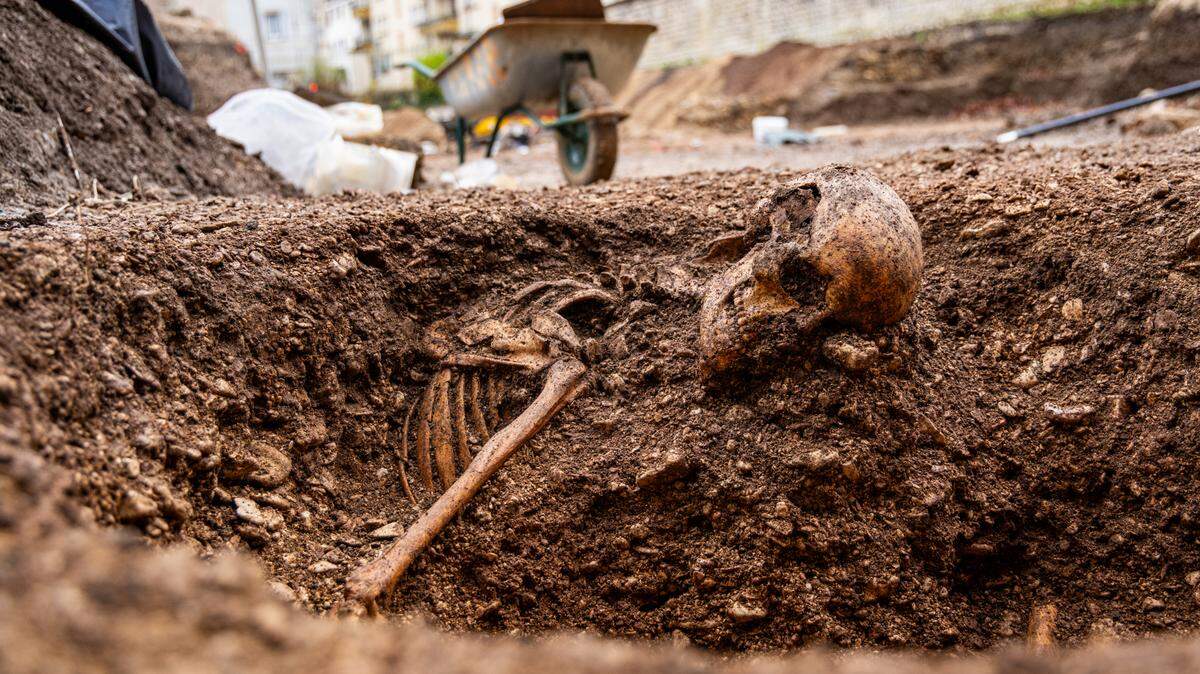
Now, archaeologists working at the construction site of a school complex have discovered 13 “unusual” Gallic burials dating to the Iron Age, according to a Jan. 28 news release from the French National Institute for Preventive Archaeological Research.
The burials were found in the oldest part of the site, researchers said, dating to the second Iron Age.
Circular pits, a little more than 3 feet in diameter and spaced out from one another, were arranged in a straight line about 80 feet long, according to the release.
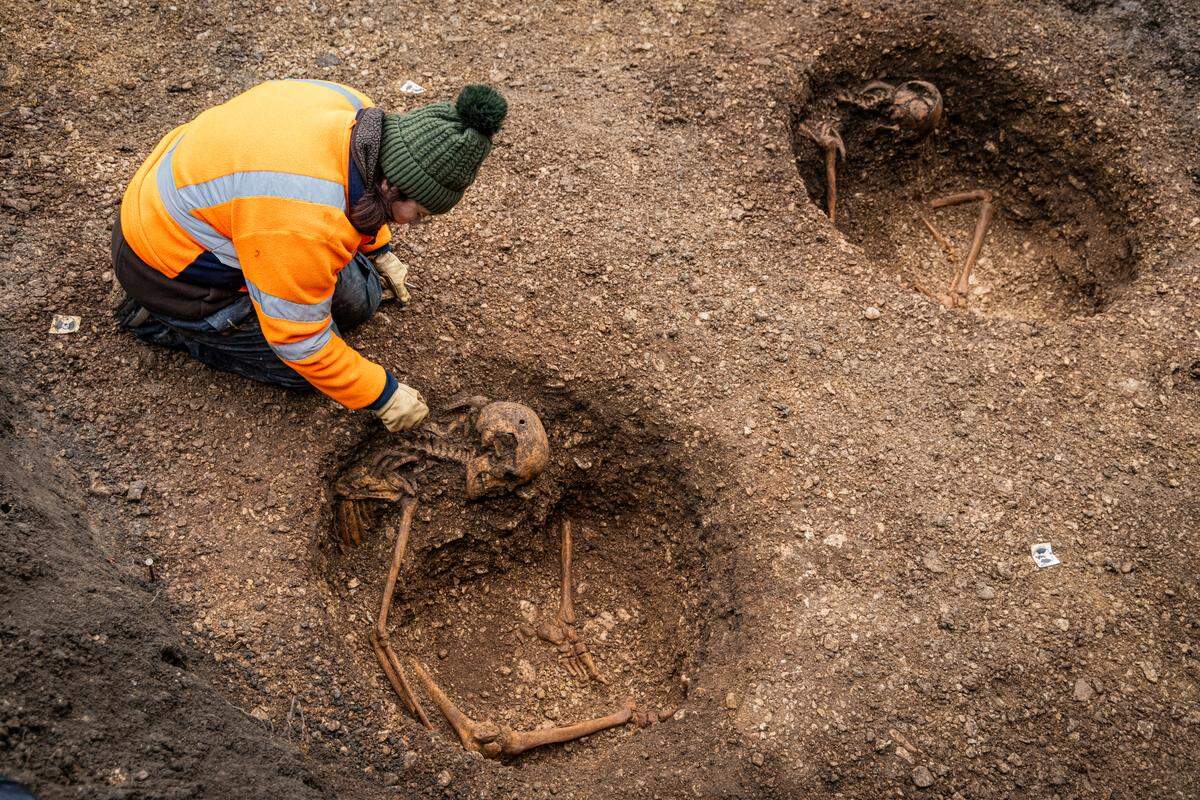
“These structures are generally well preserved despite significant erosion that caused the displacement or even destruction of the least buried bones,” researchers said. “The deceased are adults placed in the same manner, sitting at the bottom of the pit, their backs against the eastern wall of the pit, facing west.”
The bodies sit with their arms down by their sides and their legs bent as if their knees were by their chests, according to the release. Their legs lay asymmetrically, and the graves are entirely barren of any goods, except for a single stone armband dating to around 2,200 years ago.
Two other burials of this kind were found nearby in the 1990s, suggesting that the two sites may have been part of a shared settlement, researchers said.
The skeletal remains of dogs, sheep and pigs have also been found as part of the complex, suggesting the area may have been close to a place of worship during the later Gallic period, according to the release.
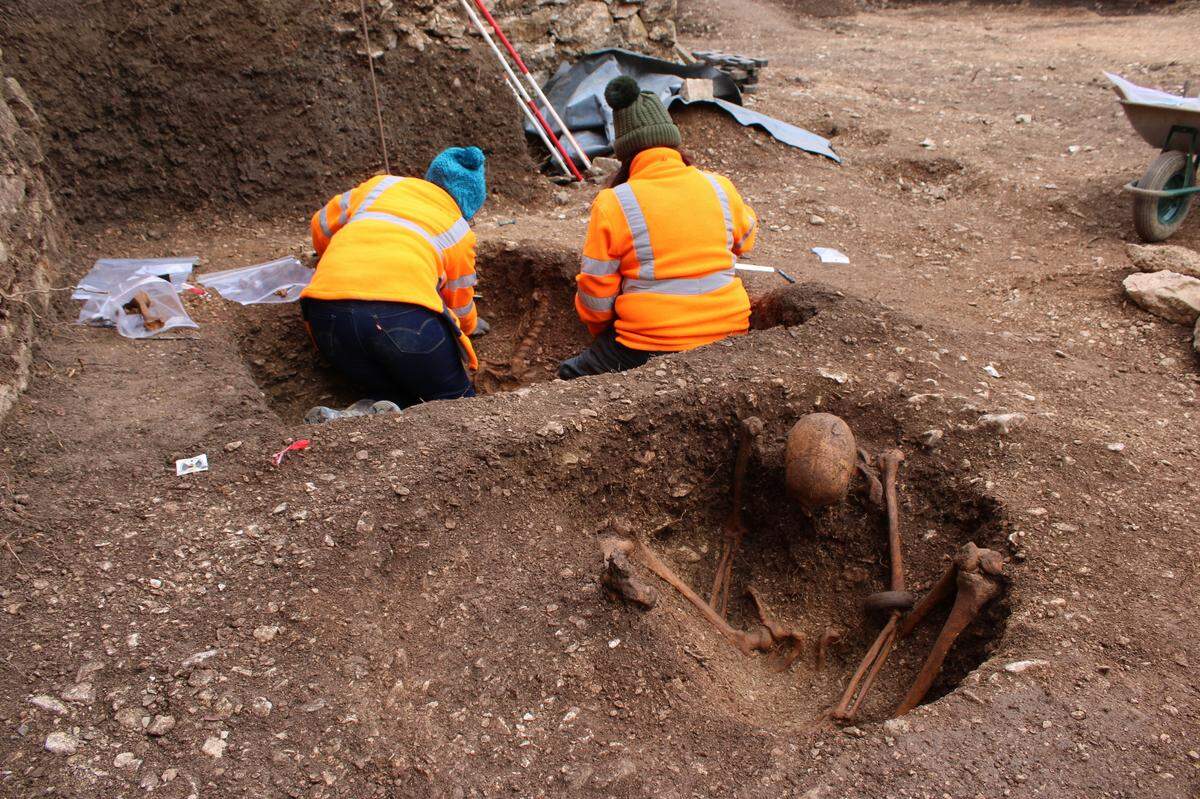
“Only a dozen archaeological sites have yielded around 50 ‘seated’ individuals whose graves are located near aristocratic dwellings or sanctuaries or places of worship, away from cemeteries,” researchers said.
Fewer than 10 of those have been found in France across the northern Gaul, and many of the sites are geographically separated by significant distances, according to the release.
Despite the distance, they all share similarities. The burials are all found at the edge of settlements; when the sex is determined, all the bodies are male; and all the bodies are positioned in the odd sitting orientation, researchers said. Archaeologists believe this burial practice was reserved for a specific group of people — but who?
“The specific funerary treatment reserved for a limited number of individuals, whose bodies rest in a codified manner, raises questions about their status: were they members of dominant families, warriors, ancestors, or individuals linked to political or religious spheres?” researchers asked.
The site continued to be used for burials in later centuries, according to the release, and a necropolis filled with 20 children dating to the first century A.D. was also found. The children all likely died before the age of 1, researchers said.
Dijon is in east-central France, about a 200-mile drive southeast from Paris.
Google Translate was used to translate the French version of the news release from the National Institute for Preventive Archaeological Research.
This story was originally published January 29, 2025 at 6:06 PM with the headline "‘Unusual’ ancient graves discovered during school construction in France. See them."