Medieval house owned by a king ‘lost’ to time in the UK. Now, it’s been discovered
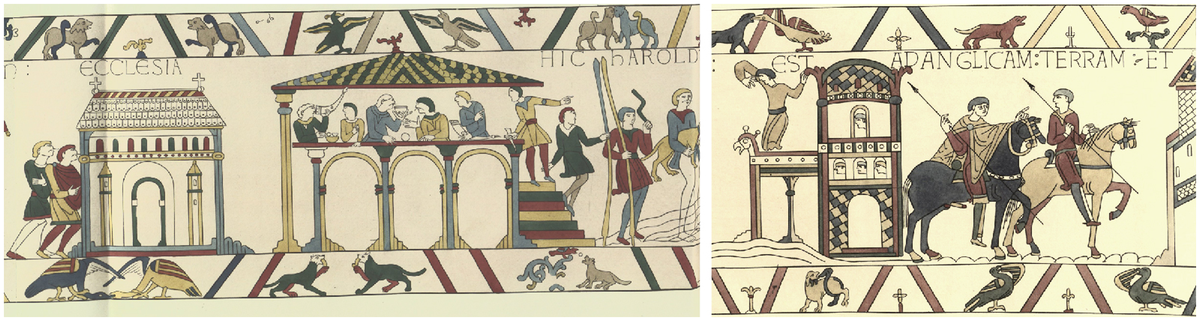
The Bayeux Tapestry, an 11th-century piece that is more than 200 feet wide, has had a perilous history since its creation.
The woven art tells the story of the conquest of England, depicting scenes of battle and celebration, and has spent centuries hidden away in the Bayeux cathedral in France, according to the Bayeux Museum.
It narrowly escaped being cut to scraps for soldier’s carts before being displayed in the Louvre and potentially inspiring Napoleon Bonaparte, the museum said. It even was placed in an underground bunker during World War II to prevent major harm from coming to the priceless piece.
Despite centuries of study and preservation, there are still many mysteries presented by the tapestry, including the location of one of the scenes.
“Bosham, on the coast of West Essex, is depicted twice in the Bayeux Tapestry, which famously narrates the Norman Conquest of England in 1066 when William, Duke of Normandy, challenged Harold for the throne,” according to a Jan. 28 news release from Newcastle University. “The Tapestry culminates in William’s victory at Hastings, but earlier in the artwork Bosham is shown as the place where Harold enjoys a feast in an extravagant hall before setting sail for France, and again on his return.”
Harold Godwinson was the “last Anglo-Saxon King of England,” the university said, and the exact location of the royal home depicted in the tapestry had never been proven, considered “lost” to time — until now.
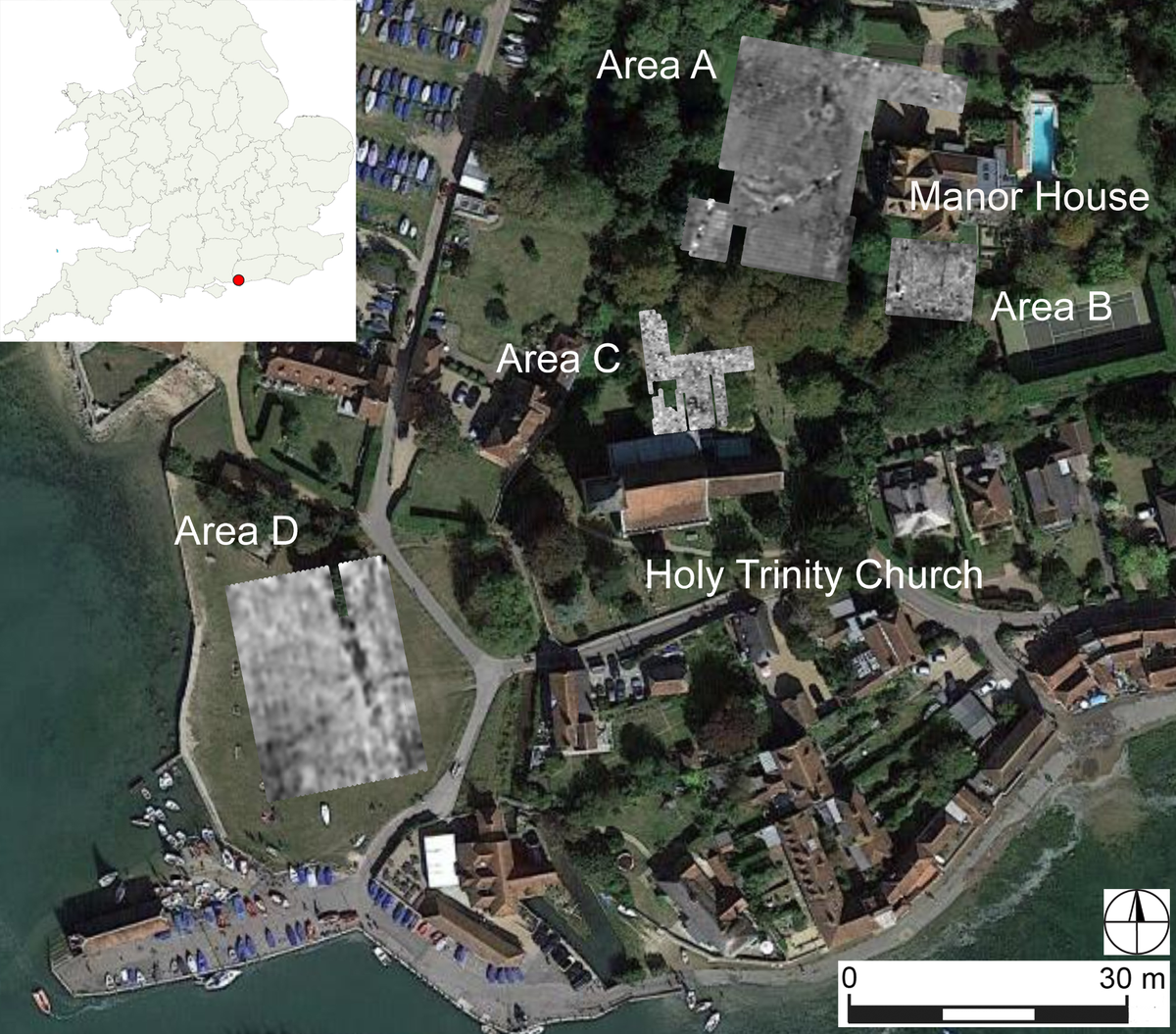
As part of a project called “Where Power Lies,” archaeologists reexamined surveys of places of past “lordly centers” that could be compiled into a single database, according to a study published Jan. 9 in the peer-reviewed The Antiquaries Journal.
One of these surveys was a 2006 project conducted on the standing structures of Bosham Manor House and the surrounding gardens and village, according to the study.
“Although the majority of the garden was devoid of archaeology, excavations did locate a rubbish pit and two enclosure ditches dated to the Anglo-Normal period and, crucially, a Late Saxon latrine apparently associated with an earth-fast timber building,” researchers said. “The importance of this latter feature could not be fully recognized at the time, as it is only subsequent publications … that convincingly illustrate how latrines came to be linked to the chamber-ends of tenth-century and later high-status houses.”
The latrine helped date the home to pre-conquest times, when Harold was in power, and proved the home belonged to the elite, according to the study.
“The realisation that the 2006 excavations had found, in effect, an Anglo-Saxon en-suite confirmed to us that this house sits on the site of an elite residence pre-dating the Norman Conquest. Looking at this vital clue, alongside all our other evidence, it is beyond all reasonable doubt that we have here the location of Harold Godwinson’s private power centre, the one famously depicted on the Bayeux Tapestry,” study author Duncan Wright, a lecturer in medieval archaeology at Newcastle University, said in the release.
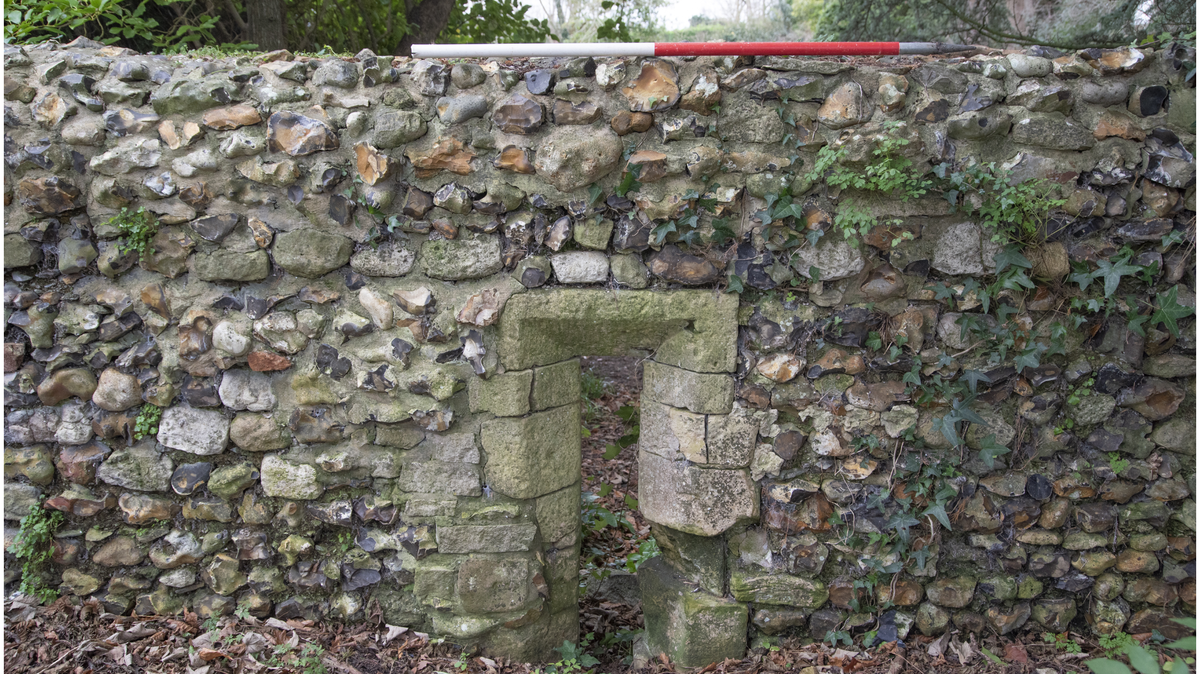
The house itself is buried under later buildings and even modern constructions, according to the study, but a stone wall from a few centuries later still remains.
It was likely built around 1300 directly south of the first building and may have been downgraded after the conquest to serve as a kitchen or another purpose for the manor house.
“The English consumed their whole substance in mean and despicable houses, unlike the Normans and French, who live frugally in noble and splendid mansions,” William of Malmensbury wrote in the 1120s, according to the study.
The English historian noted how residences changed before and after the conquest, suggesting a possible reason Harold’s home would not have withstood the new political system.
“The Norman Conquest saw a new ruling class supplant an English aristocracy that has left little in the way of physical remains, which makes the discovery at Bosham hugely significant — we have found an Anglo-Saxon show-home,” study author Oliver Creighton, from the University of Exeter, said in the release.
Bosham is on the southern coast of England, about a 75-mile drive southwest from London.
The research team includes Wright, Creighton, David Gould, Scott Chaussée and Michael Shapland.
This story was originally published January 28, 2025 at 2:16 PM with the headline "Medieval house owned by a king ‘lost’ to time in the UK. Now, it’s been discovered."