
2,500-year-old tombs hold treasure of lost empire in Kazakhstan. See ornate jewelry
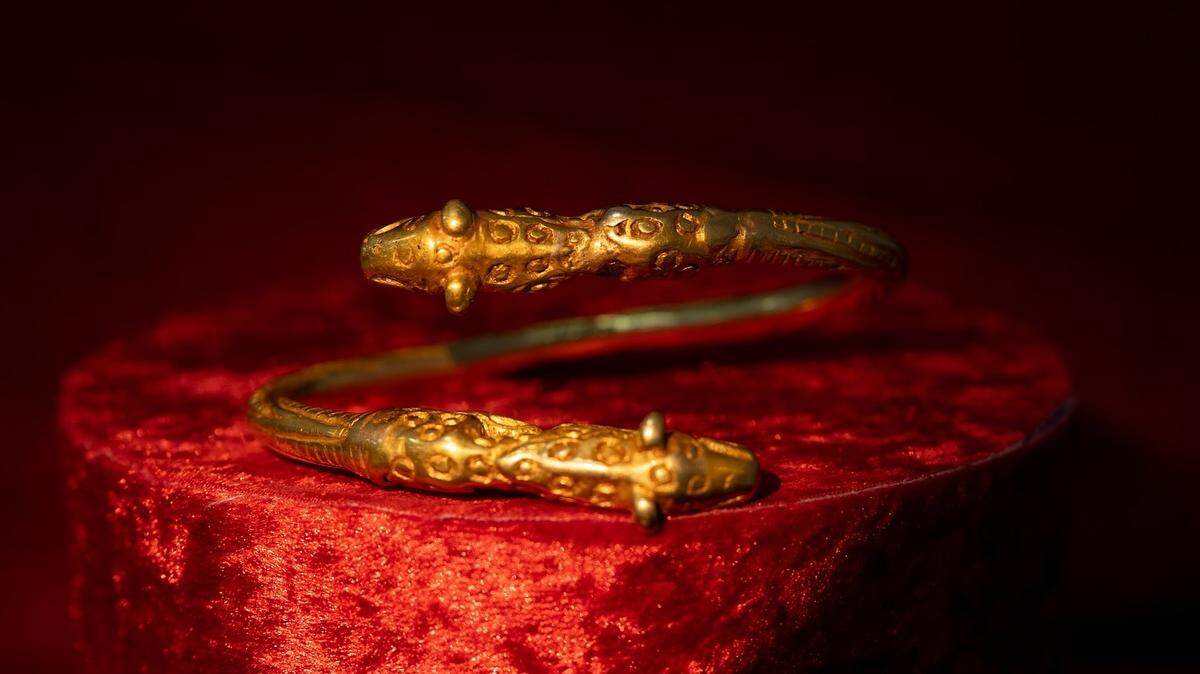
Archaeologists in Kazakhstan recently unearthed a pair of ancient burial mounds linked to a lost empire, officials said.
The mounds — which are filled with numerous ornate artifacts — were discovered in the country’s Atyrau region, which is located on the northern coast of the Caspian Sea, according to a Jan. 27 government news release.
The tombs were dated to the fifth century B.C., making them around 2,500 years old. They are believed to have been built by Sarmatians, a nomadic, horse-riding people who originated from modern-day Iran and expanded northward between the fourth and sixth centuries B.C., according to Britannica.
Kazakhstan’s Atyrau region had previously been thought of as the edge of the Sarmatian Empire, but the newfound discovery indicates it was far more central than once thought.
Trove of artifacts
Between the two mounds, archaeologists uncovered about 1,000 artifacts — including the skeletal remains of several dozen people. Some were buried alone, while others were found in collective graves.
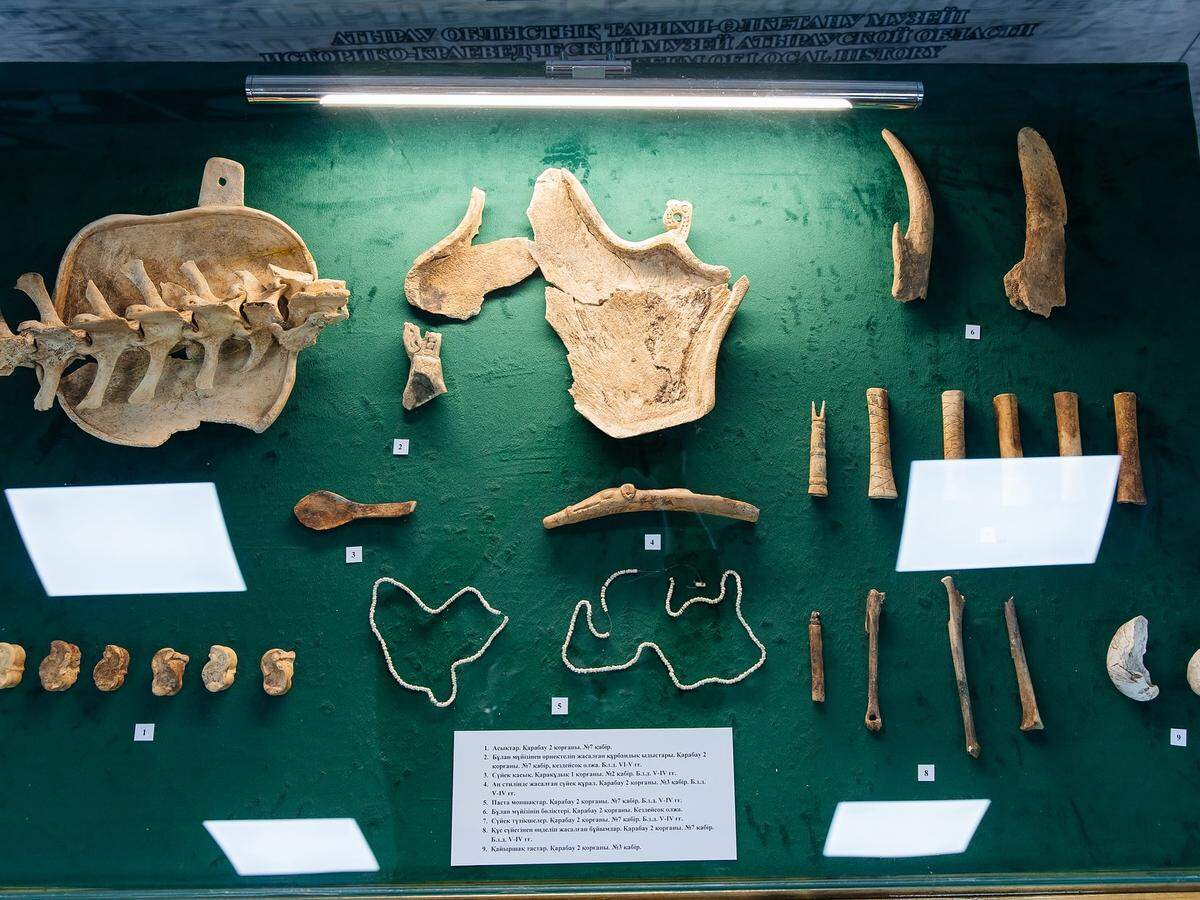
Among the more eye-catching finds were pieces of gold jewelry, the heaviest of which was a bracelet depicting mountain leopards. Other pieces portrayed wild boar, tigers and saiga antelope — which inhabited the region at the time. A drawing of a wolf was also found in one of the mounds.
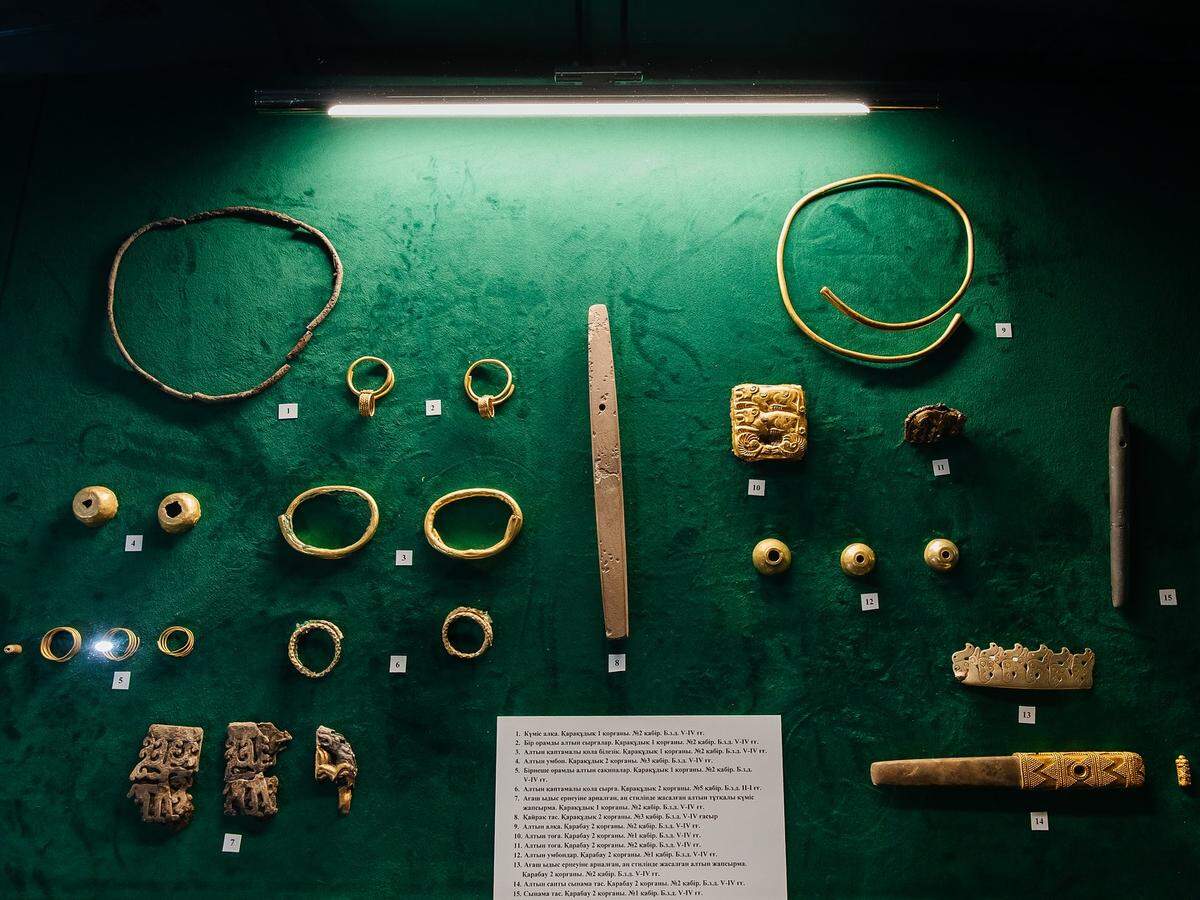
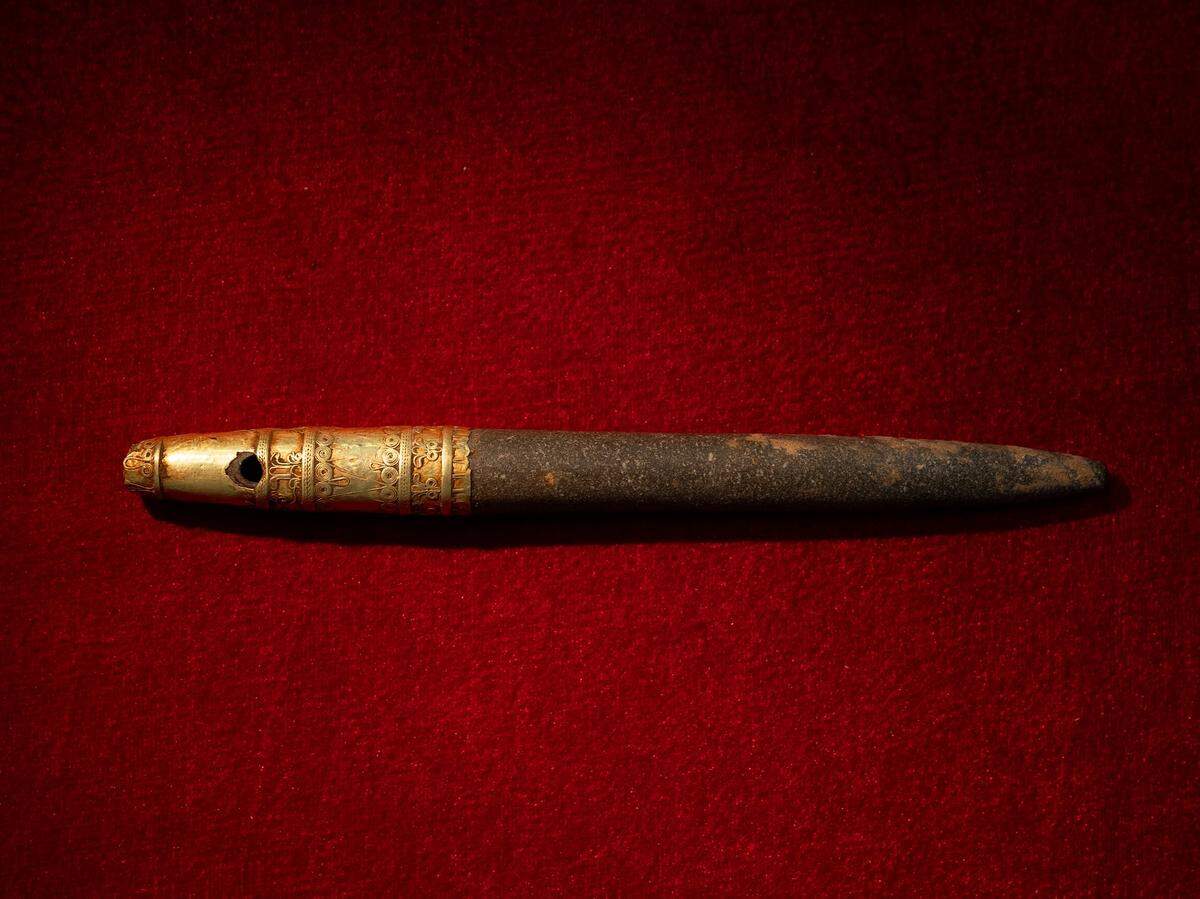
Additionally, a pair of “test stones” with golden handles were unearthed. These artifacts, which had not previously been documented in the country, were used to test the purity of gold.
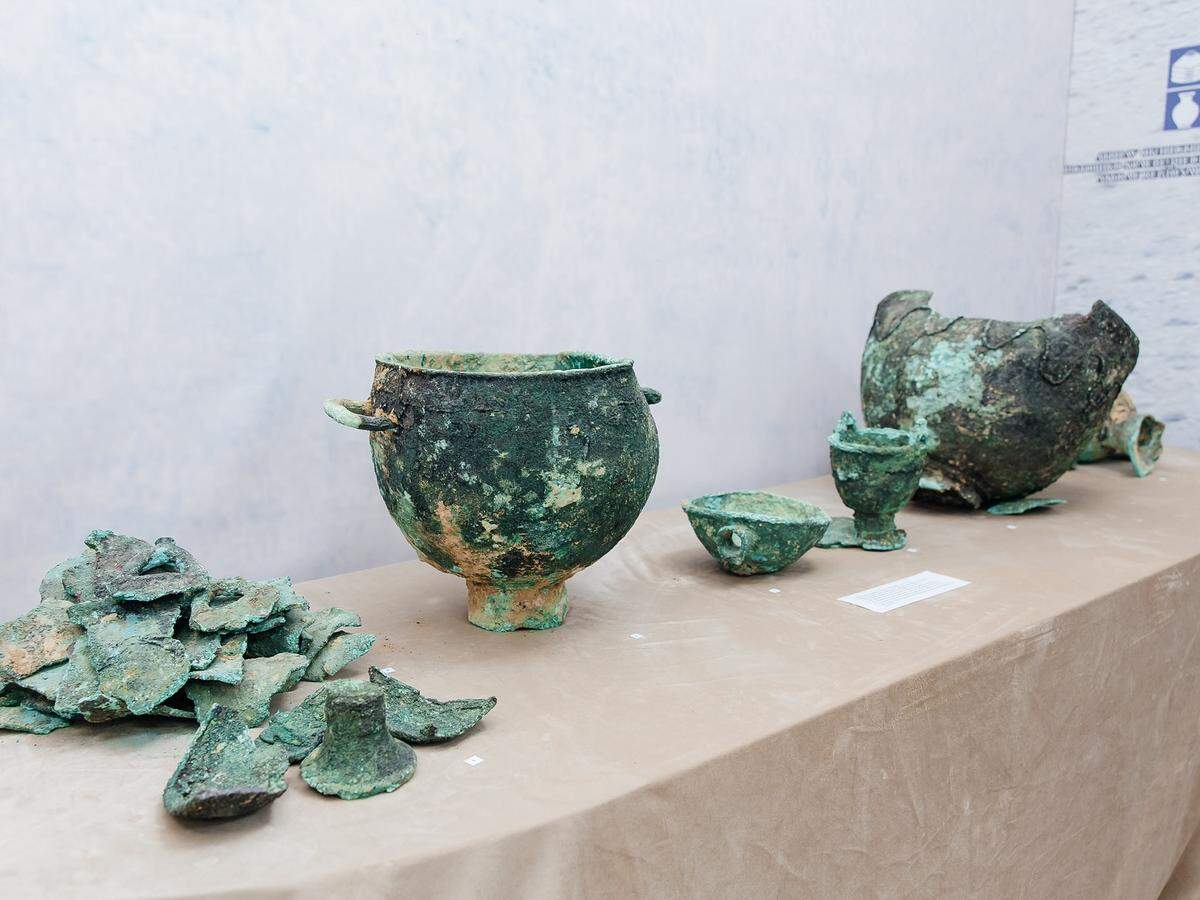
Bronze and iron weapons as well as household items — including two wooden cups and larger vessels — were found at the site as well.
Google Translate was used to translate a news release from the governor of the Atyrau region.
This story was originally published January 30, 2025 at 5:51 PM with the headline "2,500-year-old tombs hold treasure of lost empire in Kazakhstan. See ornate jewelry."