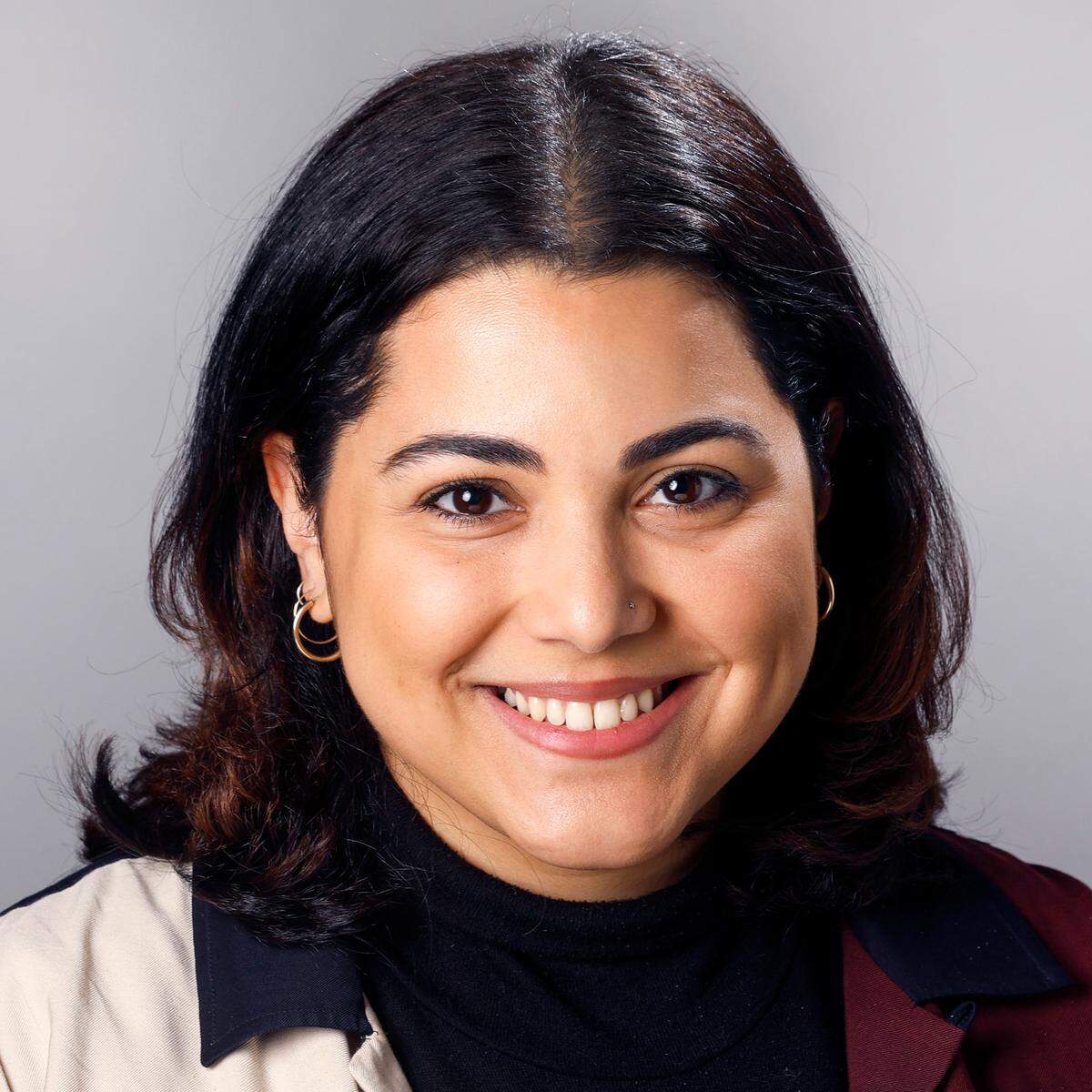
‘I’m more than just a number’: Raleigh ‘Dreamer’ Jocelyn Casanova on a decade of DACA
READ MORE
Living in legal limbo
It’s been 10 years since President Barack Obama signed the DACA (the Deferred Action for Childhood Arrivals program) executive order on June 15, 2012. Most of the young applicants are now adults, paying bills and taxes, many with children of their own. For some, the end of their legal protection is getting closer. And with decades of legislation aimed at this group on state and federal books, they now look to Congress for guidance on what comes next.
Expand All
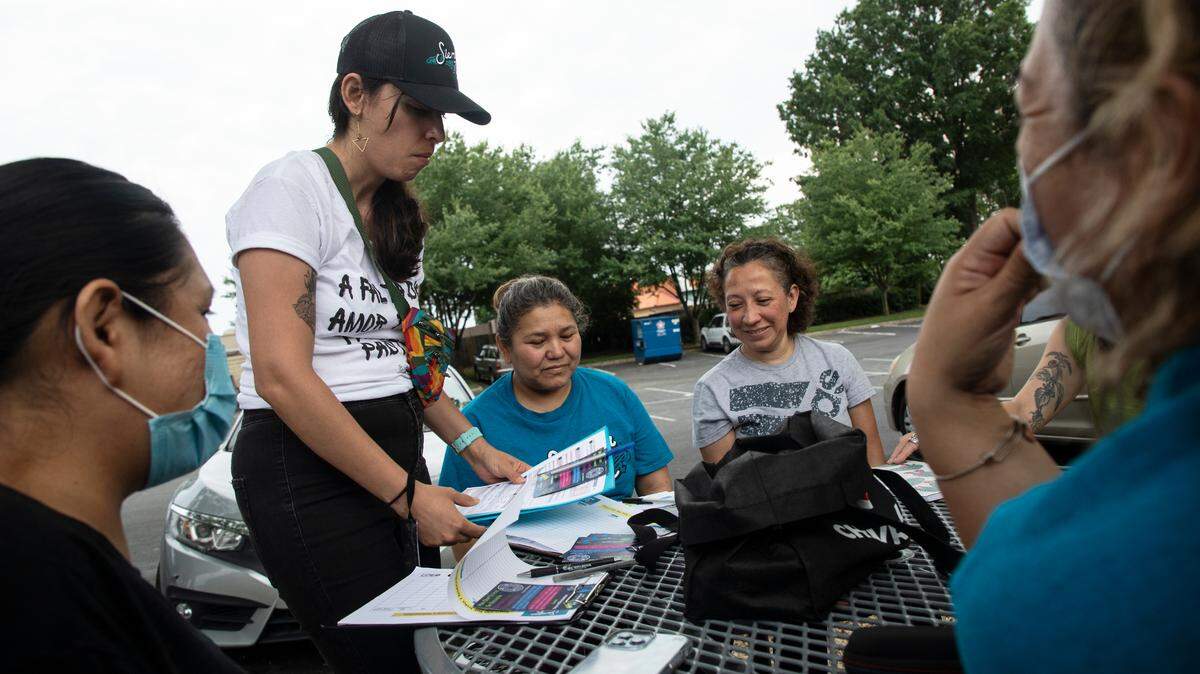
Immigrants who were brought as children to NC still look to Congress for change
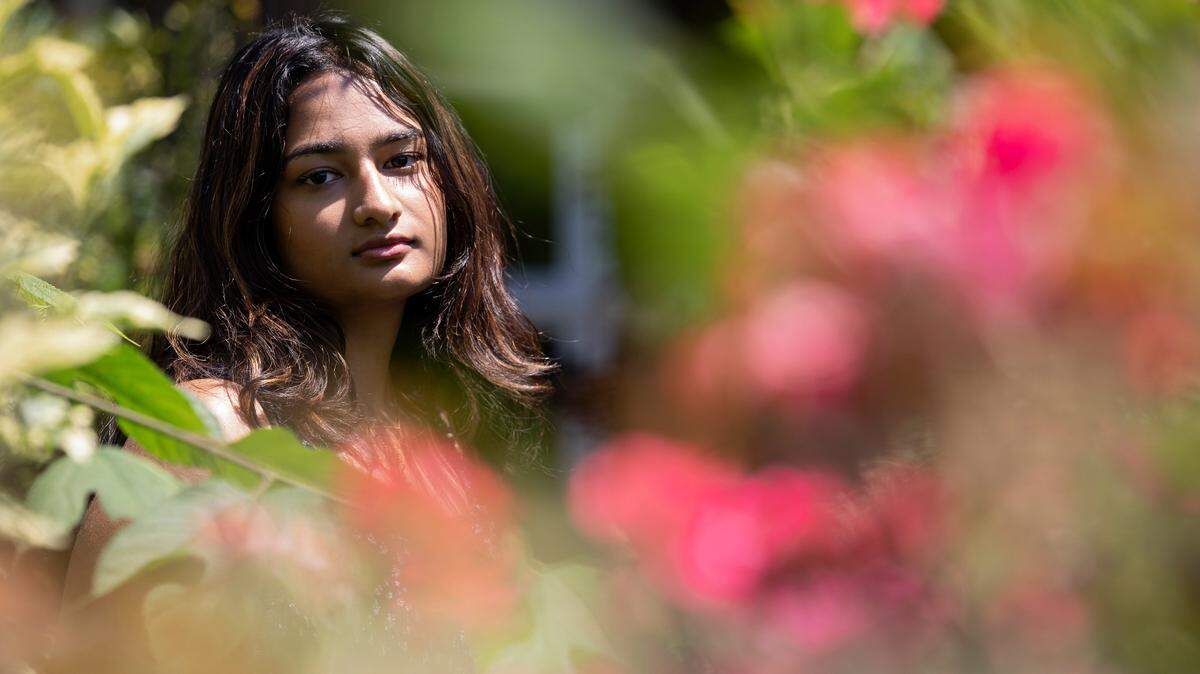
‘Trying to buy time.’ They’ve grown up here, but their visas are about to run out
What NC candidates say Congress should do about DACA and documented dreamers
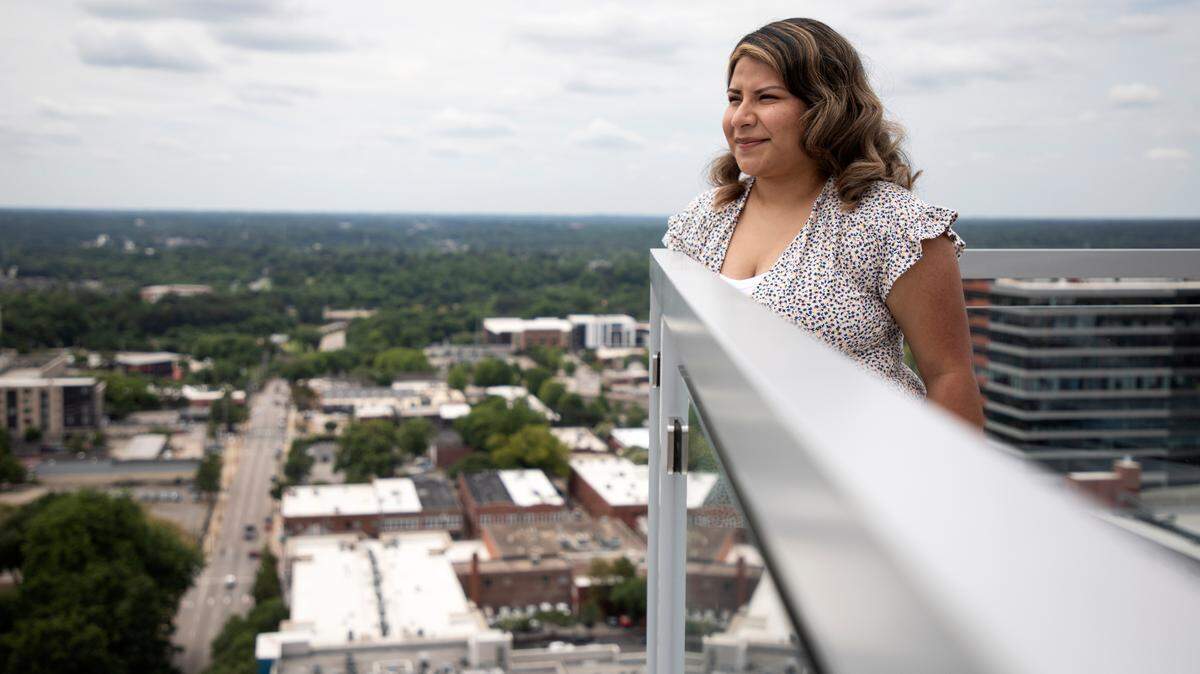
‘I’m more than just a number’: Raleigh ‘Dreamer’ Jocelyn Casanova on a decade of DACA
A timeline of state and federal laws, challenges to block and help DACA holders
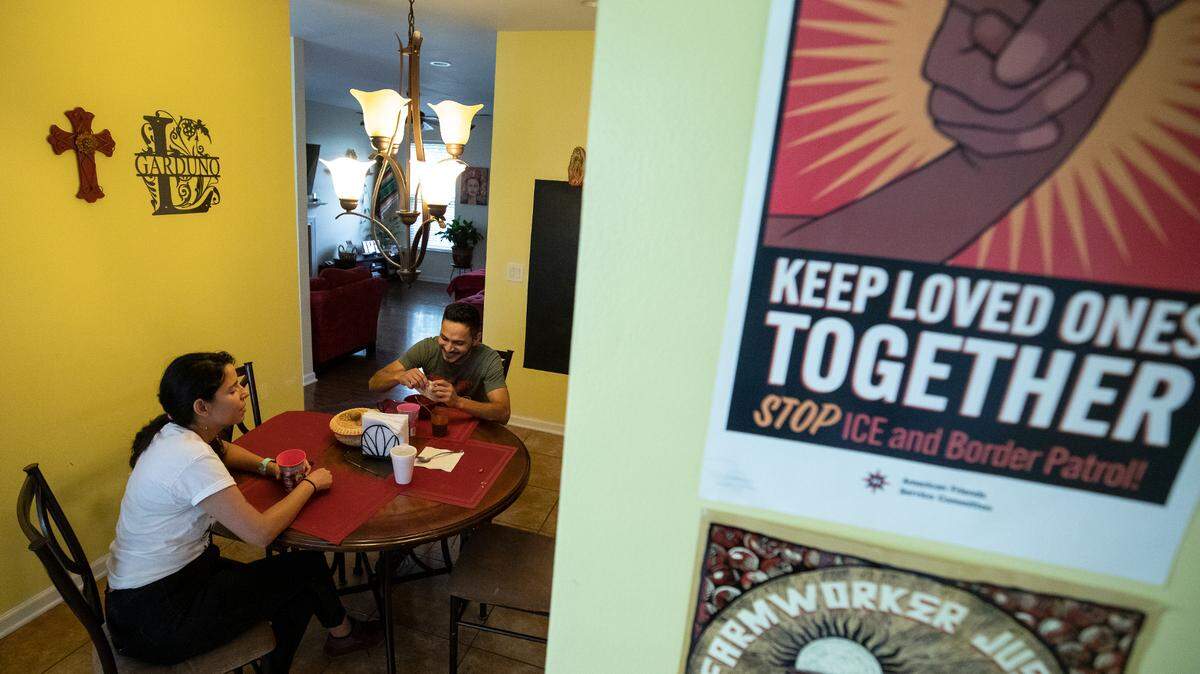
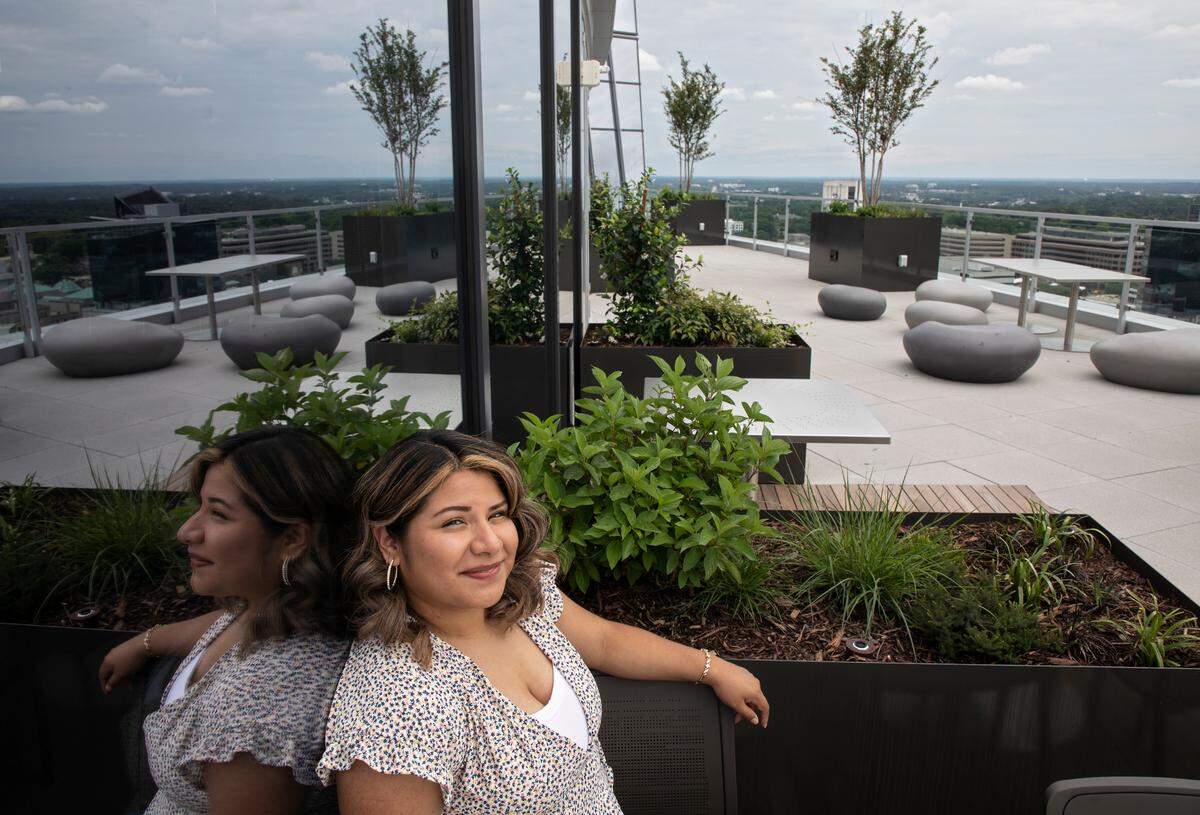
Jocelyn Casanova, 26, has lived in Raleigh since she was 4 years old. She crossed the U.S.-Mexico border with her parents through the Texas desert.
Today she is a software engineer at Pendo in downtown Raleigh. It’s a job she was able to accept through the Obama-era program known as Deferred Action for Childhood Arrivals, or DACA, which allows immigrants who were brought into the United States as children to legally work in the country.
Casanova spoke with The News & Observer about the moment she learned she was not a legal, permanent U.S. resident, when she applied for DACA, and her hopes for the future of the controversial immigration policy. The interview has been lightly edited for clarity and brevity.
‘I was undocumented’
“Growing up, I had lots of nightmares about being left behind in the desert, or just getting lost. I didn’t know what they meant, or what they were about until the day before my high school graduation — when I found out that I was undocumented.
“Everything kind of just made sense and clicked.
“I was applying to college: I was a straight-A student and president of many clubs in high school. But during a college interview, I got asked to provide my Social Security number.
“Up until that point, I had never been asked that. I had not had a job before or just didn’t really have a reason to provide [a Social Security number]. And I wasn’t able to provide one, unfortunately. The college recruiter told me that they weren’t able to accept me because of lack of legal documentation, but that once ‘I figured that out,’ to contact them again.
“I called my mom right away and asked her, ‘Hey, what’s a Social Security number, and where can I get that?’ She was like, ‘Oh, we’ll talk when you get home.’ And I’m like, ‘OK.’
“I got home, and she kind of explained everything to me, right then and there. That I wasn’t born here. That I was born in Veracruz, Mexico, and that they brought me over here at a young age, because we were very poor. The area we’re from has a lot of crime, violence and human trafficking, and my parents didn’t want to risk me going through that and wanted me to have a better opportunity.
“In that moment, I was not upset at them at all. I was super grateful for them. But at the same time, I felt like my whole world was ripped underneath me.
“Before that, my plan was to go to college. I had even gotten (partial) scholarships to some private universities. But I didn’t really know who to go to, how to go about the situation, and getting a loan was kind of out of the question based on the [financial] limitations that we had.
“DACA came out in 2012 and this was 2014, so I was able to apply.”
A permanent solution
“For the longest time, I was very apprehensive about telling others that I had DACA because I feared that they would look at me the wrong way. Or, you know, that I would really feel discriminated by them.
“I just wouldn’t tell anybody. It’s not something you could bring up easily in conversation and it’s, like, a very complicated issue to explain.
“When I have the opportunity to share my story, I do it because I want others to know that I’m more than just a number. And if anything, I want to keep contributing to this economy, to this place. So this is home.
“I’m not here to take anything away from anybody. I just I want to keep adding on to what’s already been built.
“Most of us, when we first apply for DACA, we’re kids, like, teens. And the majority of us are adults now, creating careers, or creating families, you know? Life is a lot different now than when we first started this whole process.
“It’s been 10 years — 10 years of chronic anxiety, not knowing if we’ll be able to stay here tomorrow.
“I hope and pray that we, at the very least, get some kind of permanent solution in the next year. And if not, an exact path of what it would look like [to become a citizen] or steps to follow to have a way to stay here.
“We want to continue to create a life here in America, and it’s very difficult with the limitations that we have. Some of us want to go to school, and it’s hard to pay for that. We can’t apply for federal aid. Others of us are trying to apply for house loans. And again, that’s also a limitation for us, and we can’t do that.
“They’ve seen us grown up throughout the years, you know, so I don’t know how much longer they expect to keep us in limbo.
“We’ve been proving ourselves for the last 10 years. And I think it’s only fair in time that we get some kind of solution.
“I think it’s super important for other people who have DACA to know that it’s OK to be yourself and that you shouldn’t be ashamed because DACA is a part of our history, our past, our present and our future.
“It’s still very difficult day by day, but know that you’re not alone because united, we’re strong. And one day, things will work out.”
This story was originally published June 15, 2022 at 6:00 AM with the headline "‘I’m more than just a number’: Raleigh ‘Dreamer’ Jocelyn Casanova on a decade of DACA."