From Lunsford Lane to Mama Dip, other notable figures in the Triangle’s Black history
READ MORE
The Triangle’s Black history
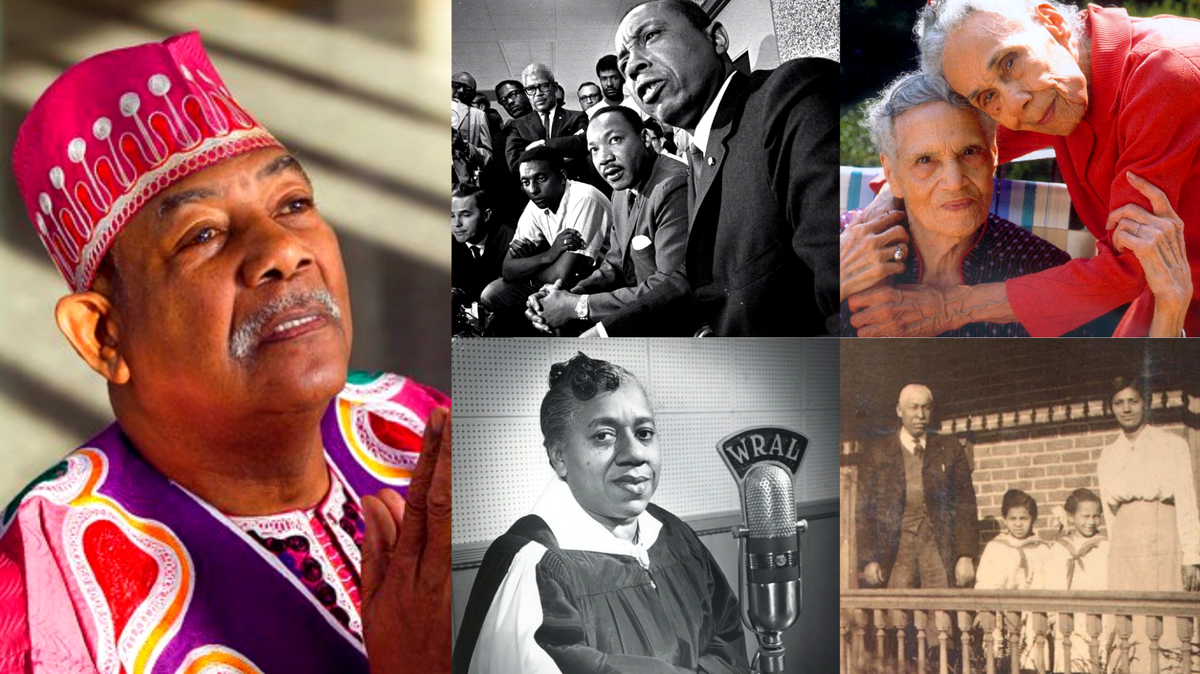
Black History Month is an opportunity to recall the people prominent in our past. It’s a way to recognize that their work, their contributions and their very existence are woven tightly into the tattered-but-intact American tapestry. Here are six stories — some familiar, others not as well known — of people in the Triangle who made a difference.
Expand All
There are so many Black historic figures from the Triangle that no list could ever be complete. But these are some other notable names.
Julian Francis Abele
Abele was the principal designer in the Philadelphia architectural offices of Horace Trumbauer during the Gilded Age. He was the primary designer of more than 30 buildings on Duke University’s neo-Gothic West Campus and many on the Georgian style East Campus, including Duke Chapel, the library, medical school and football stadium. Elsewhere in the nation, he worked on more than 400 buildings including libraries at Harvard University and for the city of Philadelphia, and the Philadelphia Museum of Art. To recognize his contributions, Duke renamed the section of campus that includes the original academic and residential buildings “Abele Quad.”
Ella Baker
She graduated as valedictorian from Shaw University and spent decades in civil rights work, but Baker is best known for returning to Shaw in her late 50s and organizing a conference of young leaders from the burgeoning sit-in movement. From that conference, the Student Nonviolent Coordinating Committee, or SNCC, was born, bringing youth, women and fresh faces into the civil rights movement.
Bill and Ralph Campbell
At age 7, Bill Campbell started classes at Murphey Elementary, the first Black student at an all-white Raleigh school. His family faced harassment and threats throughout, but he graduated and would became mayor of Atlanta, serving while the city hosted the 1996 Summer Olympics. Campbell’s political career would end with his conviction on tax evasion charges in 2006. Meanwhile, his older brother Ralph, a longtime civil rights activist, would win election to Raleigh City Council and later become North Carolina auditor — the first Black candidate to win state office in North Carolina.
Rev. Benjamin F. Chavis Jr.
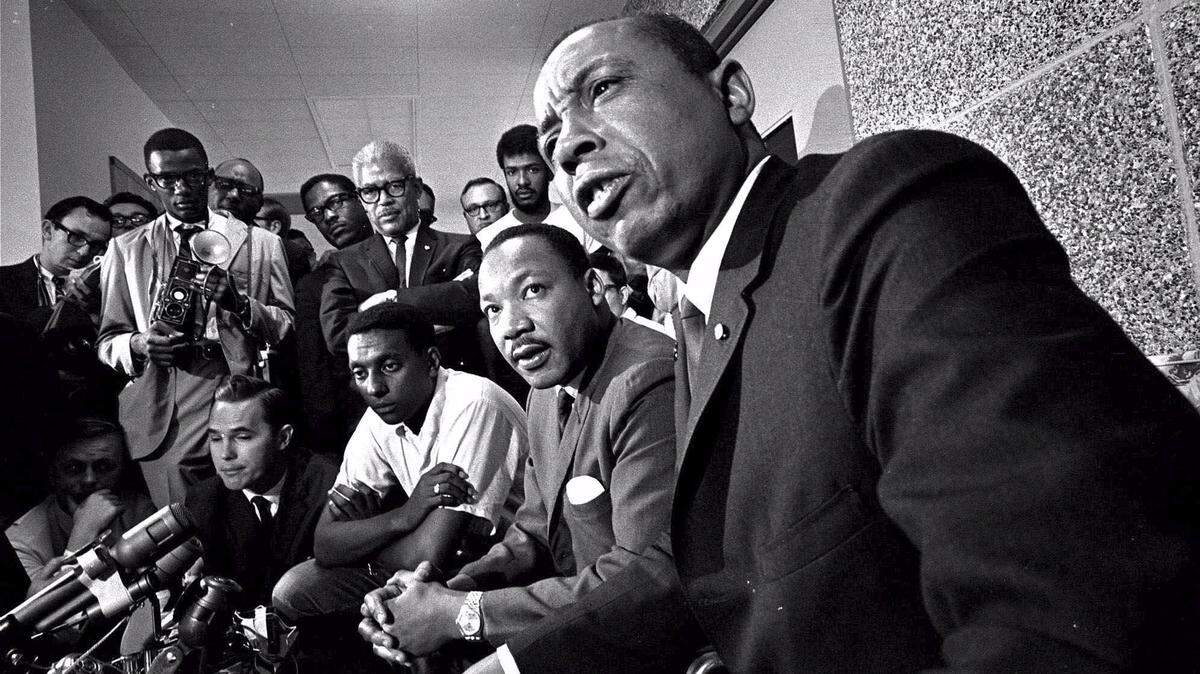
Ben Chavis, a native of Oxford, is a businessman, chemist, columnist, civil rights advocate and theologian who is the president and CEO of the National Newspaper Publishers Association. In 1963 he was a North Carolina youth coordinator for the Rev. Martin Luther King Jr. and the Southern Christian Leadership Conference. He was arrested as part of the Wilmington 10 in 1971, wrongfully convicted the next year and sentenced to 34 years in prison, during which time he was declared a political prisoner by Amnesty International. Chavis was the last of the group to be paroled, in 1979, and was pardoned in 2013.
Rebecca Clark
Clark was orphaned at a young age and eventually settled in with a relative, Rosa Hawkins, in Chapel Hill. She planned to attend Tuskegee Institute, but was derailed by a bout of appendicitis and accompanying medical bills. She worked in UNC professors’ homes, then in the campus laundry, where she became a staunch advocate for low-wage public workers in the 1940s, as well as voting rights, according to the Chapel Hill Historical Society.
Anna J. Cooper
Born a slave in Raleigh, Cooper excelled in academics, first at what would become St. Augustine’s College and then as a doctoral student at the Sorbonne in Paris, where she became only the fourth Black woman to earn such an advanced degree. As a teacher and activist, she wrote “A Voice from the South,” considered among the first works of Black feminism.
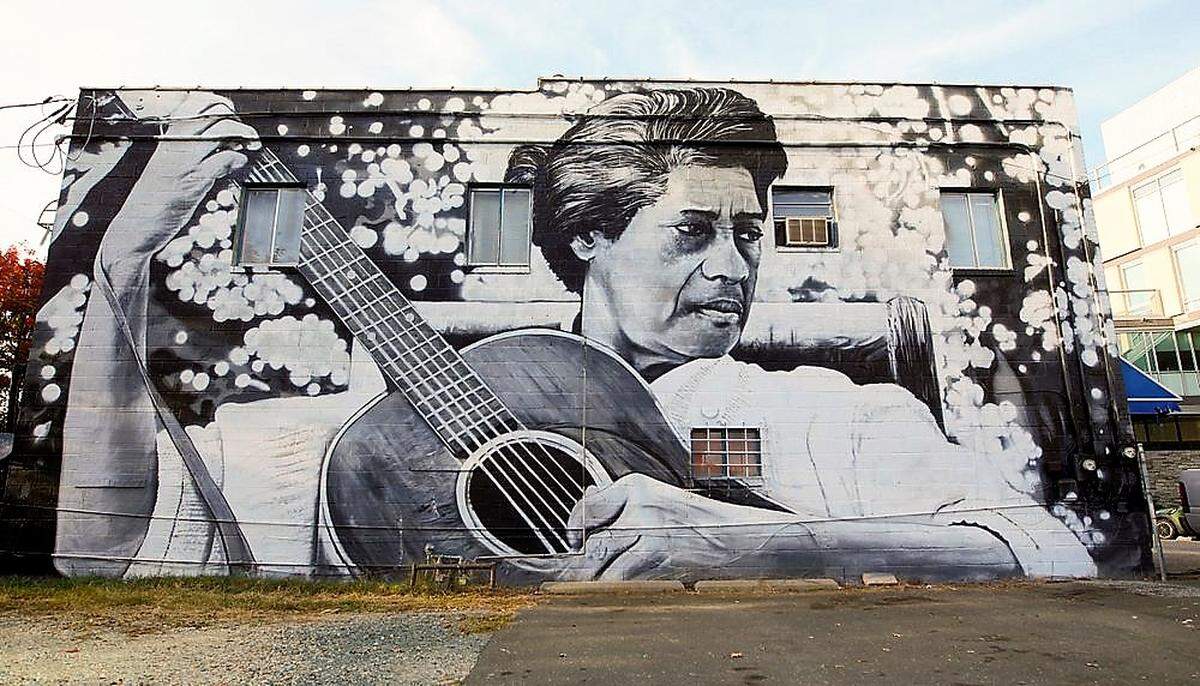
Libba Cotten
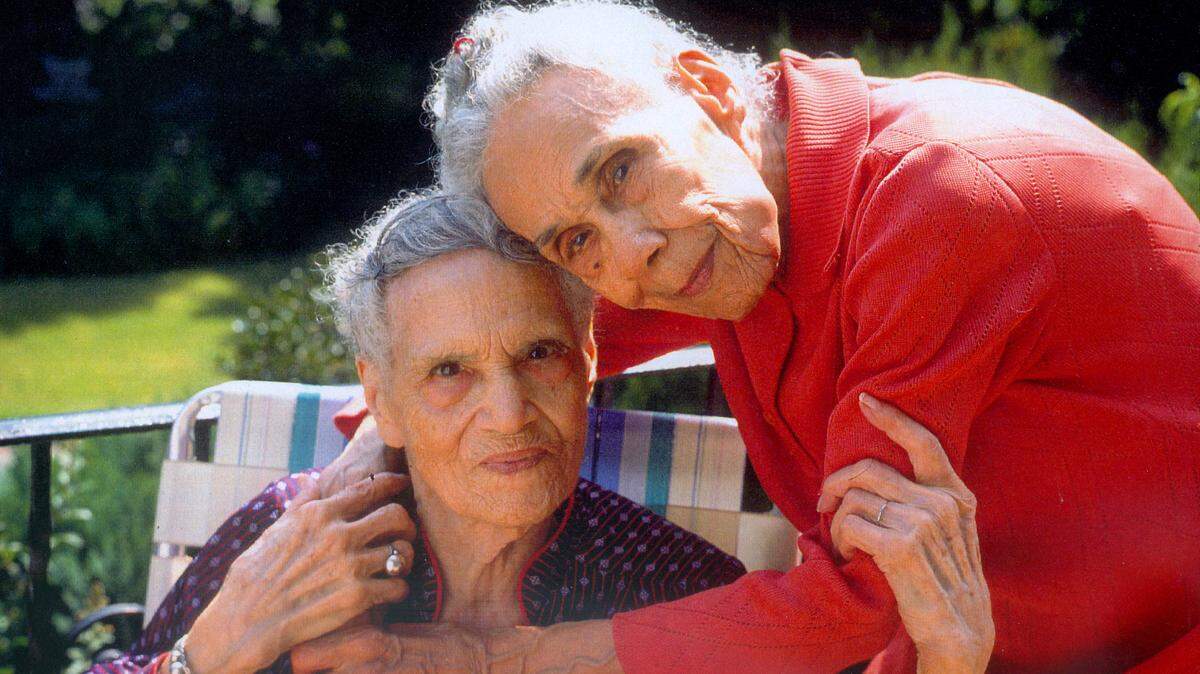
Cotten started picking a guitar as an 8-year-old girl in Carrboro, famously cradling it upside-down as a left-handed player. Her unique style became known as “Cotten picking,” in which she played the melody with her thumb. She was discovered much later in life, celebrated as a key figure in the 1960s folk revival and found her way to the stage at Carnegie Hall.
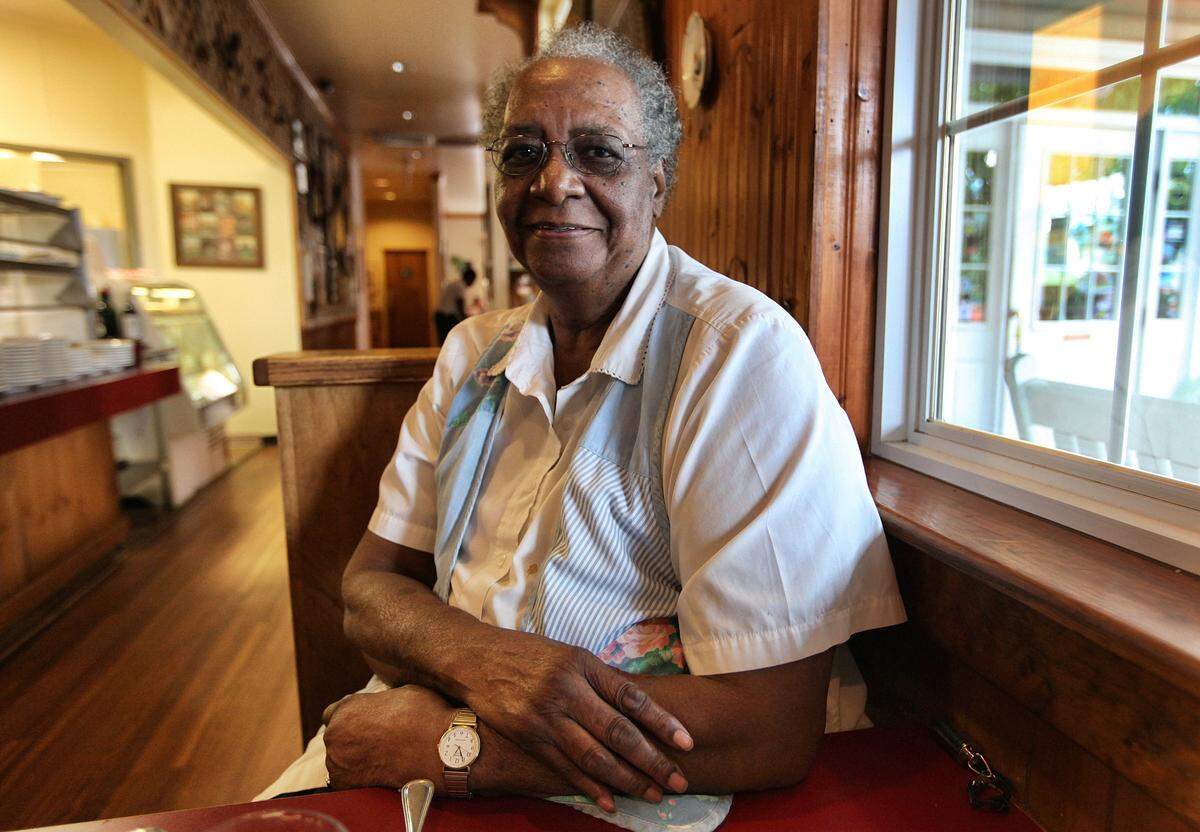
Mildred Cotton ‘Mama Dip’ Council
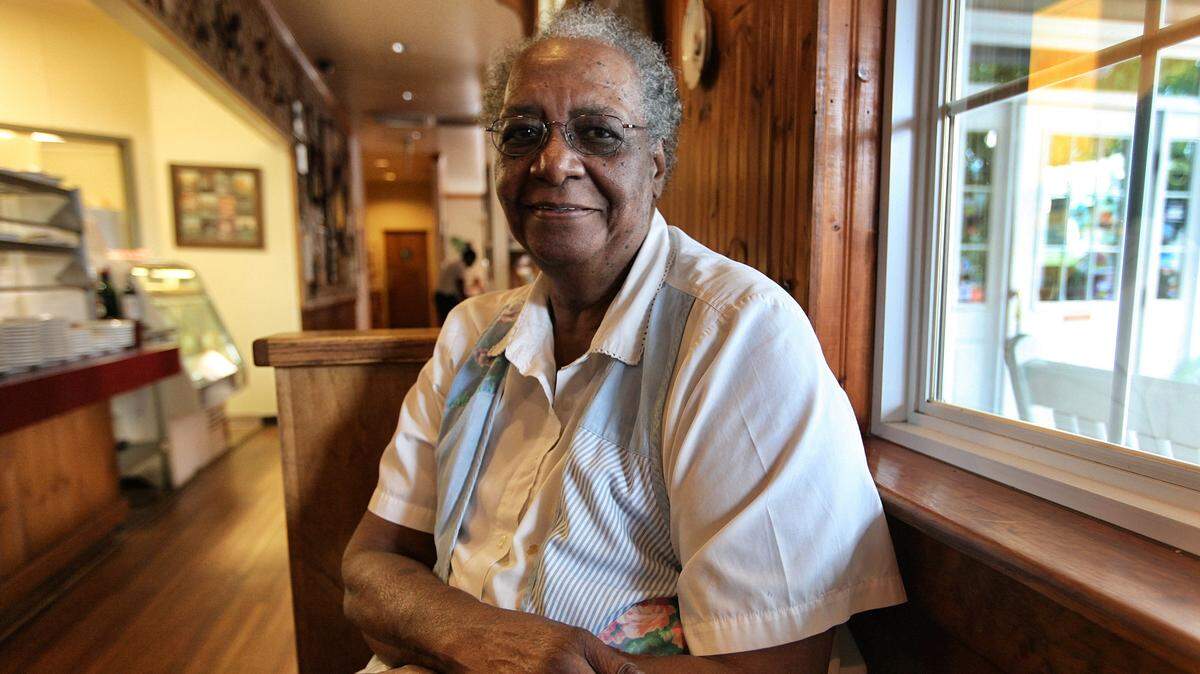
Most people called Council “Mama Dip,” the nickname that graced the Chapel Hill restaurant where she found fame as an icon of Southern cooking. Her diner found so much success that she started a line of cornbread mix and barbecue sauce, and had both NBA stars Michael Jordan and James Worthy as regular customers in their Tar Heel days. President George W. Bush once invited her to the White House.
Phil Freelon
Architect Freelon is best known for leading the team that designed the Smithsonian Institution’s National Museum of African American History and Culture. Born in Philadelphia, he was a 1975 graduate of N.C. State University. He moved to Durham in 1990 and opened the Freelon Group, whose architects worked on buildings in North Carolina and across the country. Freelon believed that architecture is art, and that all buildings and those who inhabit them deserve good design. He also worked on the Durham Bulls Athletic Park and Terminal 2 of RDU International Airport. He was married to jazz artist Nnenna Pierce Freelon.
Marian Lovette Cheek Jackson
Jackson, born in 1925 in Chapel Hill, was a community activist in the predominantly Black Northside neighborhood. Her father, Kennon Cheek, helped start a local school for Black children and launched the Janitorial Association at UNC in 1939 to improve working conditions. Her grandfather, Rubin Cheek, was a former slave and mason who came to Chapel Hill from Warren County after emancipation and helped build the stone wall around campus. Marian Jackson was named a Town Treasure by the Chapel Hill Historical Society. The Marian Cheek Jackson Center for Saving and Making History is named for her.
Elizabeth Hobbs Keckly
Keckly (sometimes spelled Keckley) was born a slave in Virginia in 1818, while her mother was owned by Col. Armistead Burwell. She was brought to Hillsborough as the property of Burwell’s daughter, her own half-sister. She was later taken back to Virginia and then to St. Louis, where she raised $1,200 to buy freedom for herself and her son in 1855 largely by sewing. In 1860 she moved to Washington, where her dressmaking skills eventually gained her an introduction to Mary Todd Lincoln. She became the first lady’s couturier and confidante, though the friendship was later strained by a memoir Keckly wrote of her time in the White House.
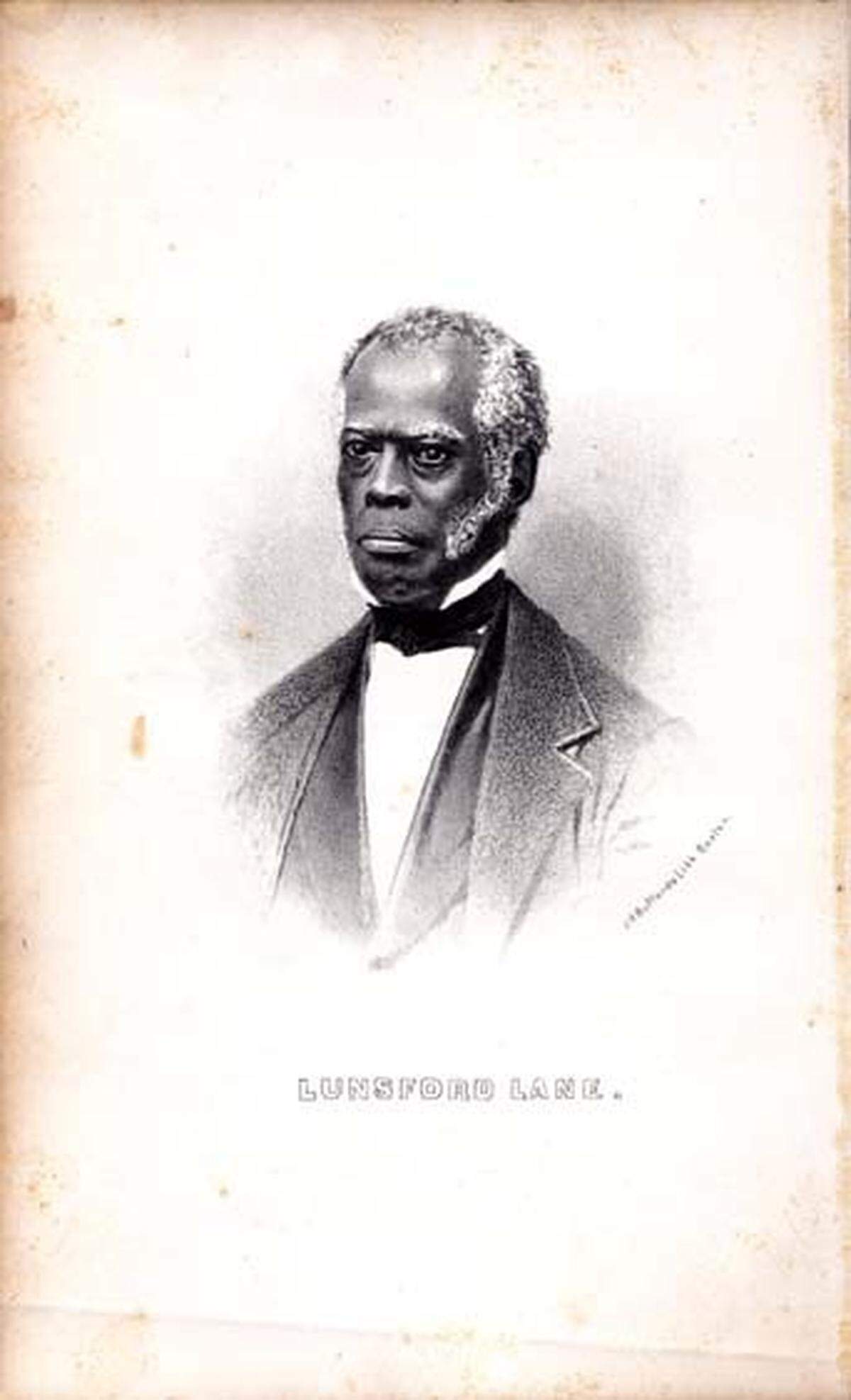
Lunsford Lane
A Raleigh slave, Lane bought his freedom by slowly saving $1,000 doing odd jobs, including selling clay pipes to members of the General Assembly. He described his life in “Narrative,” an 1842 memoir, which told of fleeing to New York because a judge would not validate his freedom, and of returning to free his family, only to be tarred and feathered. He became known for his abolitionist speeches.
Howard Nathaniel Lee
When Lee was elected in 1969, he became the first Black mayor of Chapel Hill – and the first Black mayor of any predominantly white Southern city – serving three terms. He was secretary of natural resources under then-Gov. Jim Hunt, overseeing the launch of the Mountains-to-Sea Trail. An entrepreneur, educator and author, he was elected in 1990 to the state Senate, where he served 13 years and fought for education reform.
Clarence Lightner
Lightner came from a prominent family in Raleigh, and his father Calvin ran unsuccessfully for City Council in 1919 when the city was rigidly segregated — joining a ticket of all-Black candidates. Lightner became politically active as part of the “Oval Table Gang,” a group of activists working to desegregate schools and promote Black candidates. Then in 1973, he won the Raleigh mayor’s race and became the first Black official to lead a major Southern city.
Alexander Manly
Alex Manly and his brother Frank published the state’s only Black-owned newspaper, the Wilmington Daily Record, beginning in 1895. Alex Manly wrote editorials advocating for Black civil rights, improved city infrastructure and health care services. Manly and his paper were targeted by a race-baited mob during the 1898 coup in the city in which white supremacists overthrew an elected government that included Black officials. The Manlys fled town, and the newspaper office and printing press were destroyed. Alex Manly was born in Raleigh, and the Johnston County Heritage Center says Manly’s parents, who had been slaves of Gov. Charles Manly, had a small farm outside Selma from 1886 to 1901.
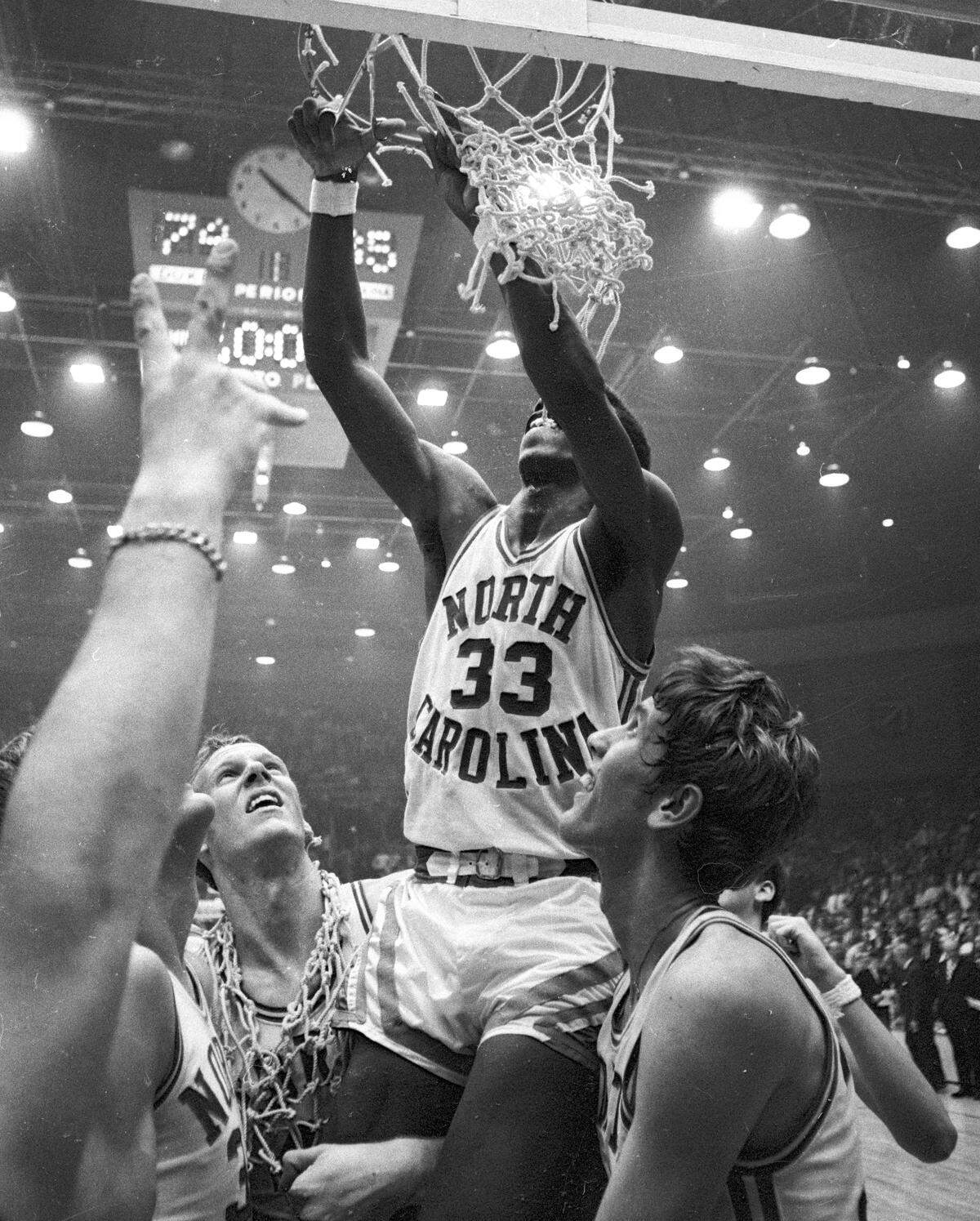
Charlie Scott
Scott was the first Black scholarship athlete to play at UNC-Chapel Hill, where he took the Tar Heels to a pair of Final Four appearances and was twice named an All-American. Mentored by Hall of Fame Coach Dean Smith, Scott would go on to earn a gold medal in the Olympics and play a Hall of Fame career in the NBA.
James E. Shepard
Shepard was a Raleigh native who became a successful pharmacist and educator. He established the National Religious Training School and Chautauquar for the Colored Race in Durham in 1910. The school went through several name changes and mission revamps before Shepard successfully lobbied the state legislature to fund the school. It would eventually became N.C. Central University, North Carolina’s first state-funded liberal arts college for Blacks. A library on the NCCU campus and a middle school in Durham also bear his name.
Billy ‘Sweet Pea’ Strayhorn
Born in Ohio to parents who were natives of Hillsborough, Strayhorn spent time during his formative years visiting his grandparents’ home and picking out popular songs on his grandmother’s piano. In 1938, he began a musical partnership with jazz band director and pianist Duke Ellington that would last nearly three decades and produce a library of jazz standards, including “Take the A Train” and “Lush Life.” Stayhorn composed lyrics and music, played piano and arranged for Ellington’s band.
This story was originally published February 20, 2022 at 6:00 AM with the headline "From Lunsford Lane to Mama Dip, other notable figures in the Triangle’s Black history."