The Delany sisters: Famous at 100, they had their say about overcoming Raleigh’s Jim Crow
READ MORE
The Triangle’s Black history
Black History Month is an opportunity to recall the people prominent in our past. It’s a way to recognize that their work, their contributions and their very existence are woven tightly into the tattered-but-intact American tapestry. Here are six stories — some familiar, others not as well known — of people in the Triangle who made a difference.
Expand All
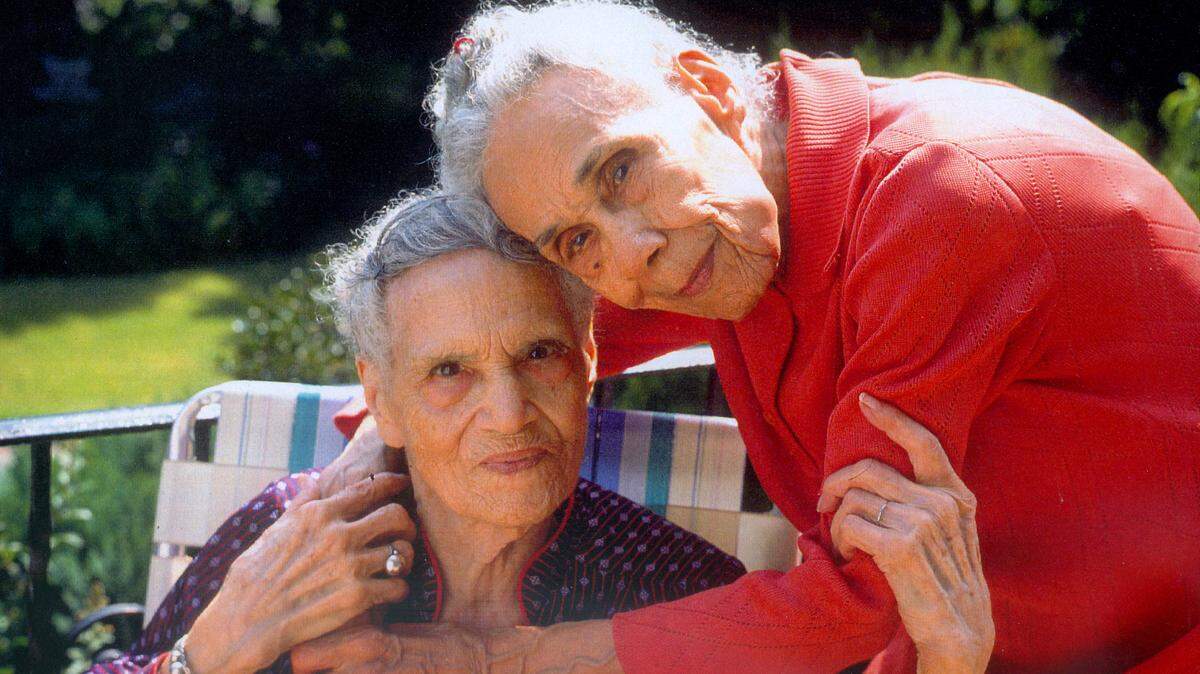
When the world first met Sadie and Bessie Delany, they had both passed 100 — two inseparable sisters from Raleigh who still held hands when they walked together.
For their television interviews, they sat side-by-side, elegant bookends with their shirts buttoned to the collar, narrating a century of history through the eyes of young Black girls — their spunk still intact.
“If I don’t like anything I’ll look you right in the eye and say, “I don’t think that’s so,’ “ Bessie Delany told CBS interviewer Charles Kuralt in 1993. “And that’s it.”
By seeing the Delanys, nationwide audiences saw girls who witnessed the dawn of Jim Crow before they turned 10 — forced to the back of the Pullen Park trolley, refused service at Raleigh drug stores when they tried to buy limeade.
And they saw sisters who declined to follow the path chosen for women of their race: marriage, children, a life spent cleaning white people’s houses.
Instead, the Delanys chose to pursue Ivy League educations, relocate to New York, become a doctor and high school teacher — staying companions throughout.
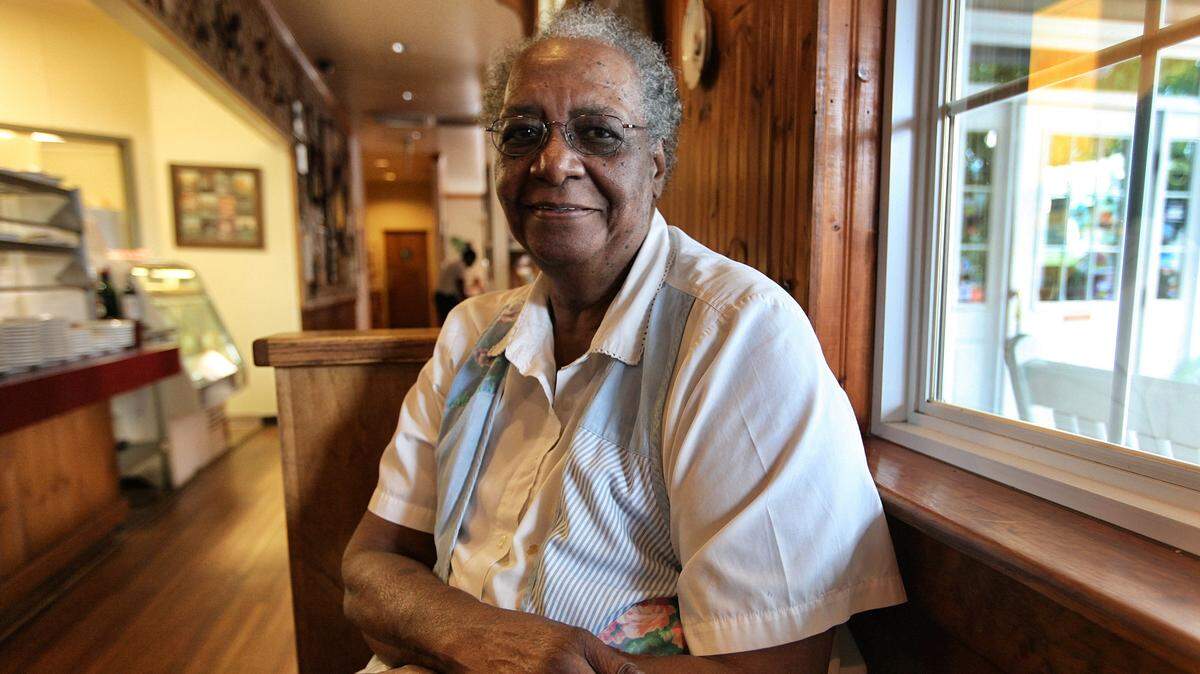
“I think they had great convictions,” said their grandniece, Esther Delany in Raleigh. “Their mother told them they had to choose between getting married and having children or having a career.”
‘Having Our Say’
Their story first appeared in the New York Times, then as a best-selling 1993 book “Having Our Say,” which they co-wrote with the Times reporter Amy Hill Hearth.
Before long, they sat together for interviews with Kuralt or the “MacNeil Lehrer Report,” then saw their story adapted for Broadway plays and a TV movie starring Ruby Dee.
“If I had a pet buzzard I’d treat him better than the way some white folks treated me!” said Bessie Delany in one of the book’s chapters. “There ain’t a Negro this side of Glory who doesn’t know exactly what I mean.”
In Raleigh, the Delany sisters were already well-known — part of a distinctive family known for breaking barriers.
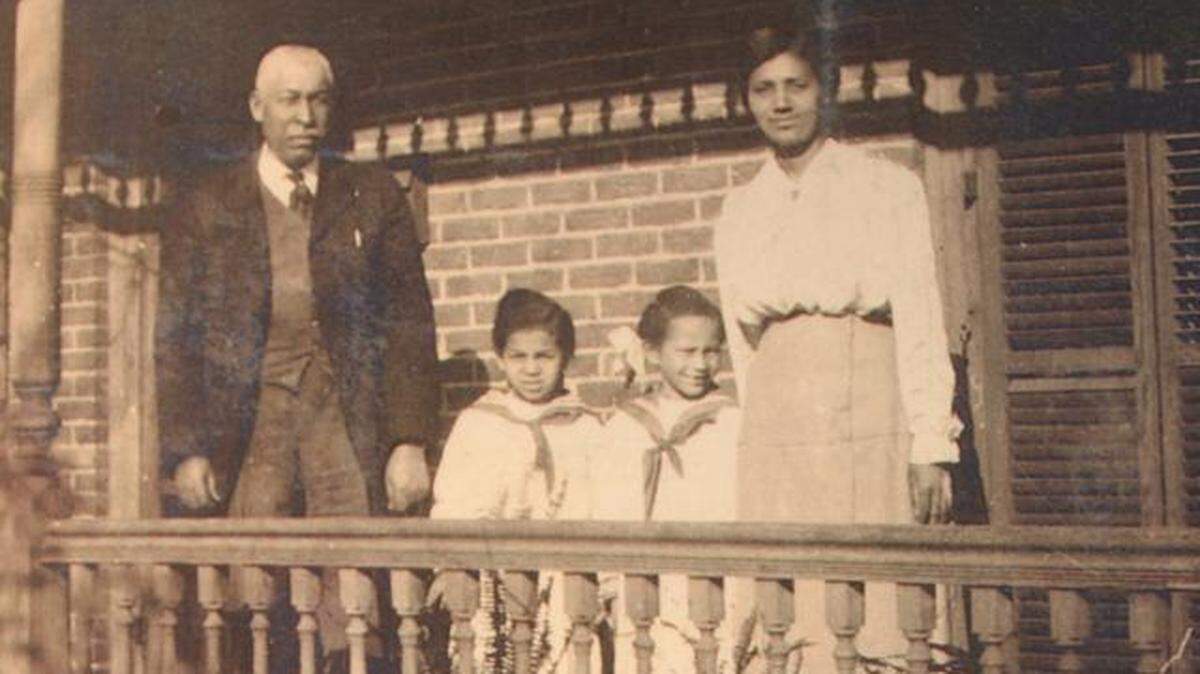
Their father, Henry Beard Delany, lived as a slave until age 7. But he finished a degree at St. Augustine’s College, taught there for decades and built the campus chapel and St. Agnes’ Hospital — the skeleton of which still stands on Oakwood Avenue.
Their mother, Nannie Delany, had been class valedictorian at St. Aug’s, and all 10 of the Delany children earned college degrees, a rarity for Blacks or whites of the era.
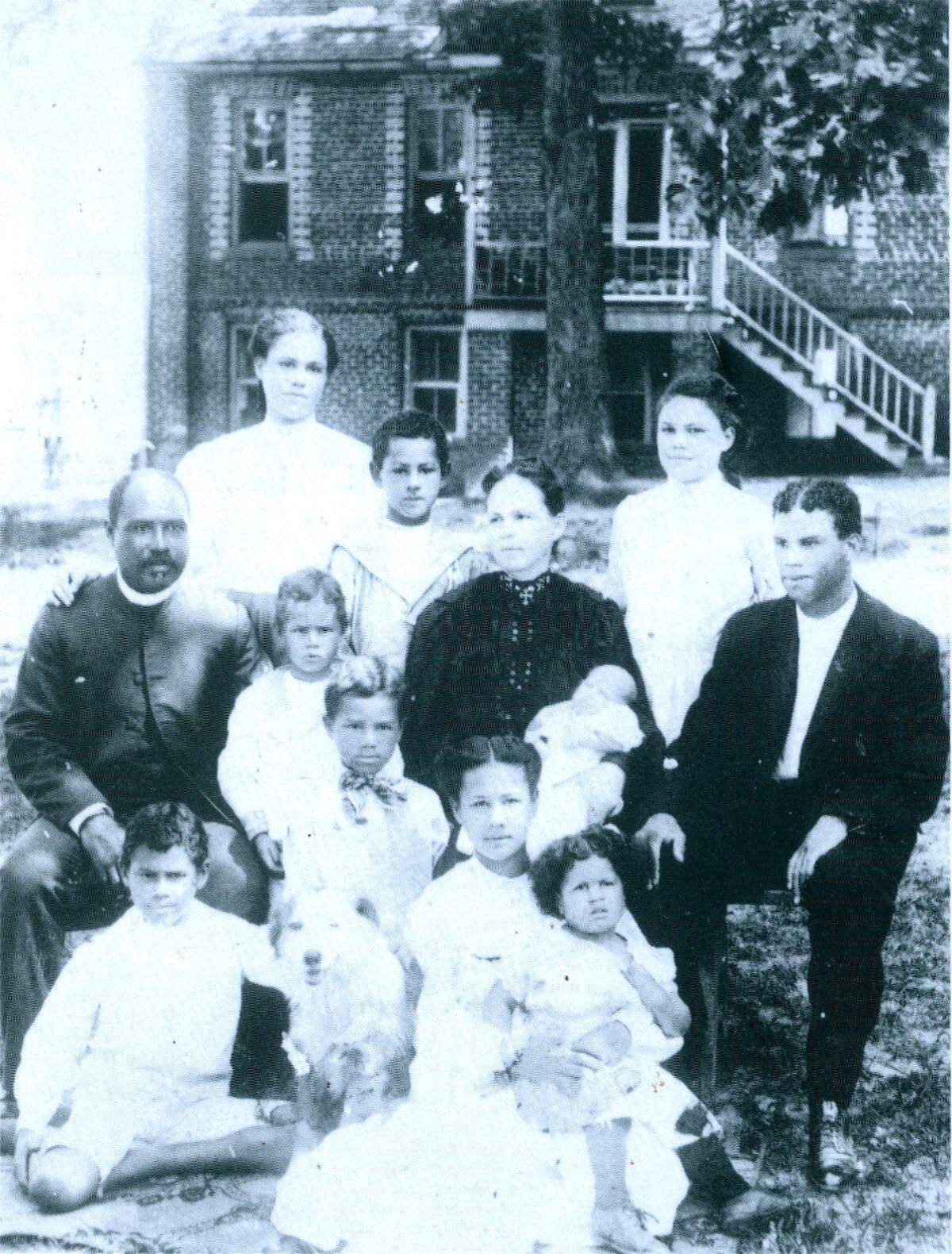
The sisters grew up sheltered on the St. Aug’s campus, unable to leave without a chaperone because their father feared for their safety in a city full of “rebby boys,” the sisters’ nickname for racist white men.
“Powerful white people were getting more and more nervous with the way colored people, after the Civil War, were beginning to get their piece of the pie,” the sisters explained in “Having Our Say.”
‘What you learned in Raleigh’
But relocated to Harlem, they rubbed noses with Duke Ellington and Lena Horne thanks to their brother Hubert — a lawyer and civil rights giant.
They found success in New York, though never an escape from the prejudice they fled in Raleigh.
Still, in following the family example, they refused to let bias hem them in.
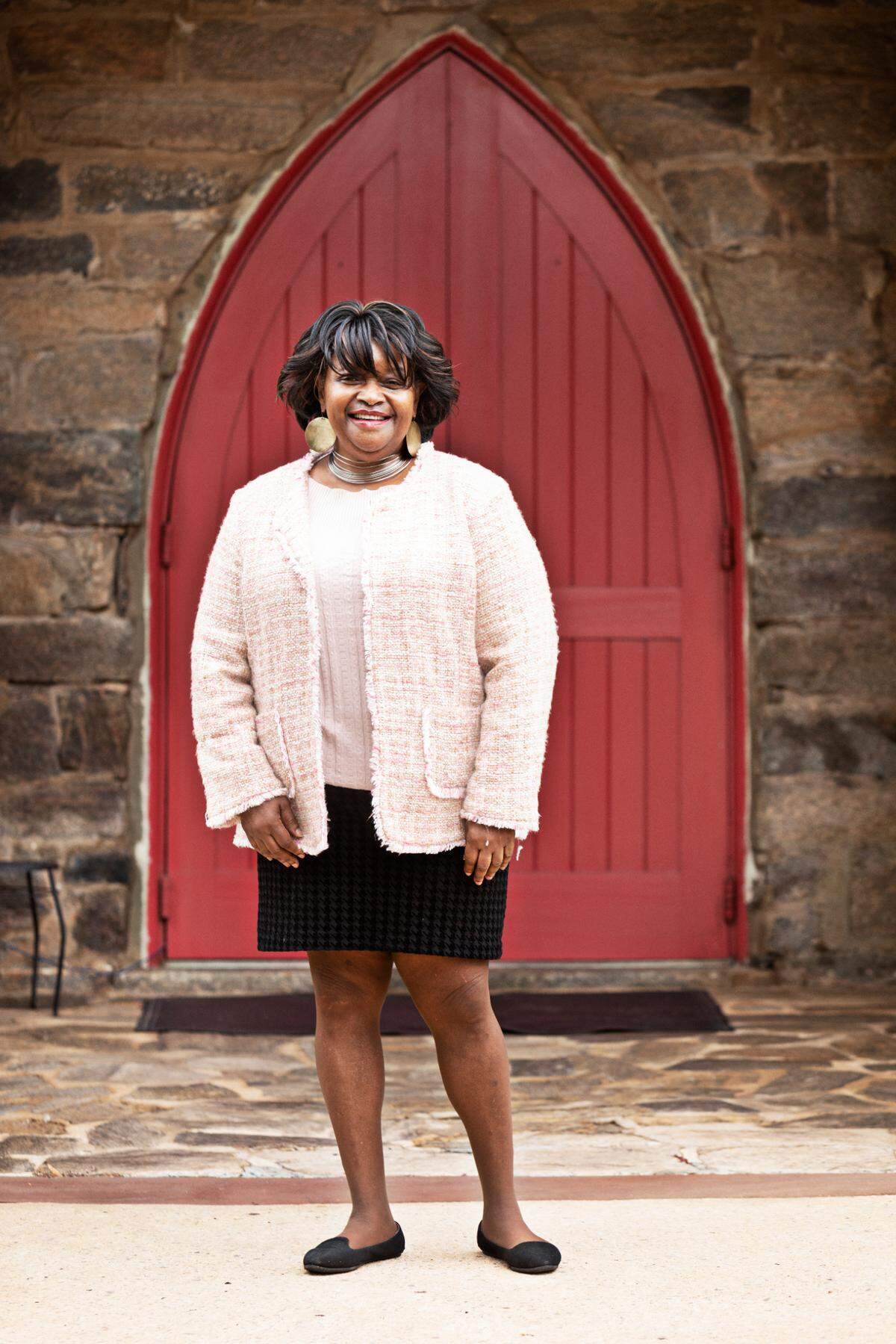
When Octavia Rainey, a Southeast Raleigh activist and St. Aug’s graduate, passes campus, she thinks of the former slave who helped build it while raising 10 successful children.
“This community is full of courageousness,” she said. “To leave a safe place and go somewhere else, you look at what you learned in Raleigh and you take that with you.”
News & Observer readers: Click here to read the next story in this series on Sister Mabel Gary Philpot.
Durham Herald-Sun readers: Click here to read the next story in this series on Sister Mabel Gary Philpot.
This story was originally published February 20, 2022 at 6:00 AM with the headline "The Delany sisters: Famous at 100, they had their say about overcoming Raleigh’s Jim Crow."