Manassa Pope: When only 7 Black people could vote, he ran for Raleigh mayor ‘to be heard’
READ MORE
The Triangle’s Black history
Black History Month is an opportunity to recall the people prominent in our past. It’s a way to recognize that their work, their contributions and their very existence are woven tightly into the tattered-but-intact American tapestry. Here are six stories — some familiar, others not as well known — of people in the Triangle who made a difference.
Expand All
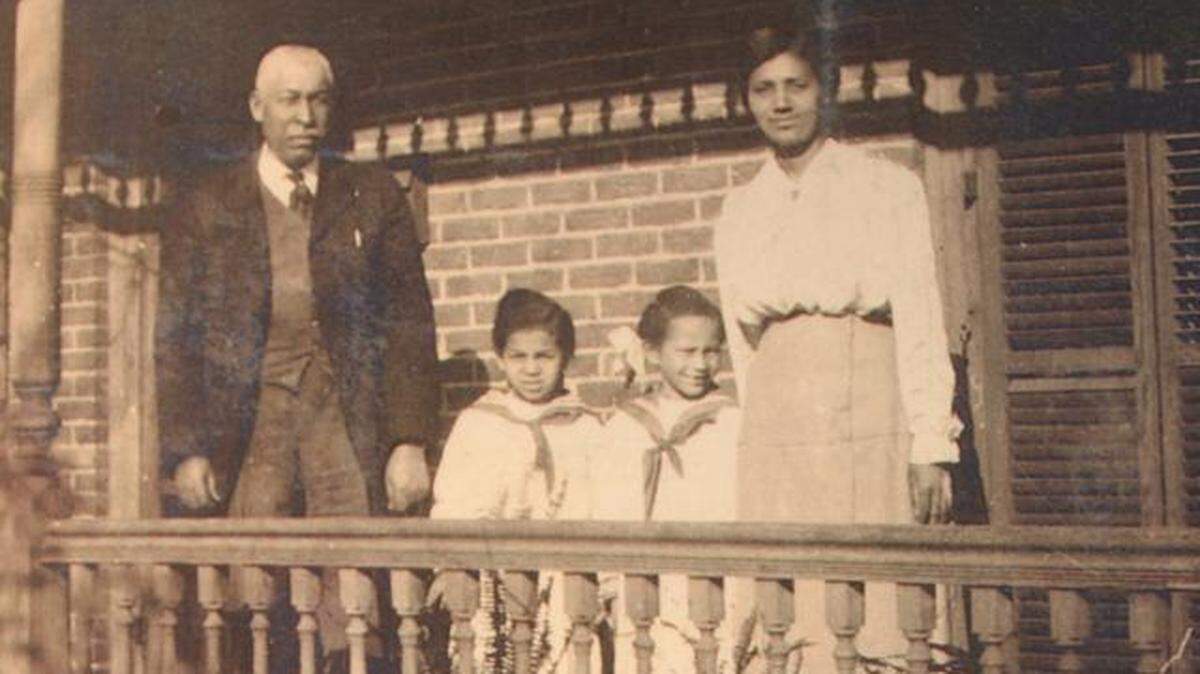
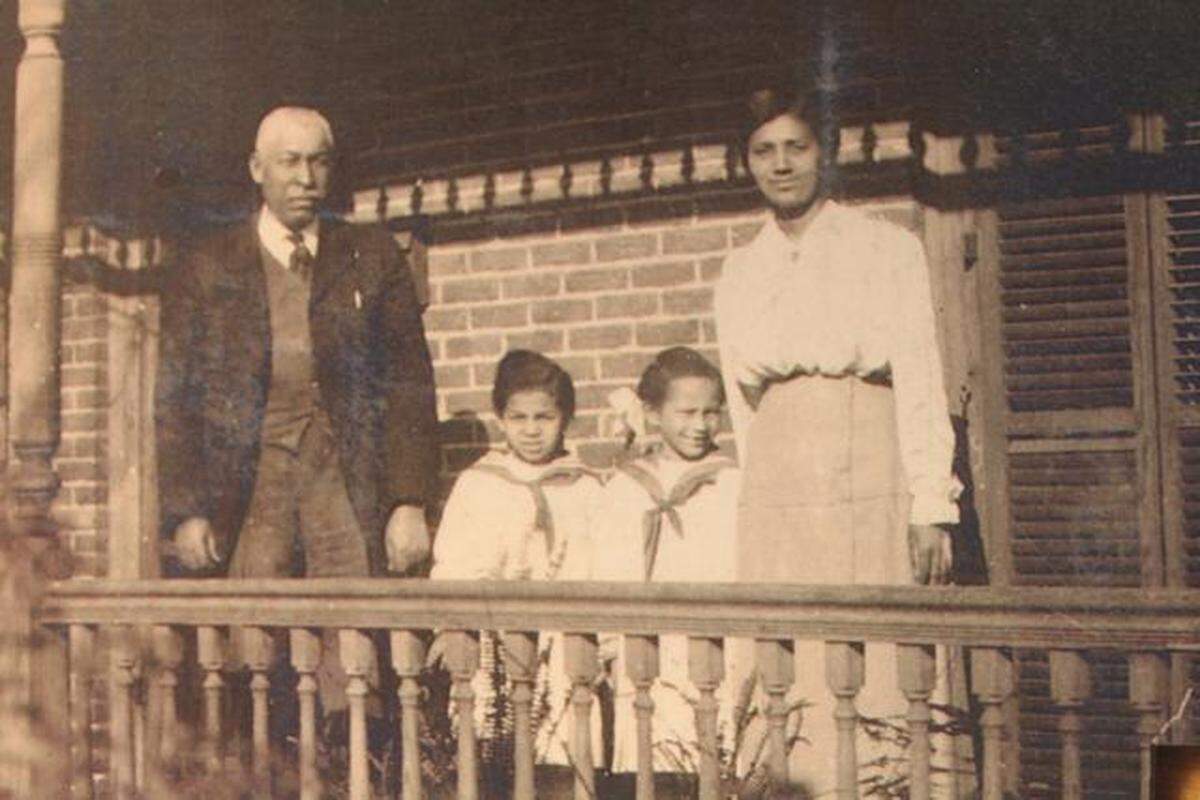
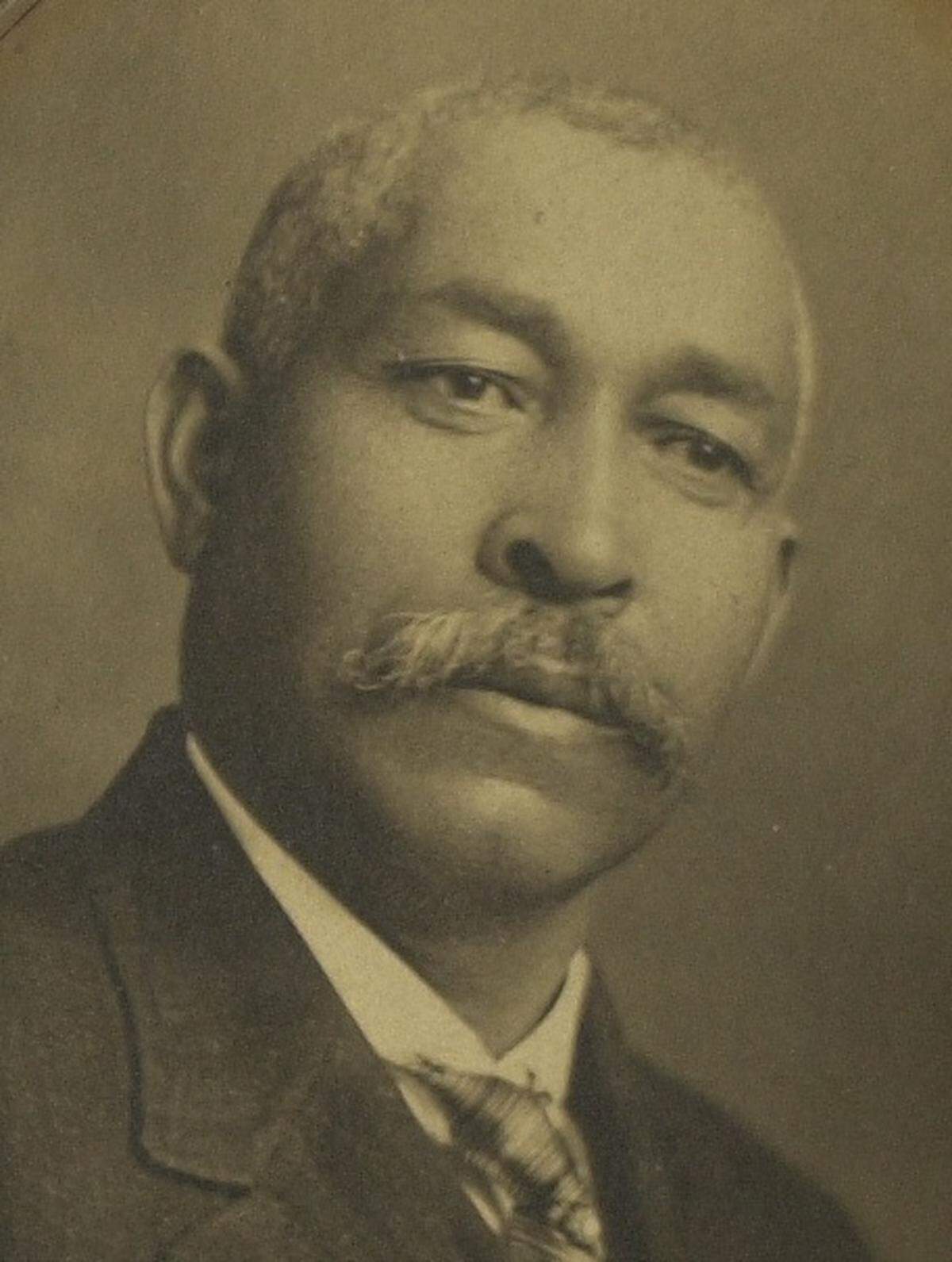
In 1919, Dr. Manassa Pope committed an act of dignity and defiance that might have gotten him killed: He put his name on the ballot, running for Raleigh mayor.
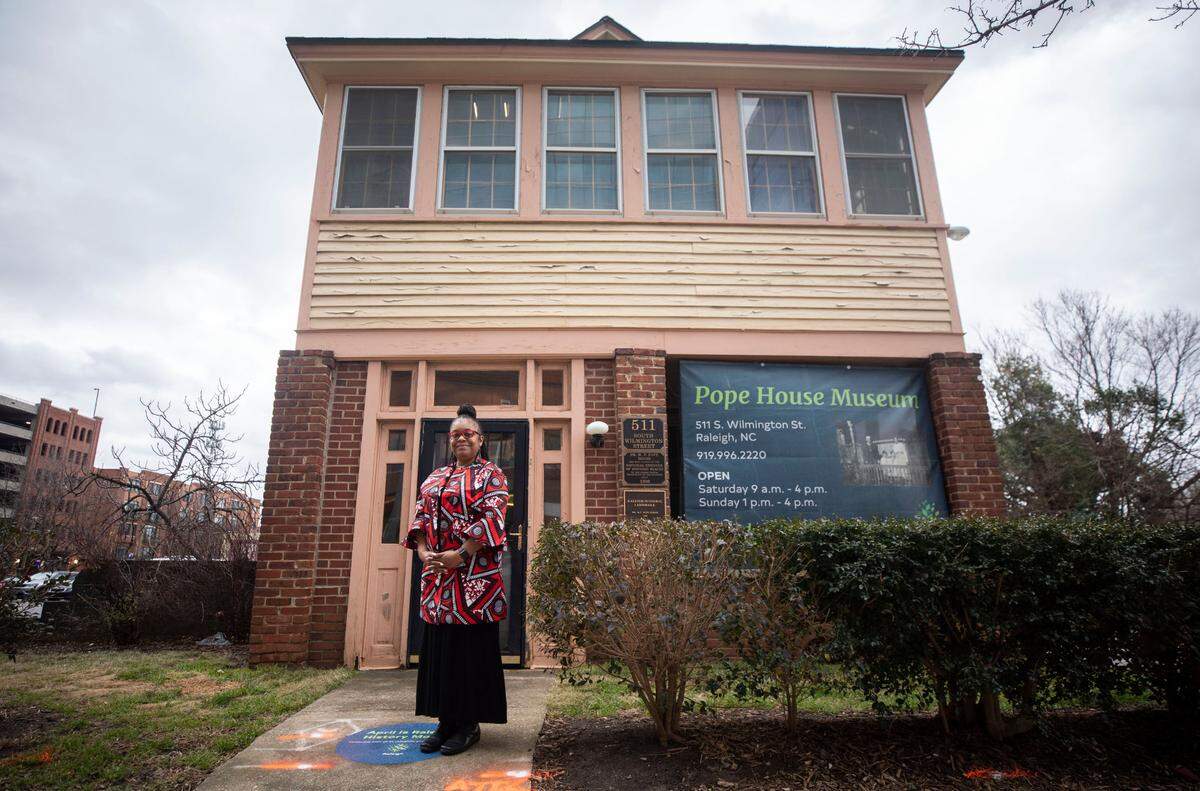
The physician and businessman had a respected name and a fine brick house on Wilmington Street. And even in the desperate Jim Crow years, he could vote — one of seven eligible Black people in Raleigh.
But these were the years after World War I, when Black soldiers returned from an integrated Europe and found themselves confined to separate train cars, or barred from the polls because their grandfathers had been slaves, or even lynched.
Pope insisted on more, knowing the city would not give it.
‘Symbolic of wanting to be seen’
“There’s definitely a sense of pride,” said Bettina Pope, his great-grandniece in Raleigh. “But it’s not just pride in my family, but toward anyone, any African-American willing to take that risk in that era. Even though it was symbolic, it was symbolic of wanting to be seen, wanting to be heard, wanting to be understood as a man.”
Dr. Manassa Pope came from a professional class of Blacks in the South who had prospered under Reconstruction — he had a degree from Shaw University, a nearby medical school — but saw that progress eroded under Jim Crow.
He had lived through the 1898 coup, which saw the state’s Democrats whip up white supremacist anger in Wilmington, burning a Black-owned newspaper, overthrowing elected political leaders and killing dozens if not hundreds.
Then in 1919, more than 1,000 Black citizens gathered on Jan. 1 — Emancipation Day — and issued a resolution condemning Jim Crow, calling for equality in voting and education, and urging an end to lynching.
“We do solemnly and earnestly protest against all discrimination against us in both education and the courts, in Jim Crow cars ... all else that interferes with our development and progress, jeopardizes our domestic tranquility and thwarts us in the pursuit of happiness,” read the resolution, which was submitted to and printed by The News & Observer.
Seeking to ‘wake up’ people politically
Two months, later the Black-organized 20th Century Voters Club put forward an all-Black ticket for the upcoming city election, including Pope for mayor.
Part of Pope’s motivation, said Raleigh City Museum Director Ernest Dollar, was to keep Black citizens from fleeing the South for cities to the north and west, which had already begun and would intensify over the next five decades.
He wanted to “wake up our people politically,” Dollar noted, and though there is no evidence his family faced violence, reaction from the white press was swift.
The N&O published stories saying the Black residents of the city, almost none of whom could vote, wanted no part of Pope and the other candidates’ crusade.
“The thinking element of the race in Raleigh has not hesitated to oppose such action,” the paper wrote, citing no sources.
Pope lost that election, garnering 126 votes to the winner’s 1,101. Raleigh would not elect a Black mayor until 1973: Clarence Lightner, whose father Calvin had run for office with Pope in 1919.
Pope’s efforts would go largely unmentioned until the 21st century, when his house downtown would open as a museum.
His voter registration card endures as an exhibit there, proudly displayed.
News & Observer readers: Click here to read the next story in this series on ‘Baba Chuck’ Davis.
Durham Herald-Sun readers: Click here to read the next story in this series on ‘Baba Chuck’ Davis.
This story was originally published February 20, 2022 at 6:00 AM with the headline "Manassa Pope: When only 7 Black people could vote, he ran for Raleigh mayor ‘to be heard’."