‘Endangered spaces’: Areas of Raleigh and Durham at risk of gentrification
READ MORE
The Monster of Gentrification
The new high rises, office buildings and condos are a double-edged sword. As the tax base grew, so did property owners’ assessments and tax bills. Some renters were even displaced altogether as once-affordable rentals were sold or redeveloped. Community leaders say the city should be asking some hard questions of developers as the most vulnerable are displaced from affordable housing. How can past development mistakes be avoided? This is the N&O’s special report.
Expand All
Historic properties at risk of being lost to neglect and disinvestment are called “endangered properties” by North Carolina’s historic preservation division, Preservation NC.
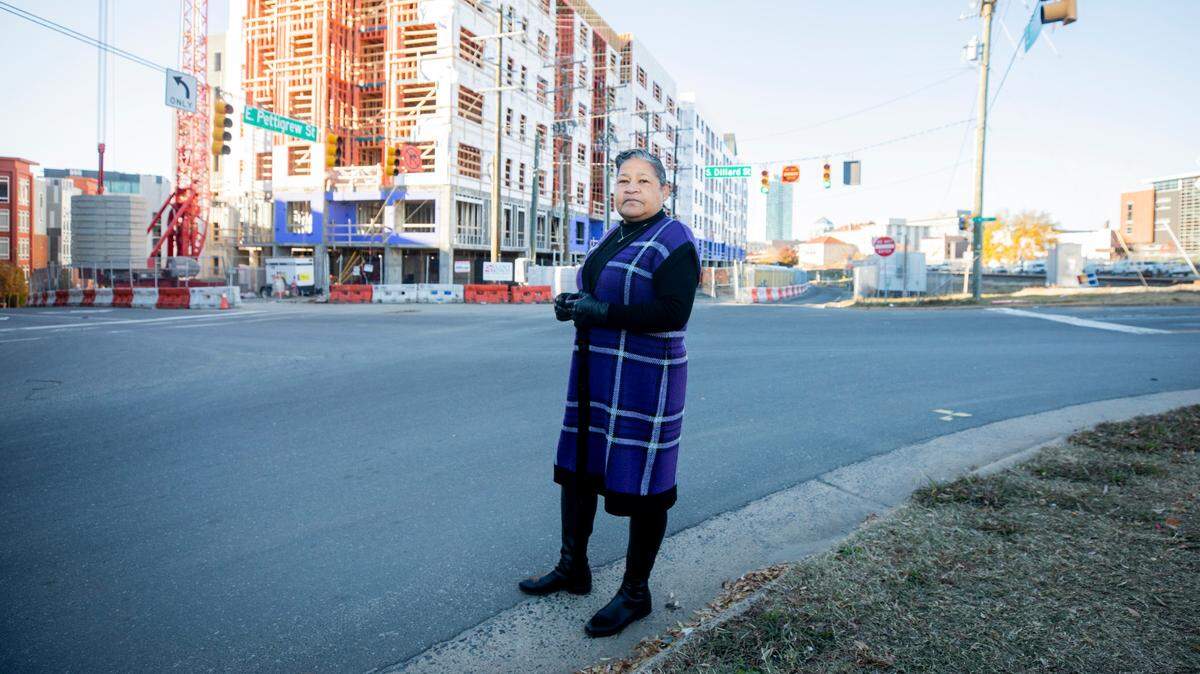
When development and redevelopment are proposed, however, rising property values can displace longtime, lower-income residents in existing, naturally occurring housing. Historically in Raleigh and Durham, these areas have tended to be predominantly Black and, more recently, Latino.
In the Triangle, some endangered spaces identified by affordable housing experts and activists include Rochester Heights and Fuller Heights in Raleigh, and the Fayette Place area and Braggtown community in Durham.
Endangered spaces in Raleigh
▪ Rochester Heights: About a mile and a half southeast of downtown Raleigh, Rochester Heights is a subdivision developed for Black residents during segregation. It is still predominantly Black today, more than 60 years later. The Raleigh Historic Development Commission describes the neighborhood as “a largely intact collection of post-World War II homes.” Its proximity to the city’s central core and surrounding development have caused an increase in property taxes, burdening and, in turn, displacing many long-time residents who earn roughly half the area’s median income. In October, affordable housing activists, Rochester Heights and other residents pleaded with local elected officials to implement a new property tax assistance for longtime, low-income homeowners. The city of Raleigh and Wake County are both looking into options for such relief.
▪ Fuller Heights: Located on the southeast edge of the 306-acre Dorothea Dix Park, Fuller Heights is a neighborhood along Lake Wheeler Road. The Fuller Heights area is considered one of the few parts of the city left with naturally occurring affordable housing with a median household income of $39,863. It is also known for its diversity and fast-growing Latino population, The News & Observer has previously reported. But that could all change soon with a multimillion-dollar development park plan set to begin next year, which will include the proposed “Plaza & Play” public space. The Raleigh City Council approved the park’s master plan in 2019 after more than a year of public input. The biggest concern for affordable housing activists is that few of the people who live there now will be able to afford living in the park’s future housing complexes.
Endangered spaces in Durham
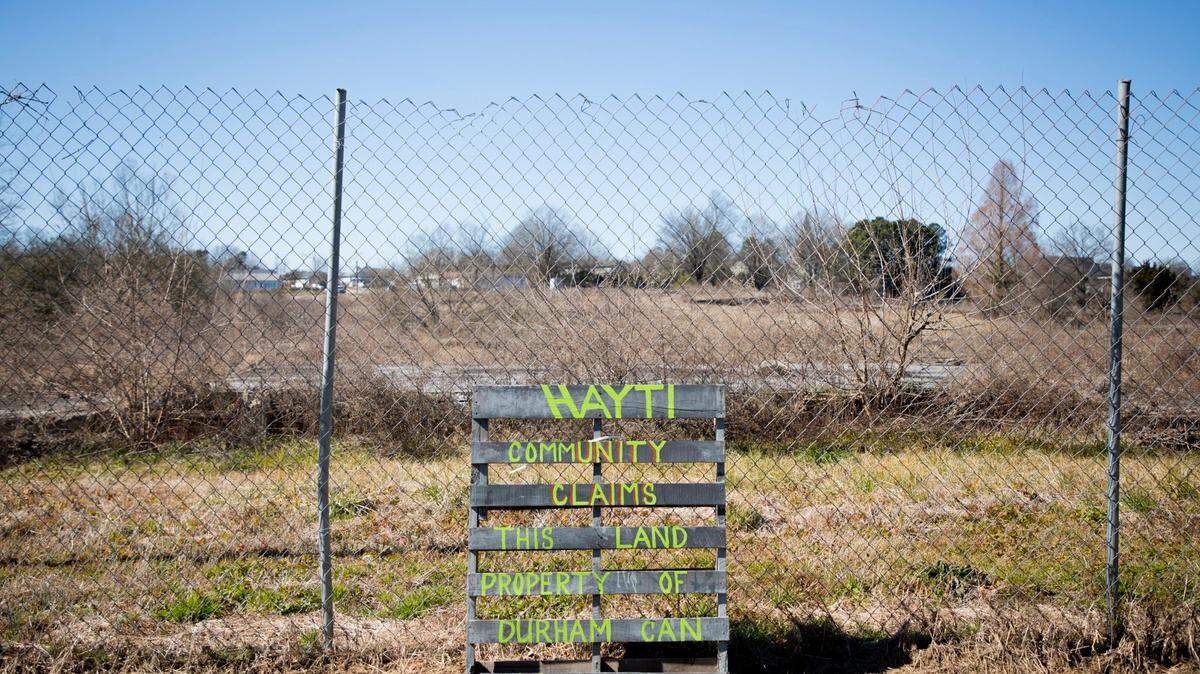
▪ Fayette Place: The fenced, empty 20-acre lot is in the heart of Hayti, a historically Black neighborhood south of downtown Durham. It was the former site of the Fayetteville Street Apartments, a public housing complex built in 1967. The complex replaced hundreds of residential homes removed for the construction of the Durham Freeway in the 1960s and ‘70s. The Durham Housing Authority sold the property in 2007 to Philadelphia-based developer Campus Properties. The company demolished the buildings in 2009. Many of the buildings’ foundations are still visible, weathered by the elements. Fayette Place was bought back by the Durham Housing Authority in 2017, still undeveloped nearly a decade later, The N&O previously reported. To date, the property remains bare. With an initiative called “Hayti Reborn,” a new group called the Durham Global Equity Project submitted a proposal to the DHA in September 2021 for an equitable development project including affordable housing. A DHA spokesperson said officials have yet to make a final decision.
▪ Braggtown: Also spelled Bragtown, the neighborhood in northern Durham is where many descendants of freed slaves from the Stagville plantation settled. The area was a separate, unincorporated community until it became part of the city of Durham in 1957, according to Open Durham, a digital archive of Durham history. While not near downtown, recent development proposals there have concerned residents. Most recently, two proposals for nearly 900 homes were shot down by residents in August 2020, the N&O previously reported. Members of the Braggtown Community Association argued that it would raise property taxes and lead longtime, Black homeowners to move away.
Staff writer Anna Johnson contributed to this story.
This story was originally published December 15, 2021 at 6:00 AM with the headline "‘Endangered spaces’: Areas of Raleigh and Durham at risk of gentrification."