
Data centers are coming to NC. Can Duke power them while keeping your lights on?
READ MORE
Data Centers in North Carolina
Data centers are the dedicated areas few ever see that enable the technology we see, touch and listen to. They can be huge and loud, but they employ relatively few people. In this special report, The News & Observer looks into the rapid growth of data centers, their value to the state economy, and the massive amount of electricity needed to power them.
Expand All
VA, now home to hundreds of data centers, is tapping the brakes. Is that good for NC?
Duke Energy says it needs to ramp up new energy to serve data centers. Is it right?
Data centers are coming to NC. Can Duke power them while keeping your lights on?
Data centers in NC: Secret locations, hyperscale giants and Raleigh’s next ‘edge’ site
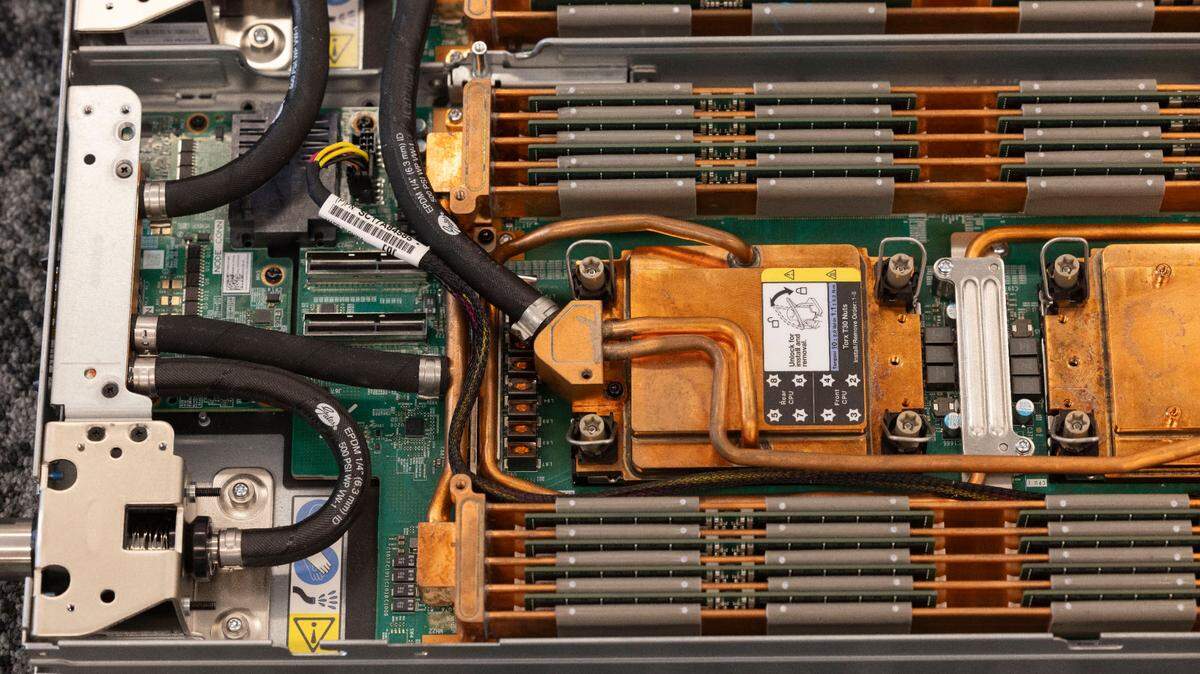
Inside Lenovo’s RTP labs, cooling data centers is more than half the battle
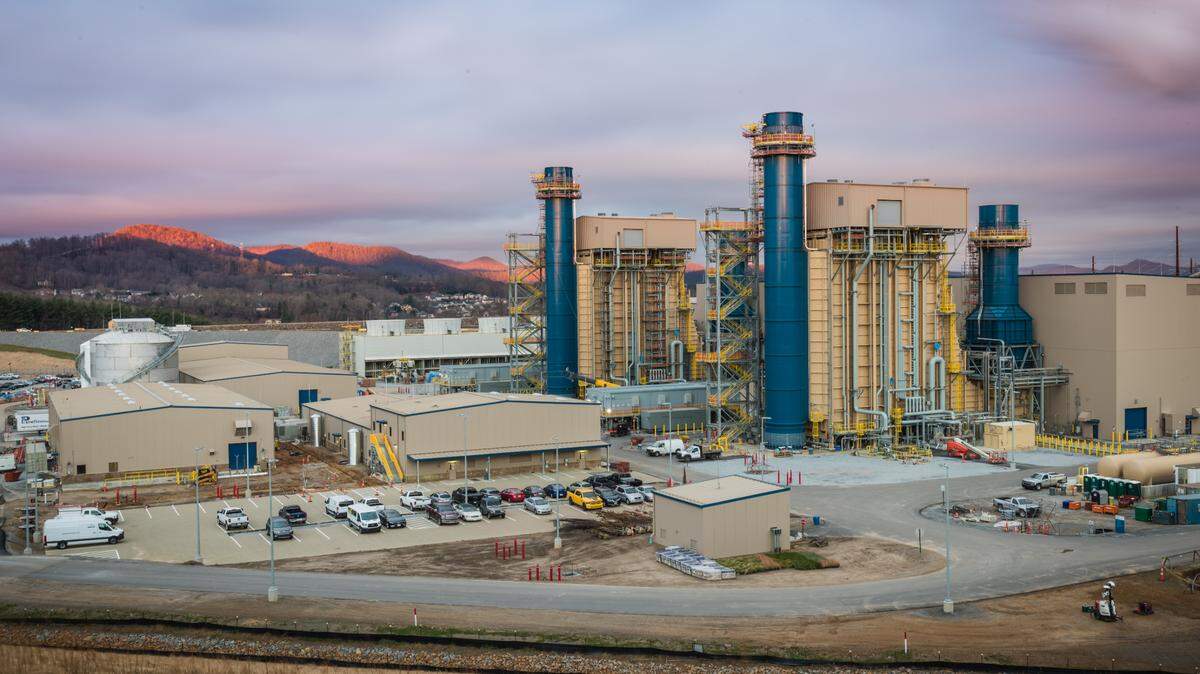
Facing a surge in demand from data centers and manufacturers that need large amounts of electricity around the clock, Duke Energy has tacked additional natural gas, solar energy and offshore wind onto its resource plans for the mid-2030s.
In response to “unprecedented” interest in electricity from new businesses across the Carolinas, Duke in January 2024 updated its load forecast — an update that came even as utility lawyers across the state were preparing for proceedings about Duke’s energy mix that are held every two years.
Between August 2023 and January 2024, Duke told regulators, its projections for the power it would need to generate at the most in-demand times had shot upward due to economic success in the region, namely the recruitment of manufacturing and data centers.
In that January 2024 filing, Duke said it expected that by 2038 it would need to build an additional 2.85 gigawatts of solar, an additional 2.72 gigawatts of natural gas turbines and perhaps a 2.4 gigawatt offshore wind farm, in addition to other adjustments.
Duke’s increased interest in new natural gas plants is being driven by economic demand, CEO Lynn Good indicated in an interview with Bloomberg News following the company’s February earnings report.
“We think adding those resources is important in this decade,” Good said, “but we will continue working toward cleaner energy over time and those plans have not changed.”
Gas roughly halves carbon dioxide emissions from coal-fired power but also comes with increased emissions of methane, a potent greenhouse gas. From a utility’s perspective, it offers power that can be called upon as it is needed, where wind and especially solar would need batteries to become similarly dispatchable.
Speaking to the N.C. Utilities Commission last year, Chris Edge, Duke’s vice president for large business customers, said, “Generally, data centers are very high load factor, very large, energy intensive-type customers. … They are operating at a consistent load factor 365 days a year, seven days a week, 24 hours.”
That makes gas valuable when a utility is selling power to data centers.
“We do see an uptick in gas generation that wouldn’t have been the case five years ago, just as we put together plans on how we’re going to serve the load in this moment,” Good told Bloomberg Talks.
Meeting future around-the-clock demand will require not only new gas resources but likely also nuclear, Bill Norton, a Duke spokesman, wrote in an email to The News & Observer.
“We’re committed to conducting extensive, ongoing analysis on the balance of power generation resources, infrastructure requirements and demand-side management programs necessary to support continued economic growth,” Norton wrote.
System flexibility?
A February study released by power systems researchers at Duke University offers one alternate option for utilities: Let data centers come online under an agreement that they won’t be able to draw power from the grid when energy use is at its highest levels.
Researchers looked at a number of scenarios, including one where new users stopped drawing from the grid during the 0.5% of the time when energy usage is at its highest, a period totaling about 44 hours, or less than two days over the course of a year.
If users agreed to that, researchers found, Duke Energy Carolinas already has the capacity to add about 2.1 gigawatts of new load, while Duke Energy Progress could add about 1.3 gigawatts.
That shows that by being flexible in “relatively modest” windows, data centers and other large customers could come online while staving off the need to add new power plants or potentially even power lines right away, Tyler Norris, a Duke Ph.D. student who is the paper’s lead author, said in an interview.
Norris said the study was driven by interest from utility regulators who had been told that adding a data center means increasing the utility’s peak load by however much energy the facility requires.
Having flexibility is valuable, Norris said, because building out infrastructure for times when energy usage is at its highest doesn’t just mean new sources of power. It also means building the transformers and transmission lines that will bring the power to the facility where it is needed, adding costs to the project and introducing supply constraints.
Agreeing to curtailments could help data center operators who want to come online quickly but don’t want to wait for utilities to complete all of the necessary power system upgrades, Norris said.
“If you’re not putting more stress on some of the existing peaks, you may be able to defer that capacity addition and come online more quickly,” Norris said.
Agreeing to a curtailment of energy from the grid doesn’t mean the facility has to become inoperable, Norris said.
Right now, data centers are typically equipped with diesel-powered generators as their backup power sources. But the researchers found that the average duration of a curtailment event at the 0.5% limit would be 2.1 hours, a length Norris described as “exactly in the sweet spot of lithium ion batteries” that could be charged from on-site solar panels.
In response to the Duke paper, Michael Terrell, Google’s senior director of clean energy and carbon reduction, wrote on LinkedIn, “This is a promising tool for managing large new energy loads without adding new generating capacity and should be part of every conversation about load growth.”
Distributed power plants could offer another option, Ethan Blumenthal, the N.C. Sustainable Energy Association’s regulatory counsel, said in an interview.
For example, when a data center or similar large-load customer becomes part of a distributed power plant program, Duke could change the temperatures on smart thermostats it has access to by one degree, freeing up generation resources for the large customer. Similarly, Duke could pull some energy from battery storage systems connected to homes and businesses that are linked with the grid to give itself a little more energy when demand is the highest.
“You don’t have to curtail the load of the data center, you’re curtailing other customers’ loads and that will add up in aggregate,” Blumenthal said.
Duke is already talking with data centers about finding ways to lower their impact on the grid when energy use is at its highest, Norton wrote.
“We’re exploring the feasibility of using on-site generation (at data centers) during extreme peaks in demand,” Norton wrote, “effectively offsetting the energy needs of these data centers for short periods so power can reliably flow to other customers on the grid, lowering costs for all customers.”
More clean energy?
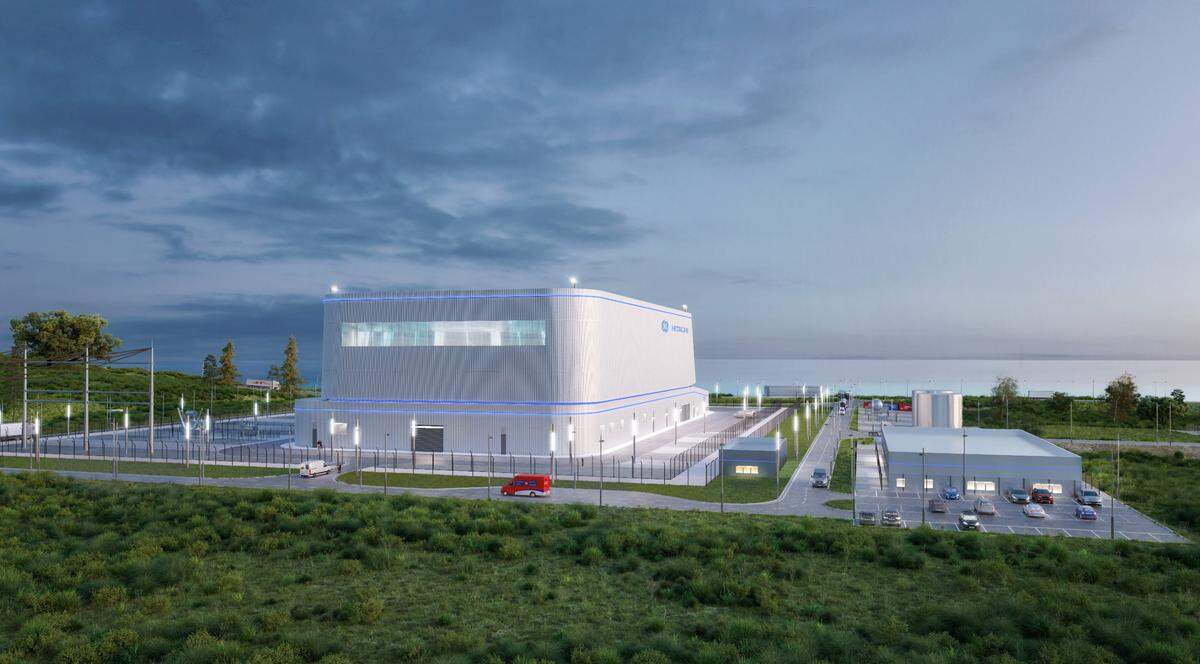
Another effort Duke has underway is what it’s calling Accelerating Clean Energy tariffs, a series of memorandums of understanding with Amazon, Google, Microsoft and Nucor to explore new rate structures that would help lower the impact that investing in new technologies like small modular nuclear reactors or long-duration storage would have on ratepayers.
All of those companies are large energy users, and three of them are data center customers.
Duke has not yet announced details for the voluntary program but has said it would include a tariff that would match individual customers with certain carbon-free generation portfolios. In a press release announcing the initial agreements to work on the tariffs, Duke also said the agreements could “facilitate beneficial on-site generation at customer facilities,” allow for load flexibility programs and boost investment in carbon-free resources.
“We continue to advance discussions regarding the potential Accelerating Clean Energy tariffs in a manner that can accelerate new large-scale generation for growing industries while protecting non-participating customers,” Norton said in a statement.
Once proposed, the tariffs would need to be approved by state regulators in North and South Carolina.
NC Reality Check is an N&O series holding those in power accountable and shining a light on public issues that affect the Triangle or North Carolina. Have a suggestion for a future story? Email realitycheck@newsobserver.com
This story was produced with financial support from the Hartfield Foundation and Green South Foundation, in partnership with Journalism Funding Partners, as part of an independent journalism fellowship program. The N&O maintains full editorial control of the work. If you would like to help support local journalism, please consider signing up for a digital subscription, which you can do here.
This story was originally published March 6, 2025 at 5:00 AM with the headline "Data centers are coming to NC. Can Duke power them while keeping your lights on?."