
NC lawmakers and Congress can pass laws to protect democracy. Here are just a few
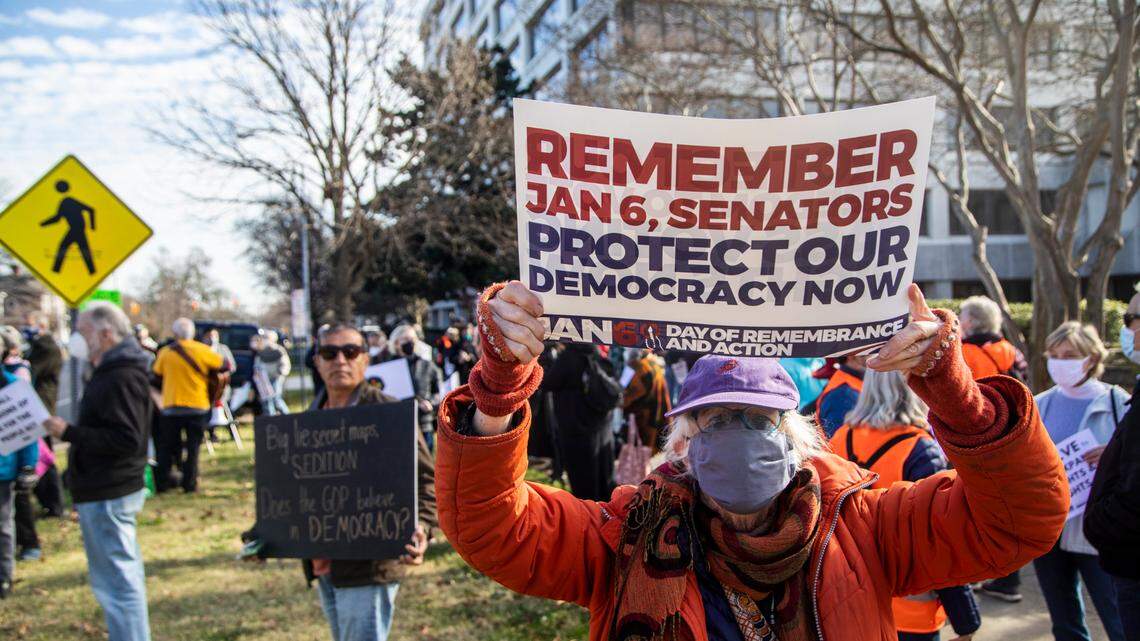
For years Americans have witnessed the wilting of our democracy. It did not begin with Donald Trump, but he was most certainly the kingpin — and though he is no longer in office, democracy remains under assault.
Our current president has, in no uncertain terms, warned us of this ongoing threat. Former presidents (not Trump) have expressed fears of their own. And “threats to democracy” has overtaken the cost of living as voters’ top concern ahead of the November election, according to a recent NBC News poll.
This democracy has never been perfect, and for many, it is something that has never been fully realized. But instead of moving forward, we’re being yanked backward — toward a system of alternative facts and minority rule.
Since the 2020 election, lawmakers in nearly every state have introduced hundreds of bills aimed at election interference or restricting access to the polls. It’s still not clear whether our former president will be held accountable for fomenting a violent insurrection, one that came dangerously close to preventing the peaceful transfer of power. A whopping 60% of Americans will have an election denier on the ballot in November, according to an analysis by FiveThirtyEight. Looming on the horizon is an upcoming Supreme Court case, Moore v. Harper, that could equip bad actors with the tools they need to steal an election — this time for real.
The inability — and, in some cases, unwillingness — of our elected officials to address this threat head-on has only made it worse. Lawmakers at both the state and federal levels possess the authority to safeguard democratic norms and avert this burgeoning crisis. The question is: how committed are they to doing it?
Electoral Count Act reform
One solution that has gained momentum is changing the archaic Electoral Count Act of 1887, which governs how votes cast by presidential electors are certified and counted by Congress.
The flaws of the Electoral Count Act became glaringly obvious in the aftermath of the Jan. 6 insurrection, which has laid bare the extent of Donald Trump’s plot to overturn the 2020 election. The law’s shortcomings laid the groundwork for 147 Republican members of Congress to object to the Electoral College results, and for Trump to urge Vice President Mike Pence to reject them.
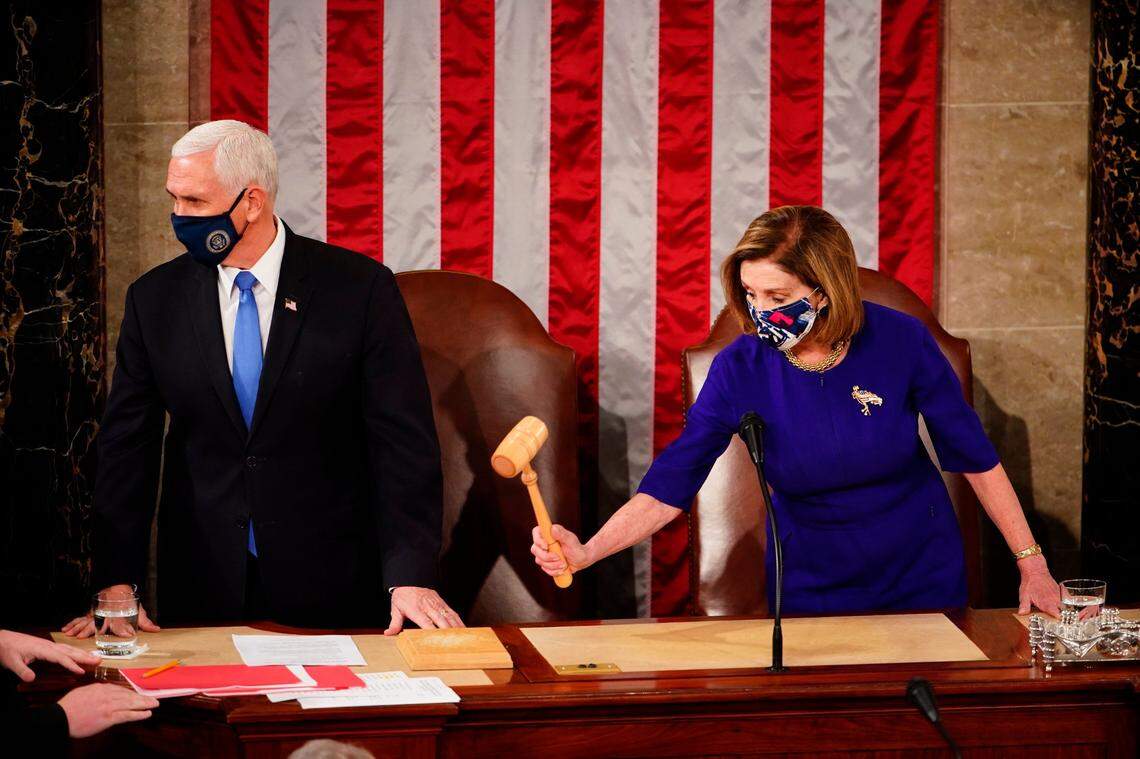
A bipartisan group of senators, including North Carolina’s Thom Tillis, has introduced legislation to address these flaws. The Electoral Count Reform Act of 2022 more clearly defines the role of the vice president in overseeing the certification process and substantially raises the threshold required for members of Congress to lodge an objection to a state’s electoral votes.
The Senate has yet to vote on the bill, and members of the House’s Jan. 6 committee have argued that it doesn’t go far enough. Committee members are expected to recommend their own set of reforms soon.
Protecting voting rights
Perhaps most importantly, Congress can strengthen democracy through the passage of sweeping voting rights legislation, a long-held goal that Democrats have failed to achieve thus far.
The John Lewis Voting Rights Advancement Act aims to prevent discriminatory voting practices and vote dilution by restoring key provisions of the Voting Rights Act of 1965 that the courts have weakened. Notably, it would require states with a history of voting discrimination to obtain pre-approval from federal officials before changing voting laws.
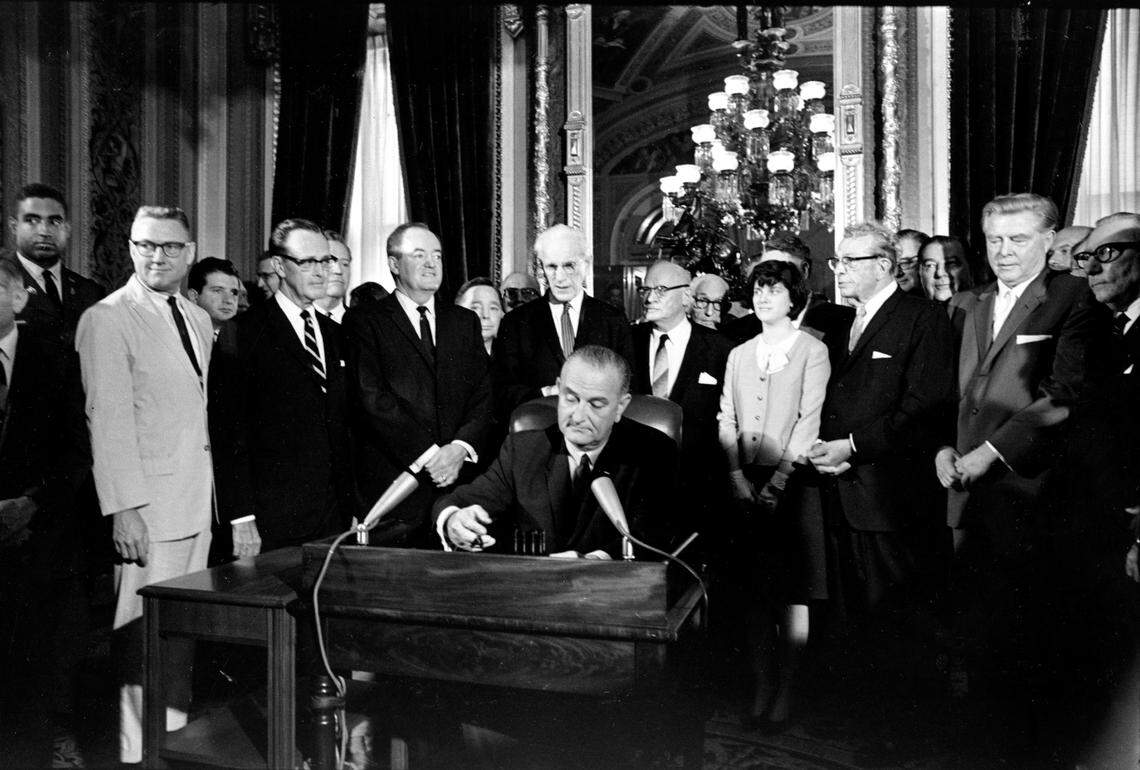
The Freedom to Vote Act contains broader democratic reforms that protect voting access. It would require online, automatic and same-day voter registration, make Election Day a federal holiday and prohibit partisan gerrymandering, among other provisions.
Both measures have been approved by the House, but each fell short of the 60-vote threshold necessary to overcome a filibuster in the Senate earlier this year. Though Democrats currently hold a narrow majority in the chamber, they disagree on whether to carve out an exception to the filibuster in order to protect voting rights.
State-level proposals
Just as state legislatures can weaken democracy, they can also bolster it. In North Carolina, Democratic lawmakers have introduced bill after bill aimed at protecting free and fair elections. Their proposed legislation covers everything from automatic and online voter registration to an independent redistricting process.
Most recently, Democrats put forth a bill to prevent attempts to overturn election results, which would make it a crime for elections officials to refuse to certify an election unless they have “substantial evidence.” Unfortunately — and predictably — none of the bills have advanced in the Republican-controlled General Assembly.
This story was originally published September 16, 2022 at 6:00 AM with the headline "NC lawmakers and Congress can pass laws to protect democracy. Here are just a few."
