Cooper warns of possible ‘deluge’ from Debby, Biden issues disaster declaration for NC
READ MORE
Debby’s impact on the Triangle & NC
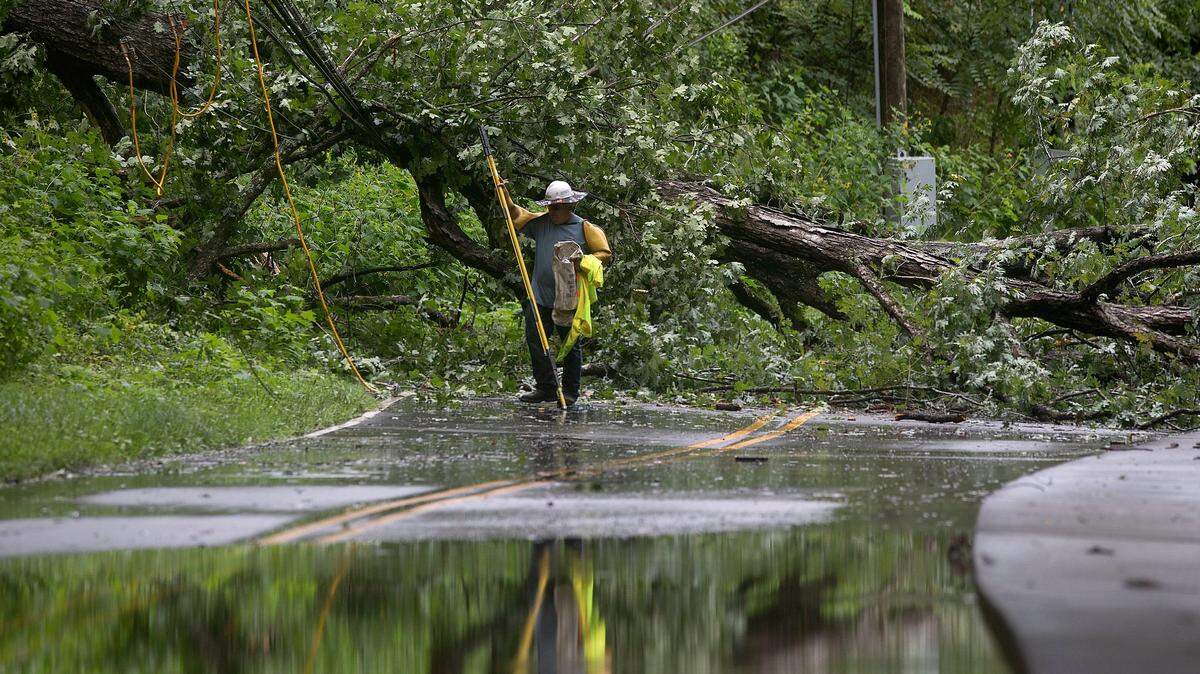
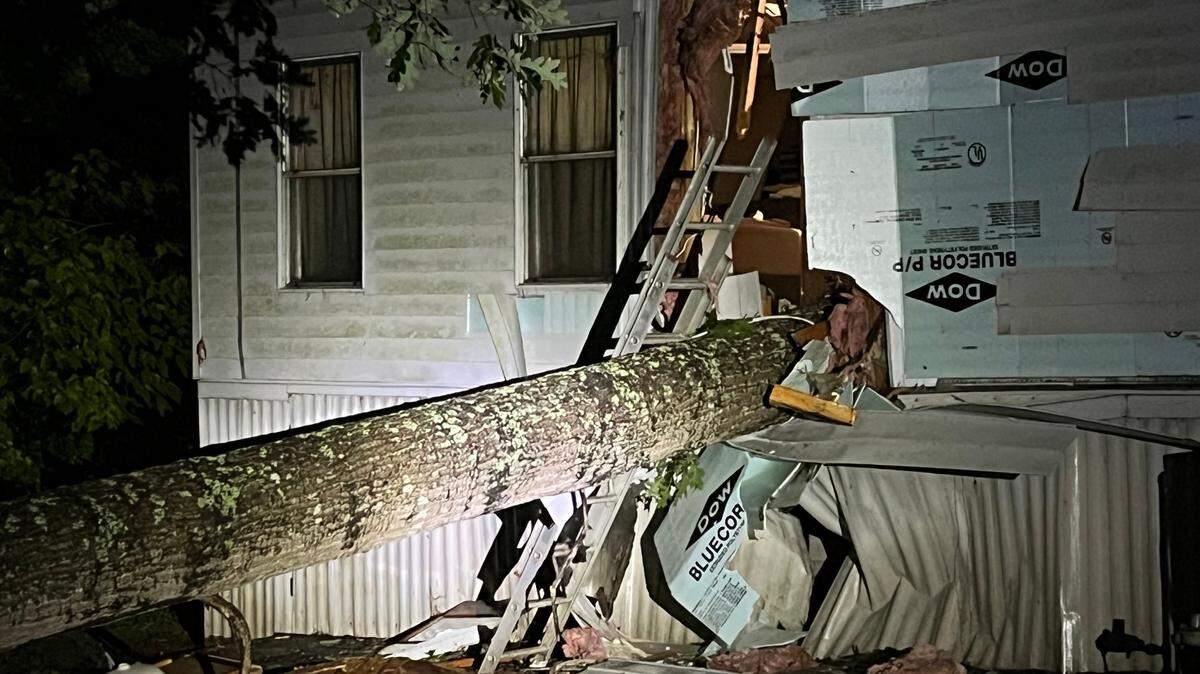
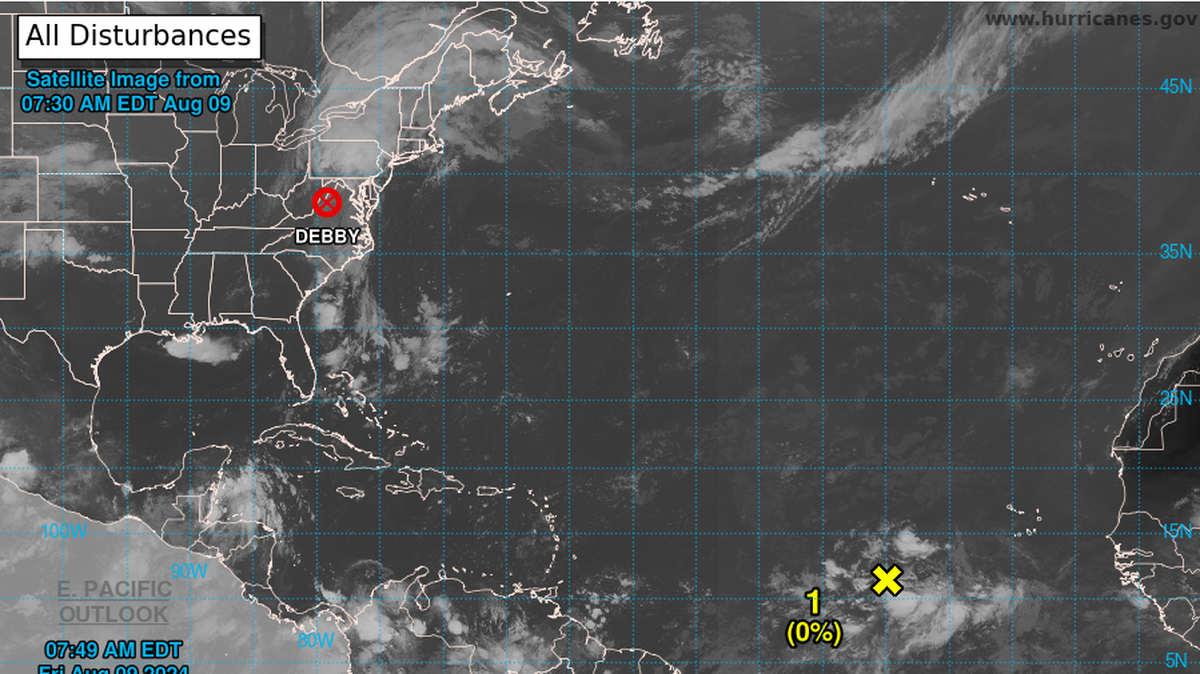
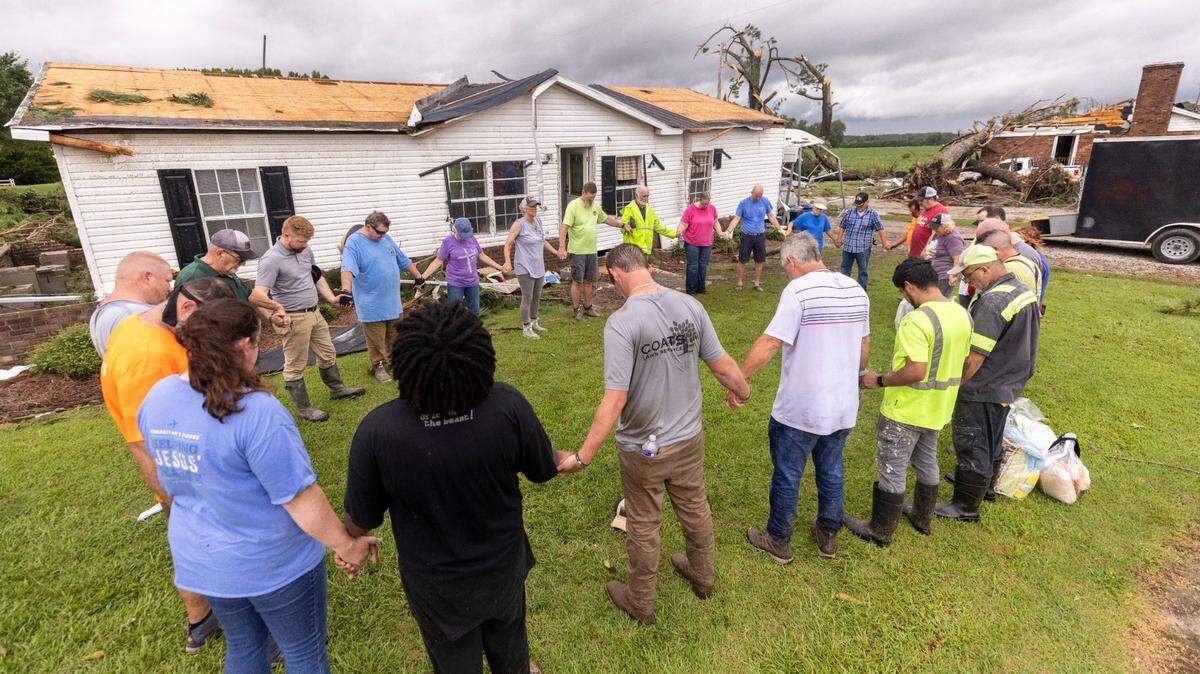
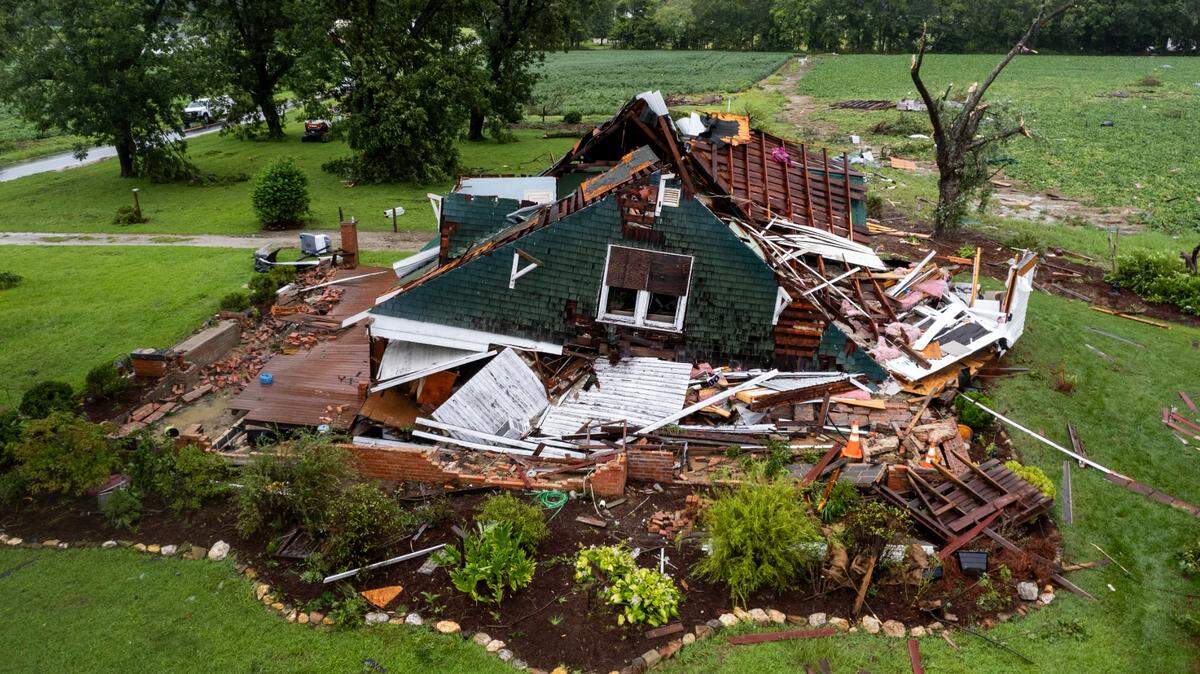
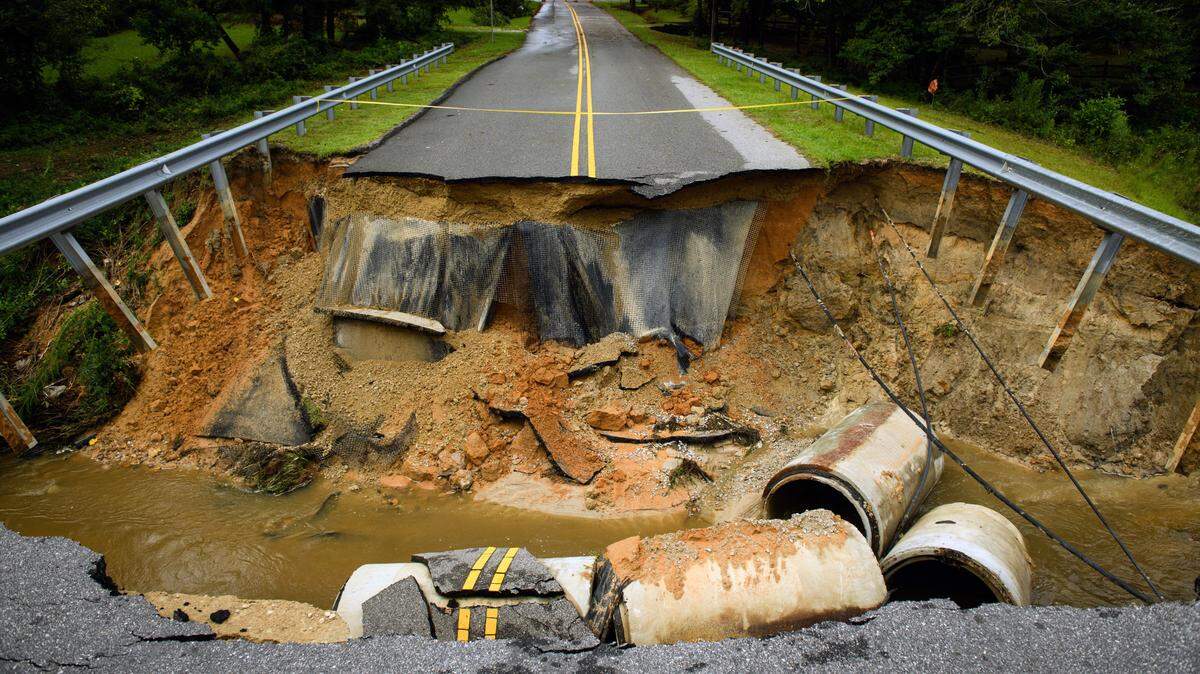
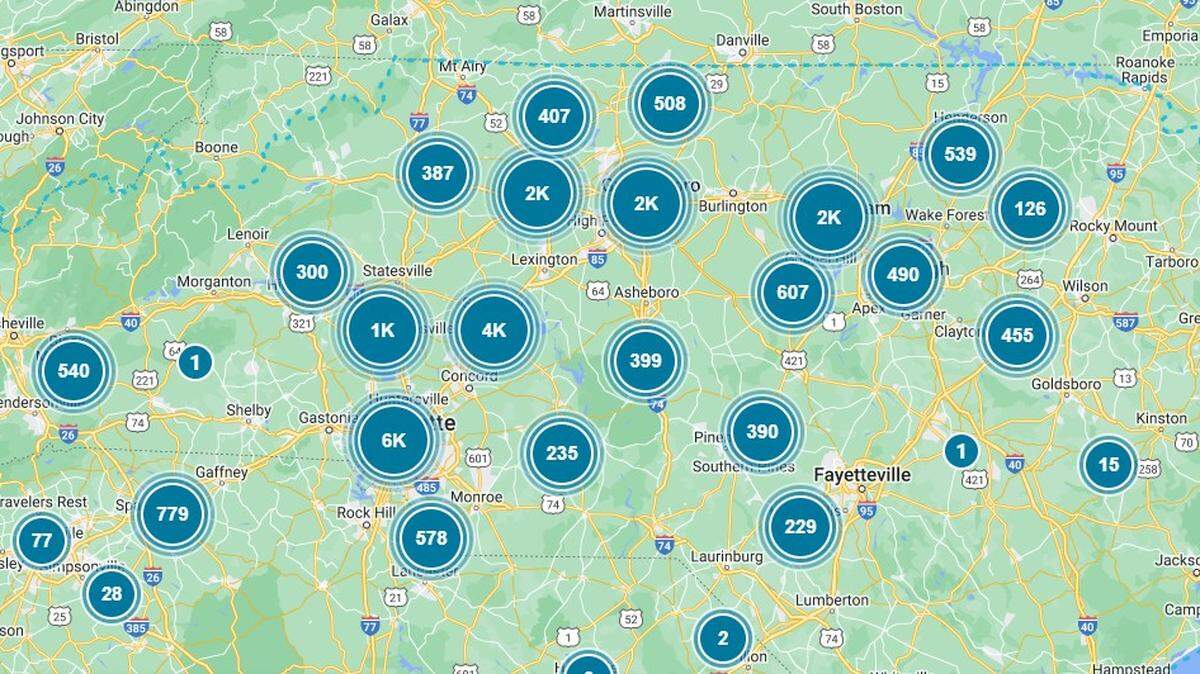
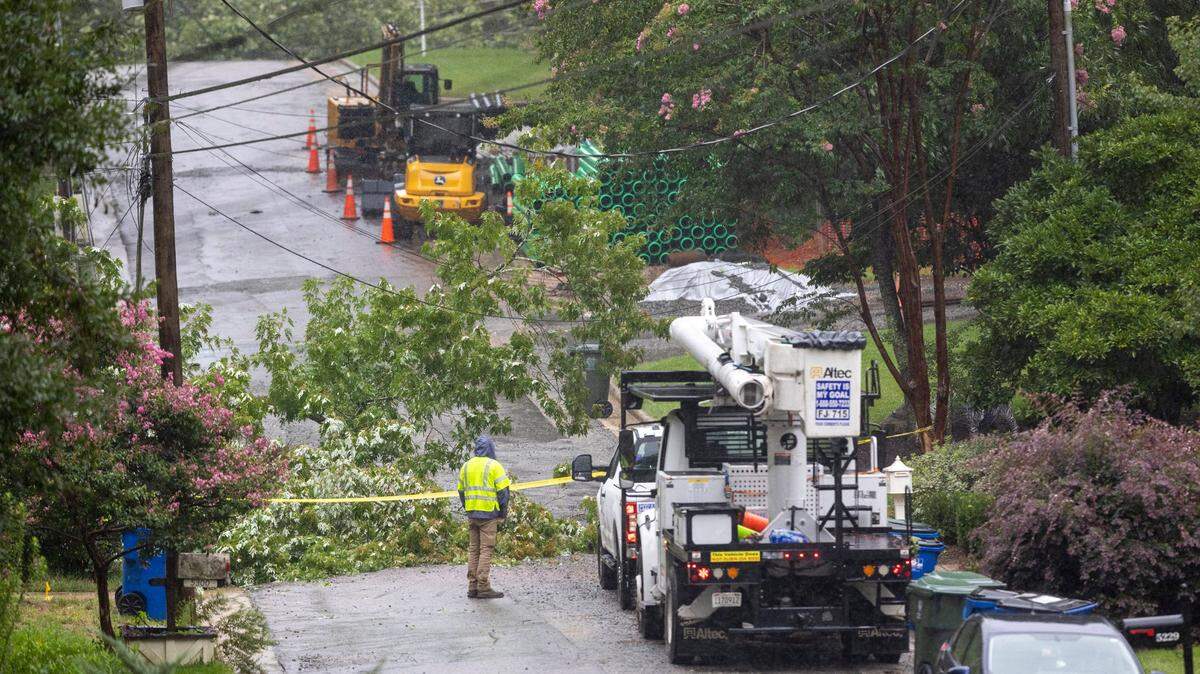
Tropical Storm Debby drenches the Triangle and North and South Carolina. By Thursday afternoon, it was downgraded to a tropical depression. Here are stories on the impact of the storm.
Expand All
Gov. Roy Cooper warned Wednesday that people across North Carolina need to prepare for “a deluge” from Tropical Storm Debby as it approaches the state.
“A slow-moving tropical storm can sometimes be even more deadly than a quick-moving hurricane. That means even without the constant high winds, we must be on high alert,” Cooper said during a briefing Wednesday.
North Carolina has activated 350 members of the National Guard and deployed 17 swift-water rescue teams, Cooper and N.C. Emergency Management Director Will Ray said. President Joe Biden on Tuesday approved a request from Cooper for a disaster declaration ahead of the storm, White House officials announced.
Forecasters expect the storm to drop as much as 15 inches of rain in parts of Southeastern North Carolina, causing the National Hurricane Center to warn of the potential for “considerable flooding” in the Piedmont region.
The storm was south of Charleston early Wednesday morning and is expected to drift to sea before turning inland late Wednesday or early Thursday, according to the National Weather Service.
“We expect this storm to continue its slow, gradual approach, bringing multiple days of heavy rainfall and the potential for widespread and even severe flash flooding,” Cooper said Wednesday.
North Carolina officials are keeping a close eye on counties in the state’s Southeastern corner, Cooper added. Brunswick County has issued a voluntary evacuation order for low-lying areas, while the county’s beach towns such as Caswell Beach, Holden Beach, Oak Island, Ocean Isle Beach and Sunset Beach have all also issued voluntary evacuation orders.
Bladen, Brunswick, Columbus and Pender counties all planned to open emergency shelters Wednesday.
“We aren’t at the situation yet where we expect the rivers to be at Florence and Matthew stage,” Cooper said. “There are some that are a a little closer at this point, but we really don’t know for sure yet because we expect those rivers to crest Friday, Saturday and Some even into Sunday.”
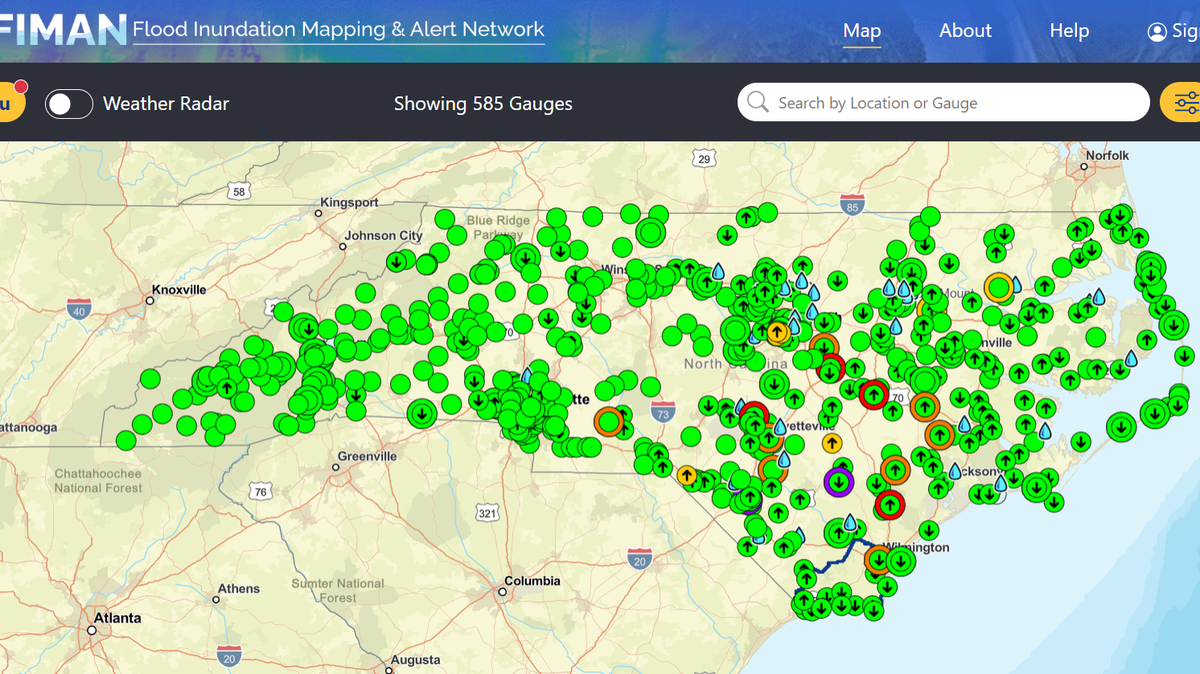
North Carolinians can use the state’s public Flood Inundation Mapping Alert Network to see if rivers and streams near them are expected to flood.
Cooper reminded people that 6 inches of fast-moving flood water is enough to knock over an adult, while a foot is enough to carry a car away.
“Now is not the time to see if your car floats, because it doesn’t,” Cooper said.
Federal disaster declaration
The emergency declaration will provide federal funds including reimbursement for evacuation and shelter support for about half of the state’s counties along Debby’s projected track. Those range from Brunswick County in the southeastern corner to Moore County, then as far to the northwest as Guilford County.
Another 15 counties in the state’s northeastern and northwestern corners will be eligible to receive federal assistance for emergency protective measures they take against Debby under the disaster declaration. That includes Dare and Washington counties in the northeast, as well as Surry and Stokes in the northwest.
“This was really a step for us to be able to try to jump start and get ahead of some of the coordination and collaboration that needed to happen with our federal partners for the immediate response and make sure that we’ve got the personnel already in the state to be able to pivot to the longer-term response, as well as to recovery,” Ray said.
As Debby passes through the state, local governments will work with state emergency management and FEMA officials on the ground to tally damage to homes, buildings and infrastructure. Those totals will be used to figure out if North Carolina is eligible for additional federal assistance from FEMA or other agencies, such as the U.S. Small Business Administration.
“This is a perfect example of why we need recovery in on the front end, and so our perspective here is we start with recovery very much in mind,” Ray said.
Another dangerous tropical storm
While 2016’s Hurricane Matthew and 2018’s Hurricane Florence are looming large in the minds of many because Tropical Storm Debby is a slow-moving system that will primarily impact Eastern North Carolina, 2021’s Tropical Storm Fred could also serve as an example of the kind of damage Debby is capable of causing.
Like Debby, Fred was a tropical storm by the time it reached North Carolina.
Between Aug. 16 and 17, 2021, the storm brought as much as 23.41 inches of rain to the western part of the state, including 8 inches of rainfall in two to three hours near the headwaters of the Pigeon River. At one point, floodwaters caused the Pigeon River’s East Fork to rise 2.5 feet in a half hour.
Flooding from the storm killed six people in Haywood County and damaged 687 homes.
Ray stressed that with Debby, emergency management officials across North Carolina are preparing.
“This is going to be a statewide impact so very much there are western parts of our state that are also looking at and evaluating some of these flooding threats,” Ray said.
This story was originally published August 7, 2024 at 10:54 AM with the headline "Cooper warns of possible ‘deluge’ from Debby, Biden issues disaster declaration for NC."