
Where do copperhead snakes go when it’s cold in NC? What experts say
Fluffy snow fell in parts of the metro Charlotte on Feb. 5, adding to icy conditions left by a historic winter storm that walloped all 100 North Carolina counties in January.
Temperatures were slow to rebound across the state, making it necessary to keep a winter coat and gloves nearby. But have you ever wondered where snakes go when it gets cold?
We were particularly curious about copperhead snakes, the “most common and widespread” venomous snake in the Tar Heel State, according to the NC Wildlife Resources Commission.
The Charlotte Observer asked local wildlife experts to find out:
Do copperheads hibernate?
Copperhead snakes and other reptiles brumate, The Charlotte Observer previously reported.
Like hibernation, this dormant period is characterized by lethargy and a waning appetite during the colder months, according to Nationwide Pet Insurance. Their respiratory rates also slow down, as does digestion.
“Snakes and reptiles are very dependent on temperature ... so the colder it is, the slower they go,” Falyn Owens, an extension biologist with the NC Wildlife Resources Commission previously told the Observer.
Brumation usually occurs between 40 and 50 degrees Fahrenheit.
“If the temperature dips below a certain threshold, they basically get really sluggish,” Owens said. “And if it’s really cold, they just kind of almost stop altogether.”
Brumation isn’t as deep a state as hibernation, however, and snakes can come out of it once temperatures rebound.
Where do copperheads go when it’s cold?
In very cold temperatures, snakes often shelter in insulated environments to shield themselves from the elements.
“Species like a copperhead might find a tree stump hole where the tree has rotted out,” Owens previously told the Observer. “They might crawl into that to get away from the wind, and the snow and just really extreme temperatures.”
Other common hiding places include:
- Under leaf litter or logs
- In holes and hollows
- In crawl spaces
Owens noted that snakes typically don’t dig their own burrow and instead occupy spaces dug by other critters.
What do copperheads look like?
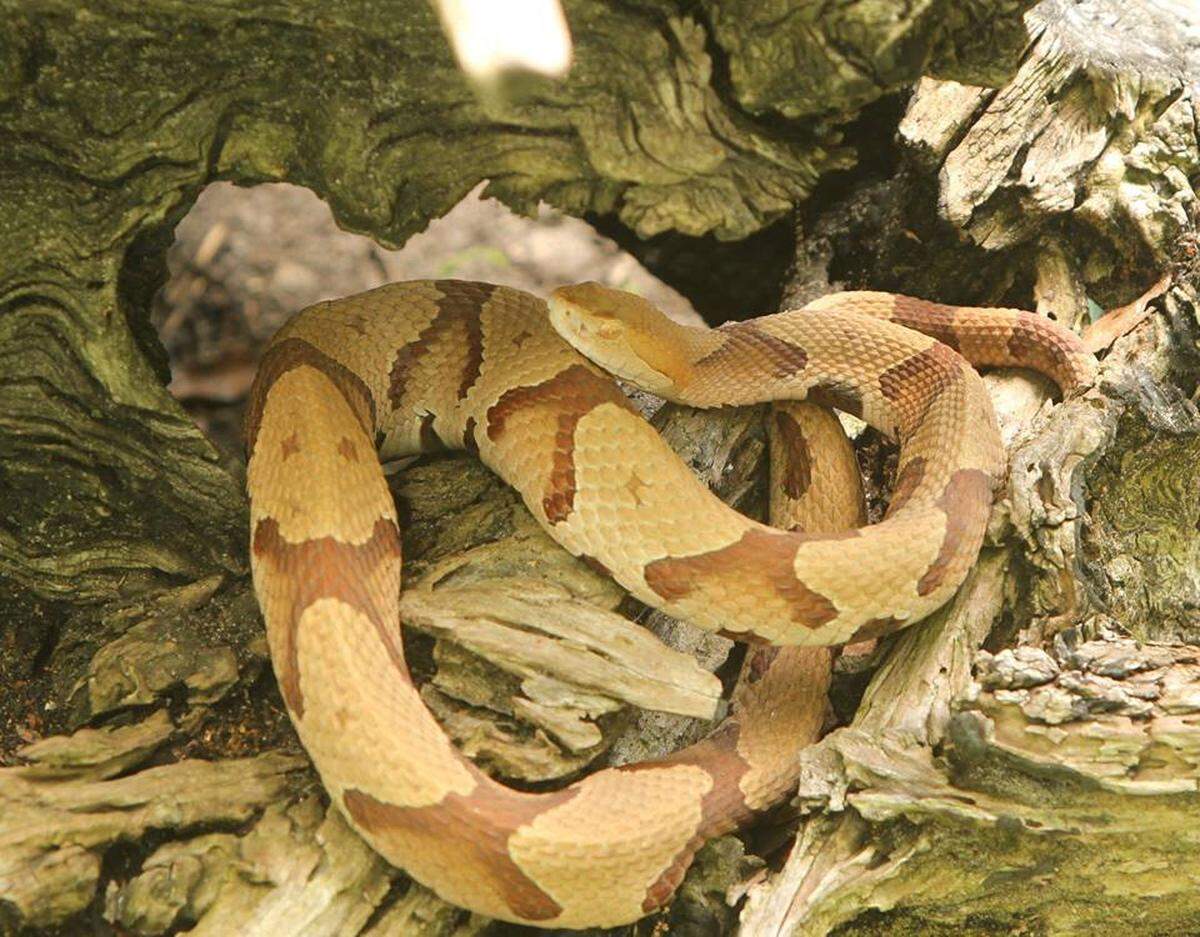
According to the Smithsonian’s National Zoo and Conservation Biology Institute, copperheads are large, thick-bodied and known for their distinct keeled, copper-colored scales.
While their heads are unmarked, brown crossbands resembling an hourglass are visible along the snakes’ bodies. Wider portions of the shape can be seen on either side while more narrow portions cross the copperhead’s back and tailbone, experts say. The pattern is often said to resemble a Hershey’s Kiss, the Observer previously reported.
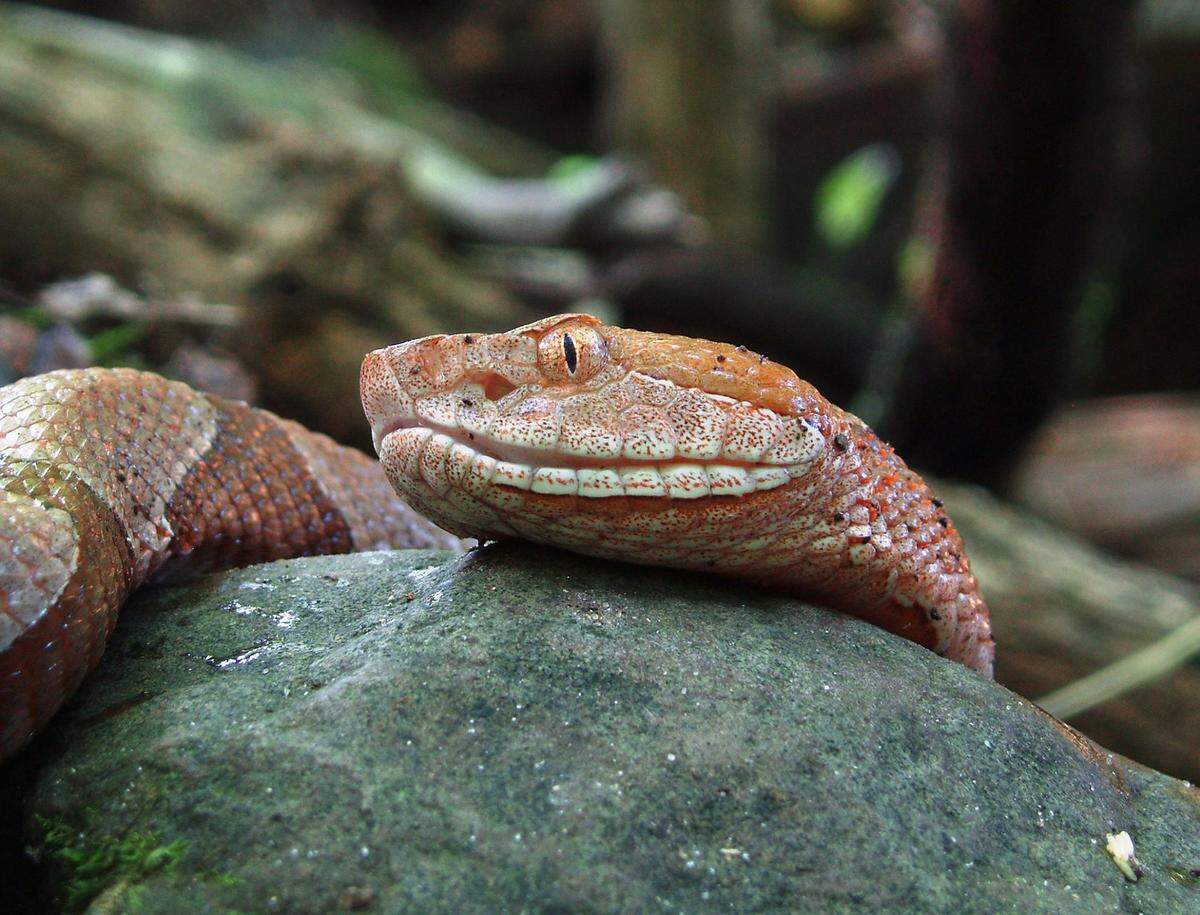
Younger copperheads can be gray in color with a yellow-tipped tail, though this usually fades over time, according to the Smithsonian.
What to do if you’re bitten by a copperhead (or other venomous snake)
While rare, copperheads can bite if they’re mishandled or feel threatened. If you’re bitten, remember to:
- Call 911, or NC Poison Control at 1-800-222-1222.
- Sit down and remain calm.
- Wash the wound with warm, soapy water.
- Remove any jewelry or tight-fitting clothing.
- Keep the affected area still and, if possible, raise it to heart level.
Portions of this story were previously published in The Charlotte Observer.
This story was originally published February 6, 2026 at 4:41 PM with the headline "Where do copperhead snakes go when it’s cold in NC? What experts say."