Measles detected in NC’s 2 largest metro areas. What to know as cases rise
Measles has reemerged in North Carolina, with cases reported in each of the state’s two largest metro areas.
There have been 15 cases reported in the state since December, a spokesperson for the N.C. Department of Health and Human Services told The Charlotte Observer in an email.
According to the NCDHHS Measles Cases and Outbreaks Dashboard, a third of those cases are in the Charlotte area, including three in Mecklenburg County and two in Cabarrus County. In the Triangle area, one case was reported in Nash County. There have been no reported cases in Wake, Durham or Orange counties as of Thursday, Feb. 5.
Buncombe County has six reported cases, the most in the state.
Three out of four measles cases in the state occurred in people who were unvaccinated, according to NCDHHS data, with the remaining cases in people with only one dose of the Measles, Mumps and Rubella (MMR) vaccine. Data also show the majority of cases occurred in people younger than 18.
“Measles is not a disease of the past — it is still present in our state,” Dr. Kelly Kimple, NCDHHS Director of the Division of Public Health, said in a news release Wednesday. “Staying up to date on vaccinations is a simple but powerful step we can all take to keep our communities healthy.”
Here’s what you need to know.
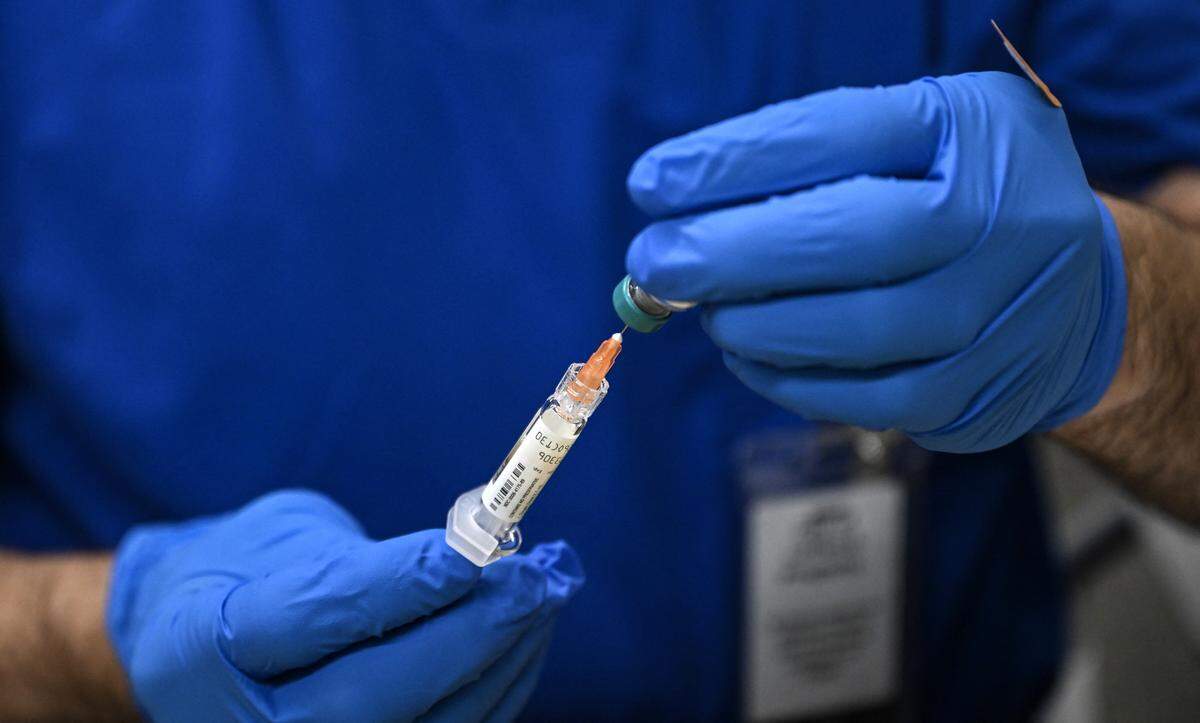
Measles symptoms
Measles symptoms typically appear seven to 14 days after infection, according to the Centers for Disease Control and Prevention.
Common initial symptoms include:
- High fever
- Cough
- Runny nose
- Red, watery eyes
After two to three days of symptoms, the CDC adds, tiny white spots known as Koplik spots may appear inside the mouth.
The rash associated with measles typically appears three to five days after symptoms set in. The rash usually starts as flat red spots on the face at the hairline and can spread down the body. It may be accompanied by small raised bumps and/or a fever spike to more than 104°F.
Mecklenburg Public Health recommends anyone with measles symptoms seek medical care immediately and call ahead before visiting a doctor’s office, clinic or emergency room “to get instructions to prevent further spread” of the disease.
How effective is the measles vaccine?
The MMR vaccine is the best line of defense against the virus, Dr. David Wohl, an infectious disease expert at UNC Health, previously told The Observer.
Mecklenburg County Public Health encourages residents to stay up-to-date on the MMR vaccine, noting that two doses of the vaccine prevent disease in 97% of people.
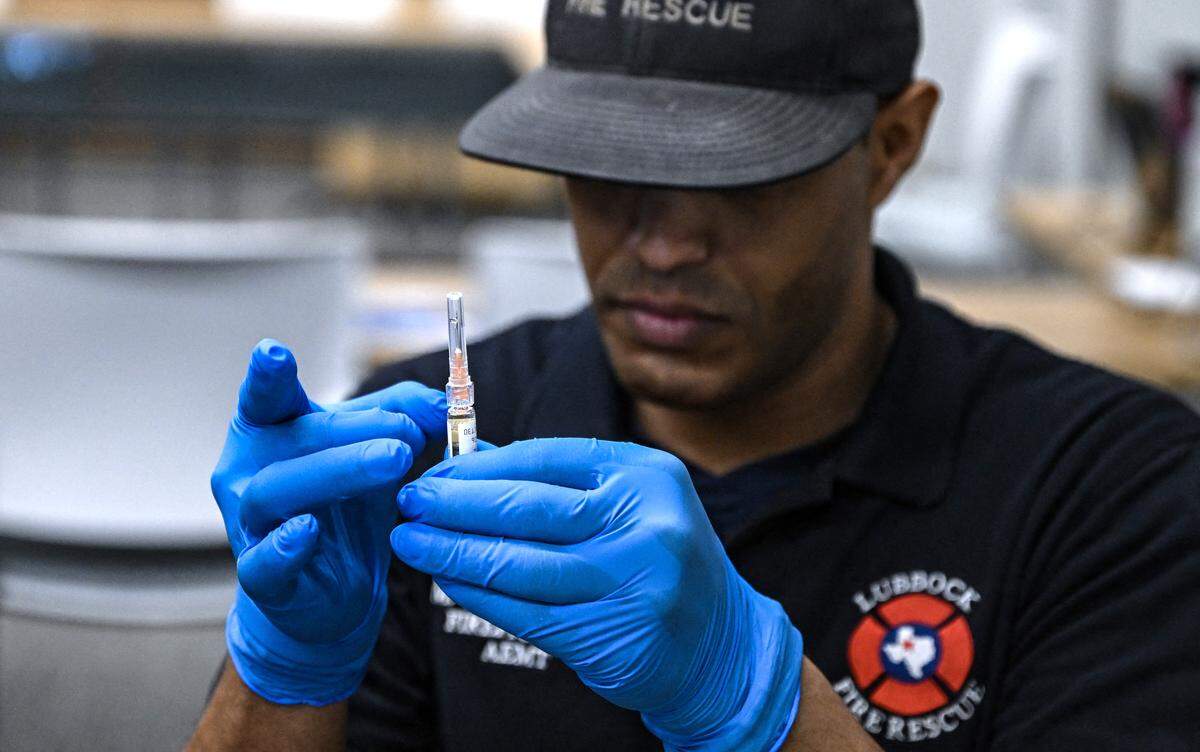
Who should get the measles vaccine?
Most children receive two doses of the MMR vaccine, one at 12-15 months and another at 4-6 years, while adults who are unvaccinated or unsure of their status should check with a health care provider, according to NCDHHS.
People born before 1957 are generally considered immune, though an additional dose is safe, Wohl said.
The vaccine is not recommended for infants under 1 year old or for people who are severely immunocompromised, such as those undergoing chemotherapy.
Where to get the measles vaccine in NC
You can visit any of the following places for MMR vaccines in NC:
- Pharmacies: Walk in or schedule appointments at pharmacies like CVS and Walgreens. You can also inquire with local neighborhood pharmacies.
- Some grocery and big box stores with pharmacies: Walk in or schedule appointments at stores like Walmart, Target and Publix.
- Your healthcare provider: Of course, you can contact your doctor for an appointment.
This story was originally published February 5, 2026 at 1:51 PM with the headline "Measles detected in NC’s 2 largest metro areas. What to know as cases rise."