Is the ‘quad-demic’ over? UNC hospitals are making some changes. Here’s what to know
North Carolina was in the midst of a “quad-demic,” with flu, COVID, RSV and walking pneumonia spreading rapidly in the state during winter, The Charlotte Observer reported — but a recent move by a local healthcare system shows respiratory illness season may be over.
UNC Hospitals and UNC Health Rex announced Thursday, March 27, that visitor restrictions were lifted due to “decreasing cases of flu and other respiratory illnesses,” allowing visitors to see their loved ones in inpatient areas during regular visiting hours.
“The temporary visitor restrictions were implemented in early January to prevent further spread of respiratory illnesses, and to protect our patients, teammates and visitors,” the release said. “While respiratory virus activity is currently decreasing, to keep our patients and teammates safe, visitors who are sick will not be allowed to visit inpatients.”
The visitor restriction was put in place primarily to protect young children from respiratory illnesses, Dr. Emily Sickbert-Bennett, an epidemiologist with UNC Health, told The Charlotte Observer.
“Our visitor restriction was for children 12 and under, and we put that in place during the times when we see the highest activities, particularly of RSV and the flu,” Sickbert-Bennett said. “Just as an additional measure to keep our hospitalized patients safe from getting an infection that they did not come into the hospital with.”
Does this mean the “quad-demic” is over? Here’s what to know.
Is the ‘quad-demic’ over?
Doctors say so. COVID, flu and RSV levels have hit their peaks, Sickbert-Bennett said. (Pollen levels and springtime allergies are a whole different story.)
“For influenza, we saw some of our highest levels in February,” said Sickbert-Bennett. “And for RSV, we saw more of our higher levels in January.”
Sickbert-Bennett said several COVID peaks have been observed over the last couple of years, but the winter peak has passed.
Though they’re more common in fall, walking pneumonia cases are still observed during spring, Sickbert-Benett said.
She also warned that doctors are still seeing cases of each of these illnesses, which means people who are at high risk of developing serious symptoms should still take steps to protect themselves.
“We’re still seeing activity with these illnesses,” said Sickbert-Bennett. “They’ve just decreased to lower levels.”
How to avoid COVID, flu & RSV
There are quite a few ways we can protect ourselves, The News & Observer previously reported. Make sure you:
▪ Wear masks: All of these respiratory illnesses can be spread through airborne virus or bacteria particles. Be sure to wear them especially when you’re indoors in large crowds.
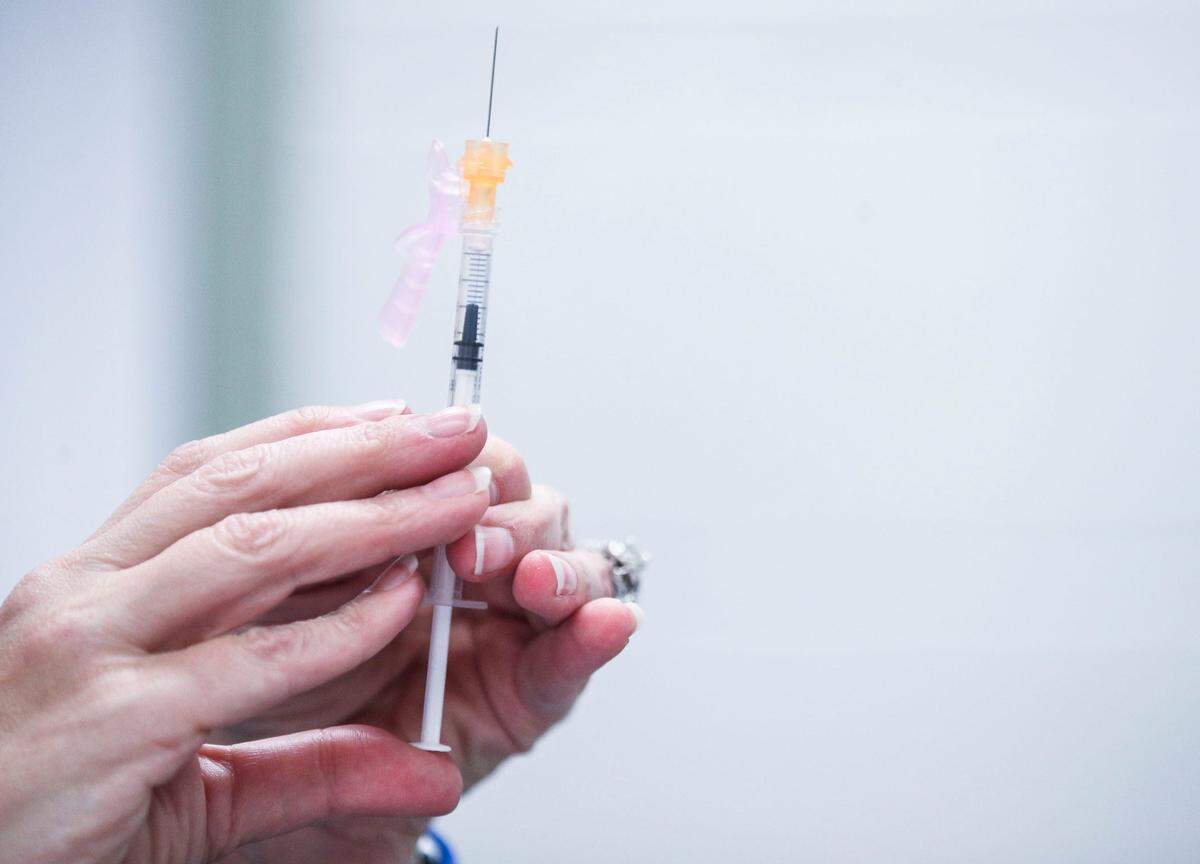
▪ Get vaccinated: Most people 6 months and older are recommended to get a flu shot and the most recent COVID shot. RSV vaccines are mostly recommended for adults 75 and older and very young children. There’s also a high-dose flu vaccine for older adults. (There’s no vaccine for walking pneumonia or norovirus.) Pregnant people are especially encouraged to get vaccinated to protect themselves and the fetus.
▪ Take early therapies: There are simple and effective oral antiviral therapies for flu and COVID, but you need to start them early. You only have 48 hours from the earliest symptoms for flu cases and five days for COVID cases. (Oral antibiotics can treat walking pneumonia. And while there’s no therapy for RSV, there is a vaccine for older adults and pregnant people.)
▪ Stay safe the old-fashioned way: Cover your nose and mouth when you sneeze, wash your hands with soapy water (or use alcohol-based sanitizer if you can’t), open windows to promote airflow and stay home and secluded when you’re feeling under the weather.
Is it too late get a flu, COVID shot?
No, it’s not too late to get a flu or COVID vaccine, Sickbert-Bennett said.
An estimated 45% of adults in North Carolina have received their flu shot this season, according to the latest CDC data available.
Where to get a COVID, flu shot in NC
Visit covid19.ncdhhs.gov/vaccines and enter your zip code find a vaccine near you. In general, you can also check out:
▪ Pharmacies: Walk in or schedule appointments at national pharmacies like CVS and Walgreens. You can also inquire with local neighborhood pharmacies.
▪ Grocery and big box stores: Walk in or schedule appointments at stores like Walmart, Target, Harris Teeter and Publix.
▪ Your healthcare provider: Of course, you can contact your doctor for an appointment.
The News & Observer’s Kimberly Cataudella Tutuska contributed to this story.
This story was originally published April 1, 2025 at 10:55 AM with the headline "Is the ‘quad-demic’ over? UNC hospitals are making some changes. Here’s what to know."