Here are 8 alcohol-related rules & laws you should know if you’re going to drink in NC
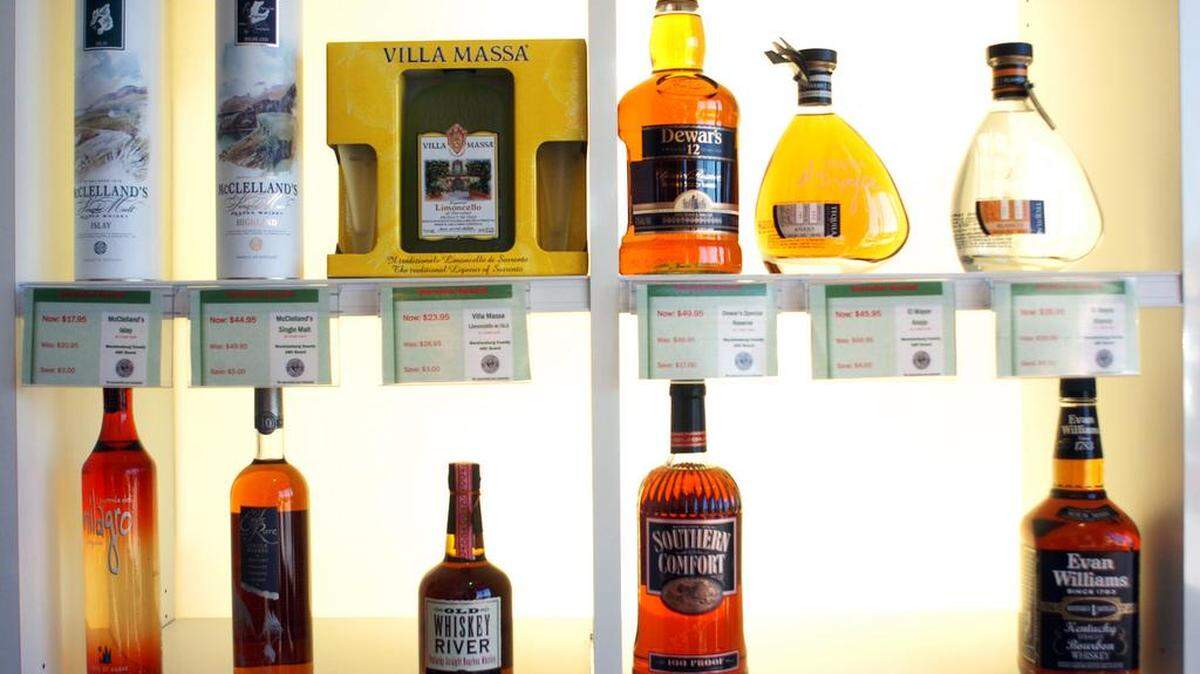
North Carolina is known for having strict alcohol laws.
If you’re new to the Tar Heel State, you might be surprised to learn that you can’t go to the liquor store after church, and that you can’t buy it in grocery stores.
Here are some the state’s alcohol-related laws you need to know about.
1. NC liquor stores are government-owned
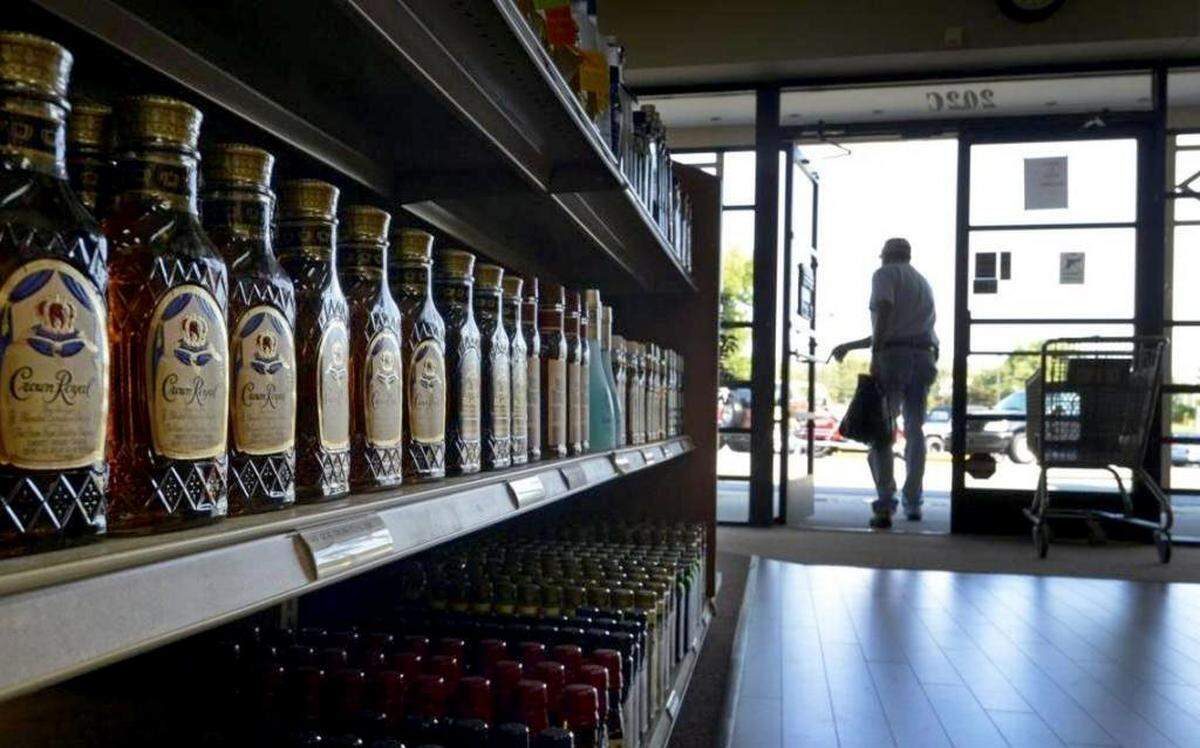
It’s no coincidence that every liquor store in North Carolina has the acronym “ABC” attached to it.
The acronym stands for Alcoholic Beverage Control, which “provides uniform control over the sale, purchase, transportation, manufacture, consumption and possession of all alcoholic beverages in the state.,” according to the ABC Commission website.
There are 171 local ABC Boards, which are locally appointed and own and operate the ABC stores throughout the state, said Jeff Strickland, public affairs director for the ABC Commission. (For example, the ABC stores in Mecklenburg County are all operated by the Mecklenburg County ABC Board.)
Graham was formerly the state’s last dry county, but voters narrowly approved a ballot referendum to allow alcohol sales in the county in 2021, WUNC reported.
You can use ABC’s government website to track down a liquor store near you: abc.nc.gov/Search/ABCStoreLocator
2. North Carolina does Happy Hour differently
According to North Carolina state law, businesses are only able to offer Happy Hour food specials in North Carolina. For drink specials, the discount must last the whole day and be offered to all customers.
▪ However, establishments can sell margarita pitchers, bottles of wine, beer buckets and more large-quantity alcoholic options to two or more patrons, per 14B NCAC 15B .0223.
And the drink special rule includes an exception. Businesses can offer a package deal for food or entertainment where alcoholic beverages are included in the price four days out of the year: New Year’s Day, Valentine’s Day, Mother’s Day and Father’s Day.
“The offer of a meal and alcoholic beverage at a single total price is not a violation of this Section so long as the total price reflects the actual price of the alcoholic beverages and not a reduced price,” ABC Rule 2S.232 (d)(e) says.
3. Bottomless drinks are illegal in NC, too
If you were hoping for bottomless mimosas during your next brunch outing, you’re out of luck.
According to administrative rule 14B NCAC 15B .0223, on-premise permittees shall not:
Sell more than one drink to a customer for a single price
Determine a single price based upon the required purchase of more than one drink
Give more than one drink at one time to a customer for their consumption
“’Bottomless’ drink offers (paying one price for multiple drinks) would be in violation of this rule,” a representative from the NC Department of Public Safety’s alcohol law enforcement previously told The N&O.
4. Alcohol sales are limited on Sundays in NC
What do Chick-fil-A and ABC stores in North Carolina have in common? They’re both closed on Sundays.
Before 2017, state establishments were not allowed to sell alcohol on Sundays until noon. But that changed when then-Gov. Roy Cooper signed a “brunch bill” into law, allowing restaurants to begin serving alcoholic beverages at 10 a.m. on Sundays, The N&O previously reported.
A later addition to the bill expanded the provision to include grocery stores, convenience markets, private clubs and any other place licensed to sell alcohol.
5. No open containers / broken seals in the car
If you open a beer or break the seal on a bottle of alcohol, then you’re not allowed to have it in your car.
Alcoholic beverages of any kind — open or closed — are banned in commercial vehicles, like buses and dump trucks, but there are some exceptions. Those can be found at cdps.gov.
▪ In 2020, when the legislature approved to-go cocktails, several regulations were put in place regarding their packaging for transport, The N&O previously reported. The drinks must be sealed in a container and remain sealed during transit from the bar or restaurant to your destination, much like purchasing a bottle of liquor from an ABC store, according to the governor’s office. Consuming the drink while inside your vehicle is against the law.
Note: Some city ordinances may also make it illegal to walk with an open container in public.
6. You can (sometimes) carry open containers in public
Open containers aren’t allowed in cars, but thanks to a relatively new state law, you can carry them in public — but only a certain places.
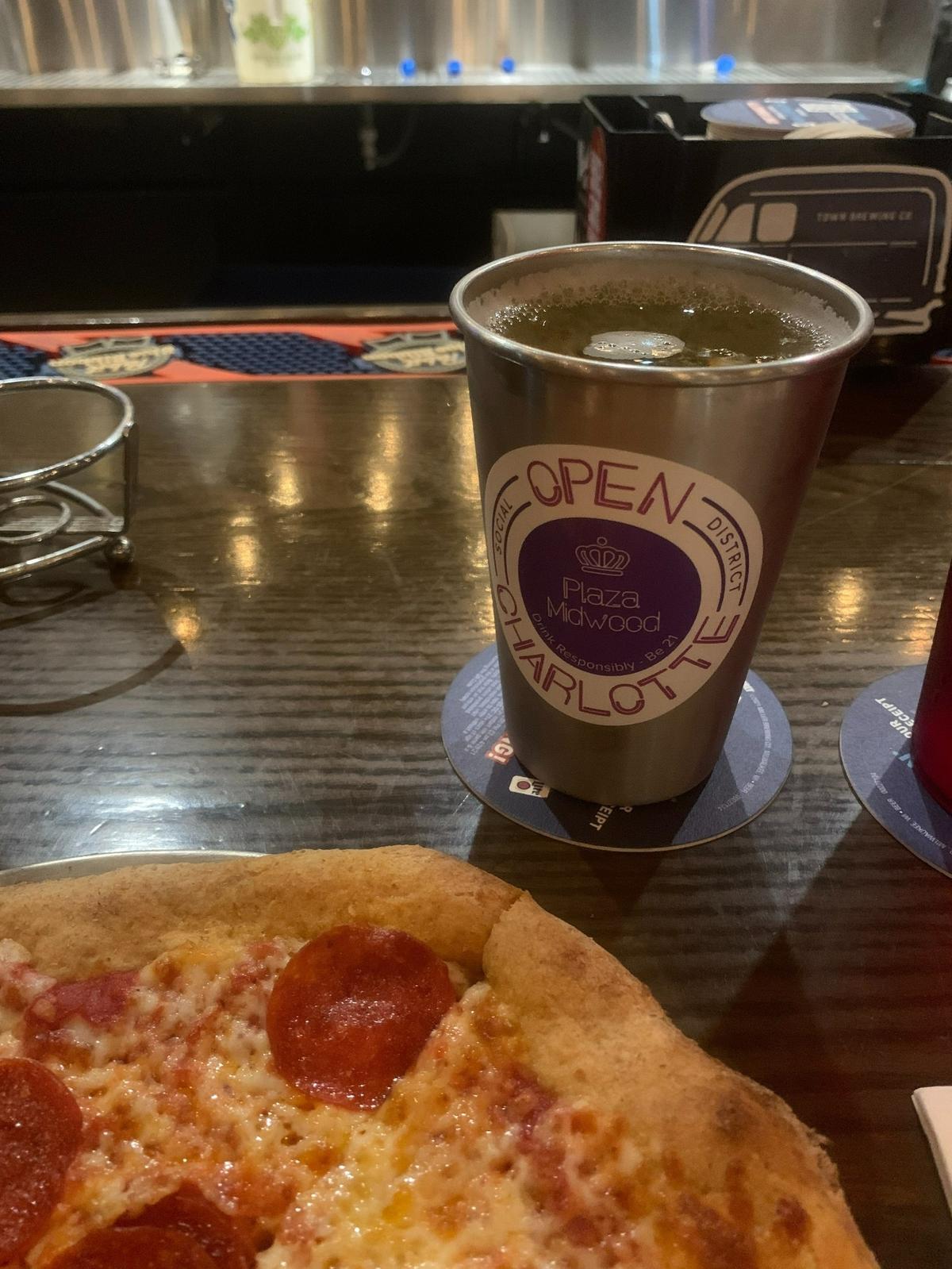
In 2021, the state gave local governments the authority to create social districts, which are designated areas where patrons can carry open containers and consume alcohol in public — but there are restrictions.
▪ In certain districts (like in Charlotte and Durham), drinks consumed within social districts must be in containers that are labeled with the social district’s logo to identify where the drink was purchased and is allowed.
▪ You’re not allowed to bring your own drinks to social districts. Beverages consumed in social districts must be purchased from a restaurant, bar or other establishment within the boundaries and hours of social district.
▪ Just because a business is located within a social district, it doesn’t mean you can automatically drink there. A business located within the social district can decide whether to participate in the activities of the district.
7. Public intoxication is not a crime in NC
Being drunk in public is legal, according to state law, but being drunk and disorderly is a different story.
In North Carolina, it’s a crime to be disruptive while publicly intoxicated. According to state law, doing any of the following could result in a Class 3 misdemeanor charge:
Block or interfere with traffic on a highway or public vehicular area
Block or lie across, otherwise prevent or interfere with access to or passage across, a sidewalk or entrance to a building
Grab, shove, push or fight others, or challenge others to fight
Curse, shout at or otherwise rudely insult others
Panhandle or beg for money or other property
Even if you’re not being disruptive, police could still take you into custody. State law allows police to place you into protective custody, which could include your home, a loved one’s home, a shelter or healthcare facility.
8. NC’s DWI blood alcohol limit is .08% (except when it’s not)
It’s common knowledge that drivers in North Carolina can avoid being charged with driving while impaired by having a blood alcohol content under 0.08% – but that’s not true for all drivers.
▪ For most drivers, if their Intoxilyzer test reads 0.08% or more, it means their licenses get revoked for 30 days. After 10 days, a limited driving privilege becomes available.
▪ However, if you’re driving a commercial vehicle, that limit drops to 0.04%
▪ And if you’re under the age of 21, or driving school bus or child care vehicle, there is a zero tolerance policy — meaning no level of alcohol consumption is permitted when driving.
Here are some other DWI rules in North Carolina, according to the NC Department of Public Safety:
If you refuse an Intoxilyzer test (either breath or blood), your license is automatically revoked for 30 days, and DPS imposes an additional one-year revocation after the opportunity for a hearing. Even if you’re found not guilty of a DWI in court, the one-year revocation is still imposed for refusing the test, but you can get a limited driving privilege granted after six months.
If someone under the age of 21 refuses an Intoxilyzer test and merely has the smell of alcohol on their breath, they can be convicted of driving after drinking.
The News & Observer’s Kimberly Cataudella Tutuska contributed to this story.
This story was originally published March 31, 2025 at 7:00 AM with the headline "Here are 8 alcohol-related rules & laws you should know if you’re going to drink in NC."
CORRECTION: This story has been updated with the accurate ABC acronym and explanation of how local boards work throughout the state.