Medical marijuana is about to be openly sold in NC, but only in one place
READ MORE
NC’s state of mind on medical marijuana
A poll earlier this month of North Carolina voters found 68% support legalizing medical marijuana while 19% don’t. Yet, bipartisan momentum for 2021’s medical marijuana bill fizzled in the state legislature. Will lawmakers revisit the topic in 2022? While the state awaits a decision, did you know medical marijuana soon will be available in one small pocket of North Carolina? And legal or otherwise, do you know the benefits and risks of THC, THC delta-8 and CBD?
Expand All
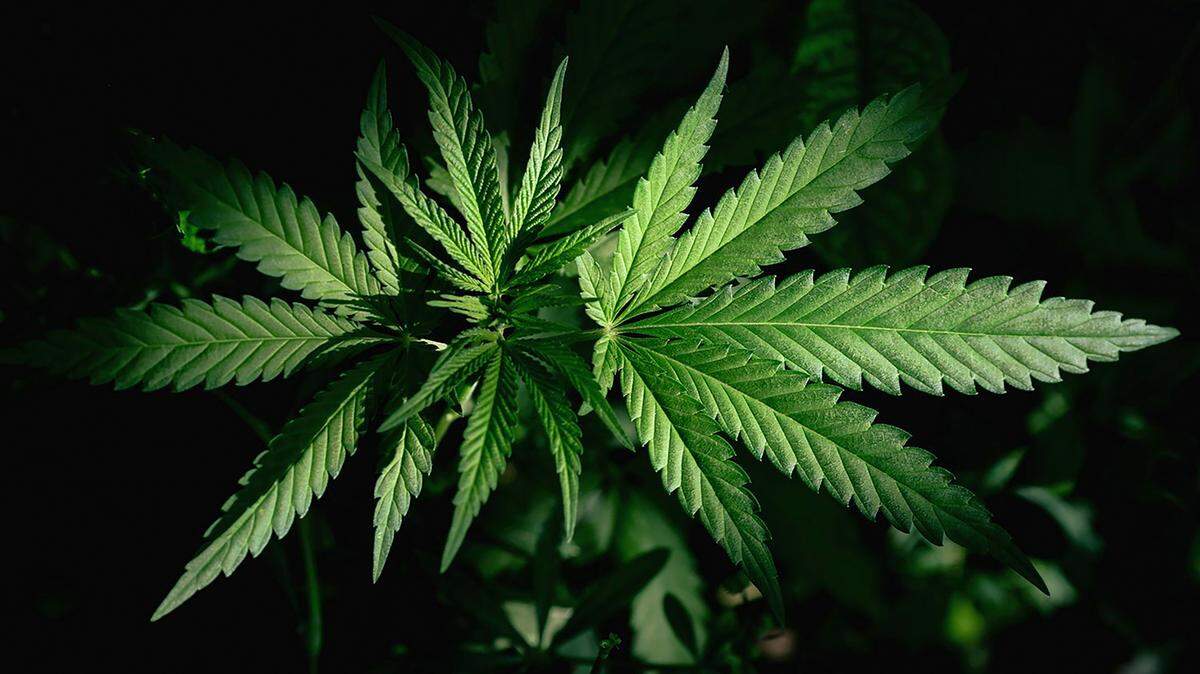
NC’s medical marijuana bill didn’t advance in 2021. Here’s what to expect this year.
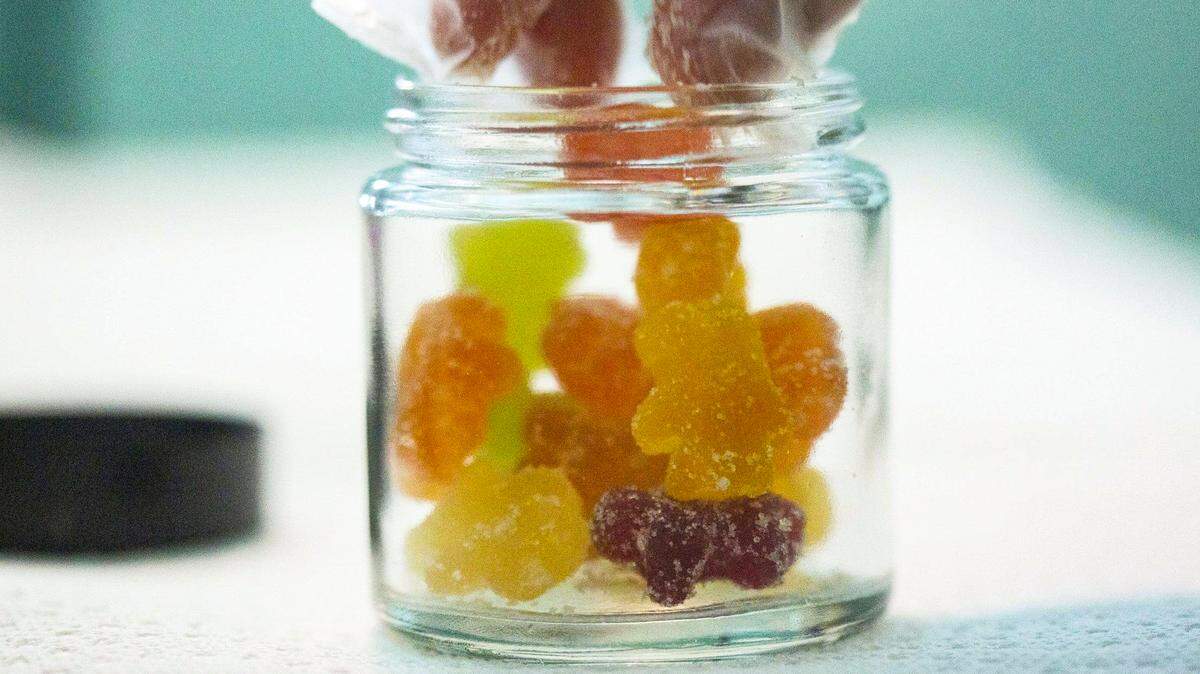
How are CBD and THC different? What’s legal in NC? Answers to common questions
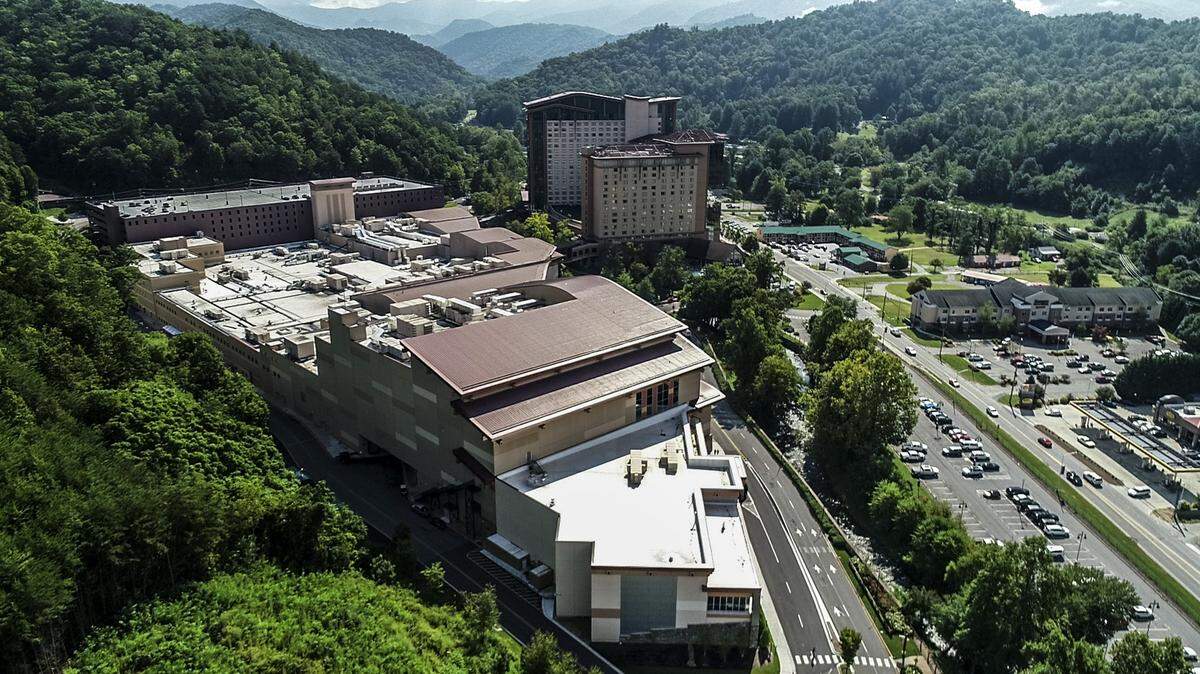
Medical marijuana is about to be openly sold in NC, but only in one place
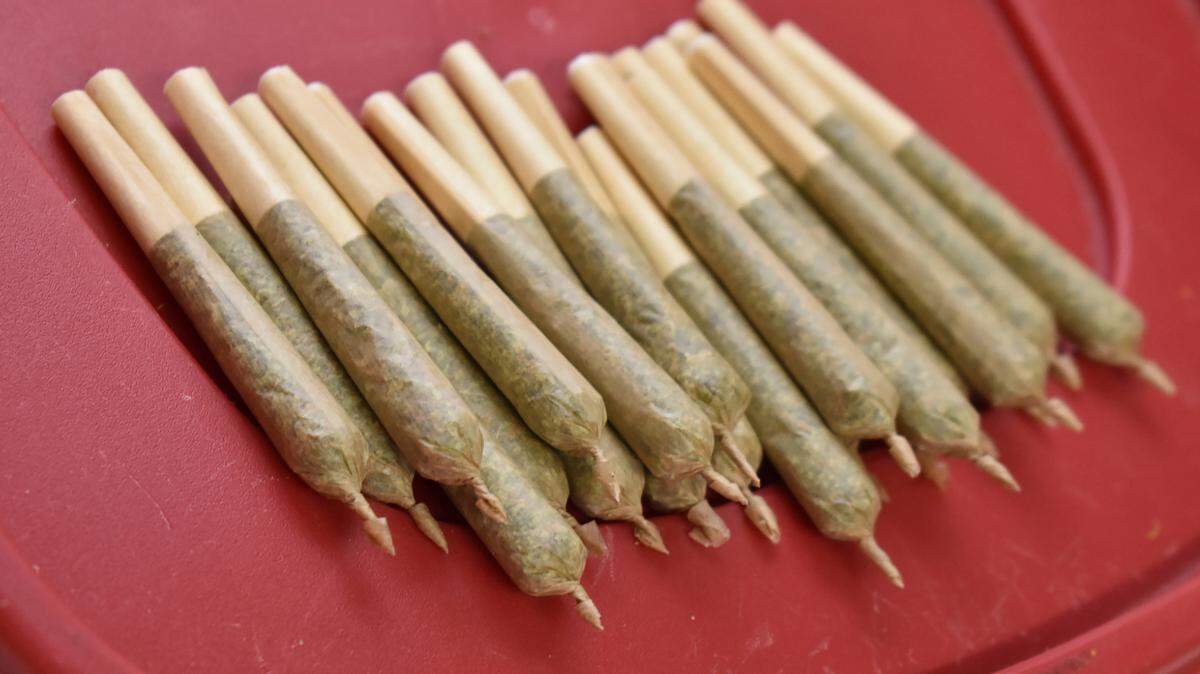
Should medical marijuana be legal in NC? Tell us what you think in this poll.
Why does everyone associate ’420’ with marijuana on April 20? Here’s what we learned.
Marijuana is now decriminalized — and soon to be legally sold in dispensaries — in a small pocket of North Carolina, no matter what the state government decides to do on the subject.
That’s because an independent, sovereign government is nestled in the mountains of Western North Carolina: the Eastern Band of Cherokee Indians. And they recently legalized medical marijuana, with sales expected to start less than a year from now.
It will be open to anyone with a qualifying medical condition who gets a proper prescription, not just members of the tribe. The tribe will soon start issuing its own medical marijuana cards, and will also recognize cards from other places where it’s already legal.
Jeremy Wilson, a former tribal council member, now leads the business side of the tribe’s medical marijuana push. He said in a recent interview they hope to have a dispensary open by early 2023, possibly as soon as January.
Even just five years ago when he first joined the council, Wilson said, legalization was a taboo topic. But as concerns about the opioid epidemic continued growing, non-addictive marijuana started looking more attractive for medical uses.
“I basically just brought up the no-no talk and, basically, said we need to have more conversations about legalizing medical marijuana,” he said. “At the time it was a topic nobody wanted to talk about ... but it’s been heartwarming because it’s gone in just a few years from ‘We shouldn’t even talk about this,’ to, ‘When is this going to happen?’”
What’s the plan?
The Cherokee didn’t fully legalize marijuana for recreational use — just medical use, similar to what state legislators in Raleigh have been mulling.
Possessing small amounts of marijuana, for any reason, has also been decriminalized inside the Qualla Boundary, the name for the Cherokee territory. It remains a crime to sell pot, but in an 11-1 vote last May the tribal council voted to decriminalize possession of up to 1 ounce of marijuana.
It will also be semi-legal for some qualifying medical marijuana patients to grow their own marijuana at home, if they would rather skip the dispensary altogether.
The tribe’s ordinance says that if someone is a member of the tribe, living on the boundary, and has a medical marijuana card, the tribe won’t prosecute them on marijuana charges as long as they have fewer than 12 plants, as well as less than 2.5 ounces of usable cannabis. However, the ordinance notes, they could still face criminal charges from the state.
Medical cards aren’t available yet. But they will be soon, and can even be obtained by people who aren’t members of the tribe, as long as they are 21 or older and have qualifying medical conditions.
These include a range of ailments from cancer to chronic pain, anxiety, glaucoma or even as a way to try to quit opioids. The list is far more permissive than what state lawmakers have discussed for statewide legalization.
People who qualify medically to buy marijuana at the tribe’s dispensary will be allowed to use it on Cherokee land, but could face legal risks if they leave with it.
“We have to be clear with people that, ‘Look, it’s legal here in the Qualla Boundary, but if you take it back home with you to somewhere it’s not legal, that’s on you if you get caught with it,’” Wilson said.
People who take small amounts off the boundary wouldn’t be prosecuted if the General Assembly were to decriminalize it, like the Cherokee did last May. And a state-level task force led by Attorney General Josh Stein and N.C. Supreme Court Justice Anita Earls, both Democrats, has recommended doing exactly that.
But so far that task force — which recommended decriminalization but not legalization — has reached a different conclusion from GOP lawmakers in charge of the General Assembly. They’re warming up to medical legalization but still strongly oppose decriminalization since that could open the door to recreational use.
How does Cherokee legalization affect NC?
All the state lawmakers who represent parts of Western North Carolina in or near the Qualla Boundary are Republicans. It remains to be seen if the Cherokee support of medical marijuana, or broader decriminalization, will sway them or their colleagues.
Democrats have mostly been open to both legalization and decriminalization, at least in the past few years as most other states have passed it. The main opposition has come from Republicans, but that began changing in 2021.
That same year, a poll from Elon University found the majority of adults in North Carolina support the full recreational legalization of marijuana. And around three in every four North Carolinians — including most Republicans — support medical marijuana.
For opponents, however, the stigma remains.
The Rev. Mark Creech, a Johnston County pastor who runs the Christian Action League, said he’d be skeptical of any positive reports out of the Cherokee tribe, or from other states that are also new on the medical marijuana scene.
His group is influential in conservative politics statewide, and he said he has been trying to hammer that message home even as GOP leaders seem to be getting more open to the idea. Creech said it’s hard for him to give credence to any positive reports from places that have had what he terms “so-called medical marijuana” for only a few years.
He points to other studies with negative conclusions on the health benefits of marijuana. And for those states or tribes new to the scene, he believes, it’s only a matter of time until they regret it.
“So to me, these lawmakers are like the man who jumped off the top of a high-rise building and on his way down cries out, ‘Look, I’m free. See, nothing bad has happened, everything is good,’” Creech said of marijuana supporters.
If the state does approve medical legalization over the opposition from the religious right, that effort could be aided by the tribe’s example. It also could be complicated, however, since the ailments state lawmakers are considering are significantly more limited than what the tribe approved.
Wilson said he’s had discussions with state leaders and that the Cherokee hope to be good neighbors going forward. That could take several forms, he said, like partnering on sales or even just working with universities or others to study what health effects marijuana does or doesn’t have. Around the country, research has been difficult due to marijuana’s illegal federal status.
“What I would like to do is for the tribe to be that model that digs into the research factors,” he said. “It helps North Carolina. North Carolina’s kind of becoming more of a research hub, so why not lean into that? We’re looking at making hundreds of millions of dollars, but it’s more than that, it’s about helping people, and about removing these stigmas.”
For more North Carolina government and politics news, listen to the Under the Dome politics podcast from The News & Observer and the NC Insider. You can find it at https://campsite.bio/underthedome or wherever you get your podcasts.
This story was originally published April 20, 2022 at 6:00 AM with the headline "Medical marijuana is about to be openly sold in NC, but only in one place."