
NC House budget cuts 20% of vacant state jobs to give bigger raises. How it would work
The North Carolina House budget would cut 3,000 jobs — nearly all of which are vacant — in order to fund raises and reduce overall costs in what Republicans have said is a tight financial year.
The House is expected to take its first of two key votes on the chamber floor Wednesday, and then work out a final budget bill with the Senate that they will send to the governor.
Here’s what you need to know about how the proposed job cuts will work and where the money is going.
Cutting 20% of vacant positions across state agencies
House Republicans are calling for all state agencies to cut 20% of their vacant state employee jobs. They want to add the money from those salaries to the Labor Market Adjustment Reserve, known as LMAR.
The state has about 10,000 vacant jobs, according to budget writers.
The provision was added to the budget bill as an amendment during a committee hearing on Tuesday afternoon.
The money in the LMAR can then be used, at each state agency and institution’s discretion, for additional raises.
Those added raises could range from 1% to 10% for each employee who is chosen by the leaders of their agency to receive a raise.
The raises from cutting vacant jobs would come on top of the 2.5% raises that the House budget has allotted for all state employees across the board.
Critics, including a group that lobbies for state workers, said the cuts would hamper customer service and public safety efforts.
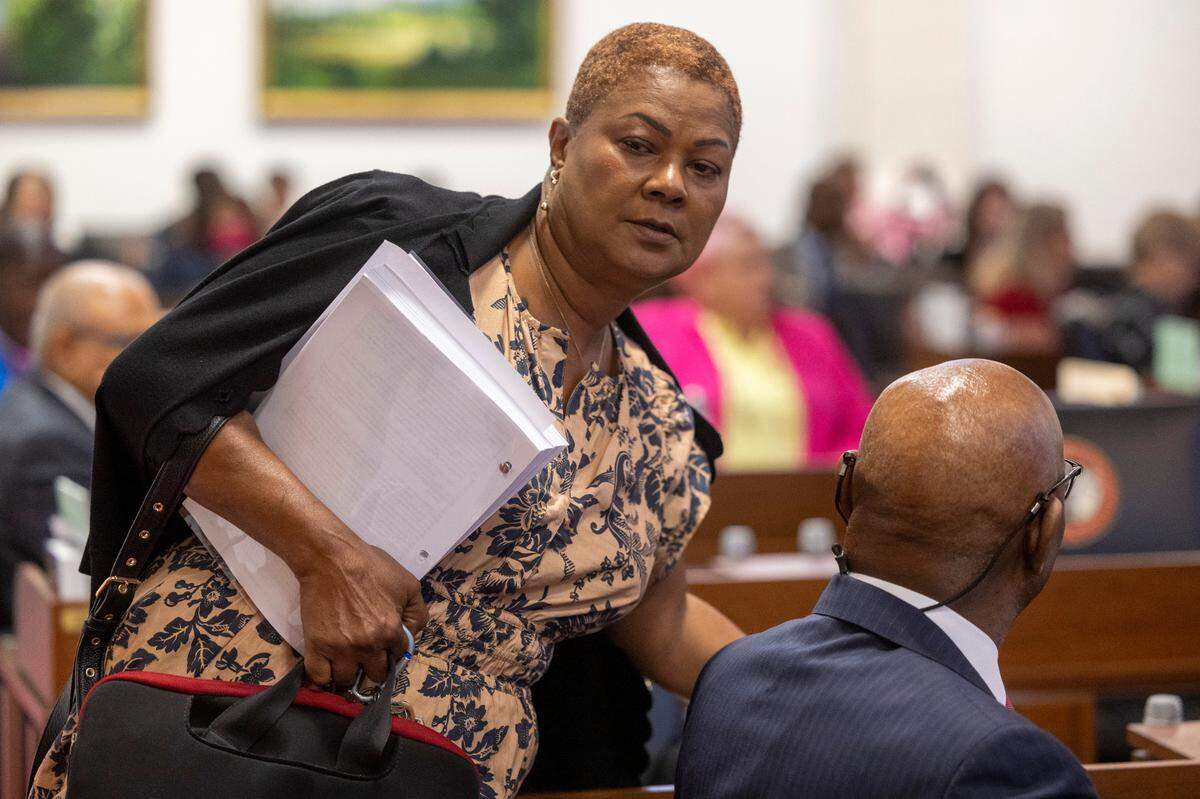
“In practice, it only means that we will have increased staffing shortages, which are going to be permanent,” said Rep. Marcia Morey, a Durham Democrat.
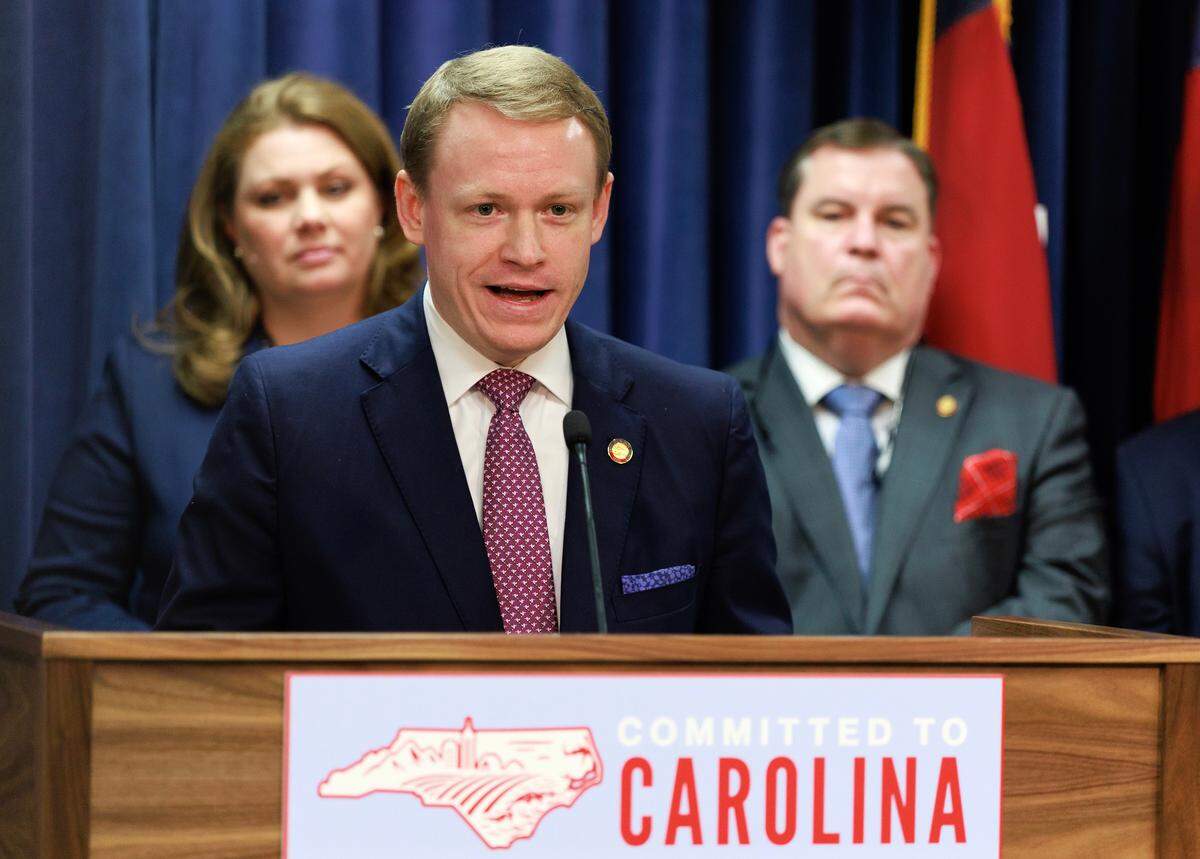
Republican House Speaker Destin Hall said that many of the jobs being cut have been unfilled for months or years.
“There’s nothing to stop us from coming back later and adding those positions again,” Hall told reporters on Tuesday.
The total amount of money from the 20% cuts, which equates to about 2,000 jobs, would be $162 million, according to the amended budget.
20% cuts also for UNC System, community colleges
The cutting of 20% of vacant jobs doesn’t end with state agencies, which includes Gov. Josh Stein’s Cabinet agencies and those headed by other members of the Council of State.
Leaders in the UNC System and community colleges are also being told to eliminate 20% of vacant positions, under the House budget. And that money, too, can be used to fund additional raises.
Some state-funded jobs not included
The 20% cuts do not include state-funded local employees of community colleges, nor state-funded local employees of local public schools, according to the bill. They also do not include employees of the General Assembly.
DEI job cuts
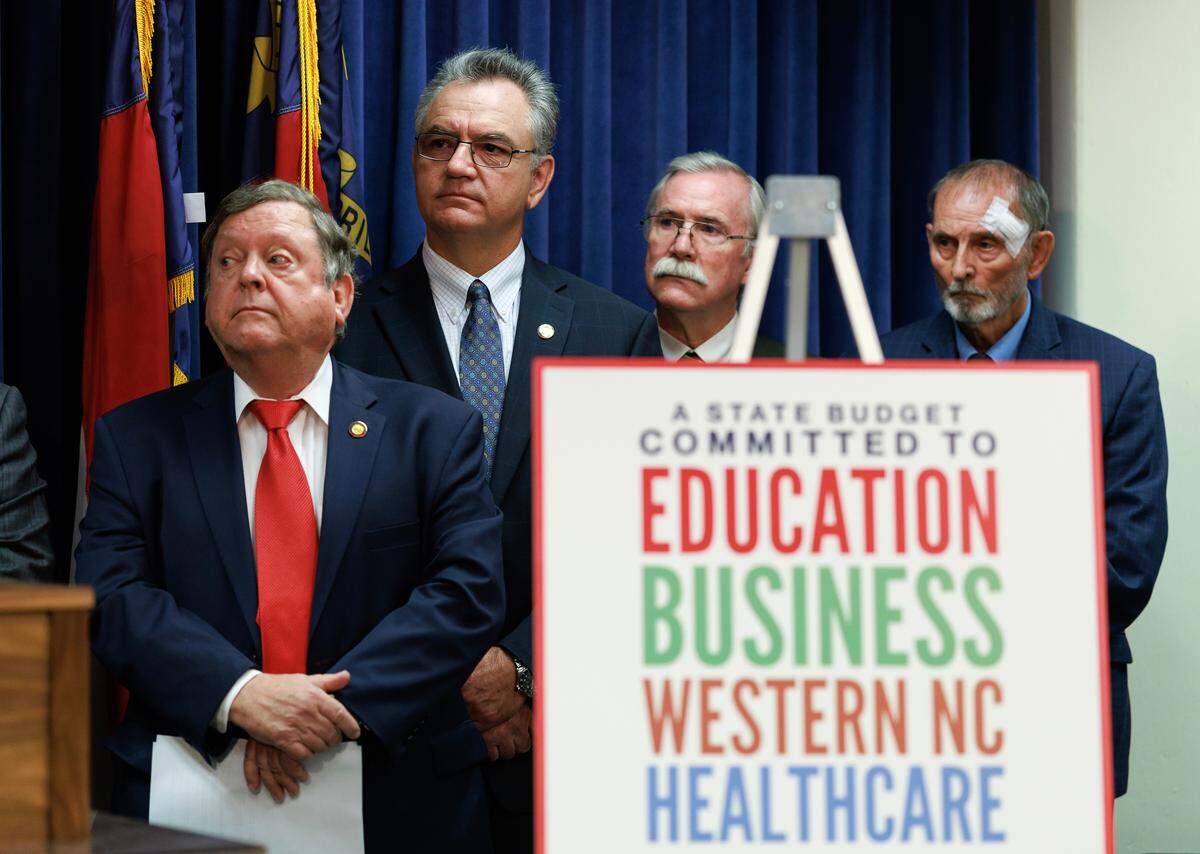
Some state employees will lose their jobs if the House budget becomes law. About 60 positions, most of which are in programs connected to diversity, equity and inclusion, would be eliminated, according to Hall’s office.
That includes the Historically Underutilized Businesses program, which aims to help minority-owned businesses compete for state contracts and purchases, The N&O previously reported.
Health equity office saved
Rep. Carla Cunningham, a Charlotte Democrat, saved three filled jobs slated for cuts in the House proposal.
The N.C. Department of Health and Human Services’ Office of Health Equity would have been eliminated if not for the Democratic lawmaker urging Republicans to restore it, which they did during a committee meeting. It had previously been slated to be cut because of DEI.
Hall, the House speaker, said earlier Tuesday that House Republicans budget chairs had looked for programs with the word “equity” in their names.
“We believe in equality, which is different than what equity is. We believe folks are equal before the law,” he said.
During the committee hearing, Cunningham said DHHS would rename the office. The office works to eliminate health disparities and improve health access across the state.
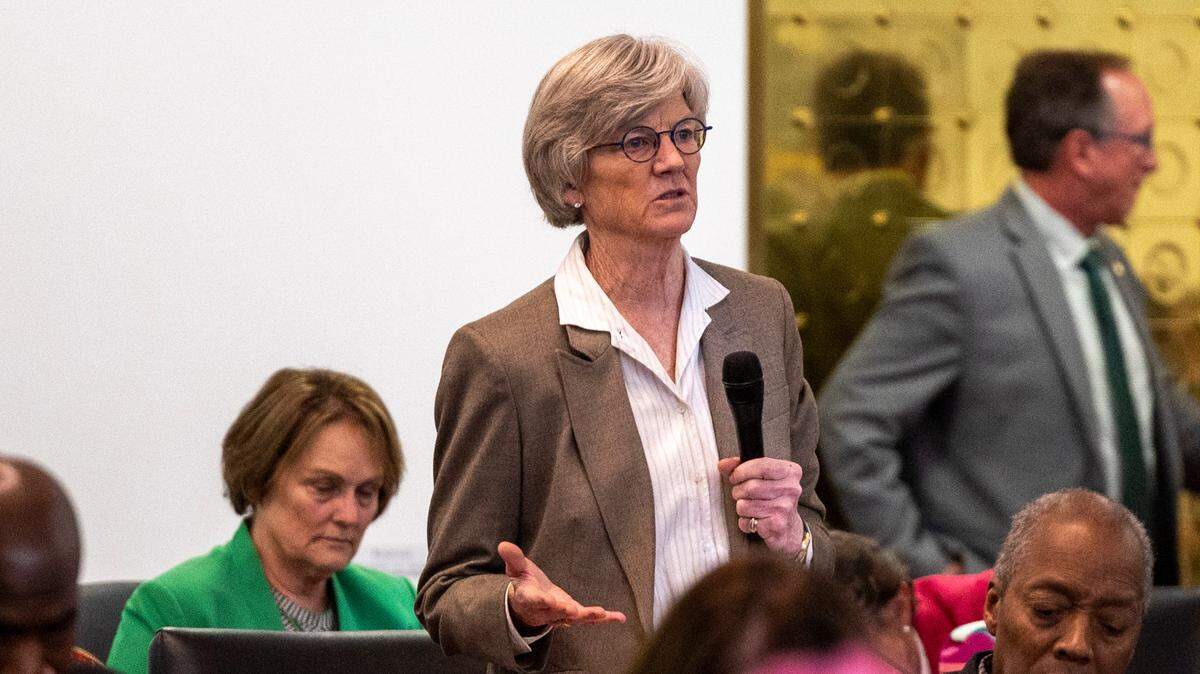
Rep. Donny Lambeth, a Winston-Salem Republican and top budget writer, called her amendment a good recommendation and encouraged Republicans to support it.
The changes would move the equity office from DHHS’ Division of Central Management and Support to the Division of Public Health.
It was one of four amendments by Democrats that Republicans supported and included in the new version of the bill.
SEANC: ‘This is not efficiency’
Ardis Watkins, executive director of the State Employees Association of NC, told The News & Observer that the number of state employees is already 25% lower than it was about 15 years ago, after cuts during the 2008 and 2009 recession. At the same time, she said, the population has increased.
“This is not efficient, if efficiency is defined by the ability to respond to public safety issues, and the ability to respond efficiently, where people aren’t waiting in lines when they have to interact with the government,” Watkins said in an interview Tuesday.
“And so this is creating more of a mess,” she said.
Watkins also pointed out that past LMAR money wasn’t all used. The budget shows that unspent funds in that reserve in the 2023-2024 fiscal year budget were cut.
Cuts could impact employee retention
“It’s just the most bizarre thinking to me that you just cut more positions so that you can give a raise that’s really not enough to keep anybody,” Watkins said, adding that there are additional costs to advertise open jobs and train new recruits.
In a news conference held by Democrats on Tuesday, Morey told reporters that the House Republicans wanting additional raises “is admirable, but not by the way they are doing it.”
“In practice, it only means that we will have increased staffing shortages, which are going to be permanent. So that, for instance, a correctional officer is getting a pay raise, but now that correctional officer will be doing the work of at least two. That could be a major security risk,” Morey said.
Other job cuts
The House budget also contains other job reductions, most of which involve vacancies.
Those would eliminate an additional 906 positions, including cuts at the Department of Adult Correction, Department of Administration and Department of Transportation.
Morey said that cutting nearly 500 vacant positions in the state’s prison system, which would include 400 correctional officer positions that have been unfilled for more than a year, would mean an increased workload for workers.
Goal is ‘flexibility’ for raises
Lambeth said the feedback they received from state agencies called for flexibility in raises beyond the amounts already set in the budget, as he explained the 20% vacant jobs cuts.
“We came up with this idea. We looked at the vacancy rates all across state government,” Lambeth said during a budget hearing Tuesday afternoon.
All the money saved from eliminating 20% of vacant positions across state government jobs will go into the Labor Market Adjustment Reserve for each agency, Lambeth said.
“We did not take any of that money and use it for any other purposes,” he said.
This story was originally published May 21, 2025 at 6:00 AM with the headline "NC House budget cuts 20% of vacant state jobs to give bigger raises. How it would work."
.jpg)