What parents need to know about NC House panel dispute with Chapel Hill schools
AI-generated summary reviewed by our newsroom.
- SB 49 requires notifying parents before changing a student's name or pronoun.
- CHCCS adopted state rules in 2024 but does not require staff to tell parents in all cases.
- House Majority Leader Brenden Jones led a legislative push and signaled tougher laws.
If you’ve been hearing about the clash between state House Republicans and the Chapel Hill-Carrboro City Schools, you’re not alone. It’s been building for months, and the ripple effects could reach well beyond that one district.
On Thursday, Chapel Hill-Carrboro Superintendent Rodney Trice will testify about the district’s library books before a House Select Committee on Oversight and Reform.
Here’s a straightforward breakdown of what’s happening and why it matters for your family.
What started all this?
In 2023, the General Assembly passed SB 49, also known as the Parents’ Bill of Rights, which defines how parents can stay informed and involved in decisions about their child’s health and education.
The Chapel Hill-Carrboro City Schools Board of Education adopted most of the requirements in January 2024, but stopped short of requiring staff to notify parents in every case where a student asks to use a different name or pronoun at school.
Board members said the notification rule discriminates against LGBTQ+ students and could harm those without support at home.
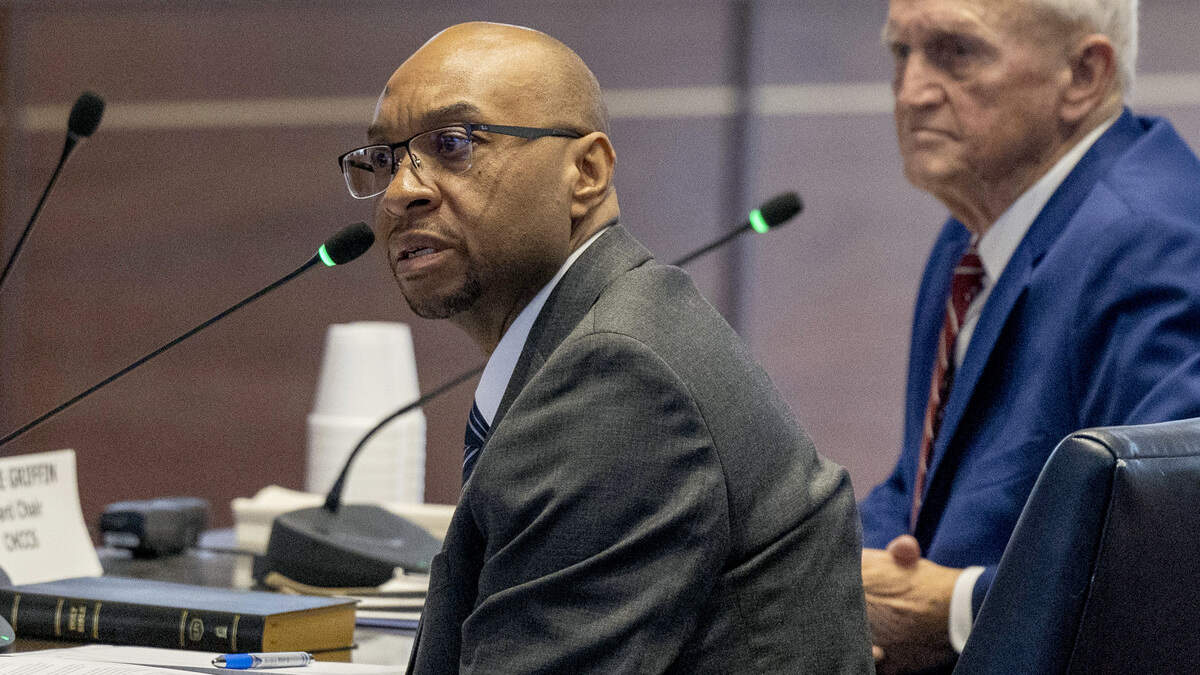
An online social media video of school board Chair George Griffin discussing that decision at a September candidates forum set things in motion.
The decision “was risky,” Griffin said in the video. “But we’re trying to make a statement, as well as protect our kids and our families. For us to sit there and try to wordsmith a policy that somehow legitimizes discrimination just seems ludicrous to us.”
House Majority Leader Brenden Jones, a Republican from Tabor City, shared the post and launched what has become an ongoing legislative push against the district.
What does the Parents’ Bill of Rights actually require?
Here’s what the law says schools must do:
- Notify parents before changing a student’s name or pronoun in the classroom or school records.
- Ban instruction about gender identity, sexual activity or sexuality in kindergarten through fourth grade.
- Keep parents informed and involved in decisions about their child’s health and education.
So what did Chapel Hill-Carrboro actually do?
The district adopted most of the law, including the K-4 instruction ban. District spokesman Andy Jenks said gender identity, sexual activity and sexuality already weren’t part of the district’s K-4 curriculum before the state law was passed.
On the name and pronoun question, staff encourages the student to talk with their parents and can help with that conversation. Names or pronouns can’t be changed without a parent’s permission. Parents who agree must submit an application to the district.
“Our training and written guidance to staff with regard to student name and pronoun changes always has, and continues to be, in compliance with the Parents’ Bill of Rights,” Jenks said. “Staff are explicitly directed that parents must be informed prior to making any change to the name or pronoun used by school staff or in school records.”
The district says it has not received any complaints from parents.
What about the library books?
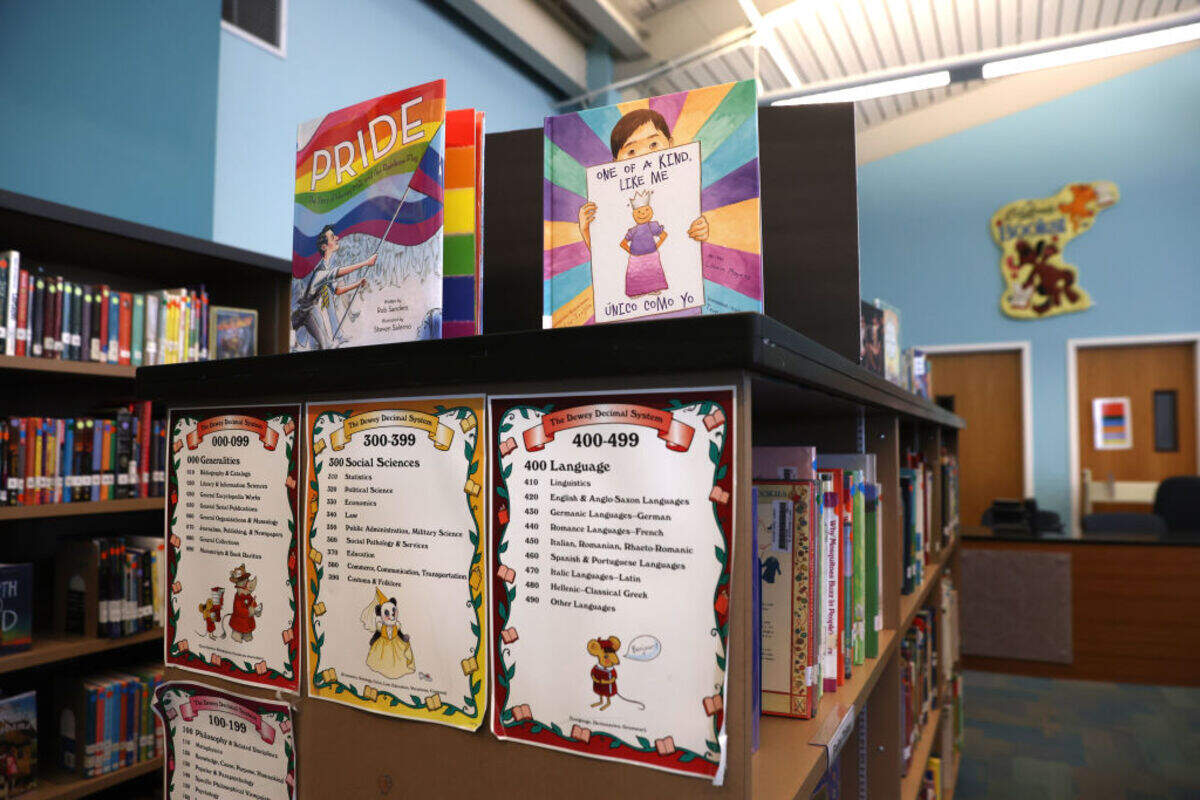
In April, the committee notified Trice about 155 elementary school library books it said conflicted with the Parents’ Bill of Rights.
A separate law passed last year — House Bill 805 — requires school libraries to post online databases of books available to students and requires a process for parents and guardians to flag books they do not want their children exposed to.
CHCCS book lists are posted on the Parents’ Bill of Rights webpage with a link to an opt-out form. Only one parent has challenged a book, and that is going through the committee review process, Jenks said.
Jones said “the burden should not be on the parent to sift through thousands of books in their child’s library to ensure their child is not being exposed to this filth.” His office said it has received dozens of complaints from CHCCS parents.
What happened at previous House hearings?
Griffin and Trice testified before the House Select Committee on Oversight and Reform in December.
Jones accused Griffin of lying about compliance and said: “This wasn’t passive resistance. It was a coordinated middle finger to this legislature and to every parent in your district.”
Jones also read excerpts from three books meant for families of young children from a third-party list previously linked to the district’s website. He threw each book to the floor, saying, “This is damn trash, pure trash.”
Democratic members pushed back.
Democratic Reps. Maria Cervania from Wake County and Eric Ager from Buncombe County called the hearing a “manufactured crisis” and said the House majority “wants to yell at the second-highest performing school district in the state for protecting its students, teaching the truth, and not openly groveling to the all-powerful legislature.”
Could the fight affect school funding?
House Rep. Jeffrey McNeely, a Republican from Iredell County, warned at the December hearing: “Because of y’all, there’s going to be legislation that comes, and it’s going to be pretty tough, because we’re not going to put up with rogue school systems who have no money and will not comply with the laws of the state.”
Records show CHCCS got about 44% of its $191.3 million budget from the state last year. But state law requires equitable funding for all students, which raises questions about how the state could single out one district.
The Parents’ Bill of Rights does not give the state a way to enforce the law directly. Parents can file formal complaints with their school district, appeal to the N.C. Department of Public Instruction or file a lawsuit.
Jones said “stay tuned” when asked how the law might be revised to add enforcement provisions.
The bottom line for parents
This dispute is far from over.
Jones has signaled tougher, new laws are coming, and NC Values Coalition executive director Tami Fitzgerald urged lawmakers to draft strong penalties for violations. The Campaign for Southern Equality warned the law could lead to widespread censorship.
So, whether your child attends Chapel Hill-Carrboro schools or a neighboring district, the outcome of this fight could change policies across North Carolina — from library shelves to classroom instruction.
This story was originally published April 21, 2026 at 8:02 AM with the headline "What parents need to know about NC House panel dispute with Chapel Hill schools."