
These are the most powerful people deciding what bills become law in North Carolina
The General Assembly’s 2023 session has begun. Here are names to know of the most powerful people deciding what bills become law.
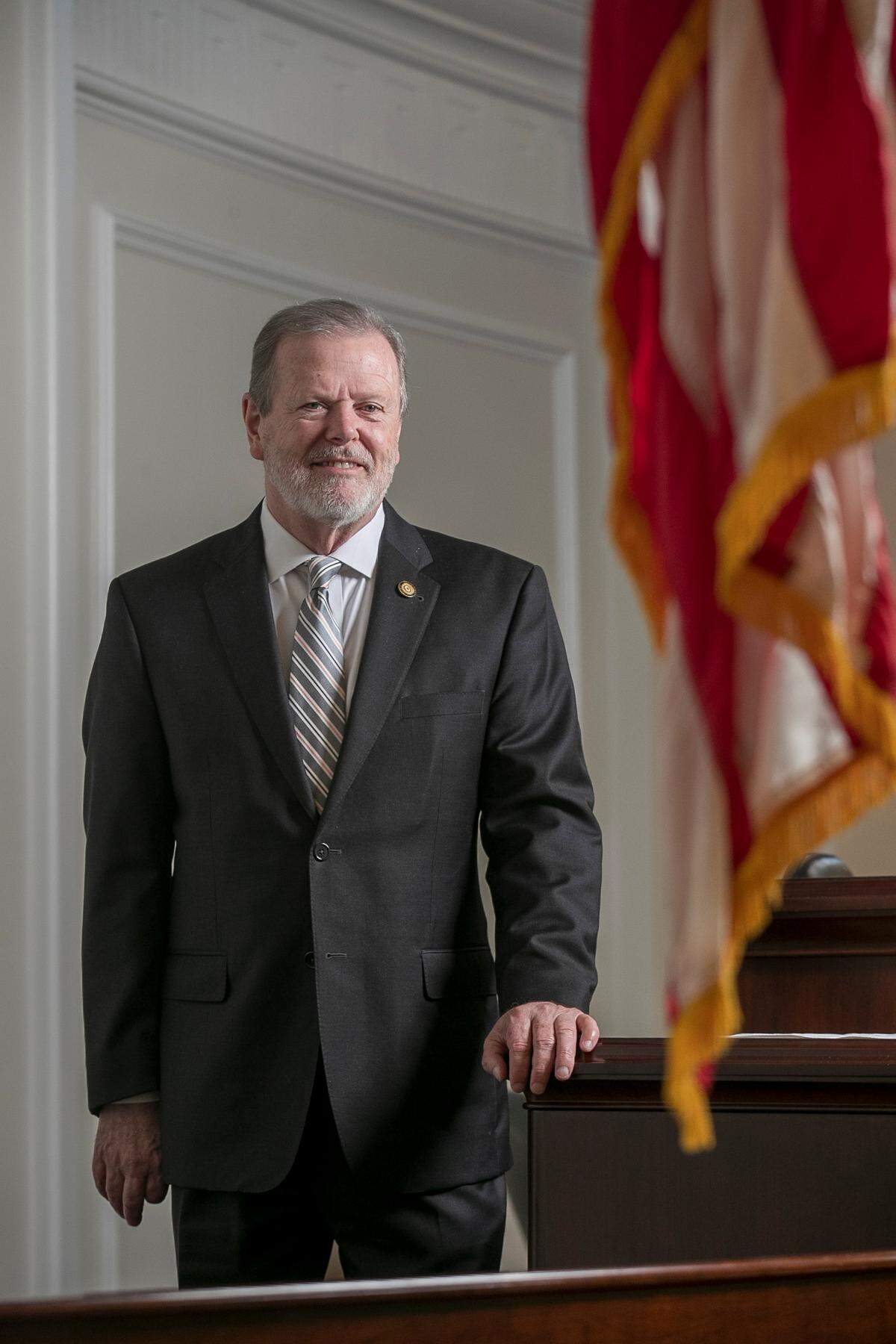
Senate President Pro Tempore
Senate President Pro Tempore Phil Berger is a Republican from Eden, in Rockingham County north of Greensboro, and is leading the Senate for the seventh term.
He usually presides over the Senate, unless Lt. Gov. Mark Robinson is there.
Republicans have a veto-proof supermajority in the Senate, so they can override gubernatorial vetoes if all 30 Republican senators are there, out of 50 total senators.
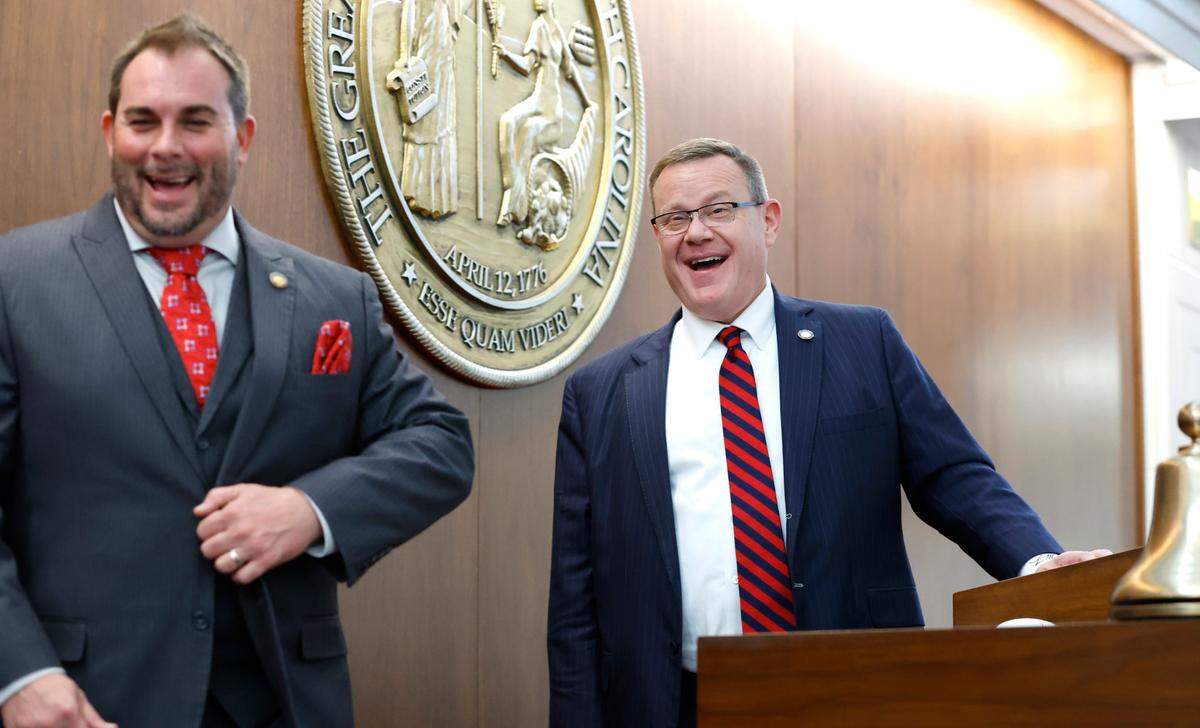
House Speaker
House Speaker Tim Moore is a Republican from Kings Mountain in Cleveland County west of Charlotte who just started a record-setting fifth term as speaker. He presides over the House sessions.
Of 120 House members, 71 are Republicans, leaving them one vote shy of a supermajority.
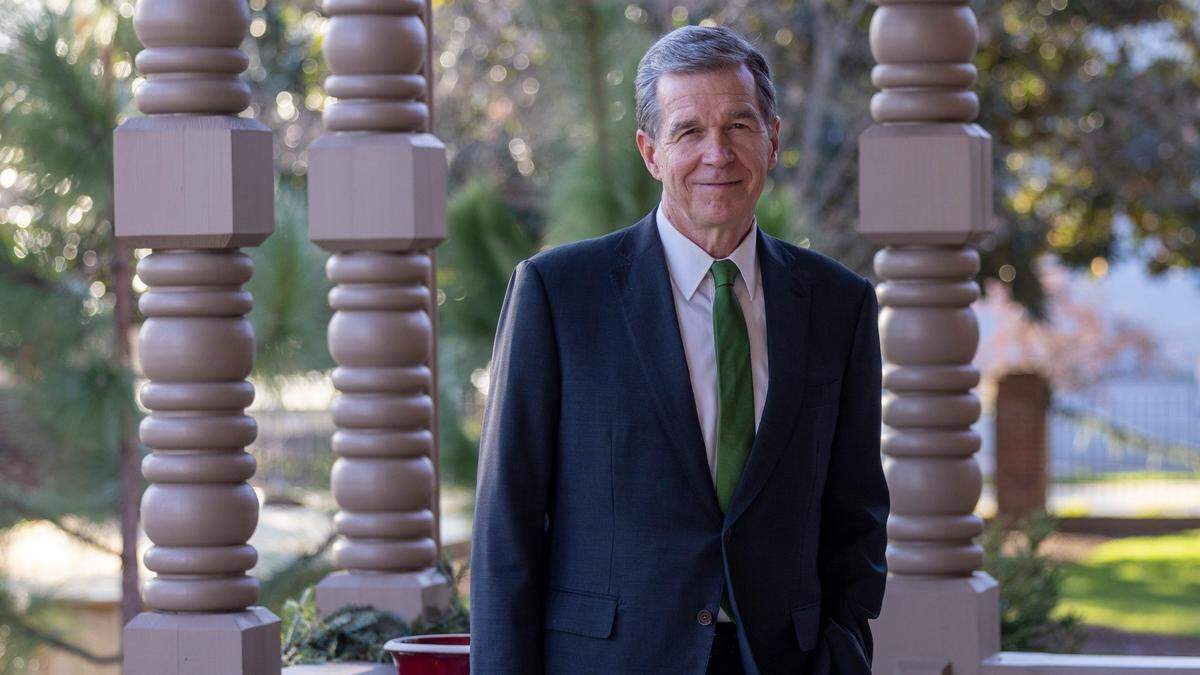
Governor
Most bills passed by the General Assembly are sent to the desk of Democratic Gov. Roy Cooper to sign, veto or let become law without his signature after 10 days. The governor cannot veto local bills or redistricting bills.
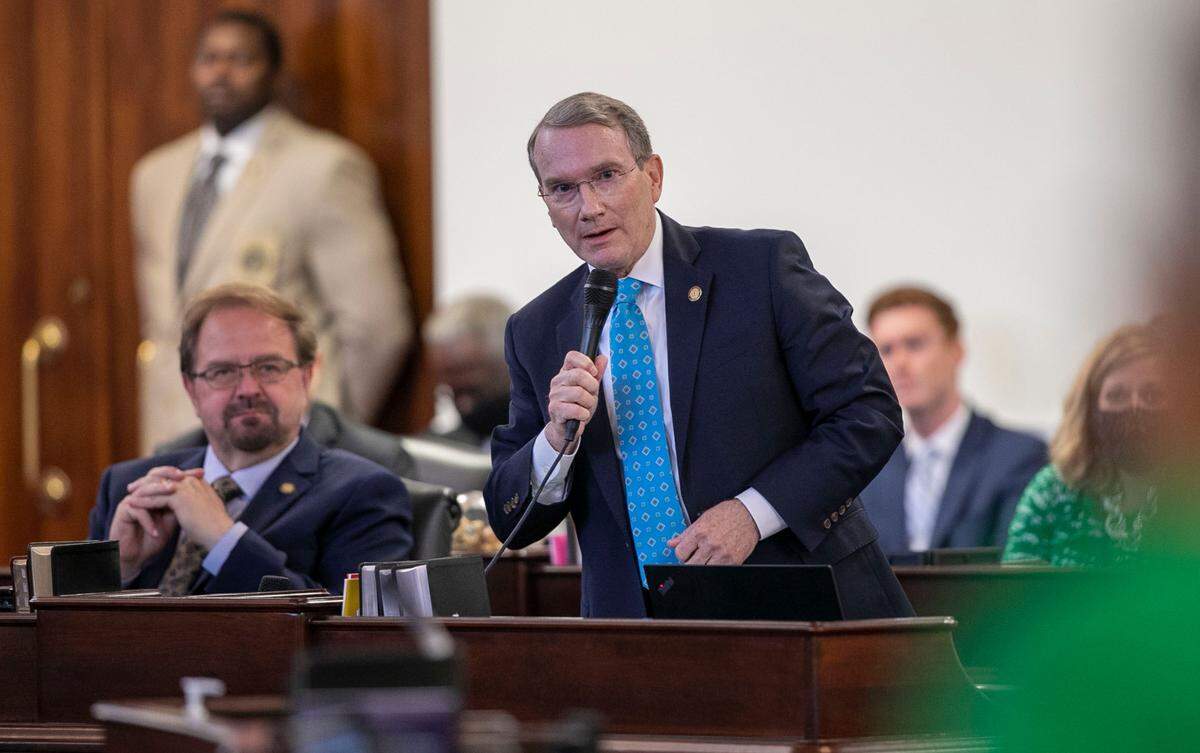
Majority leaders
Majority and minority leaders speak on behalf of their caucus and are often the ones who give floor speeches before a vote. Republicans have a majority in both chambers.
Sen. Paul Newton, a Cabarrus County Republican, is the Senate majority leader.
Rep. John Bell, a Wayne County Republican, is the House majority leader.
Minority leaders
Democrats are the minority party in both chambers.
Sen. Dan Blue, a Raleigh Democrat, is the minority leader in the Senate.
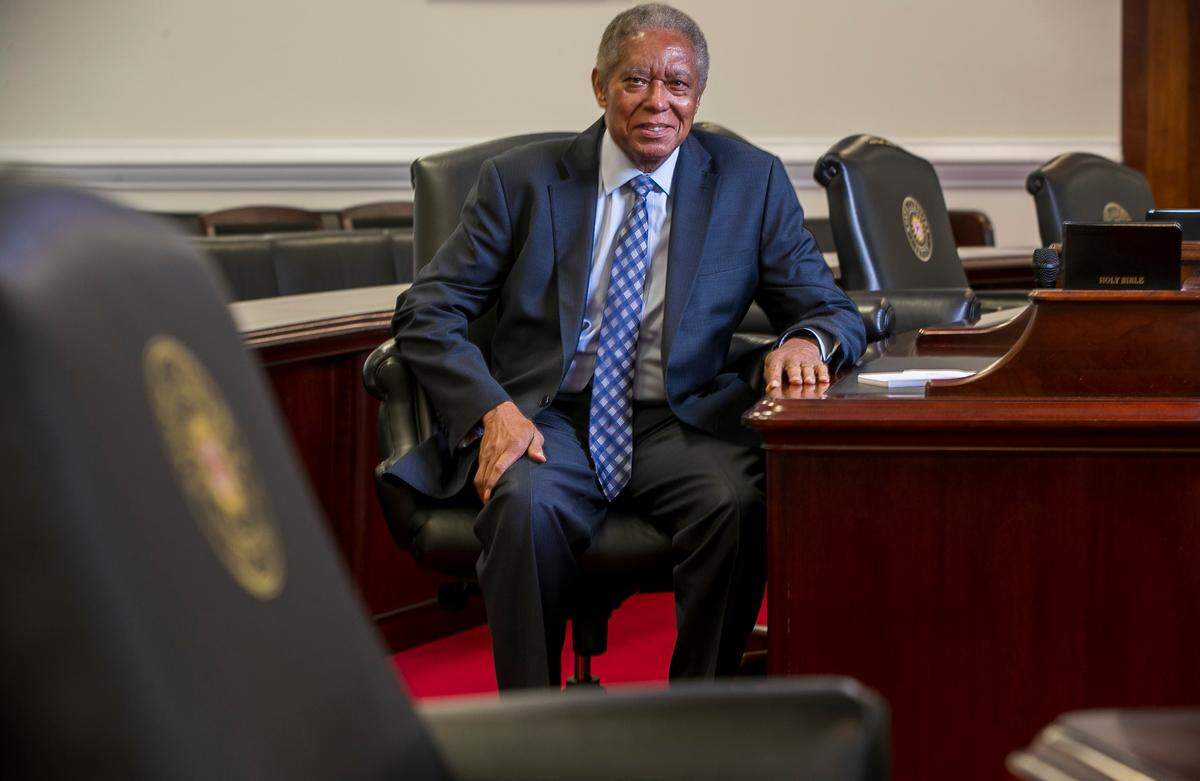
Rep. Robert Reives, a Chatham County Democrat, is the House minority leader.
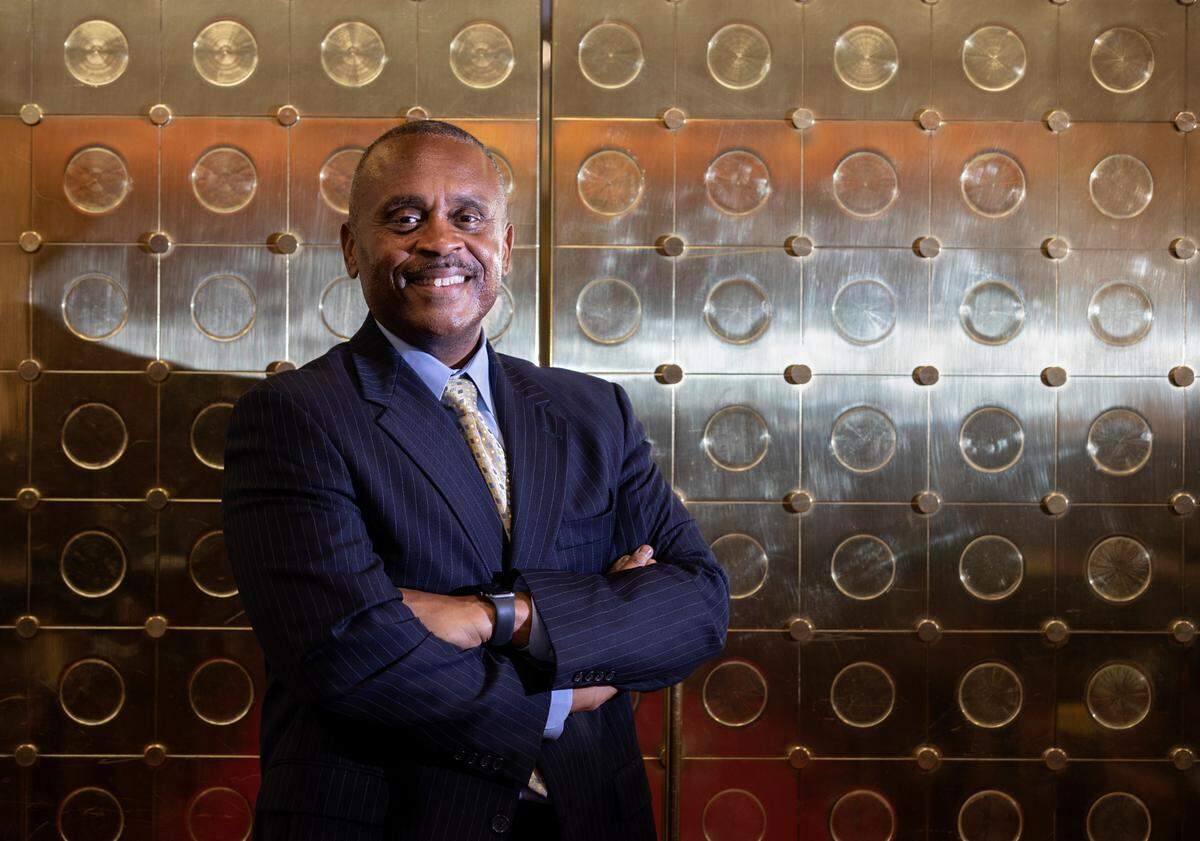
Committee chairs
Berger and Moore appoint members to various standing committees for their chambers, and name the chairs of each committee.
Important committees include Appropriations, Finance and Education, but the most powerful committee of all is the Rules Committee. Bills make their last stop in Rules before the floor, so its chairs determine what bills have a chance for a vote.
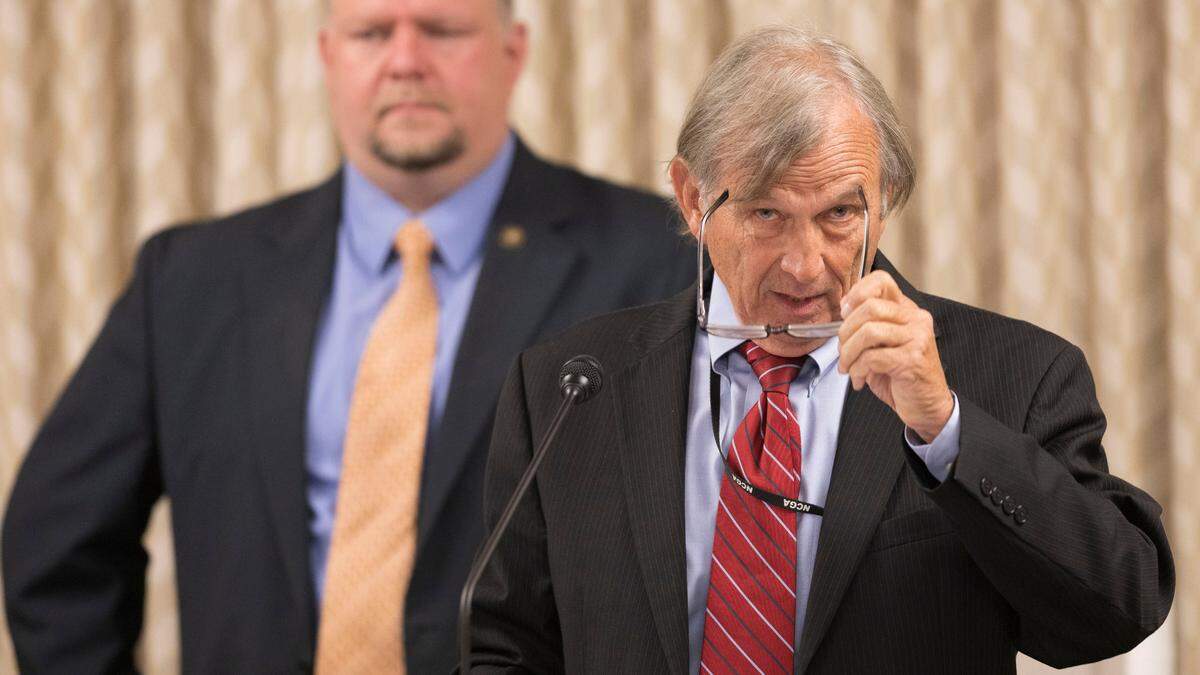
Rep. Destin Hall, a Caldwell County Republican, is the House Rules Committee chair. On the opening day of session, Jan. 11, he presented temporary House rules, which passed. Permanent rules are expected to pass in February.
Sen. Bill Rabon, a Southport Republican, is the Senate Rules Committee chair. The Senate passed its permanent rules on Jan. 11.
Committee chairs and members can be found on the legislative website, ncleg.gov.
This story was originally published January 20, 2023 at 6:00 AM with the headline "These are the most powerful people deciding what bills become law in North Carolina."
.jpg)