‘Transparent’ sea creature with horn-like appendages discovered as new species

Off the western coast of Mexico, a “transparent” sea creature with horn-like appendages swam through the water, or it tried to at least. But something caught it and pulled it toward the surface.
Scientists looked at the “gelatinous” animal — and discovered a new species.
A team of researchers visited the coast near San Patricio Melaque several times between 2018 and 2019 to survey its marine life. Their work focused on the smaller animals living in the open water, a “poorly studied” topic, according to a study published July 11 in the peer-reviewed journal Diversity.
To do this, researchers trawled the surface of the water with special, finely meshed plankton nets, the study said. Next, they sifted through what was caught, “gently transferred” any interesting specimens “to a cooler” and took the animals to a laboratory for further observation.
Eventually, researchers caught several “transparent” nudibranchs, or sea slugs, that didn’t look like anything they’d seen before. They looked closer at these animals, analyzed their DNA and realized they’d discovered a new species: Pleuropyge melaquensis, or the San Patricio Melaque sea slug.
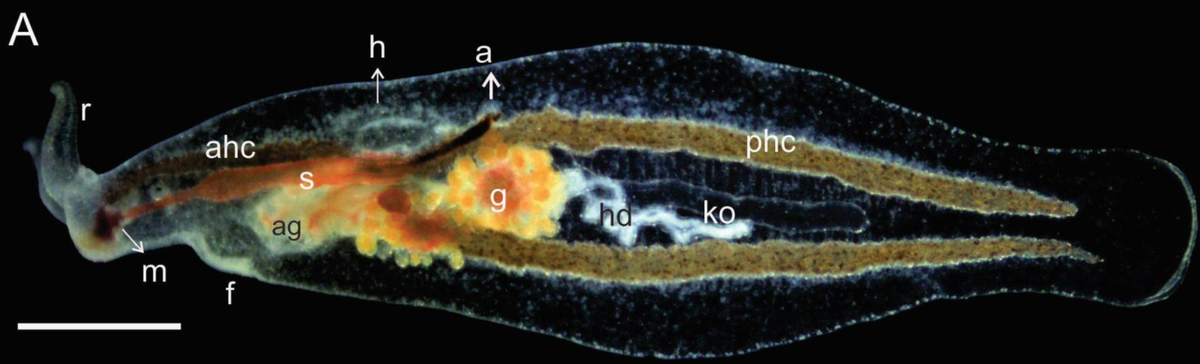
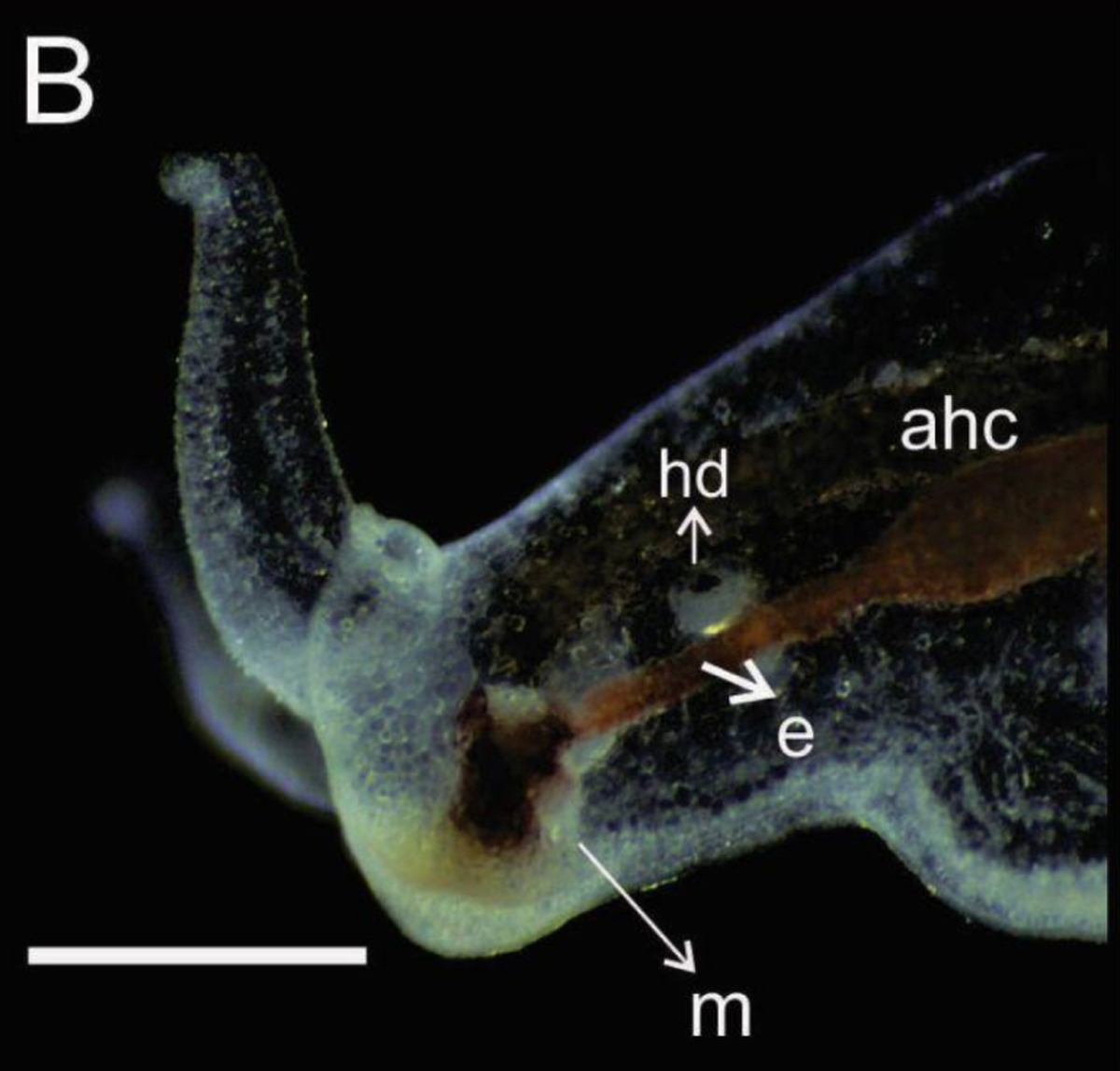
San Patricio Melaque sea slugs have “transparent, elongate” bodies measuring less than an inch in length, the study said. Their heads have two horn-like appendages known as rhinophores.
Photos show the new species. Its internal organs are clearly visible and vary in hue from orange to white to dark brown.
Unlike the majority of sea slugs which live on the seafloor, the new species lives in the water column, the study said. As a result, it has “a suite of specialized traits” to “enhance swimming efficiency and reduce visibility to predators in the open ocean.”
San Patricio Melaque sea slugs swim by moving their bodies rapidly side to side, a similar approach to how snakes slither. Researchers also saw the sea slugs pooping, releasing “thread-like strands of egg tissue” and changing their body shape from oval to “nearly spherical.”
Much about the new species and its lifestyle remains unknown.
Researchers said they named the new species after San Patricio Melaque, a town on Mexico’s central Pacific coast near the only three sites where the new species has been found, the study said.
The new species was considered so unique that researchers placed it in a new genus, Pleuropyge, named after the Greek words for “side” and “anus” because of the “position of the anus.”
The new species was identified by its preferred habitat, body shape, internal anatomy, tail shape, reproductive system and other subtle physical features, the study said. DNA analysis found the new species had “major genetic distance” from other sea slugs.
The research team included Jeimy Santiago-Valentín, Eric Bautista-Guerrero, Eva Kozak, Gloria Pelayo-Martínez and Carmen Franco-Gordo.
This story was originally published July 15, 2025 at 4:12 PM with the headline "‘Transparent’ sea creature with horn-like appendages discovered as new species."