‘Large’-eyed creature with ‘slender’ fingers found at temple. It’s a new species
Near a temple in India, a “short”-legged creature with “slender” fingers went about its day. Its “large” eyes scanned the surrounding forest, but it wasn’t the only one looking around.
Visiting scientists noticed the animal — and discovered a new species.
A team of researchers visited Dirgheswari Temple in northeastern India in January 2023 and found a few lizards nearby, according to a study published July 14 in the peer-reviewed journal Taprobanica.
At first glance, researchers thought the lizards looked like a gecko species found in Sri Lanka, an island country almost 1,500 miles away, the study said. The visual similarity was undeniable, but the massive gap between the two locations didn’t make sense.
Intrigued, the team analyzed the DNA of the lizards from Dirgheswari Temple and looked closer at their physical features. Sure enough, the lizards were physically and genetically distinct from other known geckos.
Researchers realized they’d discovered a new species: Cnemaspis brahmaputra, or the Brahmaputra day gecko.
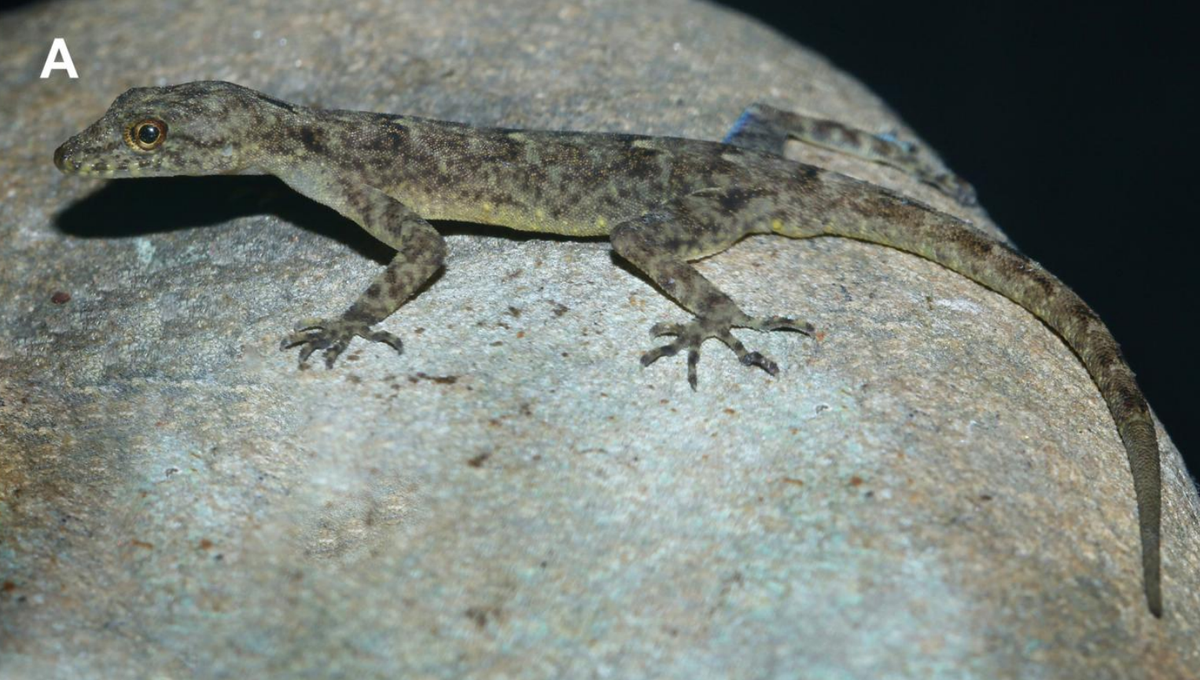
Brahmaputra day geckos are considered “small,” reaching over 3 inches in length, the study said. They have “large” and “narrow” heads with “large” eyes and “deep” ear openings. Their arms and legs are “relatively short” with “slender” fingers and toes ending in “slightly recurved claws.”
A photo shows the “black and yellow markings” of the new species.
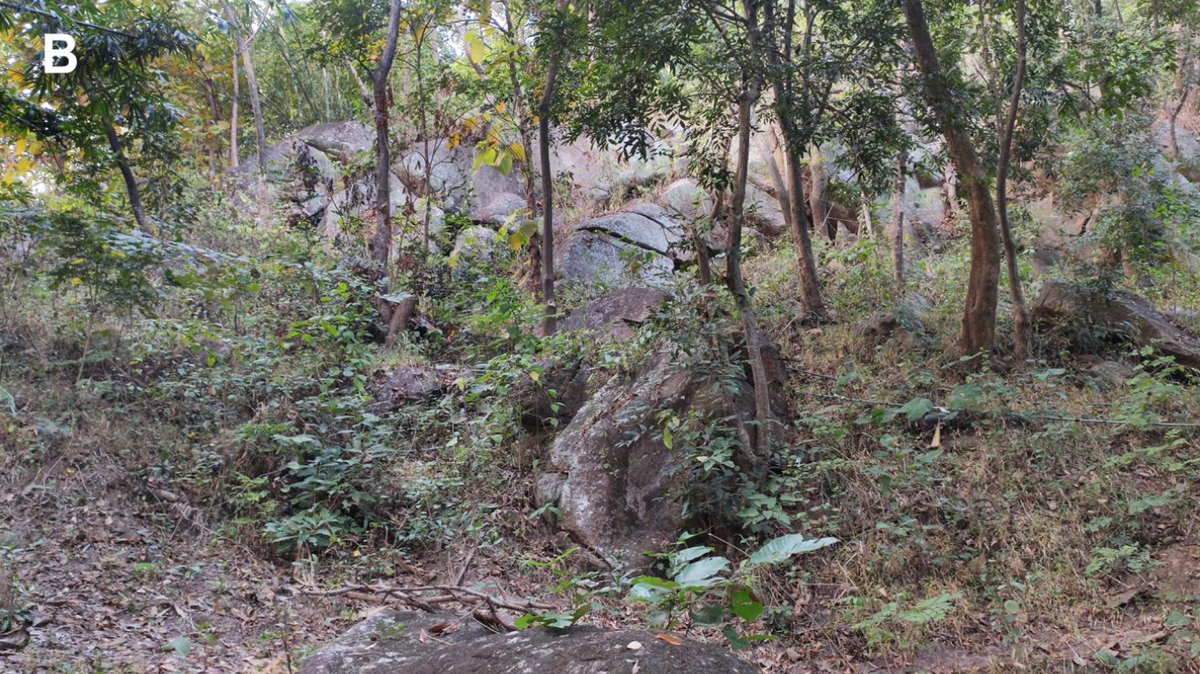
Brahmaputra day geckos were found in a “humid and warm” forest with scattered rocks and a “thick layer of leaf litter, fallen branches, and other organic matter” on the ground, the study said. The new species is most active during the day and found among the rocks.
Much about the lifestyle and behavior of the new species remains unknown.
Researchers said they named the new species after the Brahmaputra River near Dirgheswari Temple where it was first discovered and, so far, the only place where it has been found. The temple is in Assam, a state of northeastern India that borders Bangladesh and Bhutan.
The new species was identified by its size, scale pattern and other subtle physical features, the study said. DNA analysis found the new species had at least 6% genetic divergence from related gecko species.
The research team included Amit Sayyed, Madhurima Das, A. A. Thasun Amarasinghe, Rupankar Bhattacharjee and Jayaditya Purkayastha.
This story was originally published July 14, 2025 at 3:36 PM with the headline "‘Large’-eyed creature with ‘slender’ fingers found at temple. It’s a new species."