‘Armored’ aquarium pet with bumpy lips turns out to be new species from Brazil

In a river of western Brazil, an “armored” creature with bumpy lips swam through the “dark tea-colored” waters. Something about it caught the attention of nearby scientists — and for good reason.
It turned out to be an “iridescent” new species.
A team of researchers decided to study the river life of Mato Grosso, Brazil. They focused on a group of fish known as armored catfish that were “known from the aquarium trade” but not scientifically identified, according to a study published July 11 in the peer-reviewed journal Neotropical Ichthyology.
Searching through museum archives, researchers tracked down dozens of catfish and matched these fish to the aquarium fish coded CW68, the study said. The team analyzed the fish, compared them to known species and realized they’d discovered a new species: Osteogaster oharai, or Ohara’s armored catfish.
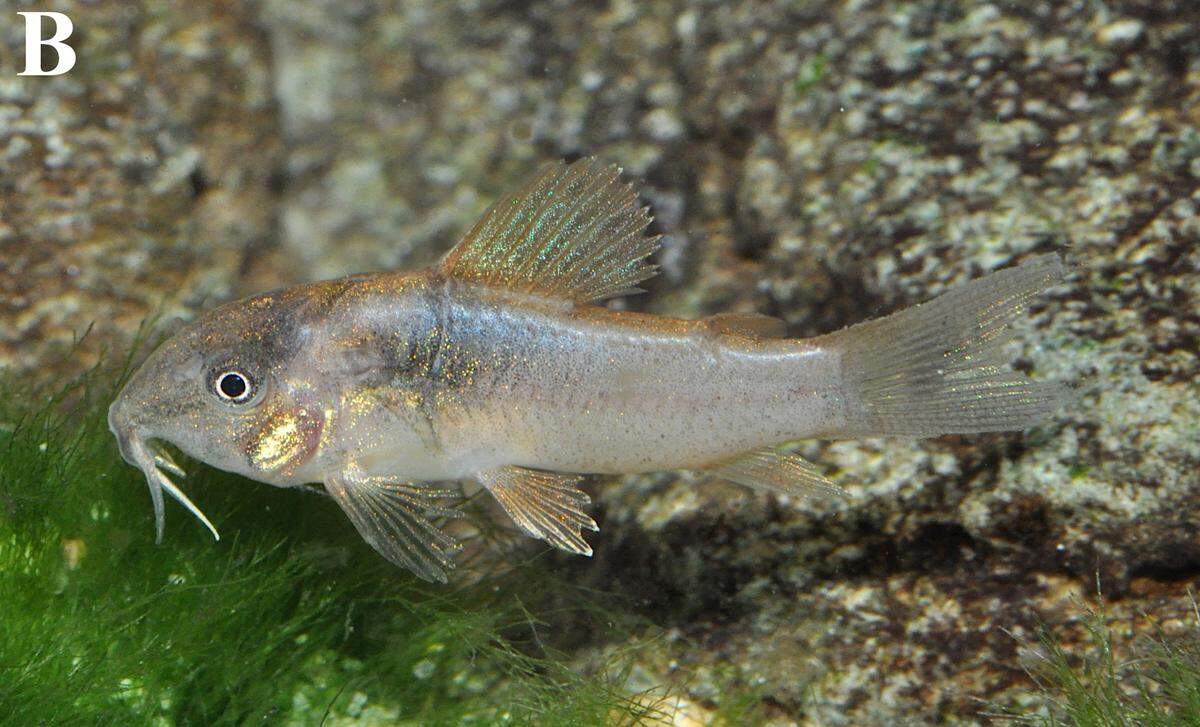
Ohara’s armored catfish can reach about 2 inches in length, researchers said. They have “roughly triangular” heads with “small” mouths. Their snouts, lips and whisker-like barbels are covered with “small rounded” bumps.
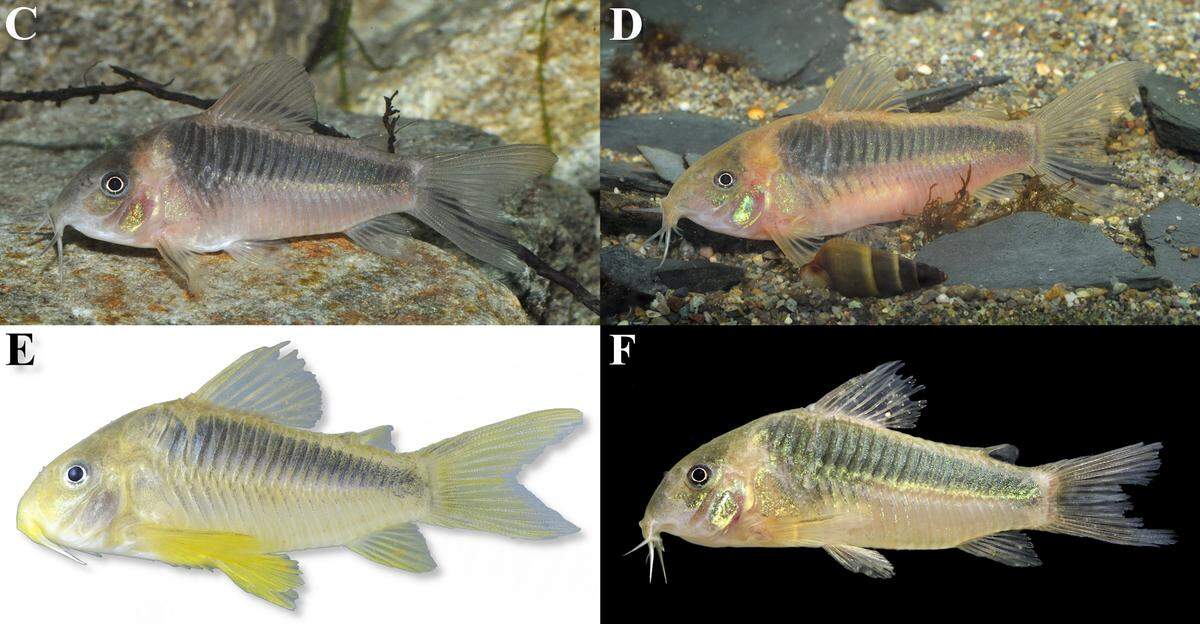
Photos show the “peculiar color pattern” of the new species. The catfish are “iridescent” with a gray patch running down their backs, the study said. The rest of their bodies have a pinkish orange or pale yellow hue.
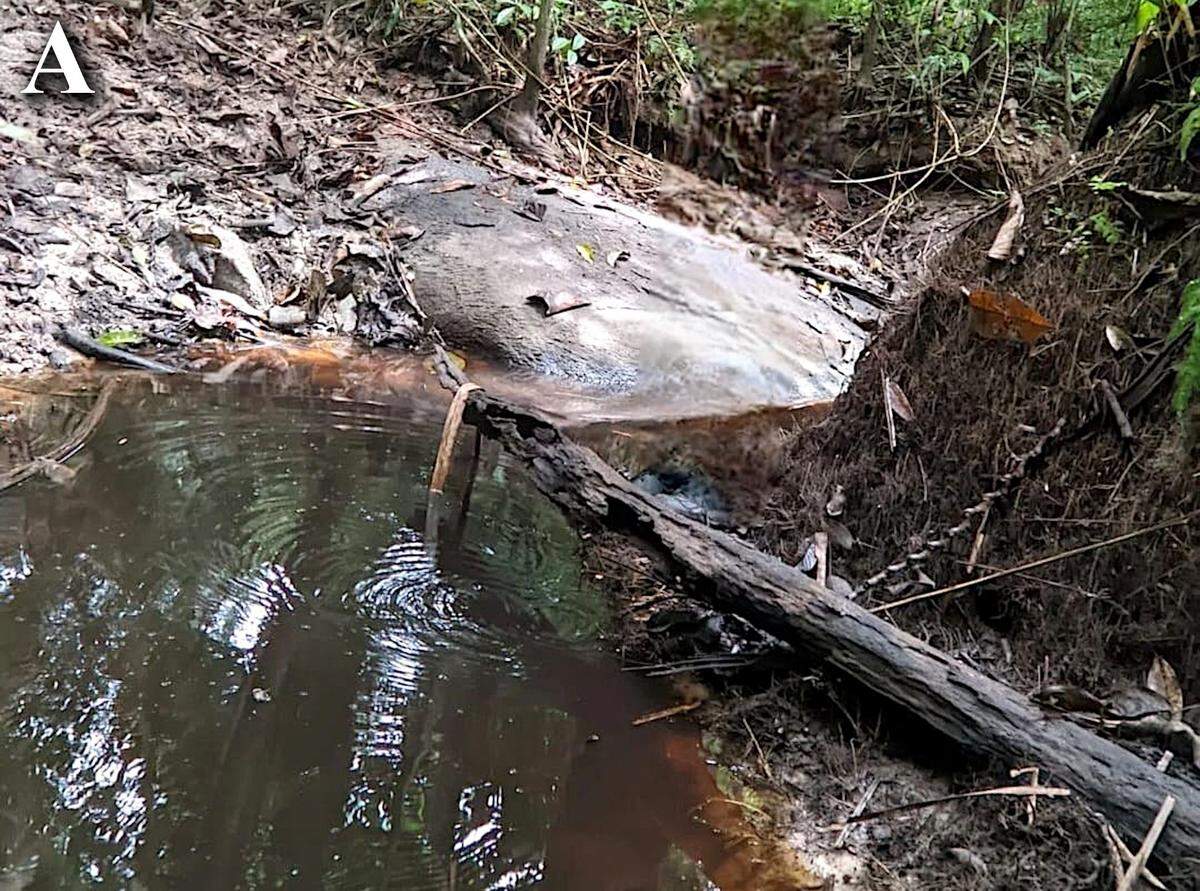
In the wild, Ohara’s armored catfish were found in “small streams” near waterfalls, “small and shallow isolated pools of intermittent streams” and “larger/deeper streams” with “muddy or dark tea-colored water,” researchers said. A photo shows one of these natural habitats.
In captivity, these catfish are “very peaceful” and can be kept in a tank with other “small to medium” fish, Allan James, an aquarium hobbyist, wrote in a blog post.
Researchers said they named the new species after Willian Massaharu Ohara, a “dear friend and distinctive ichthyologist,” because of his “extensive contributions to knowledge of South American freshwater fishes” and the “fundamental role” he played in co-author Luiz Fernando Caserta Tencatt’s career.
So far, Ohara’s armored catfish have only been found in Mato Grosso, a state in western Brazil that borders Bolivia, the study said.
The new species was identified by its coloring, body proportions, bone structure and other subtle physical features, the study said. Researchers did not provide a DNA analysis of the new species.
The research team included Luiz Fernando Caserta Tencatt, Vandergleison de Carvalho, Hugmar Pains da Silva and Marcelo Ribeiro de Britto.
This story was originally published July 14, 2025 at 12:25 PM with the headline "‘Armored’ aquarium pet with bumpy lips turns out to be new species from Brazil."