Museum renovation unearths medieval ruins — and confirms longstanding theory
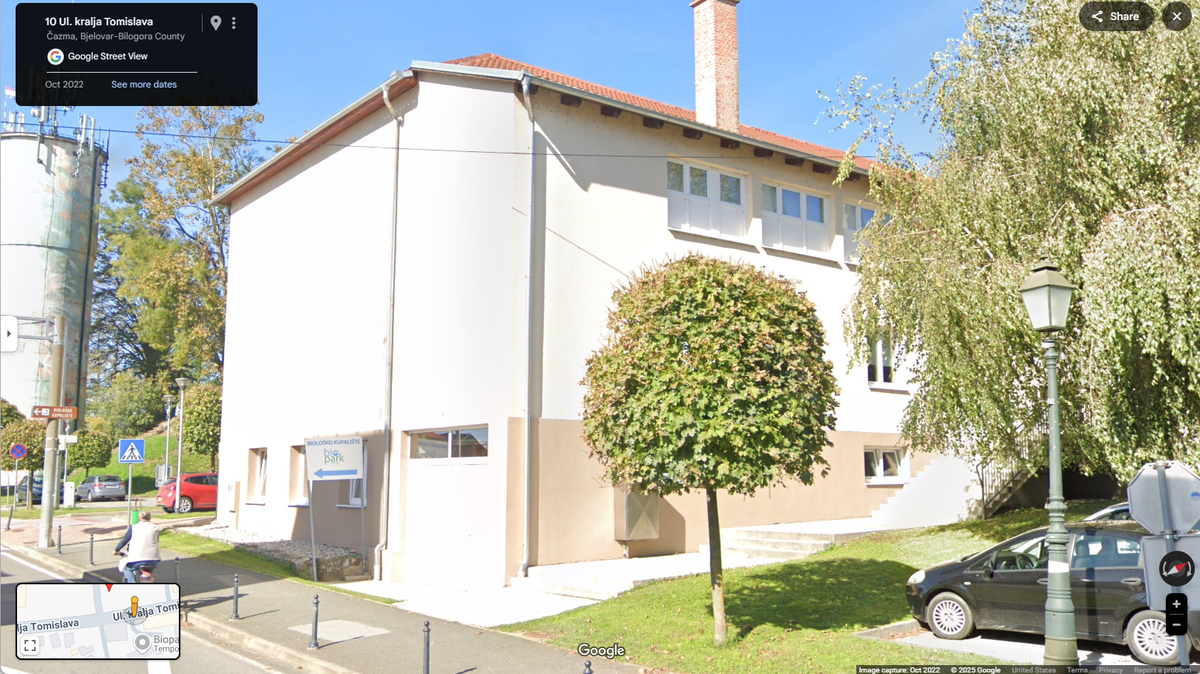
While a crew worked in the basement of a museum in Croatia, a construction project morphed into an archaeological dig. Workers unearthed some medieval ruins — and confirmed a longstanding theory.
Construction workers and archaeologists began digging under the Čazma City Museum and Cultural Center as part of a year-long project to install more energy-efficient systems, museum officials said in an April 17 Facebook post.
About 8 feet below the modern building, the team found the ruins of a stone wall, identified as part of a 13th-century bishop’s fortress.
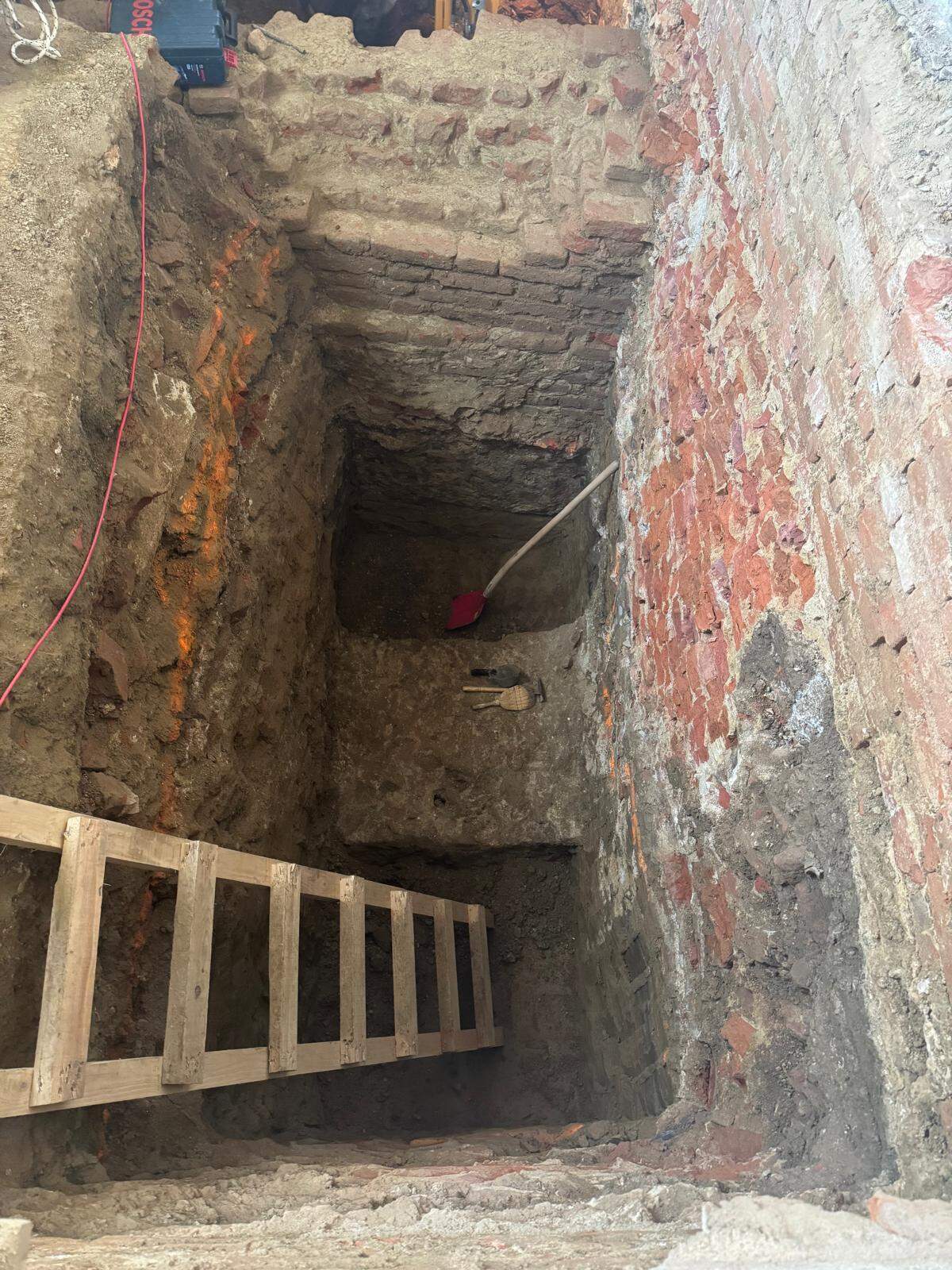
The cultural center’s current building was built in the mid-1700s as a military manor, officials said. Local experts had long suspected the manor sat near, or even on top of, the 13th-century bishop’s fortress but didn’t know for sure until now.
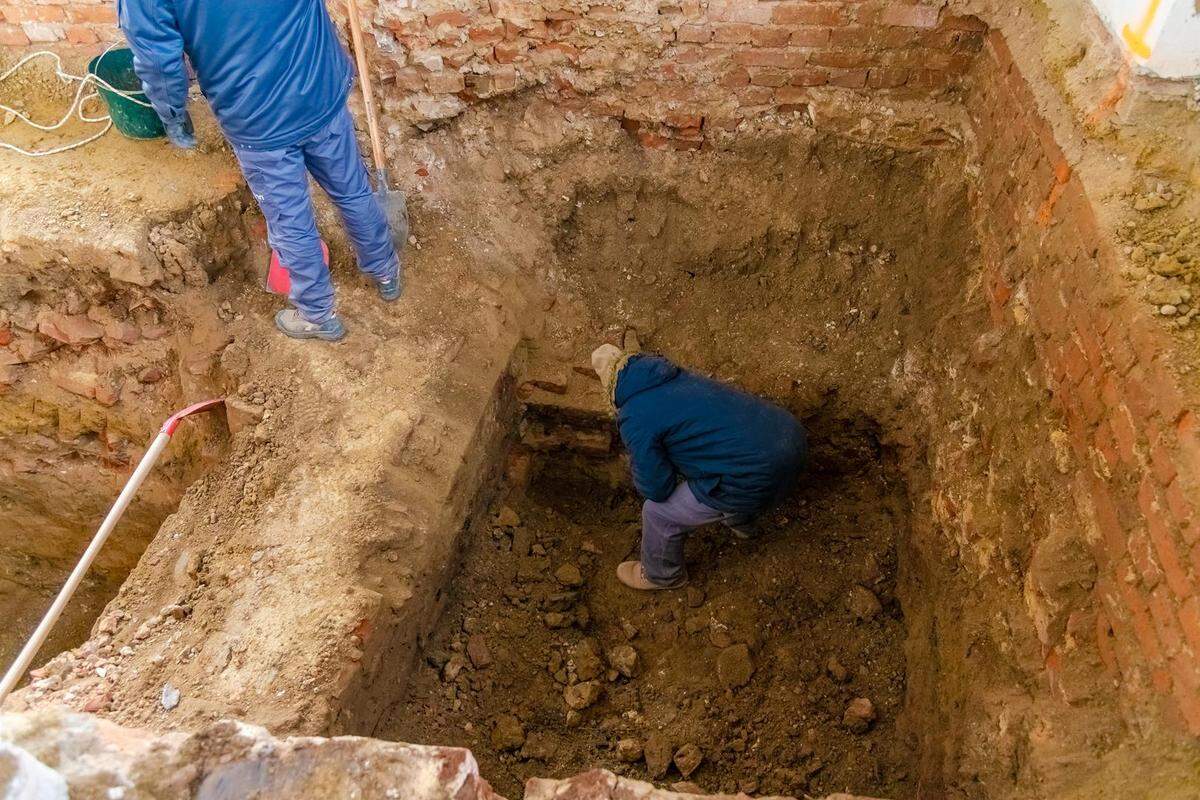
The earliest historical references to Čazma come from the early 13th century when a bishop founded the town, according to the museum. Soon after, the town became an administrative center for the Čazma bishop and underwent a period of economic growth.
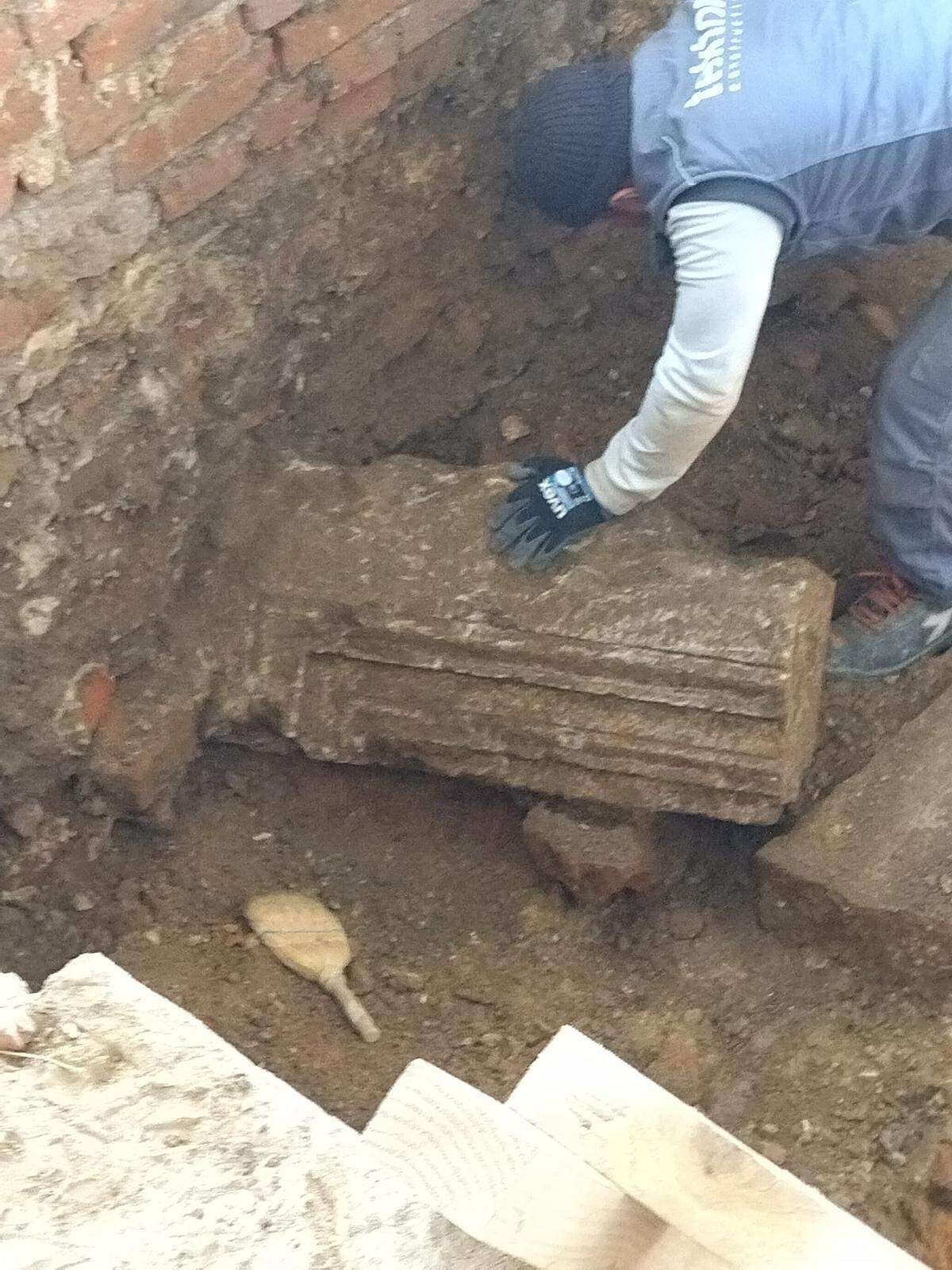
Excavations at the museum also uncovered a second section of ruins from the 15th century and some smaller artifacts. Photos show these medieval ruins.
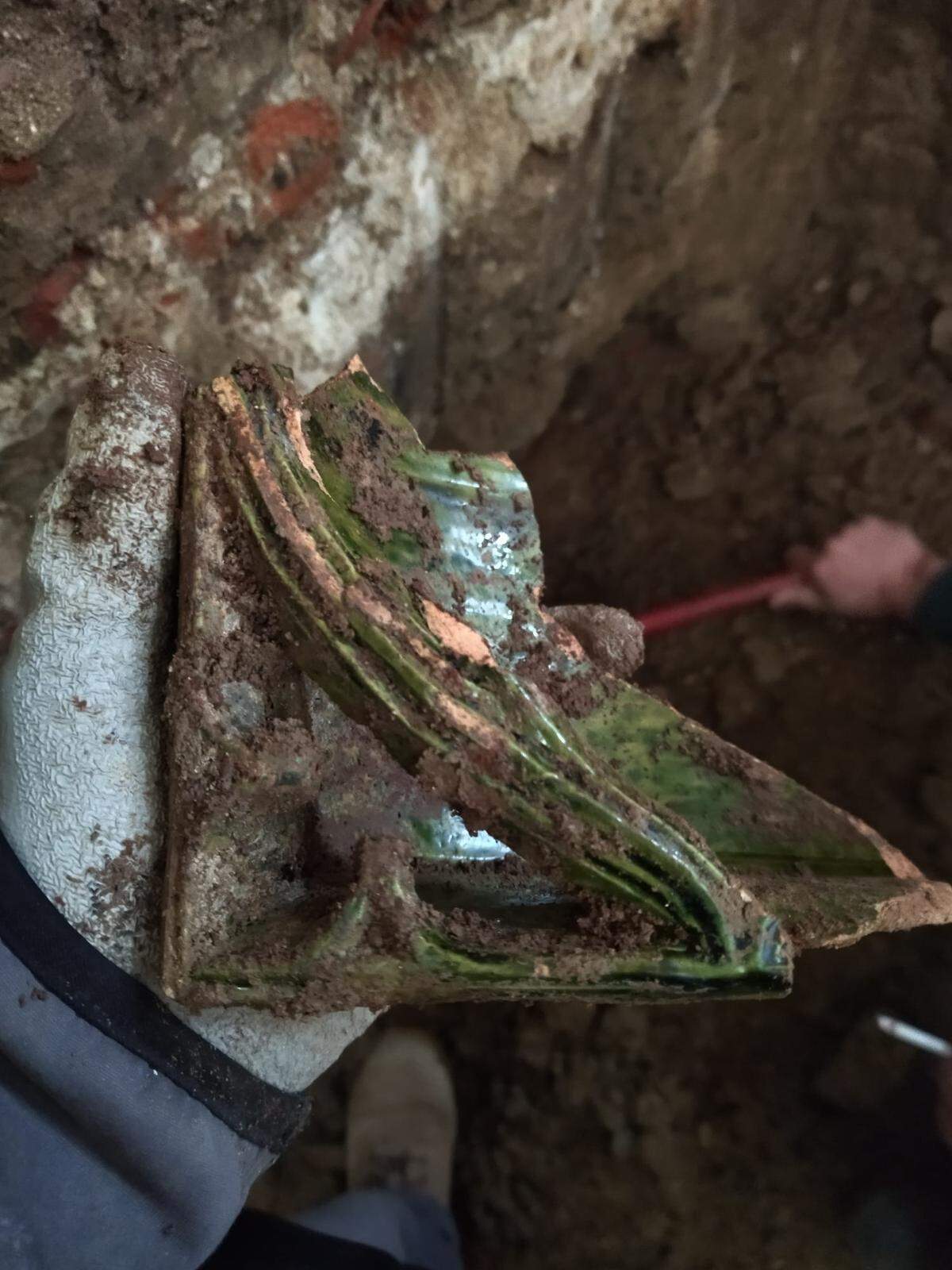
Renovation work at the Čazma City Museum and Cultural Center began in December and is ongoing until mid-2026. Officials also plan to study their finds in detail.
Čazma is a town in northern Croatia and a roughly 40-mile drive east from the capital city of Zagreb.
Google Translate was used to translate Facebook posts from and the website of the Čazma City Museum and Cultural Center.
This story was originally published April 21, 2025 at 11:33 AM with the headline "Museum renovation unearths medieval ruins — and confirms longstanding theory."