4,300-year-old tomb of a prince — with a false door — found in Egypt. See it
Sifting through the sandy dirt on the outskirts of Cairo, Egypt, archaeologists expected to find something. After all, they were excavating an iconic burial ground for the pharaohs.
Yet the ancient tomb that reemerged left them stunned.
A joint team of Egyptian archaeologists were excavating a site within the Saqqara Necropolis, an ancient cemetery dotted with important pyramids and tombs, as part of ongoing research work, Egypt’s Ministry of Tourism and Antiquities said in an April 18 Facebook post.
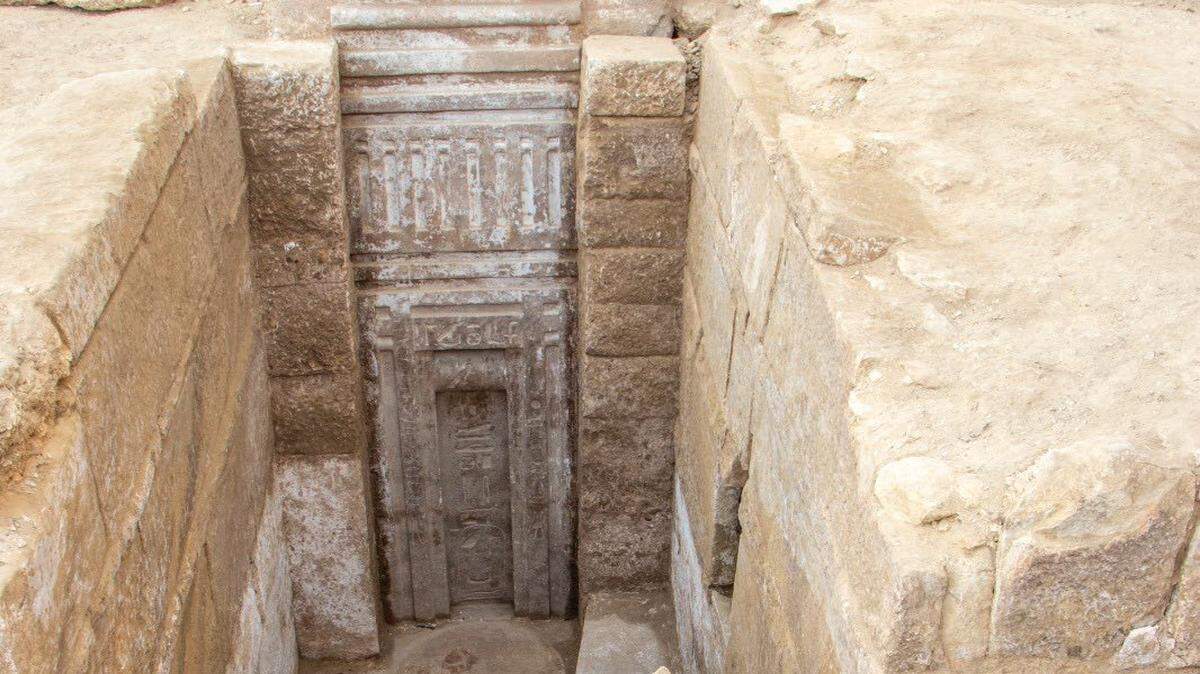
To their surprise, archaeologists unearthed a false door made of pink granite, a first-of-its-kind find for the site.
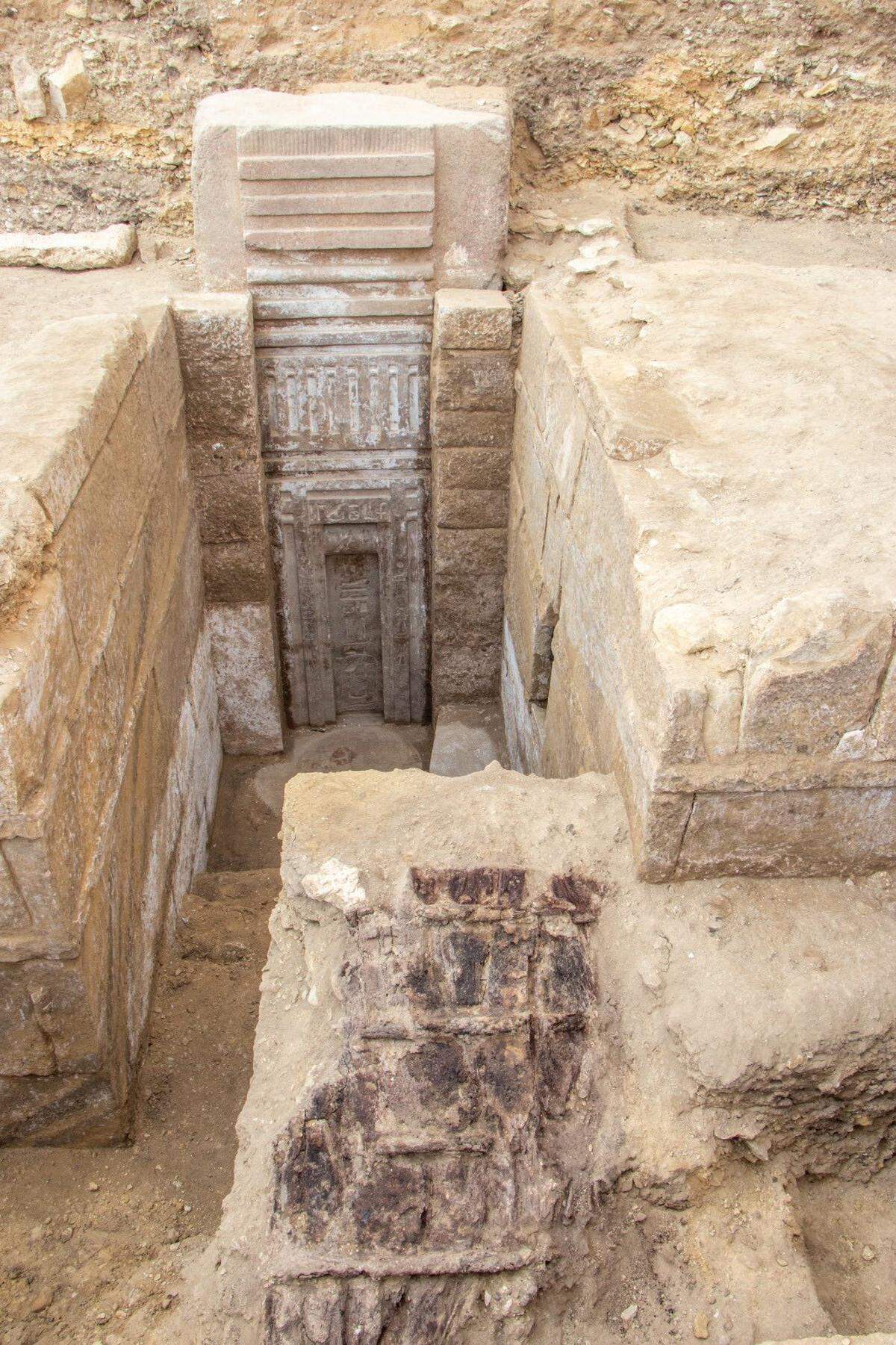
A photo shows the imposing fake door, which measures almost 15 feet tall and 4 feet wide. It appears to sit at the end of a hallway-like room and be built into a rock wall.
On the door were decorations and hieroglyphic inscriptions. The text identified the site as a tomb belonging to a poorly known prince, whose name could be translated as “Userefre” or “Waser Ef Ra,” archaeologists said. According to the inscription, Prince Userefre was the son of King Userkaf, a hereditary royal descendent, regional governor, scribe, minister, judge and priest.
King Userkaf founded an ancient Egyptian dynasty that ruled from about 2430 B.C. to 2300 B.C., according to Britannica. King Userkaf’s family relationships are a subject of scholarly debate, but he’s generally believed to have been the father of at least one son, Sahure, who later became pharaoh.
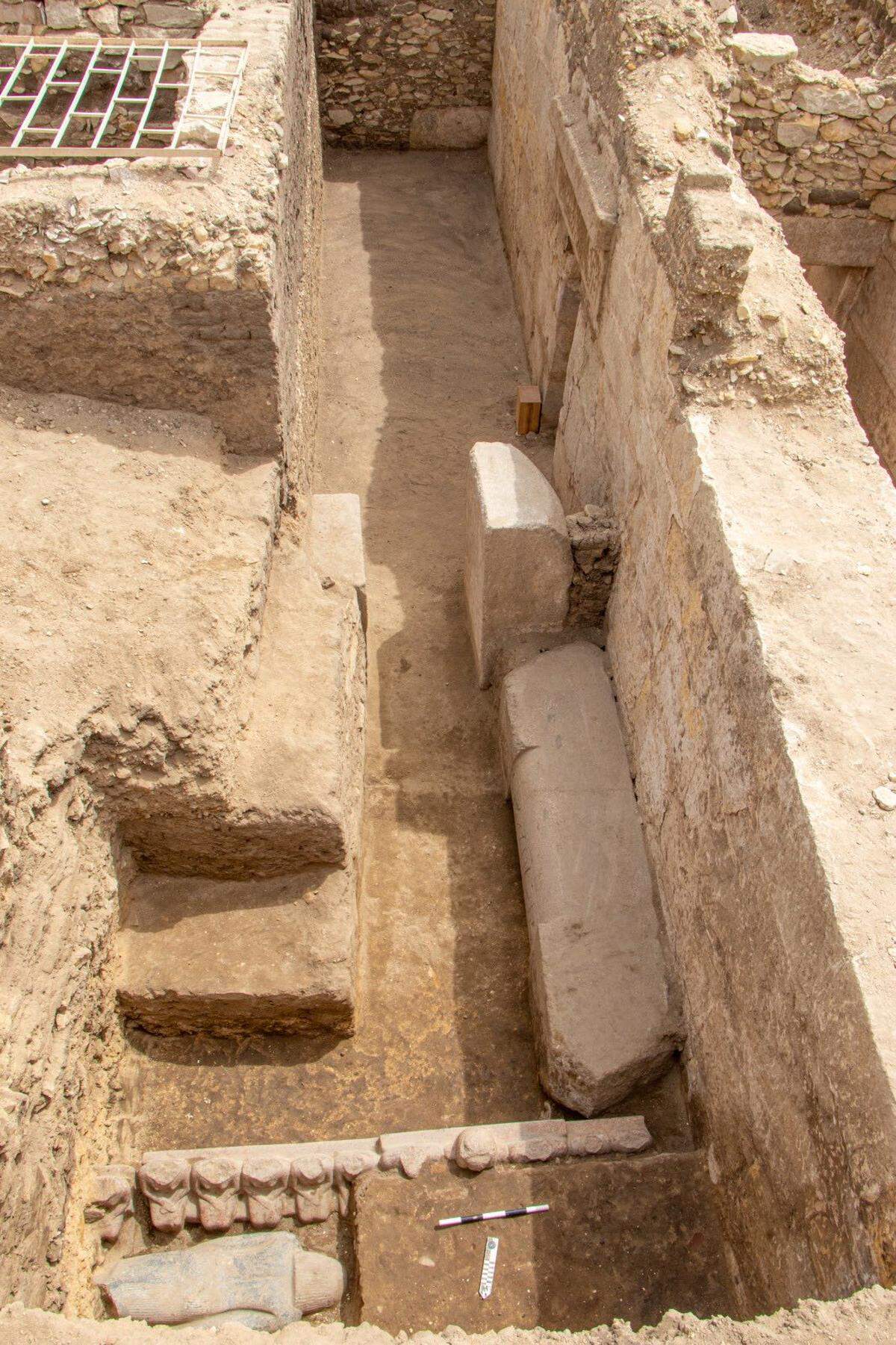
Archaeologists located a functioning entrance to the 4,300-year-old prince’s tomb and found several rooms inside, officials said.
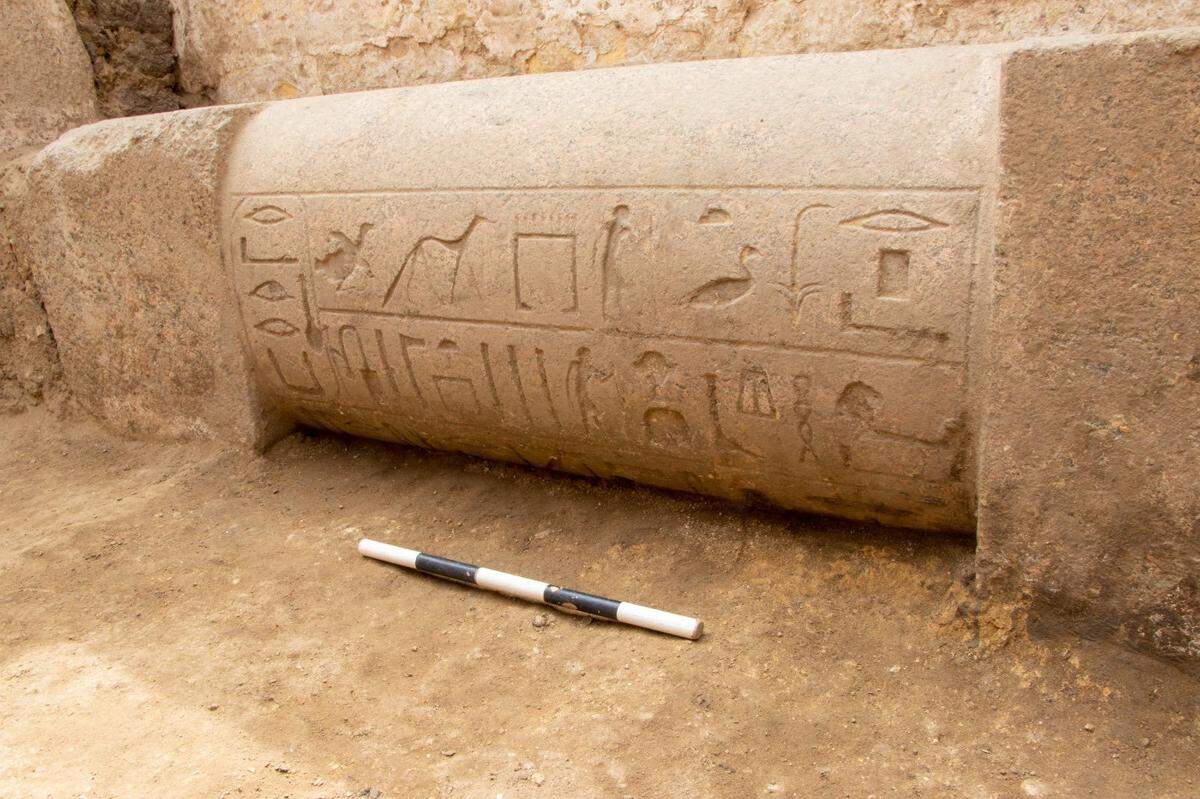
One chamber had a large offering table made of red granite and inscribed with a list of offerings, archaeologists said. A photo shows the well-preserved table and its hieroglyphics, which include depictions of several birds and a four-legged animal.
Nearby, archaeologists found a unique statue of 12 figures, identified as another ancient Egyptian pharaoh, Djoser, with his wife and 10 daughters. Archaeologists believe the statue was originally located in a room near Djoser’s Step Pyramid and later moved to Prince Userefre’s tomb.
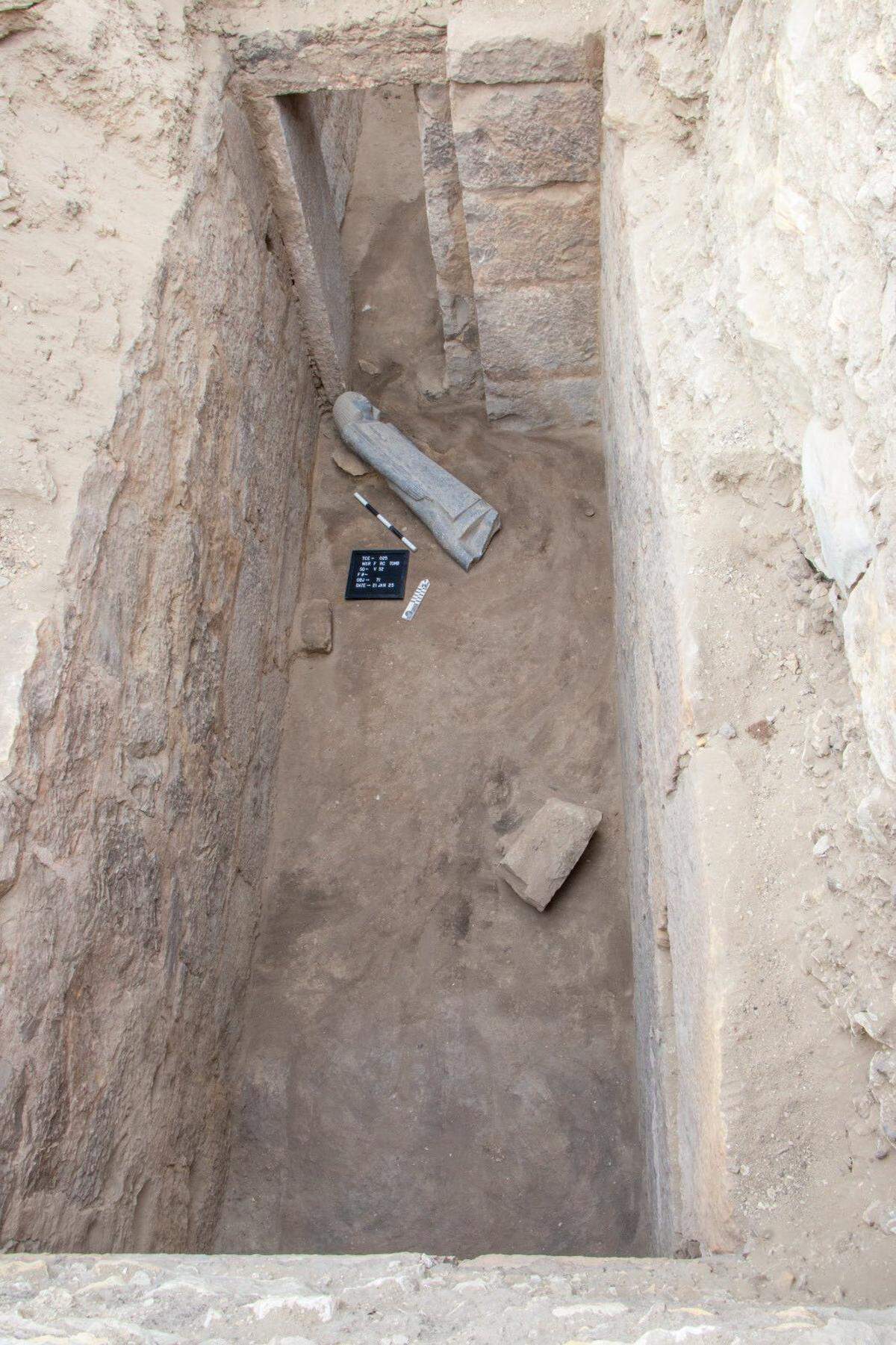
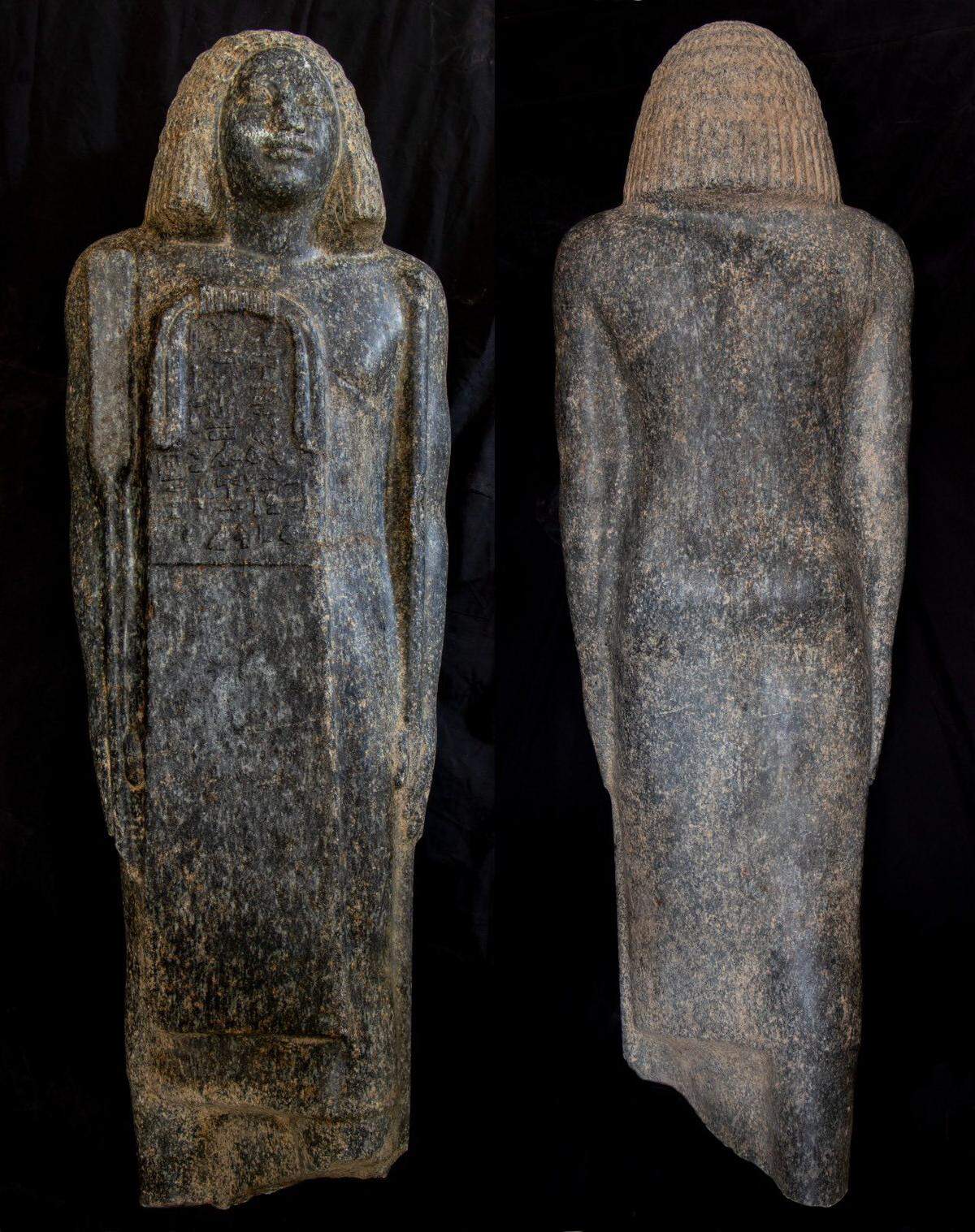
In another chamber, archaeologists found a black granite statue measuring about 4 feet tall, officials said and photos show. Based on the style and inscription, archaeologists believe the statue dates to a much later period, suggesting Prince Userefre’s tomb had been reused.
Excavations at the ancient prince’s tomb are ongoing. The Saqqara Necropolis is about 25 miles southwest of central Cairo.
Google Translate and GPT-4 were used to translate the Facebook post from Egypt’s Ministry of Tourism and Antiquities.
This story was originally published April 18, 2025 at 12:50 PM with the headline "4,300-year-old tomb of a prince — with a false door — found in Egypt. See it."