175-year-old theory about riverside ruins in Austria turns out to be true
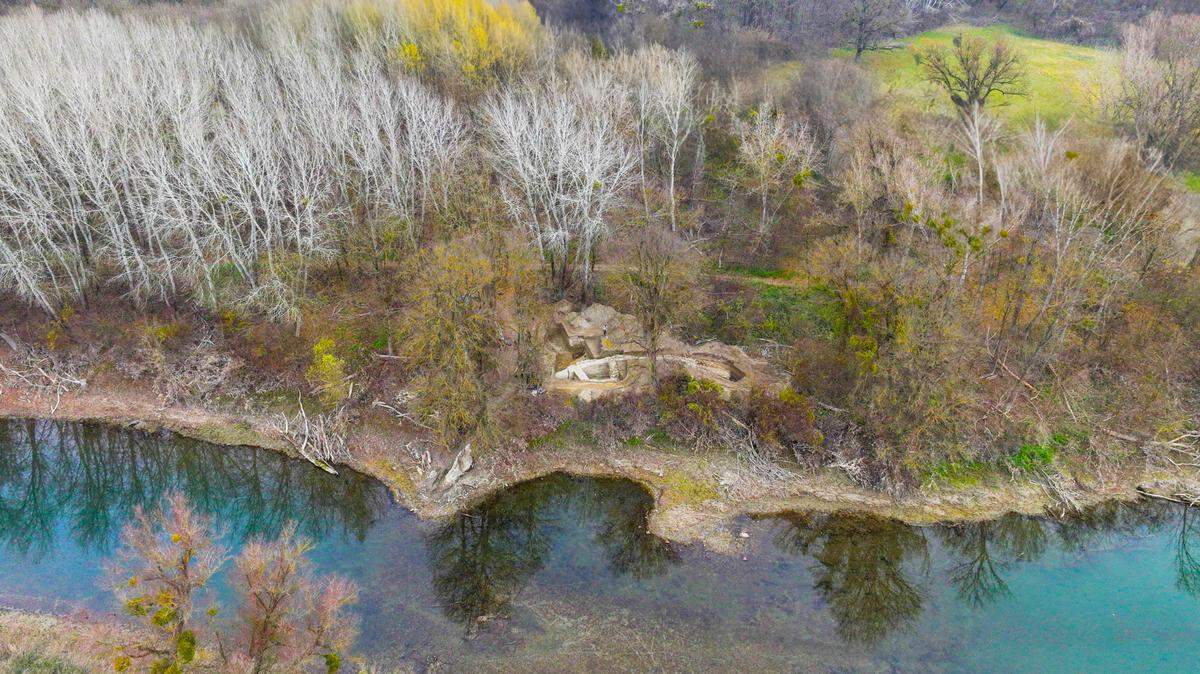
On a riverside in eastern Austria sat a mysterious set of ruins. Some believed it to be an abandoned, run-down castle. Others thought it could be the remnants of a unique, ancient Roman structure.
When archaeologists finally excavated the ruins, they confirmed a 175-year-old theory.
Locals referred to the ruins near Stopfenreuth as “Ödes Schloss,” a German nickname that roughly translates as “Desolate Castle.” One archaeologist explored the still-visible ruins around 1850 and interpreted it as a Roman military fort, but later researchers who tried confirming this theory left the site still uncertain of its identity, the nearby Carnuntum Archaeological Park said in an article.
By the late 1800s, Ödes Schloss had become overgrown, buried and hidden from view. Yet the mystery of the odd, semi-circular structure lingered.
.png "Ödes Schloss historic photo (1).png")
A joint team of archaeologists decided to revisit Ödes Schloss in 2024, the Austrian Academy of Sciences said in an April 14 news release. They took soil samples, excavated the site and started analyzing their finds.
The team soon realized Ödes Schloss wasn’t a castle at all: It was a specific type of ancient Roman military base known as a bridgehead fort, the academy said. The 1850s archaeologists were right.
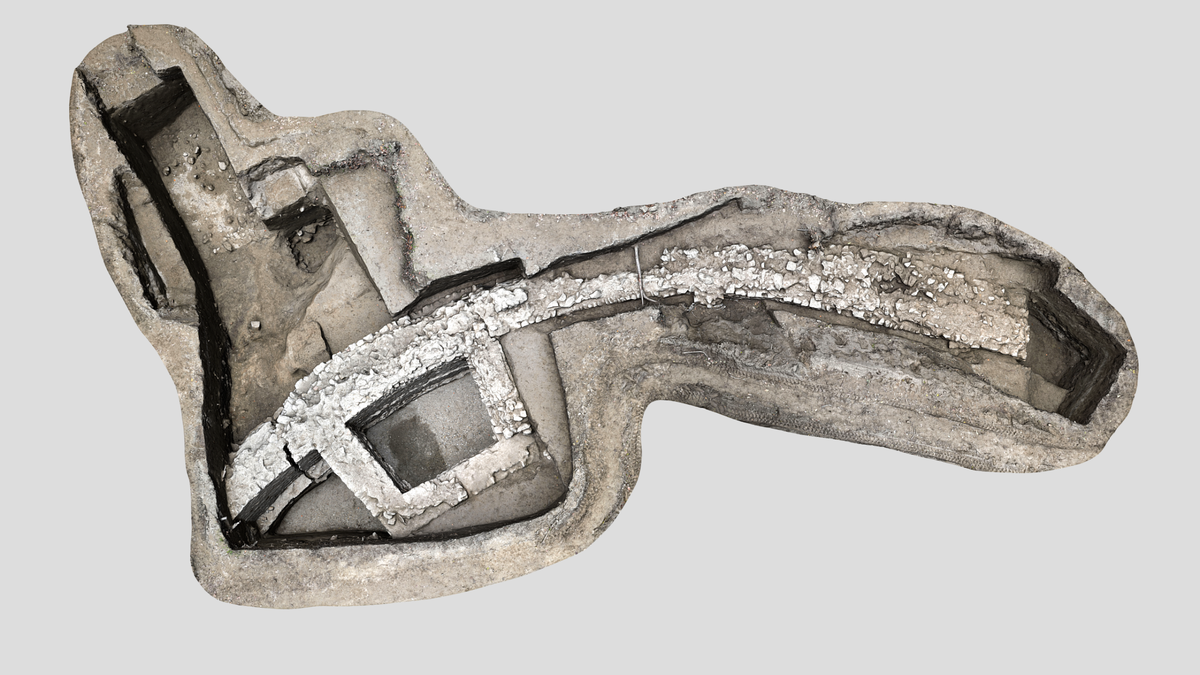
Roman bridgehead forts were typically built near key river crossings to control trade and secure borders, archaeologists said. As their name suggests, the forts often sat at the head of bridges but not always, such as in the case of Ödes Schloss.
Archaeologists identified the Roman bridgehead fort as a first-of-its-kind find for Austria.
Photos show the well-preserved ancient Roman ruins. In some sections, the walls still reach over 8 feet high, the academy said.
Park officials identified one section of the ruins as “an internal corner tower and adjoining walls,” a “particularly striking” find.
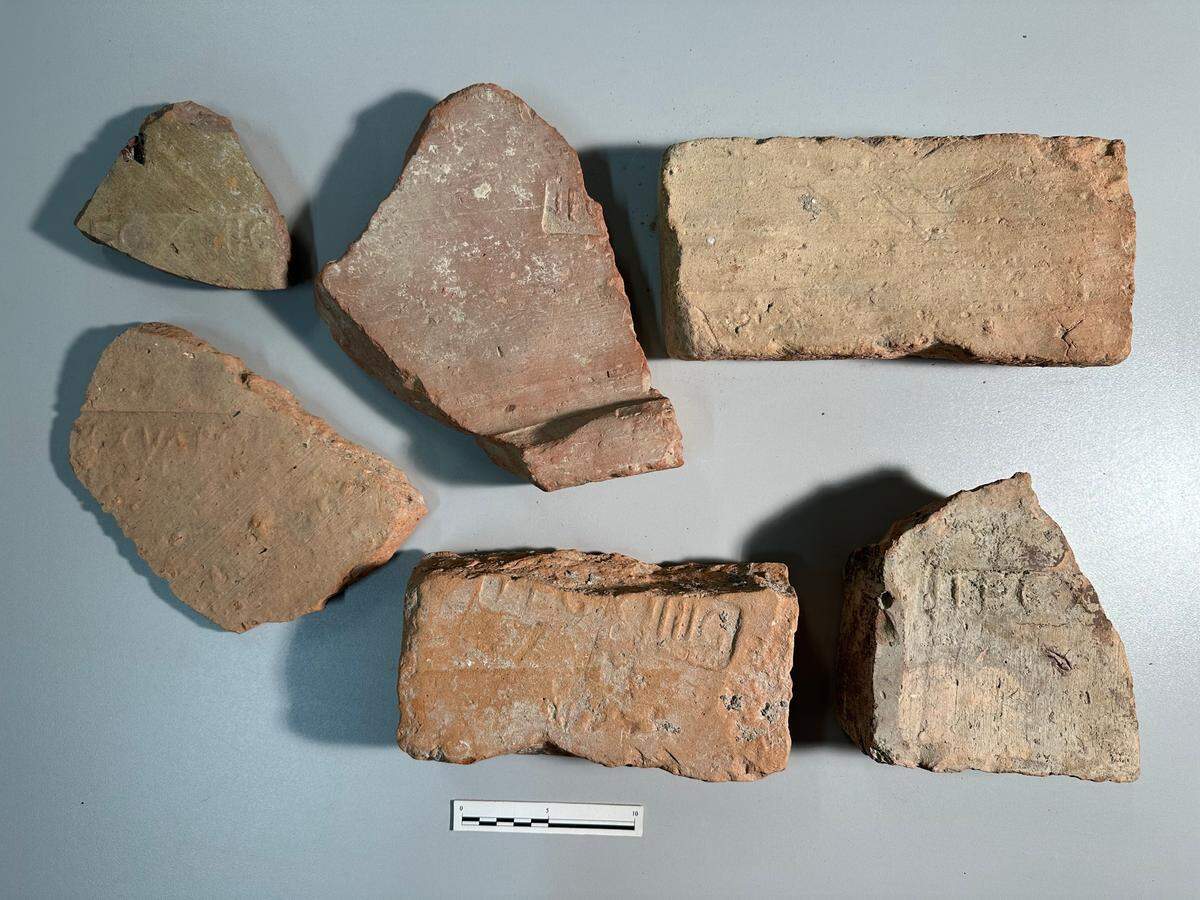
Archaeologists also found several bricks stamped with the names of Roman military units, coins, pottery and other metal artifacts. A photo shows some of these finds.
Based on the recent excavations, archaeologists identified two main phases in the fort’s history, the academy said. The first phase began around 170 to 180 A.D. when the Romans built the fort as a reinforcement against Germanic tribes. The second phase took place around 260 A.D. when another Roman emperor renovated the fort.
Around the time of the fort’s second phase, the nearby ancient Roman city of Carnuntum began to decline, park officials said. The fort’s importance declined as well, and it was eventually abandoned.
Much about Ödes Schloss remains unknown. Archaeologists plan to continue analyzing the site and their finds.
Stopfenreuth is a small town in eastern Austria, a roughly 30-mile drive east of Vienna and near the border with Slovakia.
Google Translate was used to translate the news release from the Austrian Academy of Sciences.
This story was originally published April 16, 2025 at 9:26 AM with the headline "175-year-old theory about riverside ruins in Austria turns out to be true."