Home renovation reveals hidden entrance to WWI escape tunnel in Belgium. See it
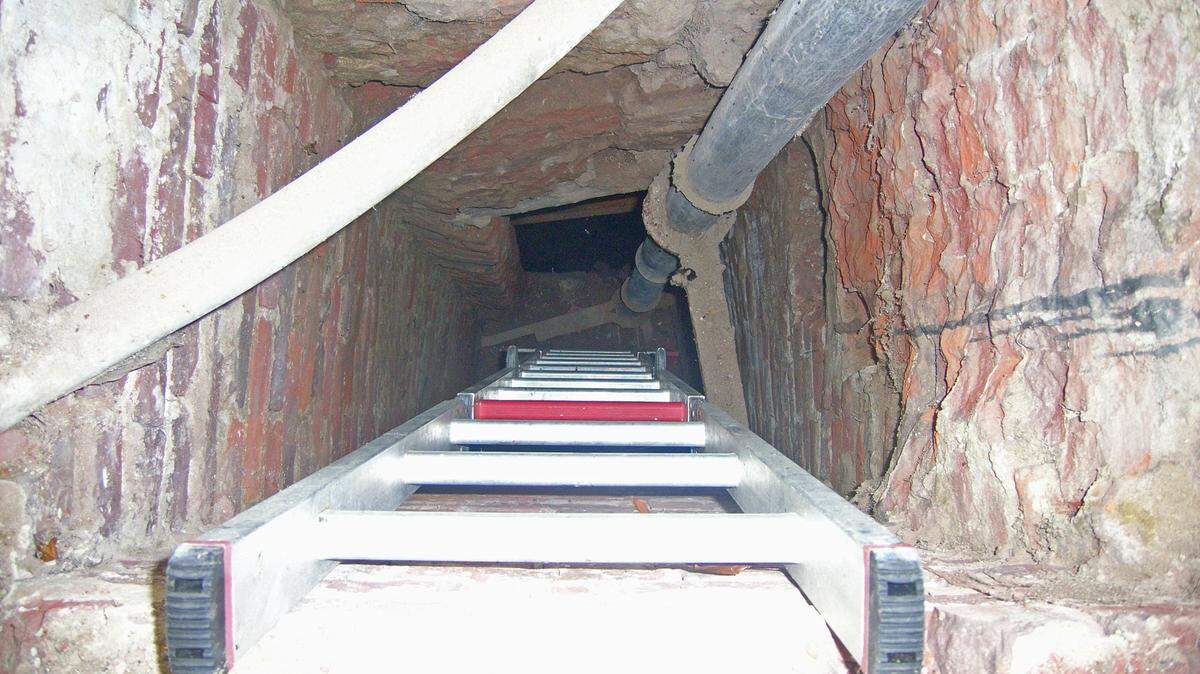
Contractors renovating a historic home in Belgium stumbled upon the entrance to a secret tunnel identified by archaeologists as an escape route from World War I. Photos show the long-forgotten yet remarkably well-preserved tunnel.
Construction workers made the chance discovery when they found a hidden manhole cover inside a historic home in downtown Tielt in 2017. They removed the cover and found a brick shaft leading straight down, the Flanders Heritage Agency said in a February research report.
Immediately, workers suspected the find might be significant. The home, a classic mansion known as Nieuwstraat 7, was already a protected monument because the invading German army had used it as a military headquarters from 1914 until 1918.
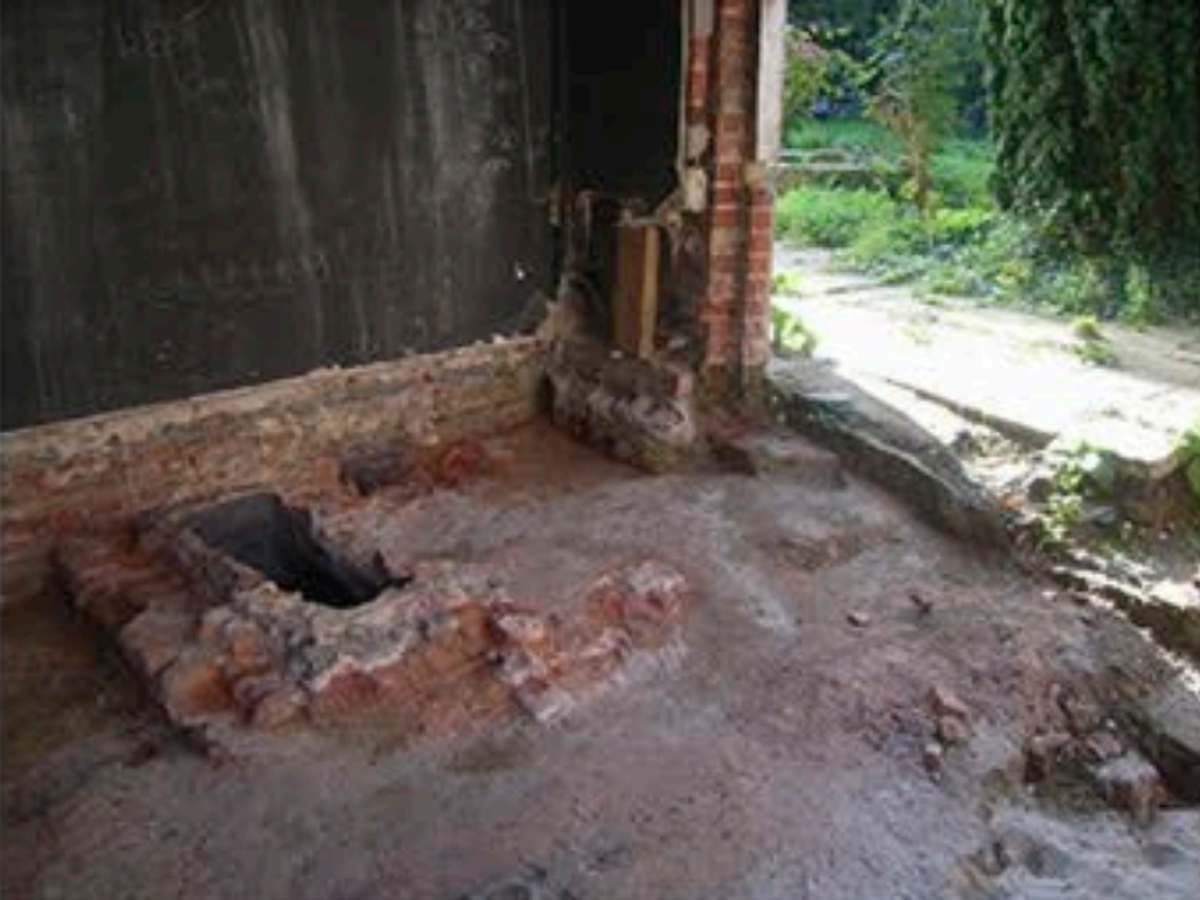
Archaeologists investigated and realized the newfound shaft was just part of a larger structure, most likely built as an escape tunnel during WWI.
A diagram shared by the Flanders Heritage Agency in an April 10 Facebook post shows the full structure. It has three main parts: a vertical shaft, a historic well and a tunnel.
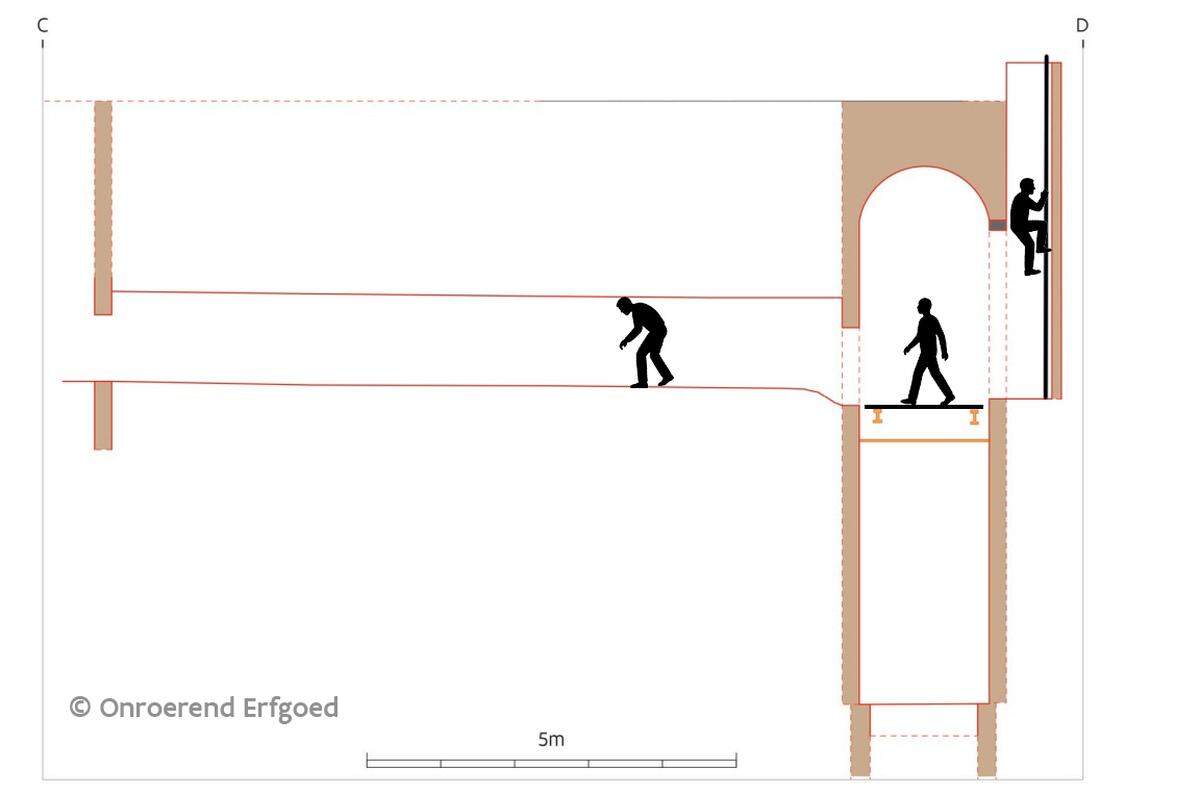
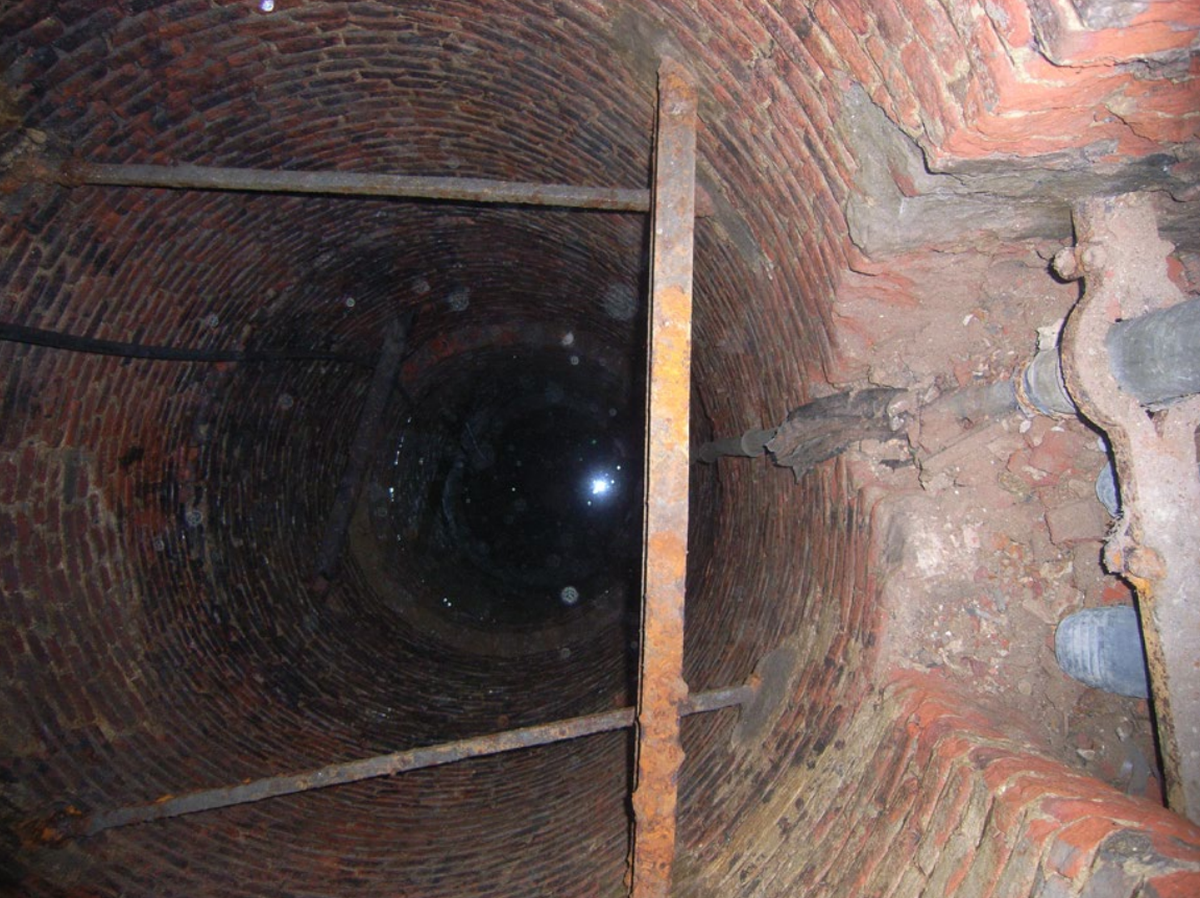
Photos show the narrow vertical shaft, which measured less than 3 feet wide and about 13 feet deep. At the bottom, it has an opening connecting to a historic well. On the other side of the well was a second opening leading to a tunnel, officials said.
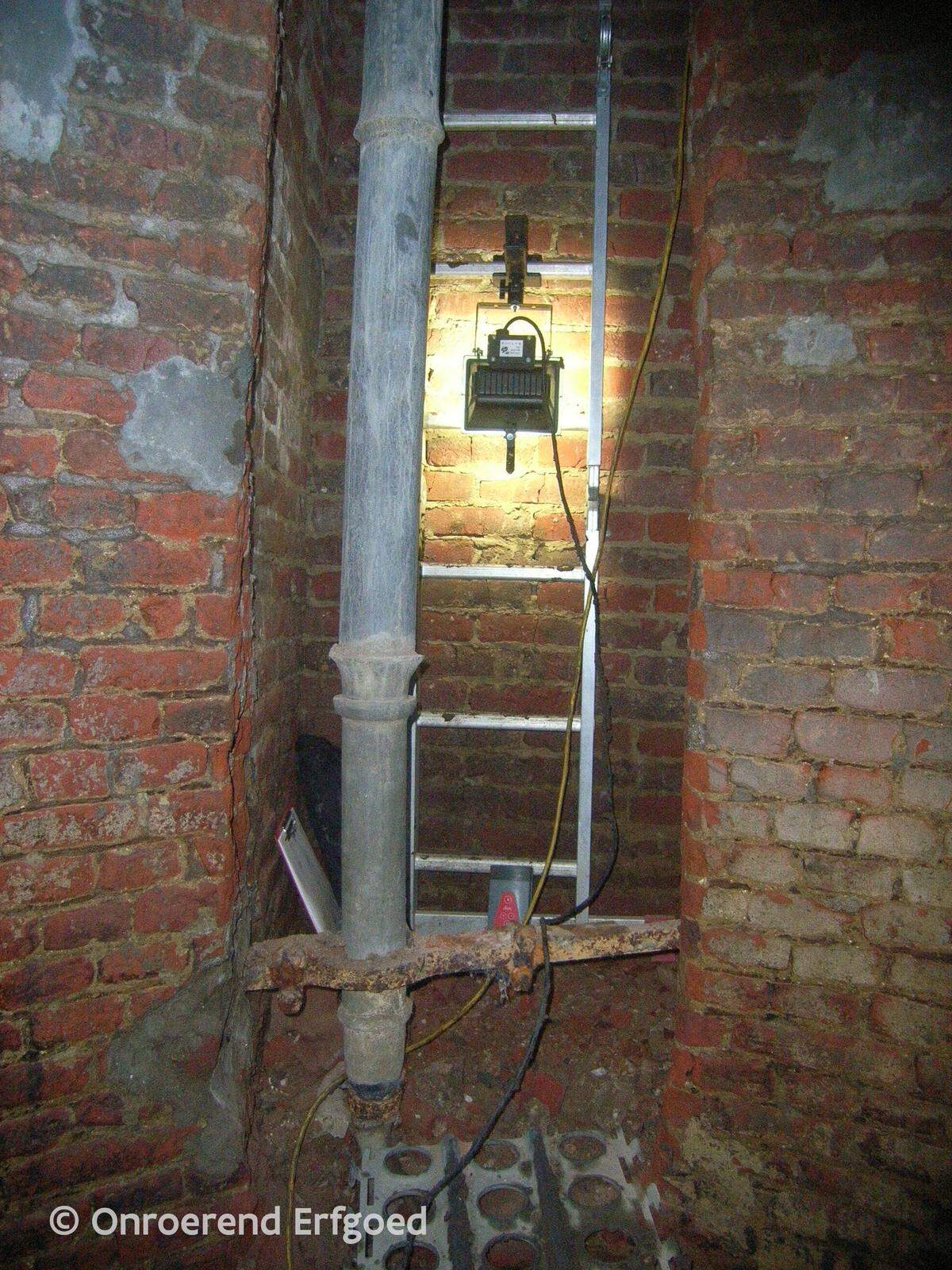
The well was likely built in the 18th century but had been closed up during later renovations, archaeologists said.
The team found that several iron beams had been added to the well just below the pair of openings. These beams weren’t a complete bridge on their own but could be covered with planks to function as one, officials said.
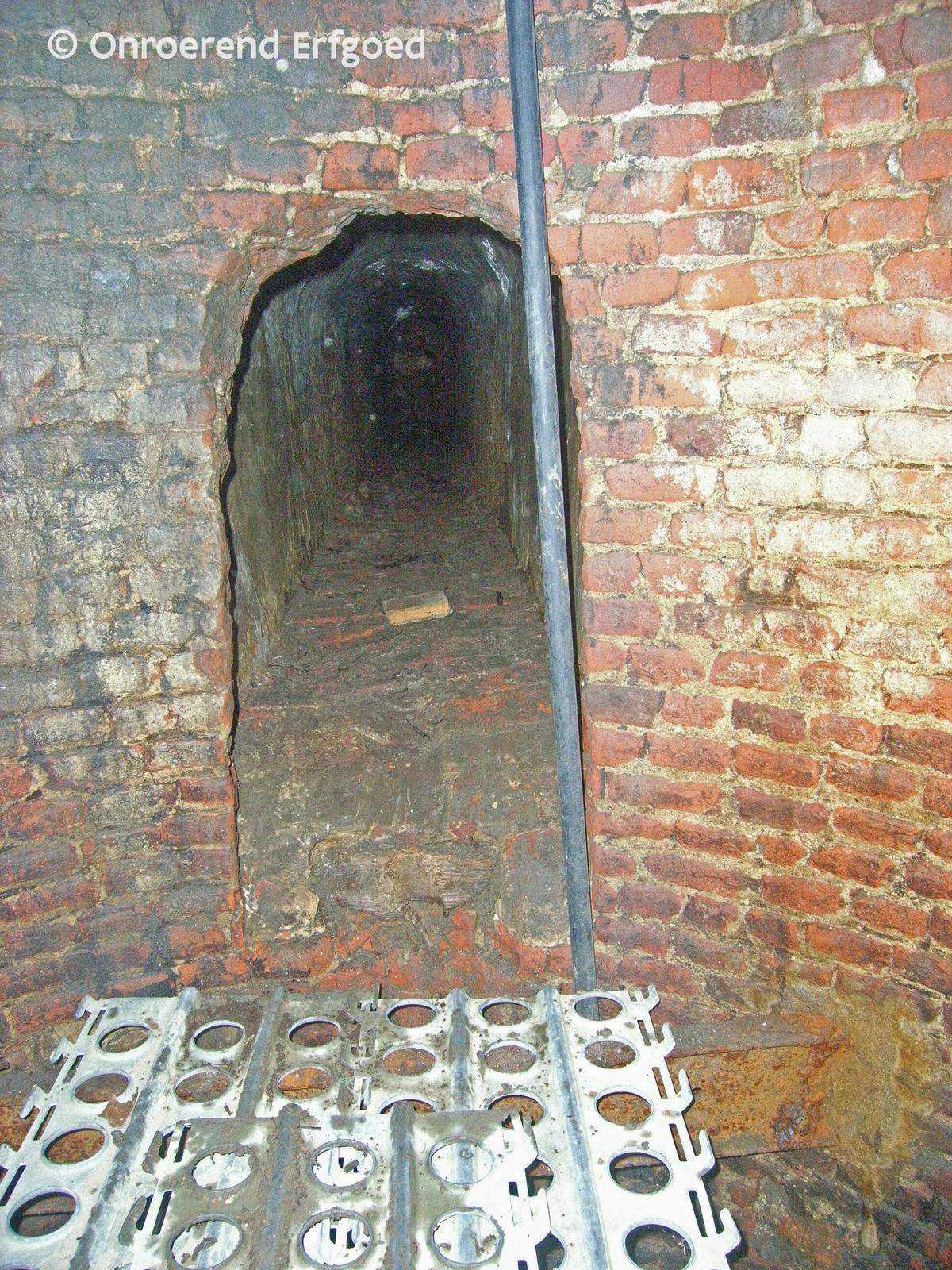
A photo shows the silvery white material archaeologists added on top of the metal beams to cross the well. Another photo shows the view looking into the well.
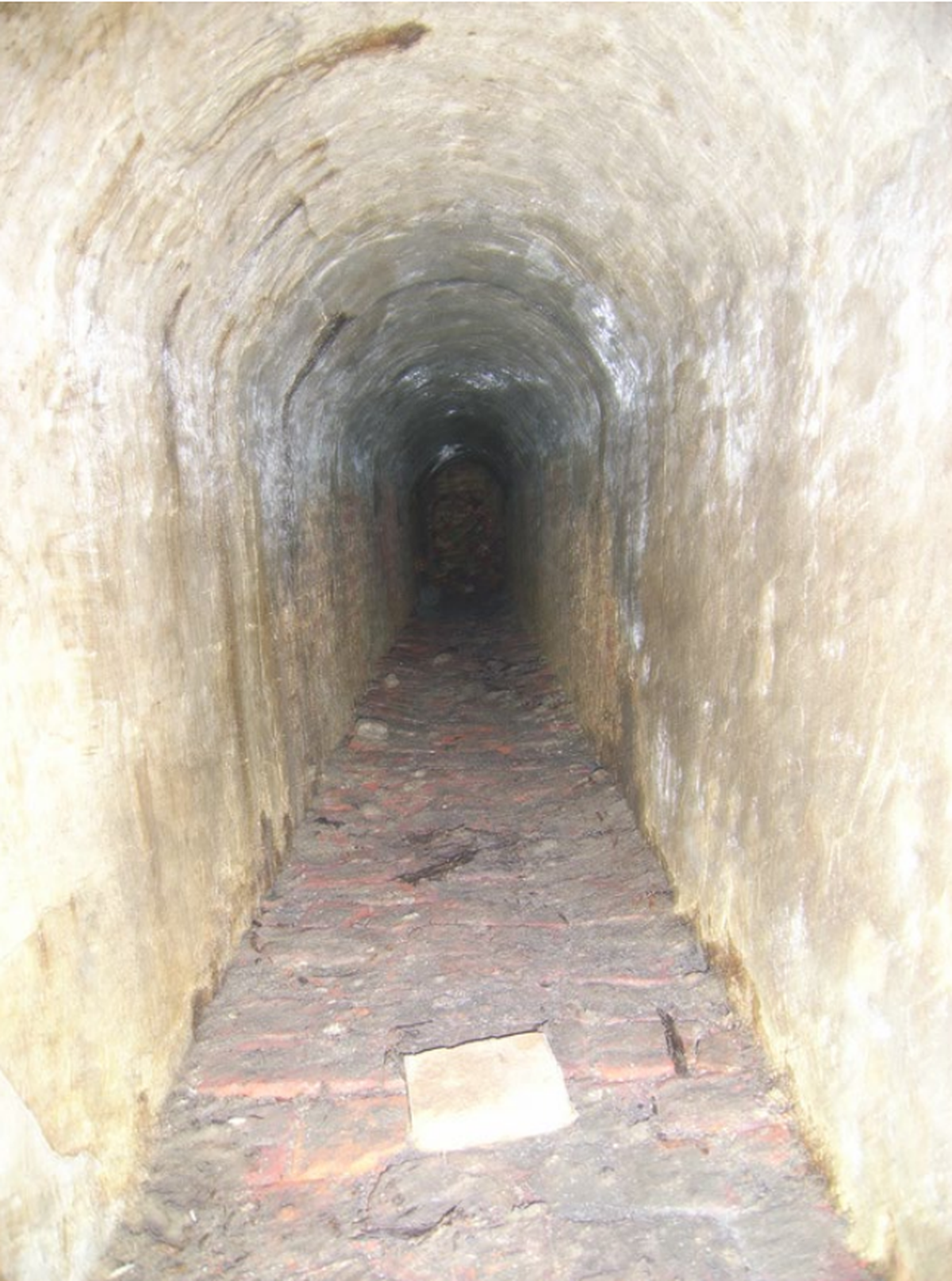
On the other side of the well was a brick tunnel, which lasted about 30 feet and ended in a bricked-up wall. The tunnel likely connected to the basement of a home two doors down.
During WWI, the German military turned several houses on Nieuwstraat street into one large office, bricking up most of the exterior doors, officials said. Nieuwstraat 7 was one of the only houses which still had a functioning entrance. It also housed the most essential war-planning operations.
Based on the hidden tunnel’s features and the home’s history, archaeologists believe the underground structure was an emergency escape route or a secret entrance from WWI.
Archaeologists could not confirm the existence of any comparable tunnels but heard rumors of two similar tunnels, including one around the Germany military headquarters in nearby Ghent, Belgium, which is believed to end in a well.
Tielt is a city in northwestern Belgium and a roughly 50-mile drive northwest from Brussels.
Google Translate and GPT-4 were used to translate the Facebook post and research report from the Flanders Heritage Agency.
This story was originally published April 14, 2025 at 3:58 PM with the headline "Home renovation reveals hidden entrance to WWI escape tunnel in Belgium. See it."