
What lies in hidden passage of Mexico cave — and four other mysteries solved
The summaries below were drafted with the help of AI tools and edited by journalists in our News division. All linked stories were reported, written and edited by McClatchy journalists.
Throughout history, cultures have left behind a trail of breadcrumbs for archaeologists to follow. New sites and artifacts are found all the time, revealing forgotten secrets of the past.
Here are some of the latest discoveries:
Prehistoric mammoth-ivory artifacts challenge experts to explain their use
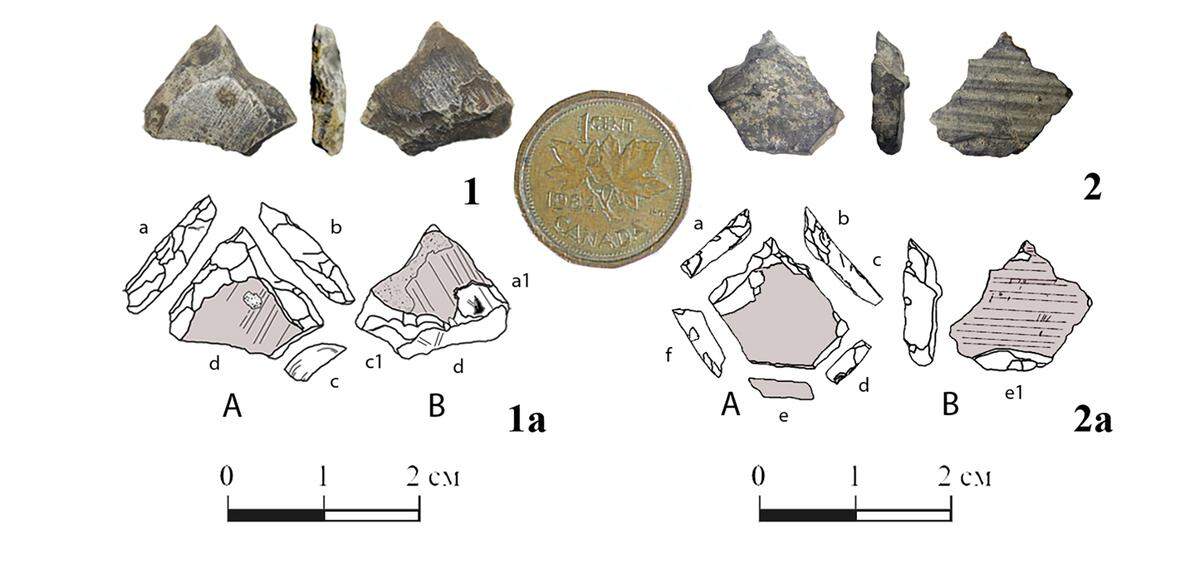
In western Ukraine, archaeologists uncovered mammoth ivory artifacts dating back around 400,000 years near Medzhybizh. These ivory pieces, showing signs of intentional modification, may represent the earliest evidence of deliberate ivory processing, possibly crafted by children as imitations of tools. The discovery raises questions about the purpose of these artifacts, as ivory is less durable than stone for toolmaking. | Published April 10 | Read More |
Cave guide enters unknown passage for first time — and helps make ancient discovery
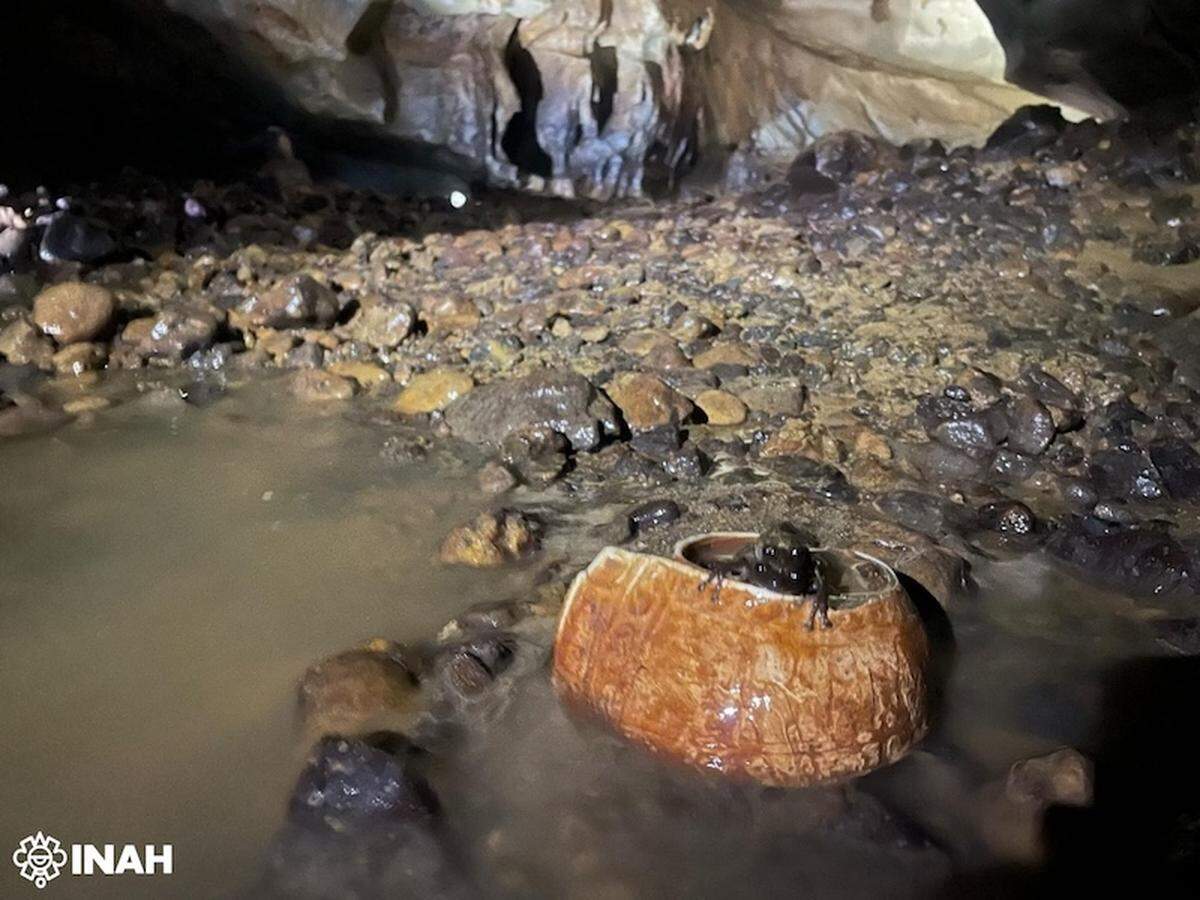
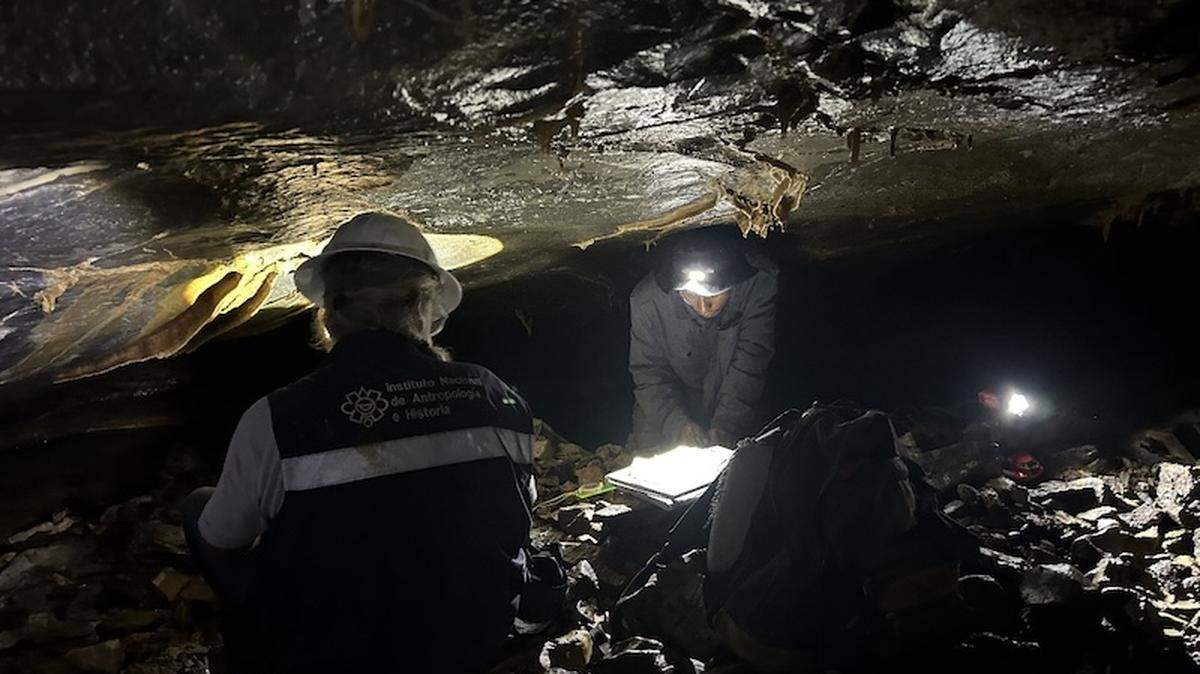
In the Guerrero mountains of southern Mexico, cave guide Adrián Beltrán Dimas and Russian speleologist Yekaterina Katiya Pavlova discovered a hidden room in Tlayócoc cave. They found centuries-old artifacts, including shell bracelets and stone discs, linked to the Tlacotepehua ethnic group from the Postclassic period. These artifacts, found in a cave considered part of the underworld, may be connected to ideas of creation and fertility. | Published April 11 | Read More |
Ancient military tomb — with ceiling of murals — discovered in China. See inside
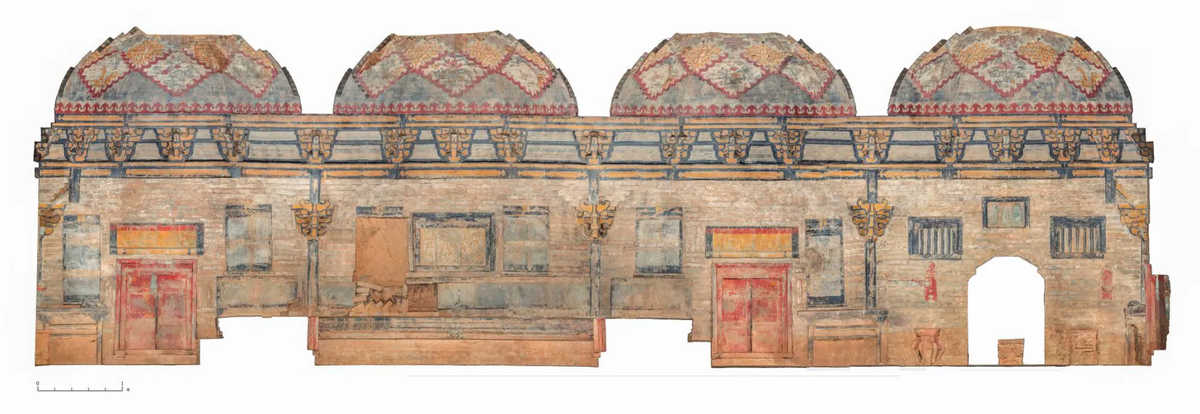
In Linfen, China, archaeologists uncovered a Yuan Dynasty tomb with a domed ceiling adorned with murals. The tomb, belonging to Lieutenant Liu, contained human remains, grave goods, and inscriptions detailing Liu’s life as a commander. This discovery provides insight into the burial practices and artistic expressions during the Mongol rule in China. | Published April 14 | Read More |
175-year-old theory about riverside ruins in Austria turns out to be true
.png "Ödes Schloss historic photo (1).png")
In eastern Austria, the ruins known as “Ödes Schloss” were confirmed to be a Roman bridgehead fort, validating a 175-year-old theory. Excavations revealed well-preserved Roman ruins, including walls and artifacts like bricks stamped with Roman military units. This find is the first of its kind in Austria and sheds light on Roman military strategies and their influence in the region. | Published April 16 | Read More |
Shepherd finds bones sticking out of hill in Romania. It was an ancient grave
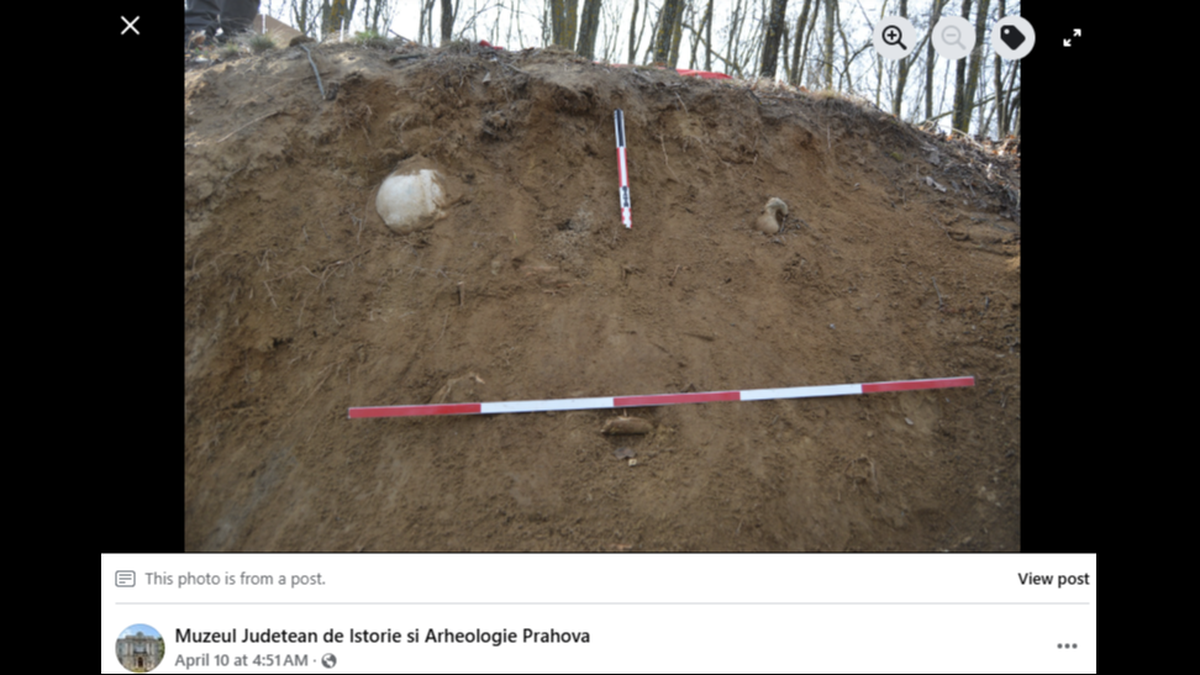
In Urlați, Romania, a shepherd named Cosmin Florin Dumitrache discovered an ancient grave exposed by a landslide on Vârful Scoruș hill. The grave, dating back about 5,000 years to the early Bronze Age, contained the well-preserved remains of an adult male buried with a possible stone ax and ceramic pieces. This discovery adds to Dumitrache’s history of finding ancient remains, as he previously uncovered medieval bones in 2024. | Published April 16 | Read More |
McClatchy News continues to follow the discovery of intriguing archaeological discoveries from around the globe. Check back to see the latest finds.
This story was originally published April 18, 2025 at 9:57 AM with the headline "What lies in hidden passage of Mexico cave — and four other mysteries solved."