What did ancient Roman artists use to paint Pompeii? New study offers a glimpse
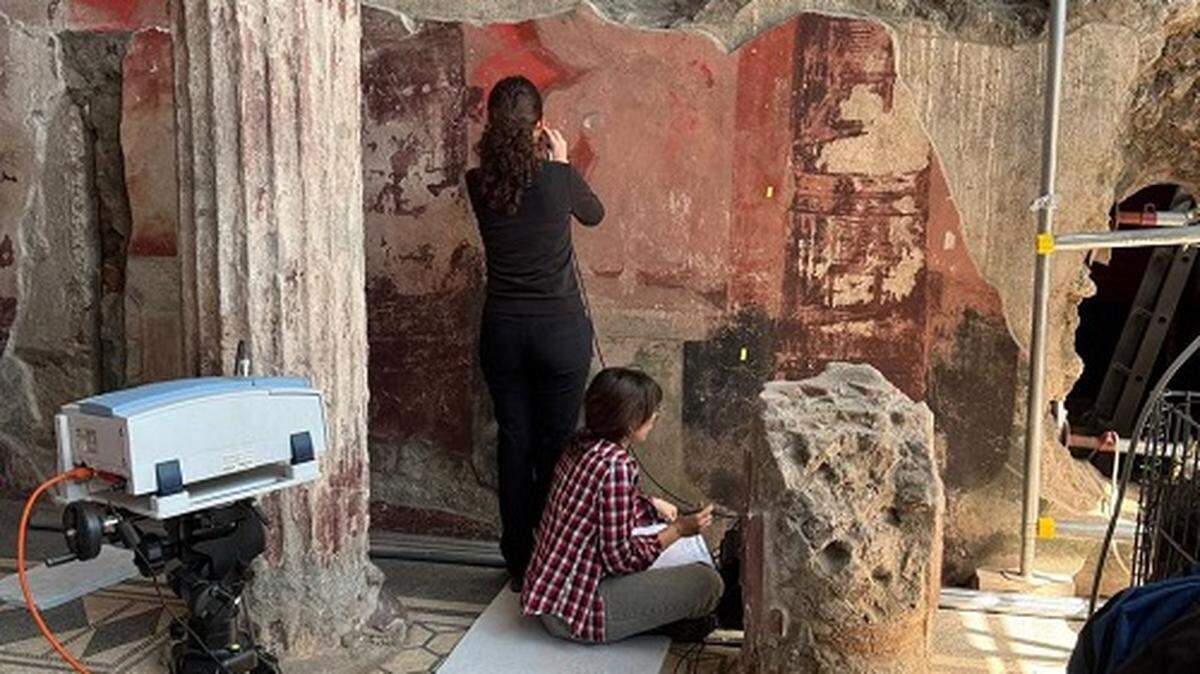
The ruins of Pompeii, Italy, are famous for their striking murals and brightly decorated walls — artworks so distinctive and well-preserved that archaeologists often name entire buildings after them.
But what materials did ancient Roman artists use to create these masterpieces?
That question, and the roughly 200 pots of unused paints found around Pompeii, recently caught the attention of a team of archaeologists and mineralogists, the Archaeological Park of Pompeii said in a March 15 news release.
Researchers decided to focus on paints that hadn’t been studied previously or were “different shades of the main colours.” Eventually, the team selected 26 pigments dating between the third century B.C. and 79 A.D., according to a study published March 15 in the peer-reviewed Journal of Archaeological Science.
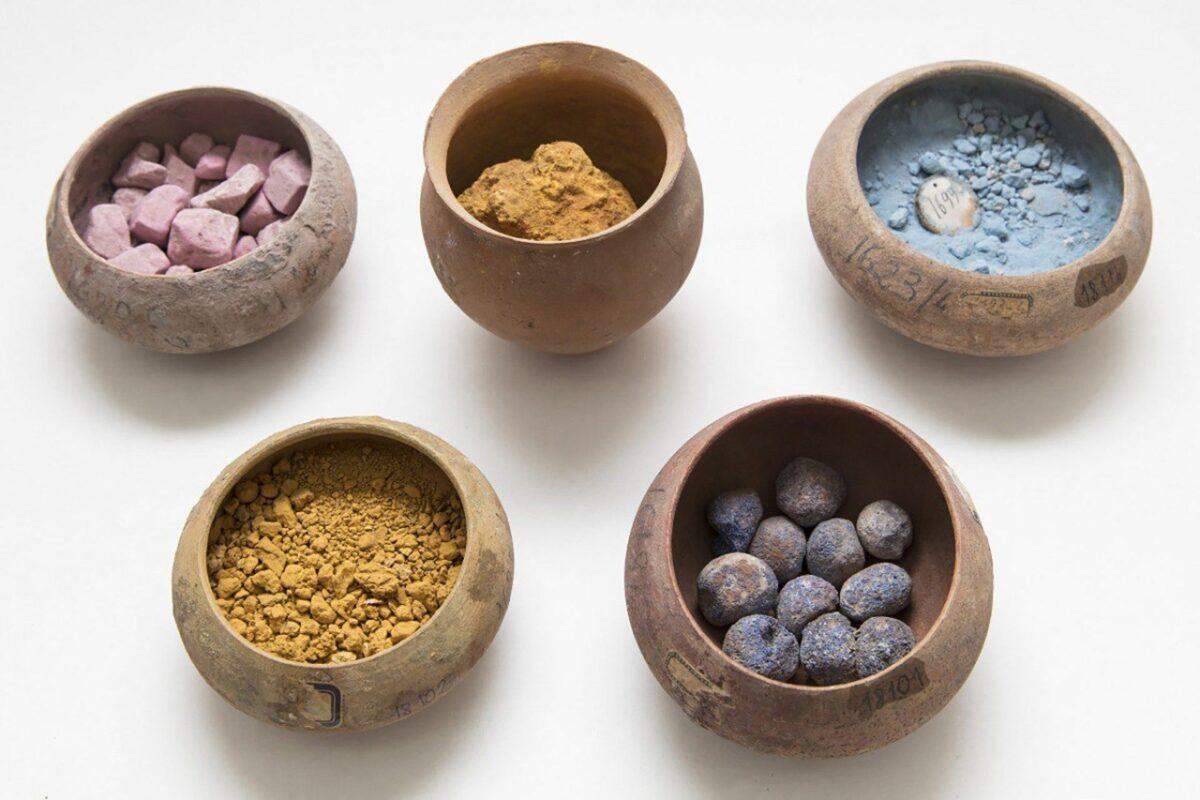
Generally, unused paints are rare finds for archaeologists both because pigments can degrade over time and because ancient painters weren’t inclined to waste their precious materials. But at Pompeii, the eruption of Mount Vesuvius stopped artists in the middle of their work, and its volcanic ash preserved the materials they left behind.
Photos show the variety of pigments found at Pompeii. The colors range from creamy white to turmeric yellow to pale blue. Some appear crumbly and chalky, while others are shaped into balls or cubes.
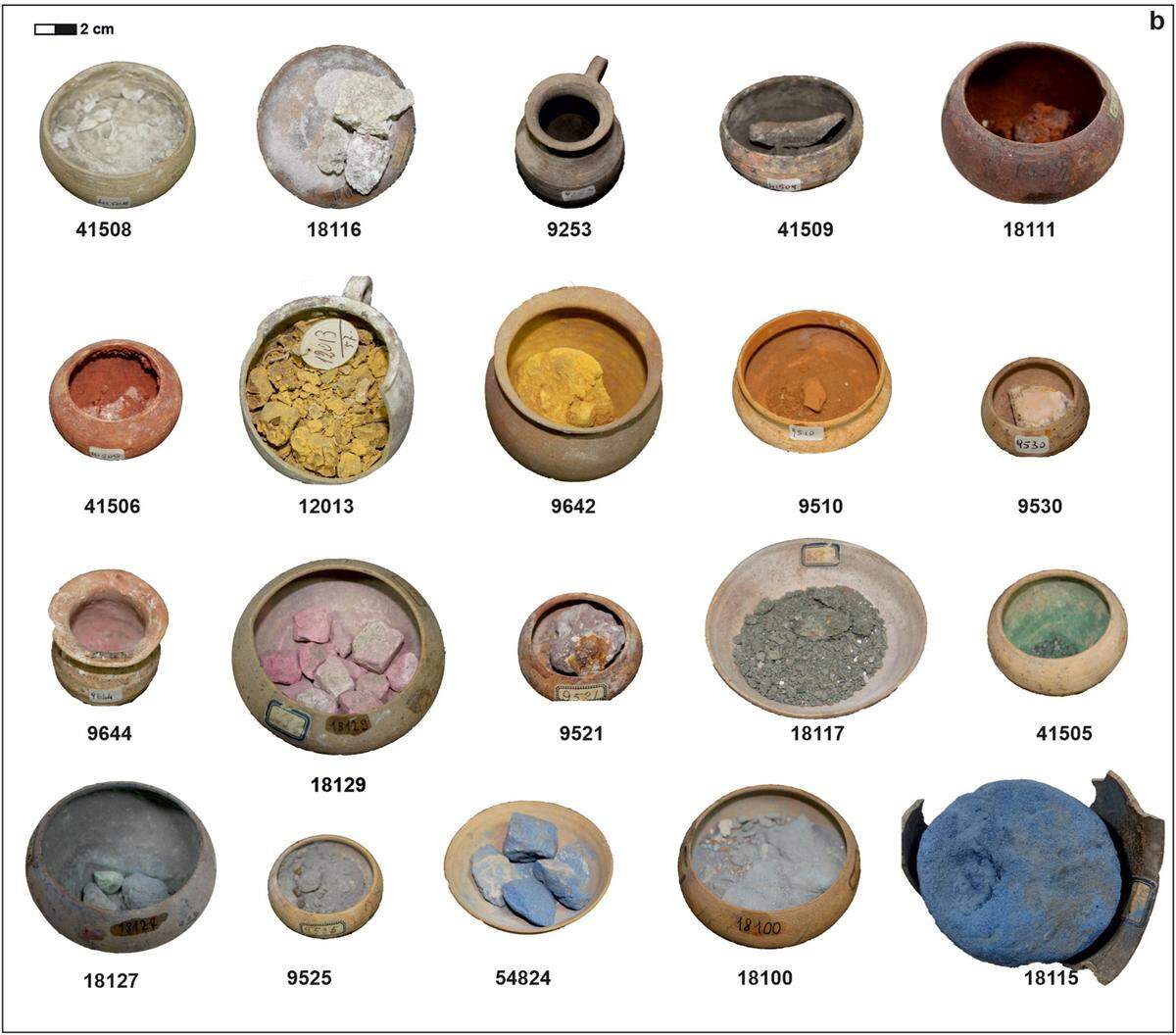
Researchers analyzed each pigment under a series of microscopes to determine its color, chemical and mineralogical composition, the study said.
To their surprise, they found that every paint was actually a mixture of at least two colors, even paints that seemed “pure.” An orange paint had traces of blue in it. One pink sample had the expected mix of red and white, but another pink paint had white, blue and orange in it.
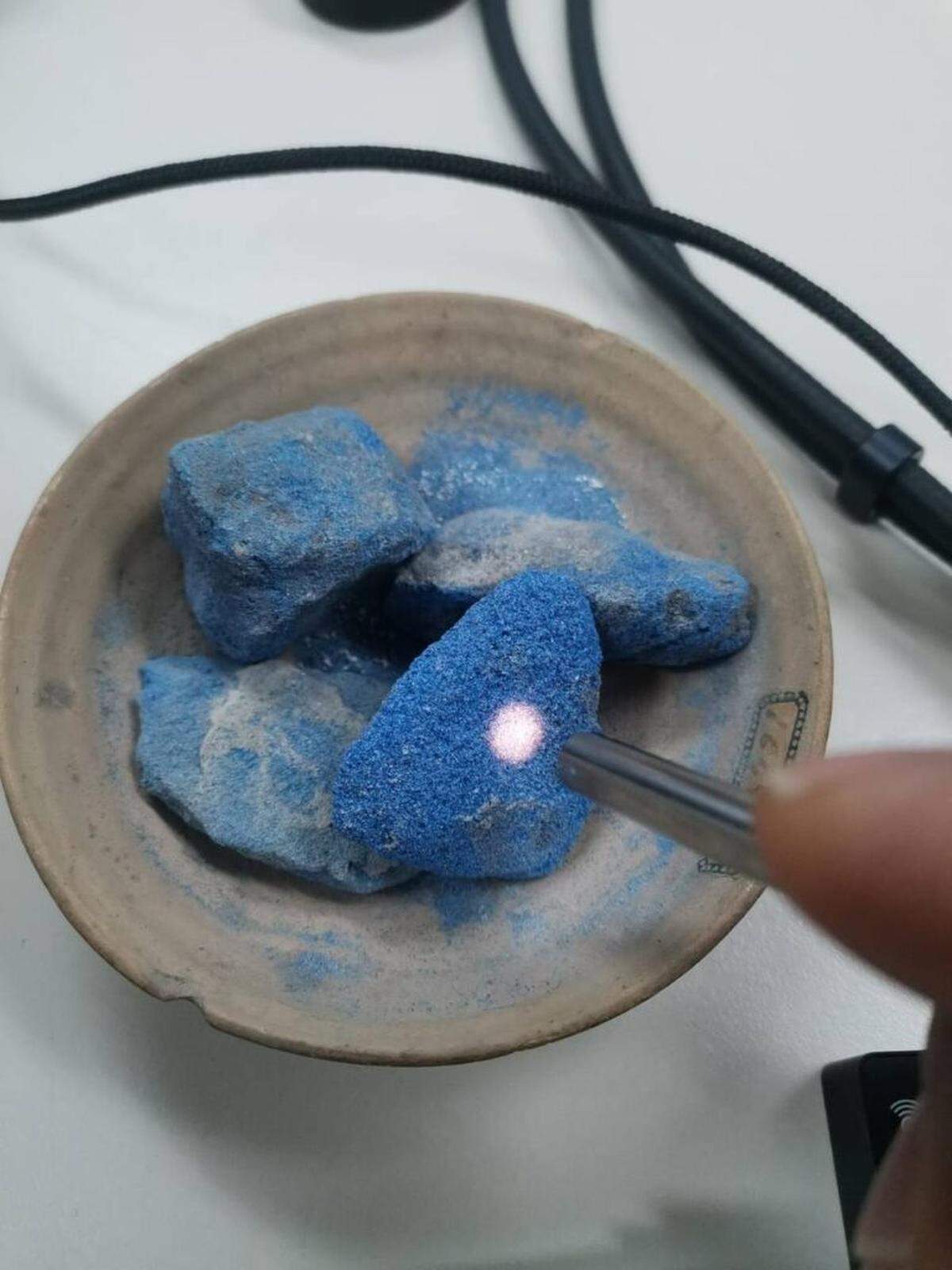
The main pigments used to create so many hues were Egyptian blue and red lead, the study said. These two colors were “fundamental” to the ancient Roman painters of Pompeii.
The team also identified a “new pigment mixture” in the form of a gray paint, the study said.
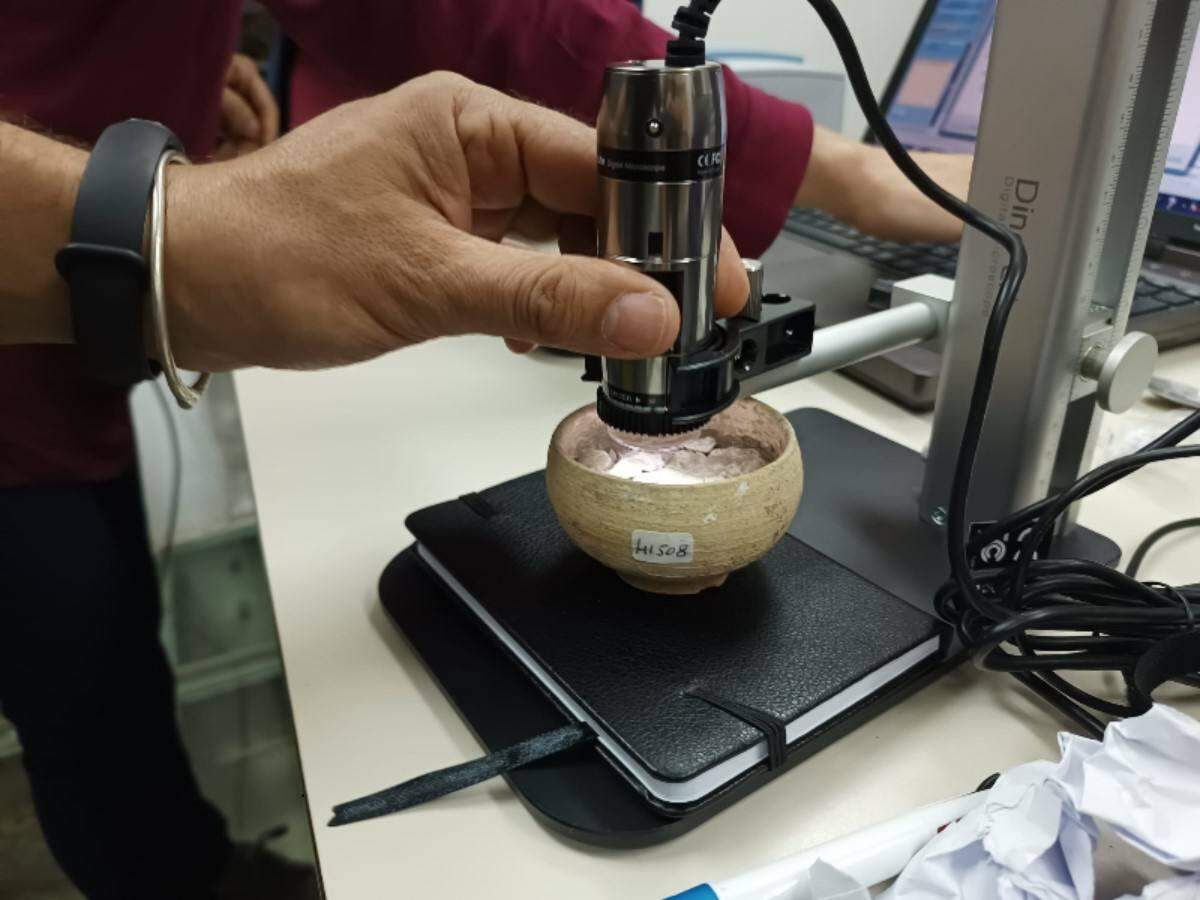
Researchers said their findings offer a glimpse into “almost the entire palette of an ancient painter.” The ability to create new paint colors served as the first step for ancient people “to convey artistic expression or, more simply, to leave a mark of their presence in a place.”
Researchers also suggested their findings could be useful for conservationists and restorers taking care of the ancient artworks at Pompeii.
The research team included Celestino Grifa, Chiara Germinario, Sabrina Pagano, Andrea Lepore, Alberto De Bonis, Mariano Mercurio, Vincenzo Morra, Gabriel Zuchtriegel, Sophie Hay, Domenico Esposito and Valeria Amoretti.
This story was originally published March 18, 2025 at 4:10 PM with the headline "What did ancient Roman artists use to paint Pompeii? New study offers a glimpse."