Ancient Roman structure hid under lawn of historic mansion in Slovakia — until now
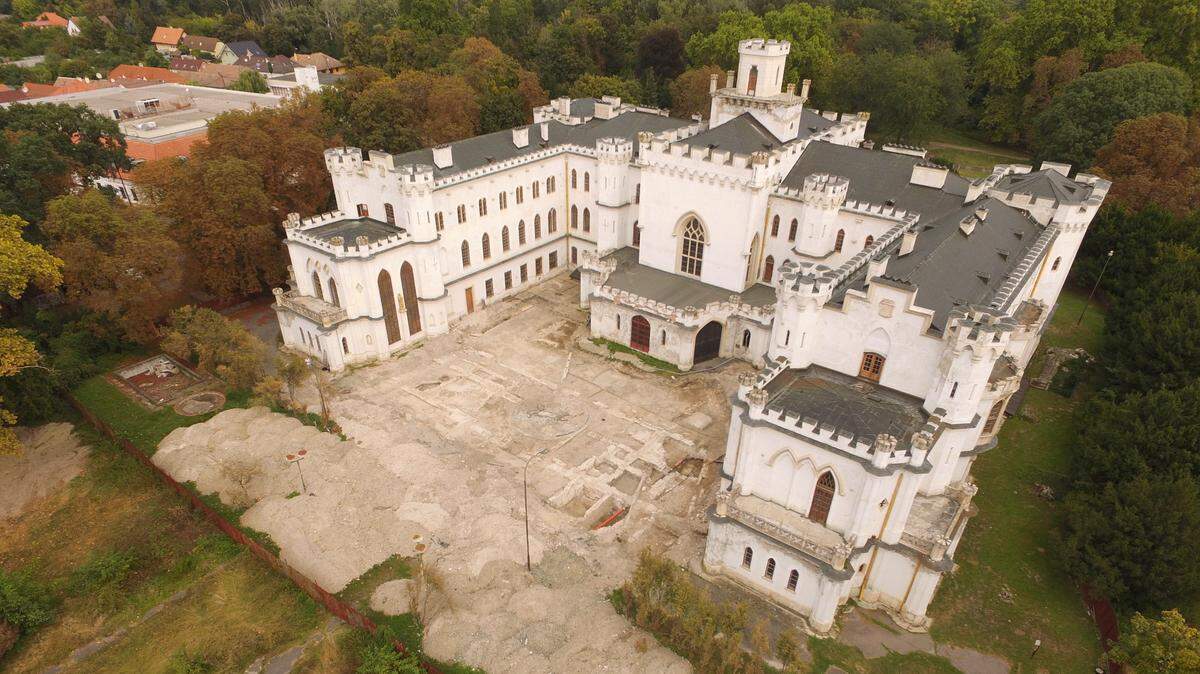
Digging into the lawn of a historic mansion in the capital city of Slovakia, archaeologists and their team of university students expected to find some ancient Roman artifacts but what emerged shocked them all.
The 1,800-year-old structure turned out to be a first-of-its-kind find.
A large-scale reconstruction project at Rusovce Mansion, a 16th-century manor and gardens on the outskirts of Bratislava, began in the summer of 2024 with an archaeological dig. Previous work at the site had uncovered Iron Age and ancient Roman finds, so the team from the University of Trnava was optimistic.
While excavating the front lawn, archaeologists unearthed an ancient Roman aqueduct, a tunnel-like structure used for supplying water, the University of Trnava said in a March 7 news release.
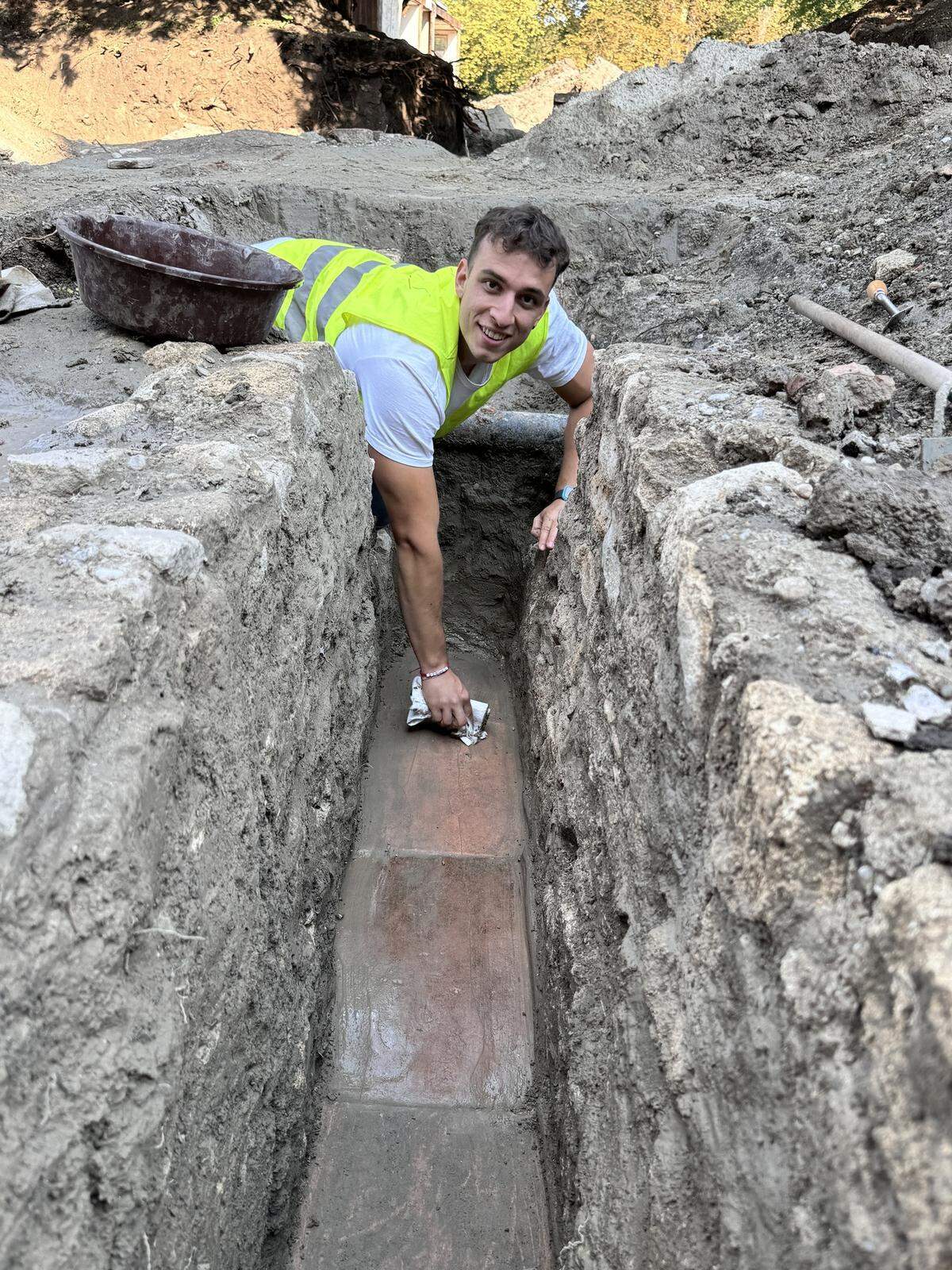
A photo shared by the university in a March 7 Facebook post shows the ancient aqueduct. The rectangular tunnel measures about 3 feet deep and 1 foot wide. Its sides are lined by stones, and a row of sloping tiles run along the bottom.
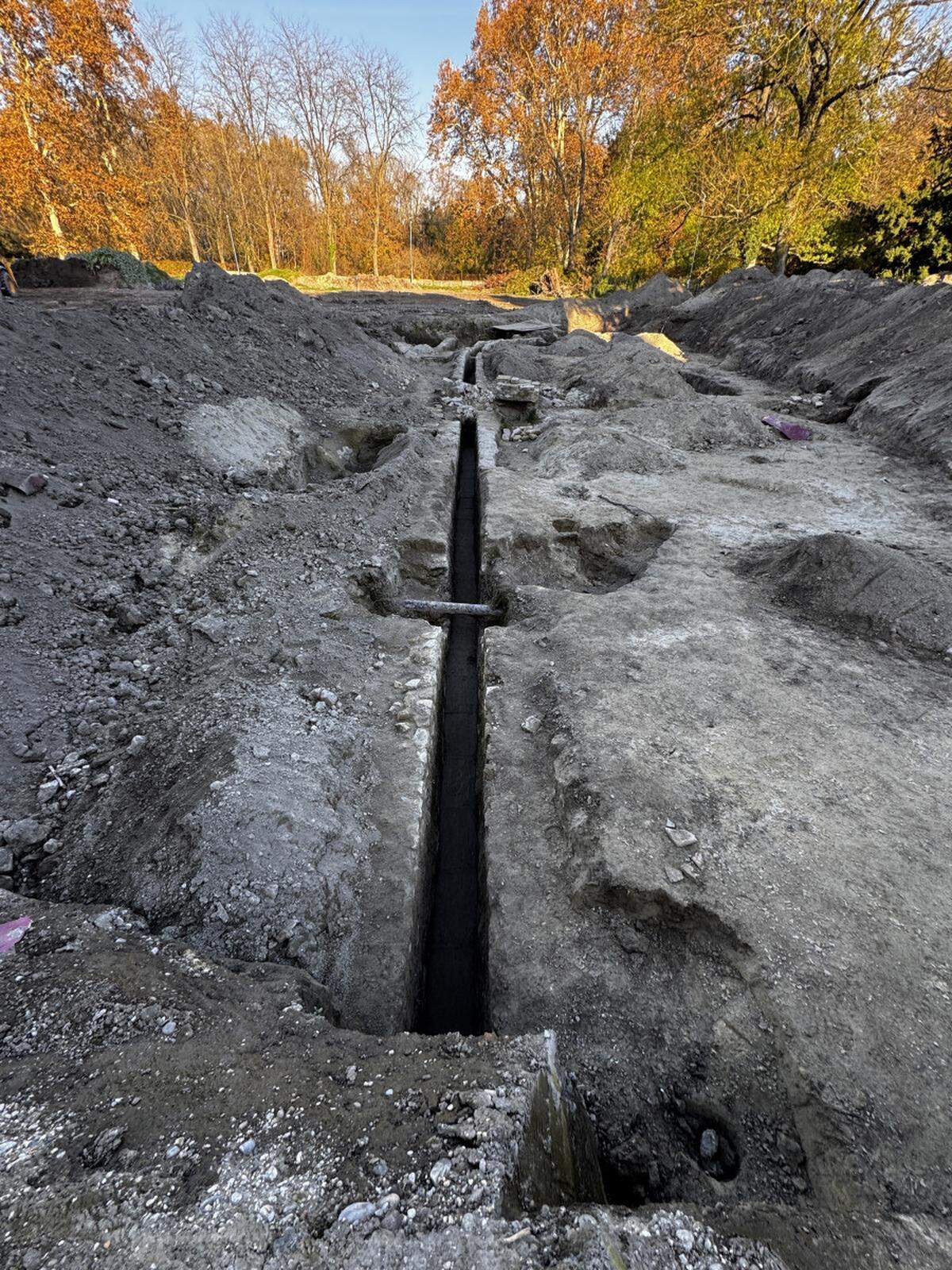
So far, archaeologists have uncovered about 125 feet of the aqueduct, the university said. Seen from above, the structure is almost shaped like a drinking straw, with a straight section followed by a curved corner.
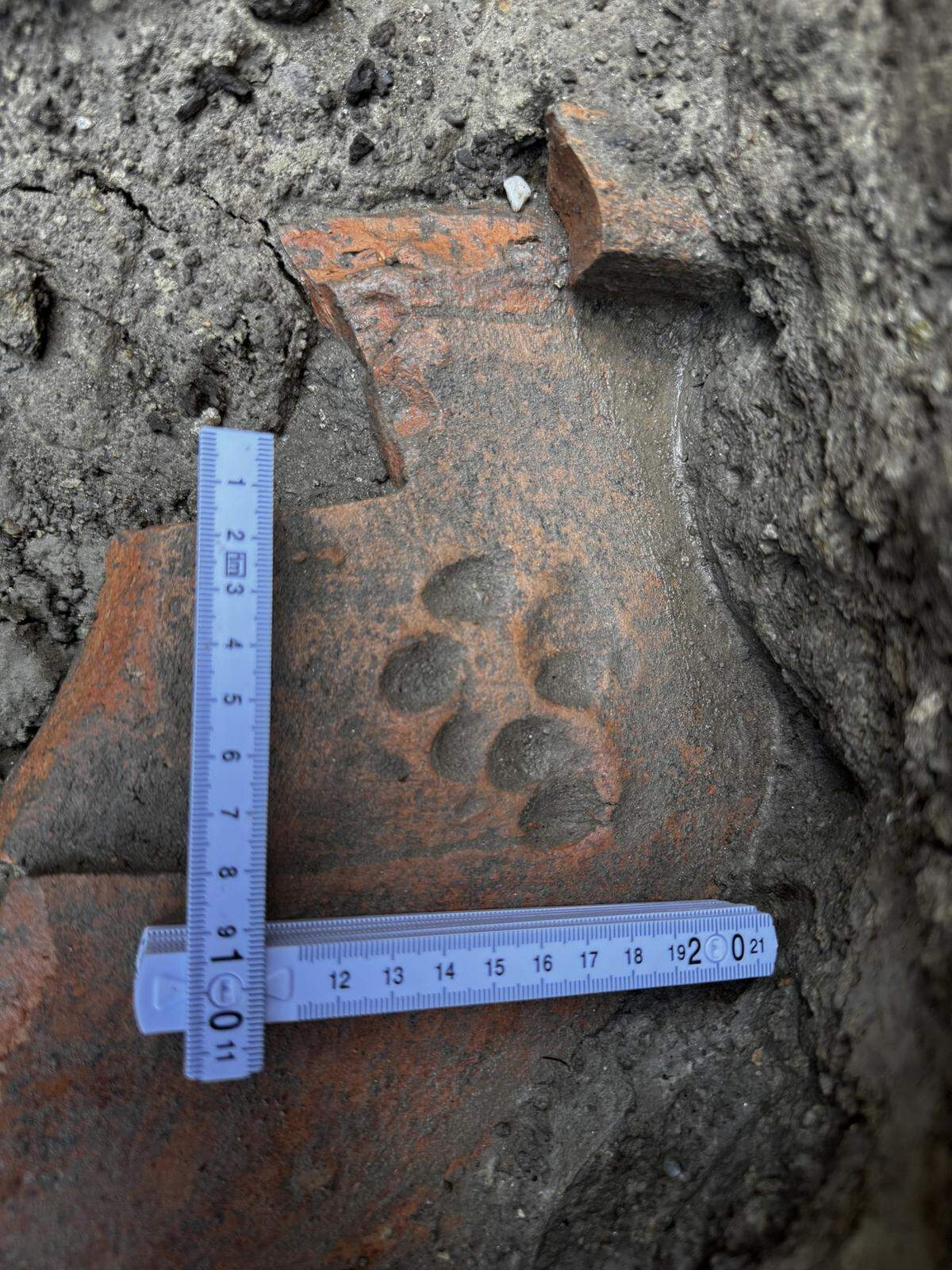
A few of the tiles were so well preserved that archaeologists could read the stamped name of their manufacturer, the university said. One tile even had a dog’s pawprint on it, left from the animal stepping on the tile before it fully dried.
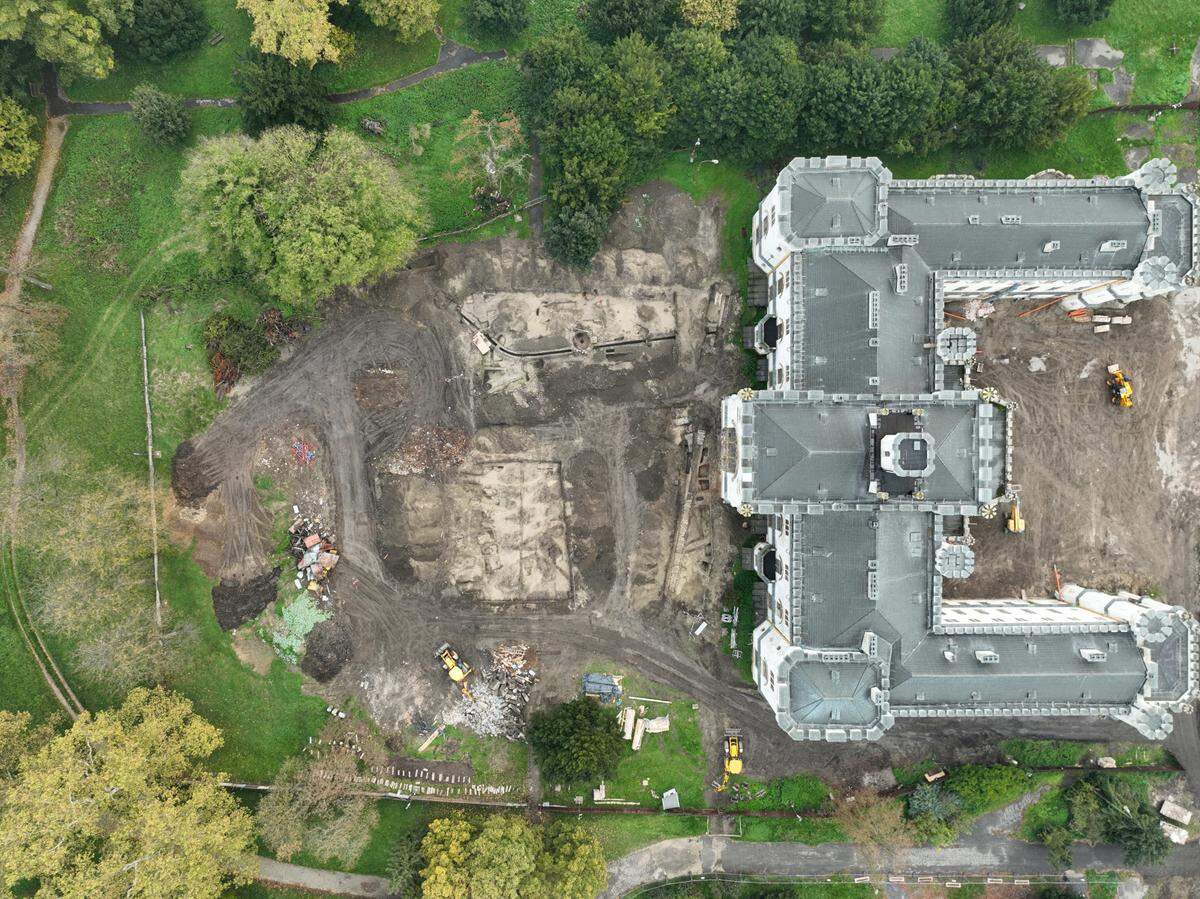
Based on the manufacturing stamps on the tiles, the aqueduct dates back at least 1,800 years, archaeologist Erik Hrnčiarik said in the release. The pipeline fell out of use at the end of the second century, was filled in and preserved ever since.
Similar Roman aqueducts have been found elsewhere in central Europe, but this is the first time one was found in Slovakia, Hrnčiarik said. The structure’s preservation quality and scale add to its significance.
Archaeologists estimated the aqueduct required about 56 tons of stone and over 80 tiles, the university said.
But where was the water going? The aqueduct leads toward the historic mansion, but its final destination does not seem to have survived the millennium, leaving archaeologists guessing.
Work at Rusovce Mansion is ongoing and expected to last until 2029. The mansion is in Slovakia’s capital city, Bratislava, and near the border with Austria and Hungary.
Google Translate was used to translate the news release and Facebook post from the University of Trnava.
This story was originally published March 18, 2025 at 8:32 AM with the headline "Ancient Roman structure hid under lawn of historic mansion in Slovakia — until now."