Underground river hid traces of 2,000-year-old cult — until now. See finds in Italy
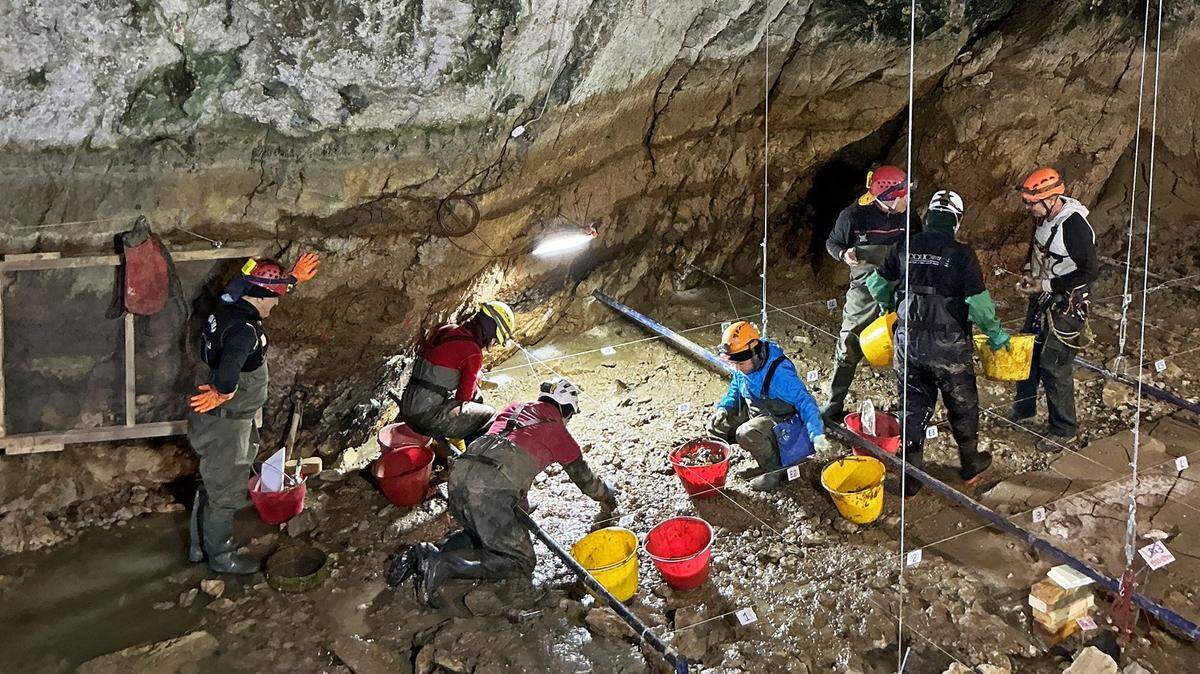
In a cave in southern Italy, archaeologists sifted through a muddy riverbed normally submerged by the turquoise waters of an underground river. A dull brown artifact caught their attention — and revealed traces of cult activity 2,000 years ago.
The Pertosa-Auletta Caves are a popular tourist site with two claims to fame: Italy’s only navigable underground river and Europe’s only preserved remains of an underground Bronze Age village.
As part of the site’s ongoing research, a team of archaeologists spent a few weeks excavating a new section roughly 130 feet from the cave entrance, the Superintendence of Archaeology, Fine Arts and Landscape of Salerno and Avellino said in a Jan. 31 Facebook post.
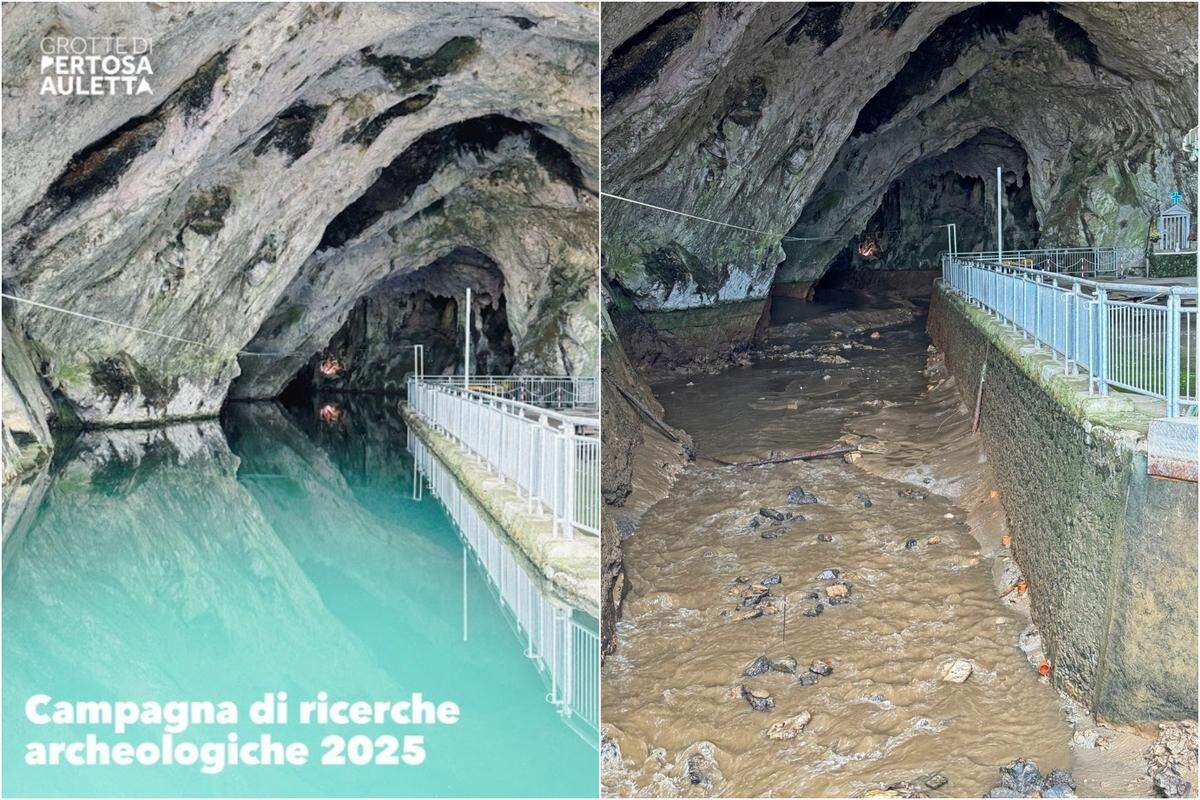
The underground river was temporarily dammed to allow for the archaeological work, officials said. Photos show how the cave entrance normally looks and how it looked during the excavations.
In the muddy riverbed, archaeologists uncovered traces of a Hellenistic, or Greek, cult site dating between 2,000 to 2,400 years old, Italy’s Central Institute for Archaeology said in a Feb. 19 news release.
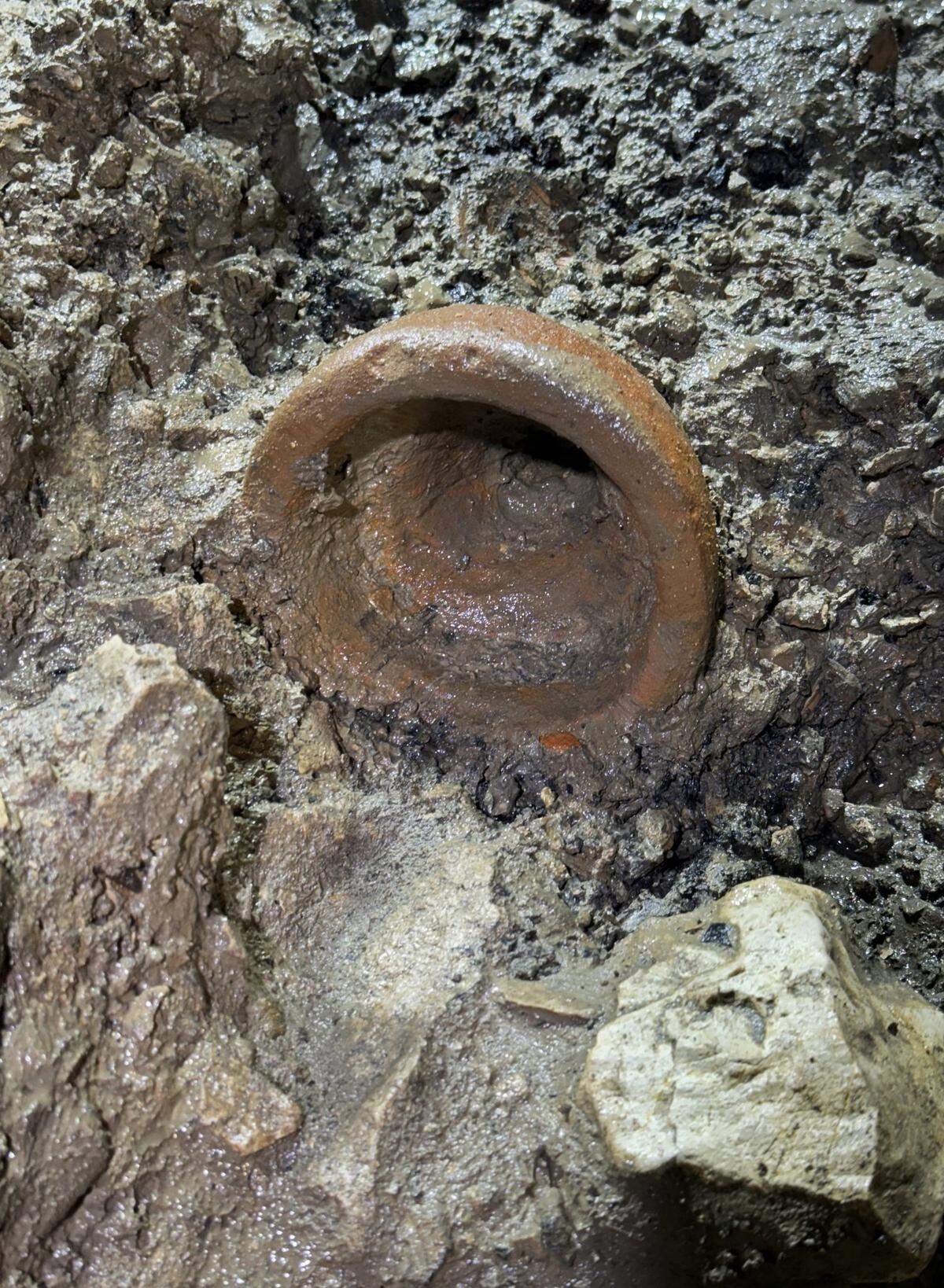
A photo, shared by Pertosa-Auletta Caves in a Feb. 20 Facebook post, shows a brown bowl-shaped incense burner linked to the cult activities.
Much about the ancient cult site remains unknown. Archaeologists plan to continue analyzing their finds.
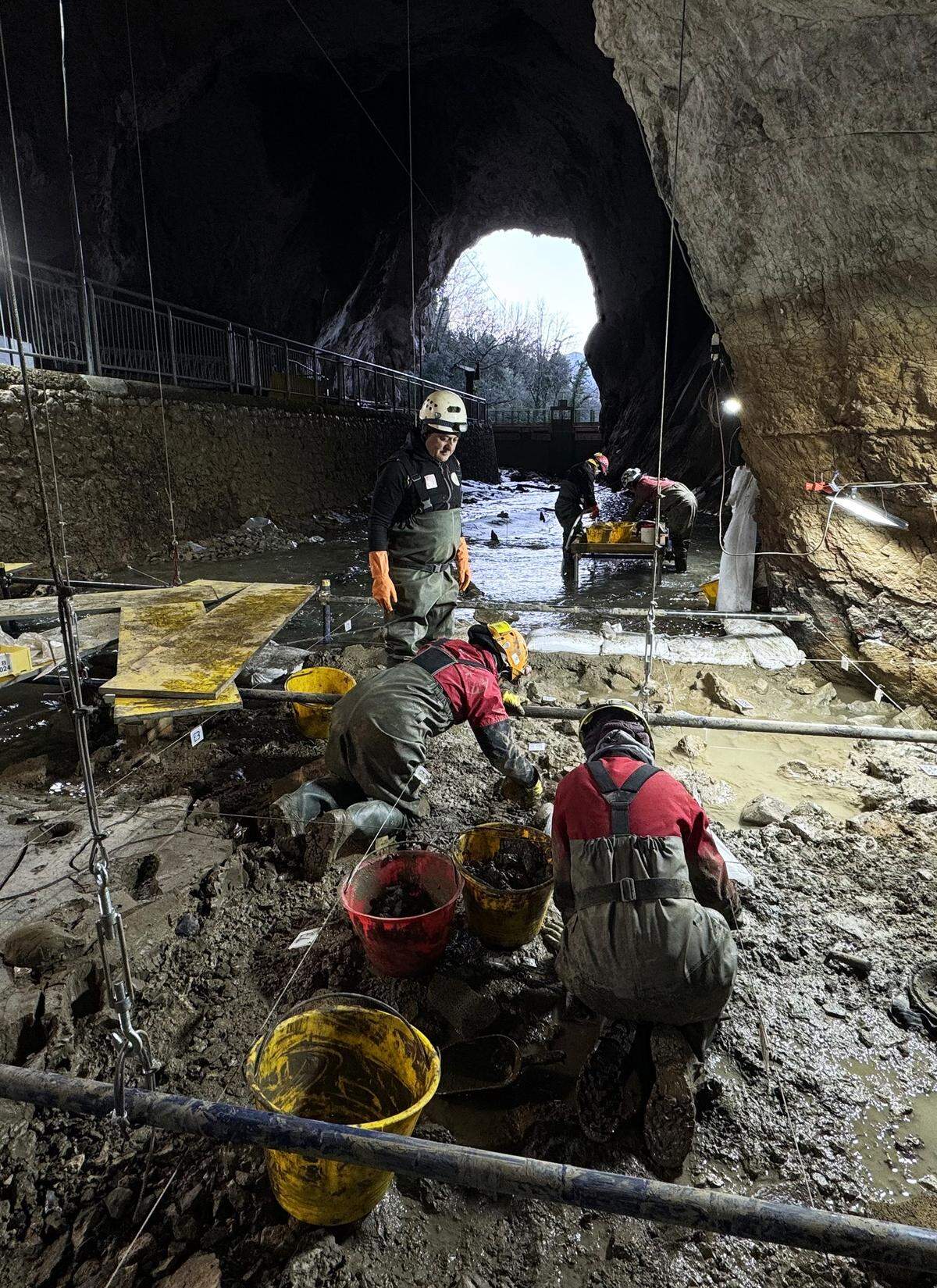
The team also found another section of the Bronze Age pile-dwelling village and took wood samples for further laboratory analysis, the institute said.
Excavations ended in mid-February and will resume in 2026.
The Pertosa-Auletta Caves are in Salerno Province of southern Italy and a roughly 210-mile drive southeast from Rome.
Google Translate was used to translate the news release from Italy’s Central Institute for Archaeology and Facebook posts from Pertosa-Auletta Caves and the Superintendence of Archaeology, Fine Arts and Landscape of Salerno and Avellino.
This story was originally published February 24, 2025 at 11:08 AM with the headline "Underground river hid traces of 2,000-year-old cult — until now. See finds in Italy."