Metal detectorist stumbles upon first-of-its-kind ancient find for Isle of Man. See it
On an island midway between the United Kingdom and Ireland, a metal detectorist swept his device over the ground. A tell-tale beep alerted him to a small metal object.
It turned out to be a first-of-its-kind find for the Isle of Man.
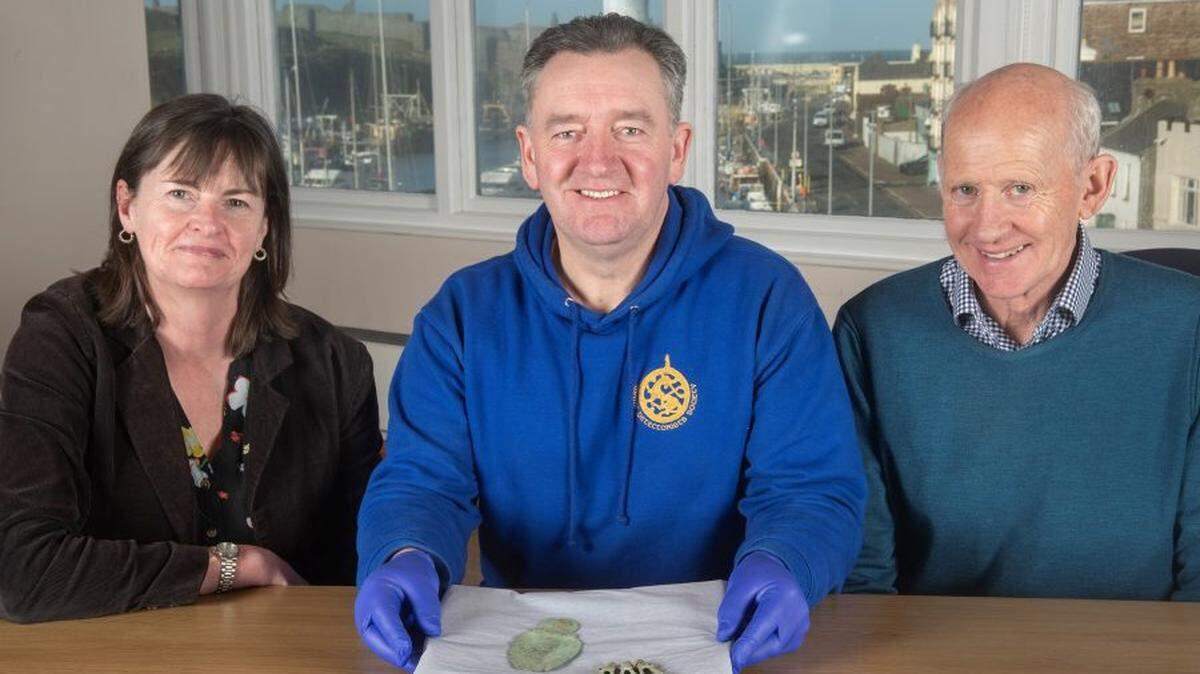
Rob Middleton visited a site on the southwestern coast of the self-governing island to conduct metal detector searches, Manx National Heritage said in a Feb. 10 news release. During his visit, Middleton stumbled upon an odd-looking spoon.
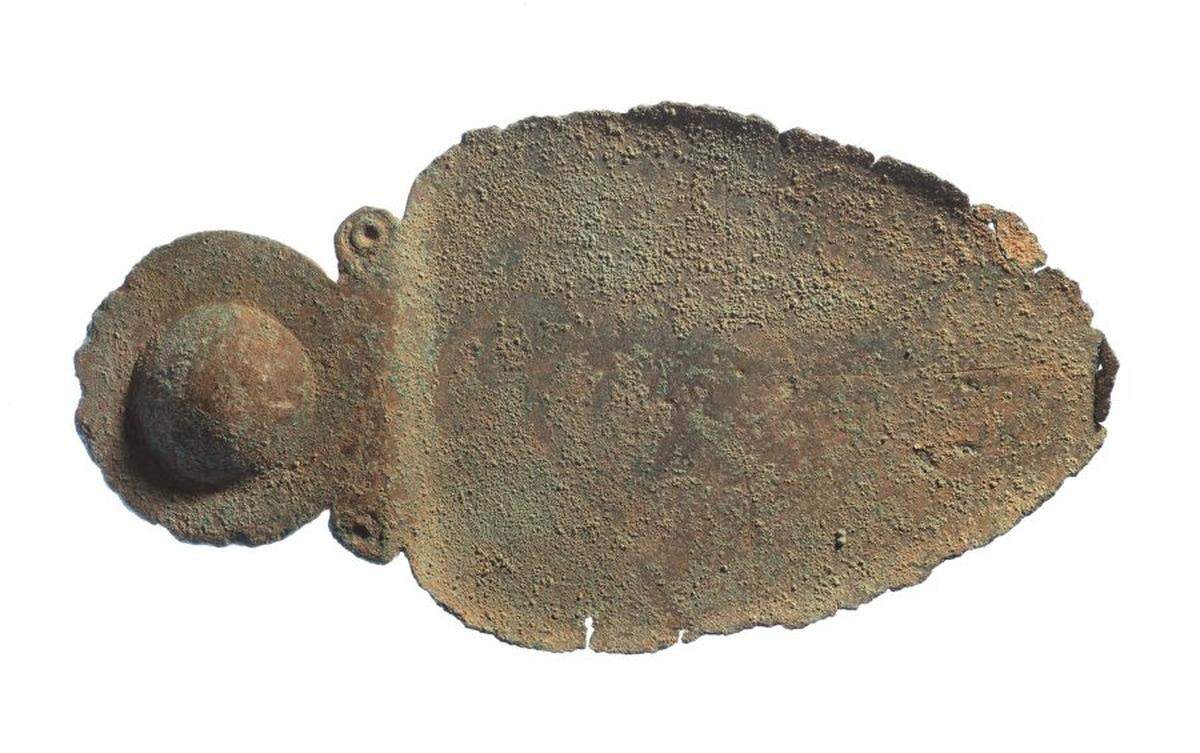
Officials identified the seemingly mundane utensil as a “rare” 2,000-year-old spoon likely used in fortune telling rituals.
“Although it sounds rather plain because we call it a spoon, it really is an unusual find,” Allison Fox, an archaeology curator for the department, said in the release. “Dating to around 400-100 B.C., this bronze spoon is one of the most intriguing objects ever discovered on the Island.”
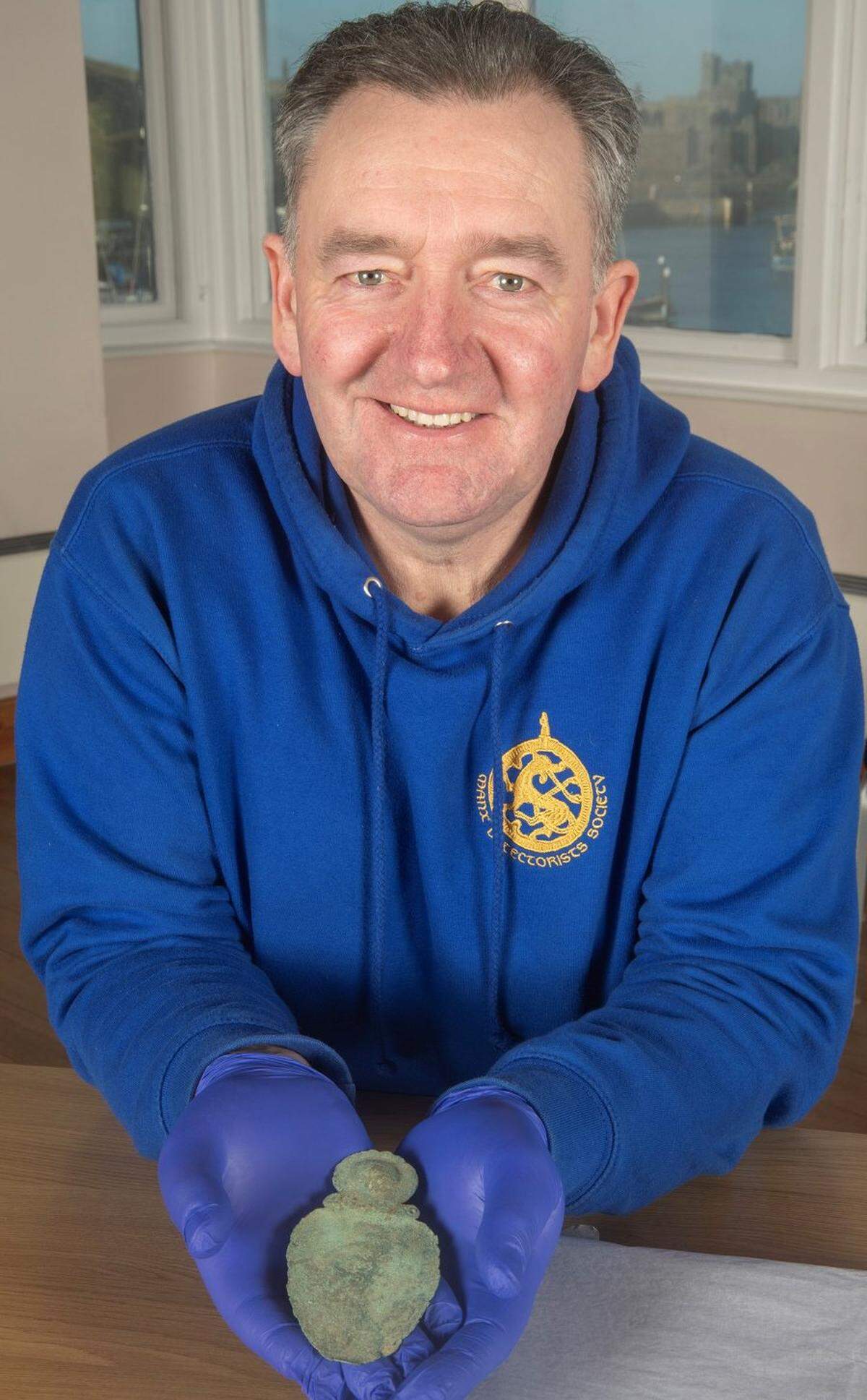
A photo shows the rusty ancient spoon. It has a wide, “strawberry-shaped bowl” and a short, circular handle decorated with some markings, heritage officials said. A pair of “very lightly engraved lines” meet in the “deepest part of the spoon,” forming a cross.
“The spoons are usually found in pairs, and it has been suggested that liquid of some form would have been poured into the spoon which has the cross, and whatever quarter it landed in would tell something about the future,” Fox said. “The details of such ceremonies have been lost in the midst of time.”
Similar ancient spoons have been found in the United Kingdom, Ireland and France, “but this is only the 28th example discovered worldwide, and the first from the Isle of Man,” officials said.
Middleton and David Anderson, the owner of the land in Patrick where the spoon was found, donated the find to the Manx National Collections. It was recently put on display at a museum.
This story was originally published February 20, 2025 at 12:35 PM with the headline "Metal detectorist stumbles upon first-of-its-kind ancient find for Isle of Man. See it."