Odd burials suggest distant travelers met their end on France barrier island. See them
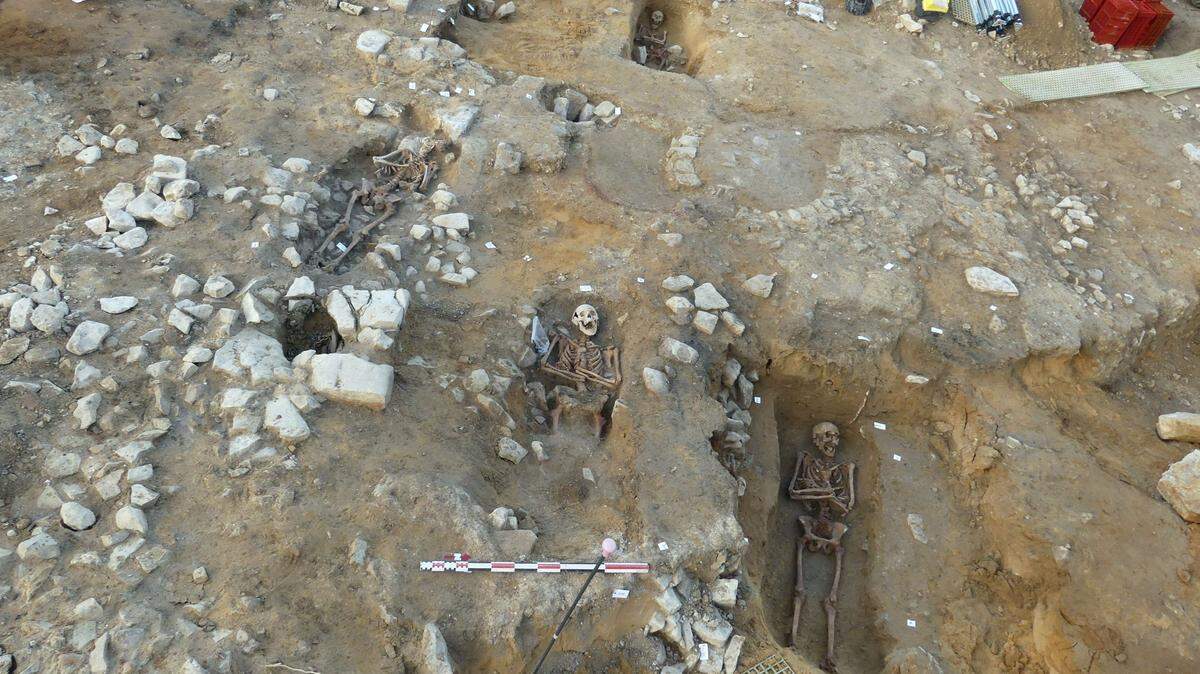
Surrounding a medieval chapel now fallen to ruin on the north side of Île de Ré, France, archaeologists discovered a series of unexpected burials that tell the story of people searching for shelter centuries ago — and failing.
The site is located on France’s Atlantic coast and near an area that was occupied starting as far back as the end of the eighth century, according to a Feb. 18 news release from the French National Institute for Preventive Archaeological Research.
Archaeologists uncovered about 50 graves in and around a chapel that likely dates to 1156, when it was first mentioned in historical texts, according to the release.
The chapel was later destroyed during the Wars of Religion, a range of conflicts between French Protestants and Roman Catholics during the mid- to late-1500s.
The newer burials, from the 14th and 15th centuries, are inside the chapel, while the older burials, some 1,200 years old, are outside and are made of pits, sometimes covered by a wooden piece or stone arrangement, archaeologists said.
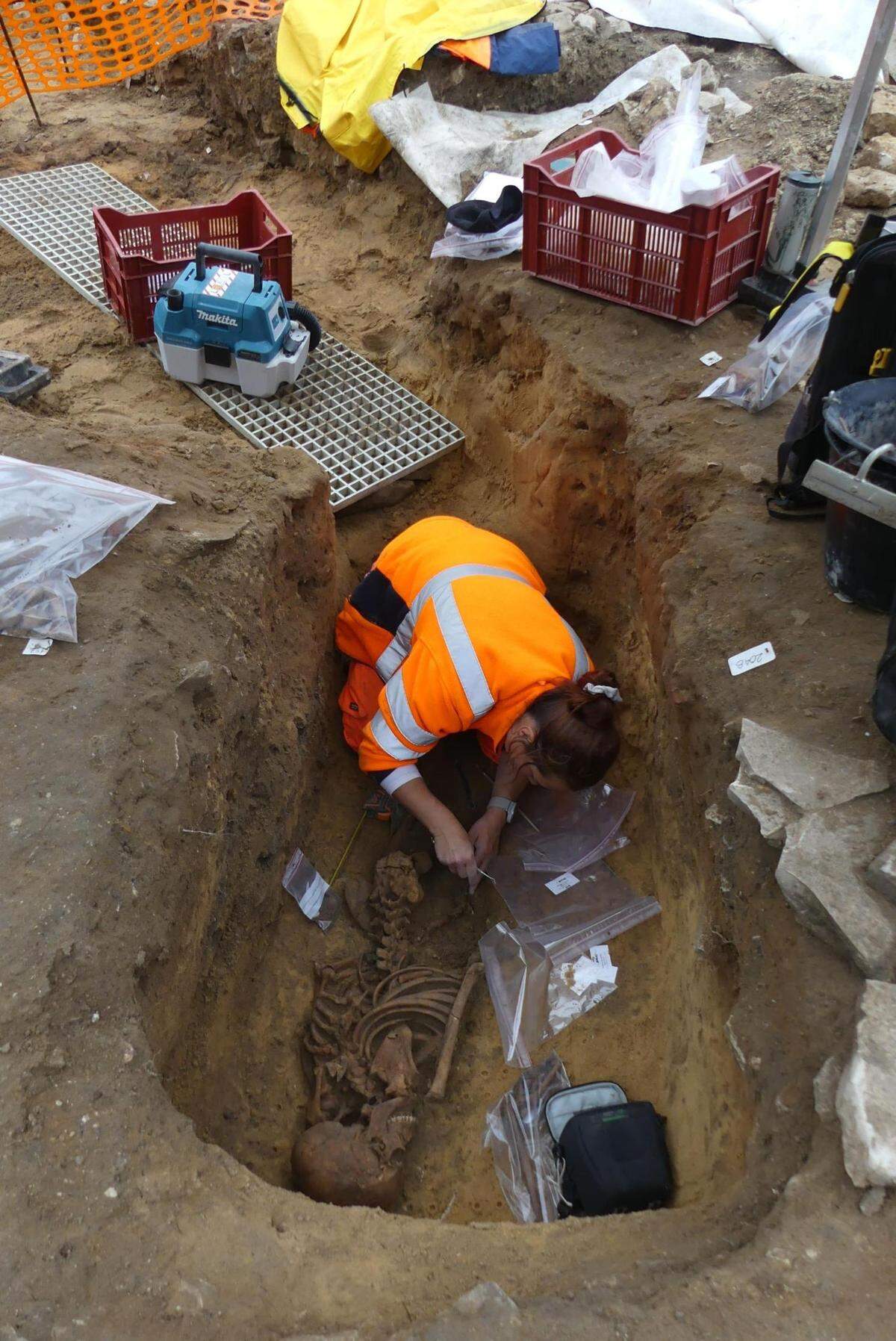
Researchers believe the Île de Ré likely served as a shelter island between the ninth and 11th centuries, like the other barrier islands of France, according to the release.
As populations were moving along the Atlantic Ocean, either for commercial gains or war, they would stop at the islands just off the coast. Researchers said there are extensive chronicles of Vikings attacking these islands, suggesting the safe havens weren’t as protected as believed.
Among the dozens of burials, five stood out, archaeologists said.
Normally, the bodies were laid on their backs with extended limbs, per funerary traditions of the time, according to the release.
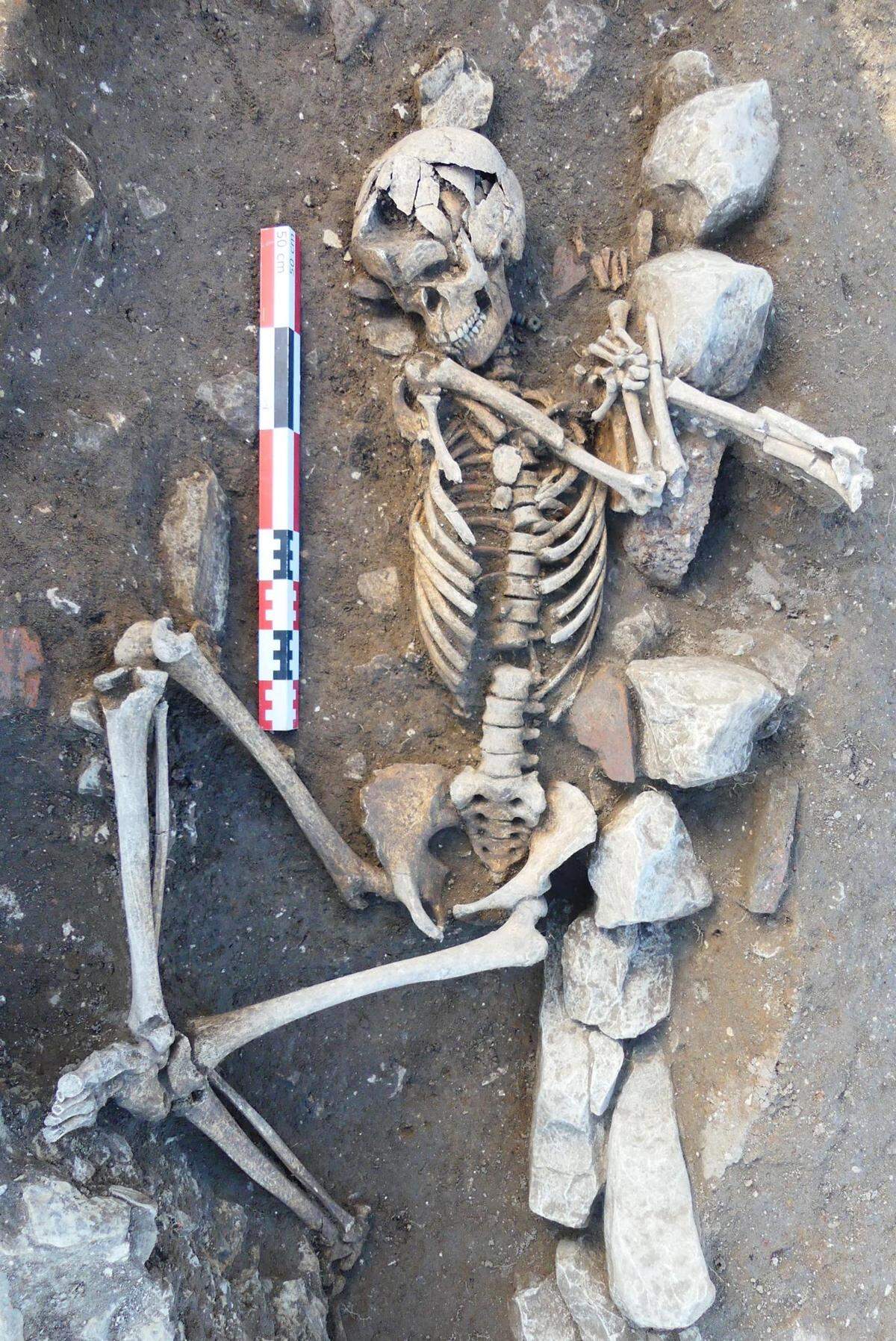
But one of the bodies was buried lying on the left side with bent lower limbs, another was placed on its stomach and a third is on its back, but the limbs are folded and raised, archaeologists said.
Two more burials have odd positioning, but it’s possible it was caused by the collapse of their burials over time. They still stand out from the more common funerary practice because their heads are oriented a different way from the rest of the burials, according to the release.
Many of the burials also included funerary objects, usually personal items, ranging from bone and antler combs to amber, glass and copper alloy beads, archaeologists said.
Some of the beads are similar to those found in Nordic countries dating to the ninth century, again suggesting there was contact between the two regions, whether through commerce or conflict.
Archaeologists also identified a swivel knife similar to models found in southeastern England and a copper alloy belt in an Anglo-Saxon style, according to the release.
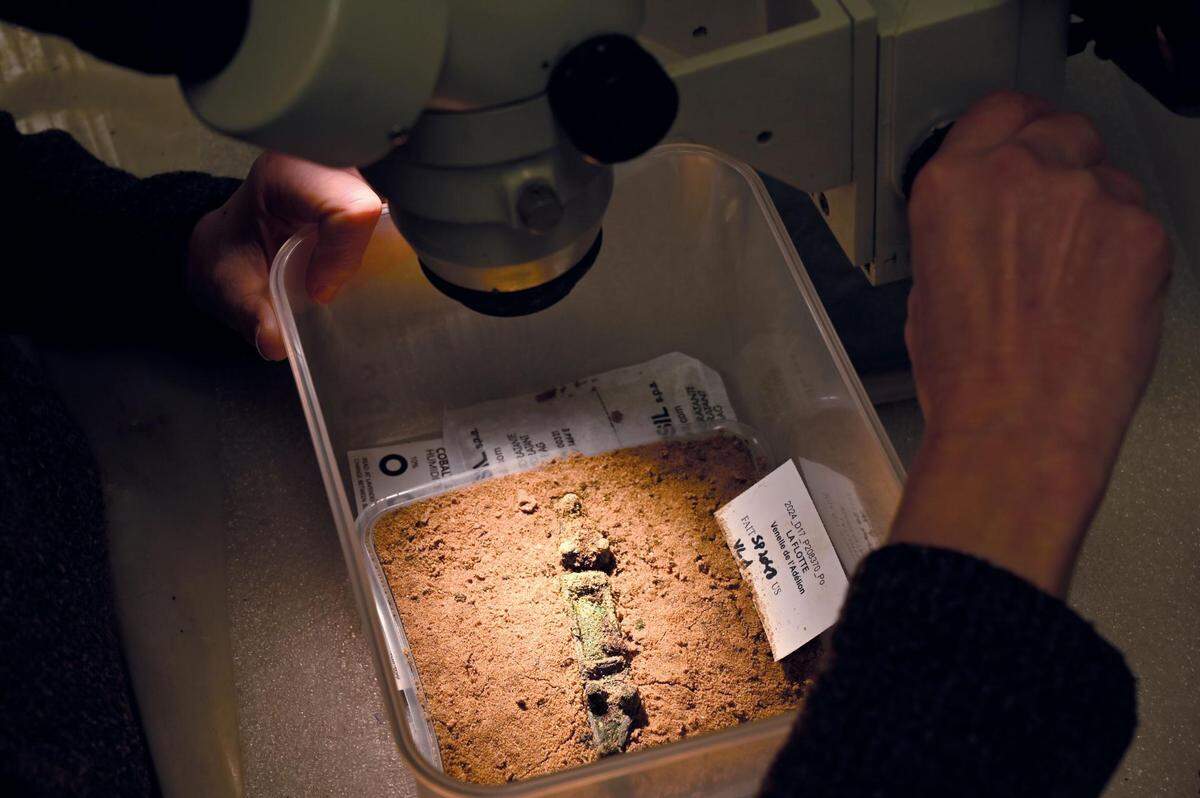
The exotic items have two possible explanations, archaeologists said.
First, there was a group of foreign people buried together at the local cemetery who had these items from their places of origin. Or second, there were a few very privileged locals who wanted to maintain their status, even in death, according to the release.
Continued isotope analysis of the remains may be able to differentiate between the two options, archaeologists said, and help determine if the items belonged to locals or came from far-off travelers.
The Île de Ré is an island off the southeastern Atlantic coast of France, about a 130-mile drive north from Bordeaux.
Google Translate was used to translate the news release from the French National Institute for Preventive Archaeological Research.
This story was originally published February 19, 2025 at 12:34 PM with the headline "Odd burials suggest distant travelers met their end on France barrier island. See them."