Search for ancient Roman estate leads to much larger discovery in Germany. Take a look
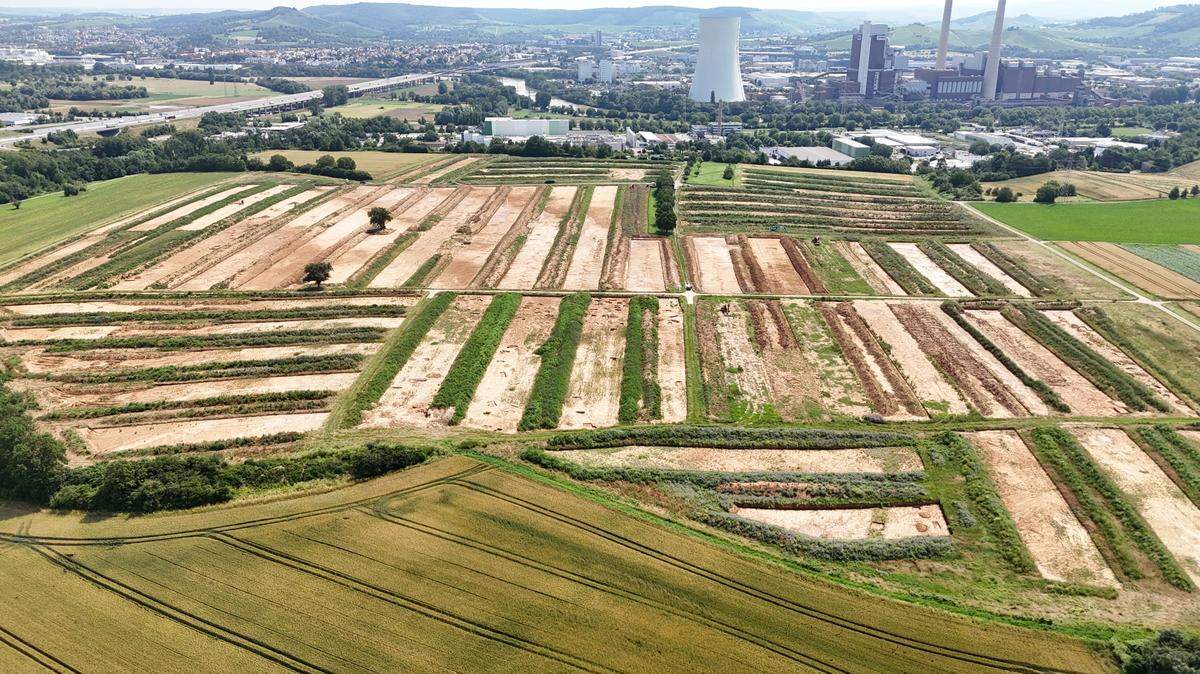
A search for a rumored Roman estate in Germany led archaeologists to something much larger: the ruins of an ancient Roman highway and forgotten roadside village.
Archaeologists began excavating the Steinäcker region of Neckargartach in May 2023 ahead of a large-scale construction project. The area’s name led them to suspect it had once been an ancient Roman estate, the State Office for Monument Preservation at the Baden-Wurttemberg Regional Council said in a Jan. 7 news release.
”The name ‘Steinäcker’ simply means ‘stony fields’” but the region’s soil “is free of stones by nature,” Andrea Neth, the project’s lead archaeologist, told McClatchy News via email. “If there are remains of a Roman settlement with stone architecture in the underground, the stones come up when ploughing. In historical times such fields were called ‘stony fields’ by farmers. For archaeologists these field names can indicate Roman settlements.”
As the team dug, they uncovered much more than just one estate: They found a section of an ancient Roman highway and several ruined buildings.
The surviving highway measured over a quarter of a mile long and about 45 feet across, archaeologists said. It likely connected two Roman forts situated about 6 miles apart.
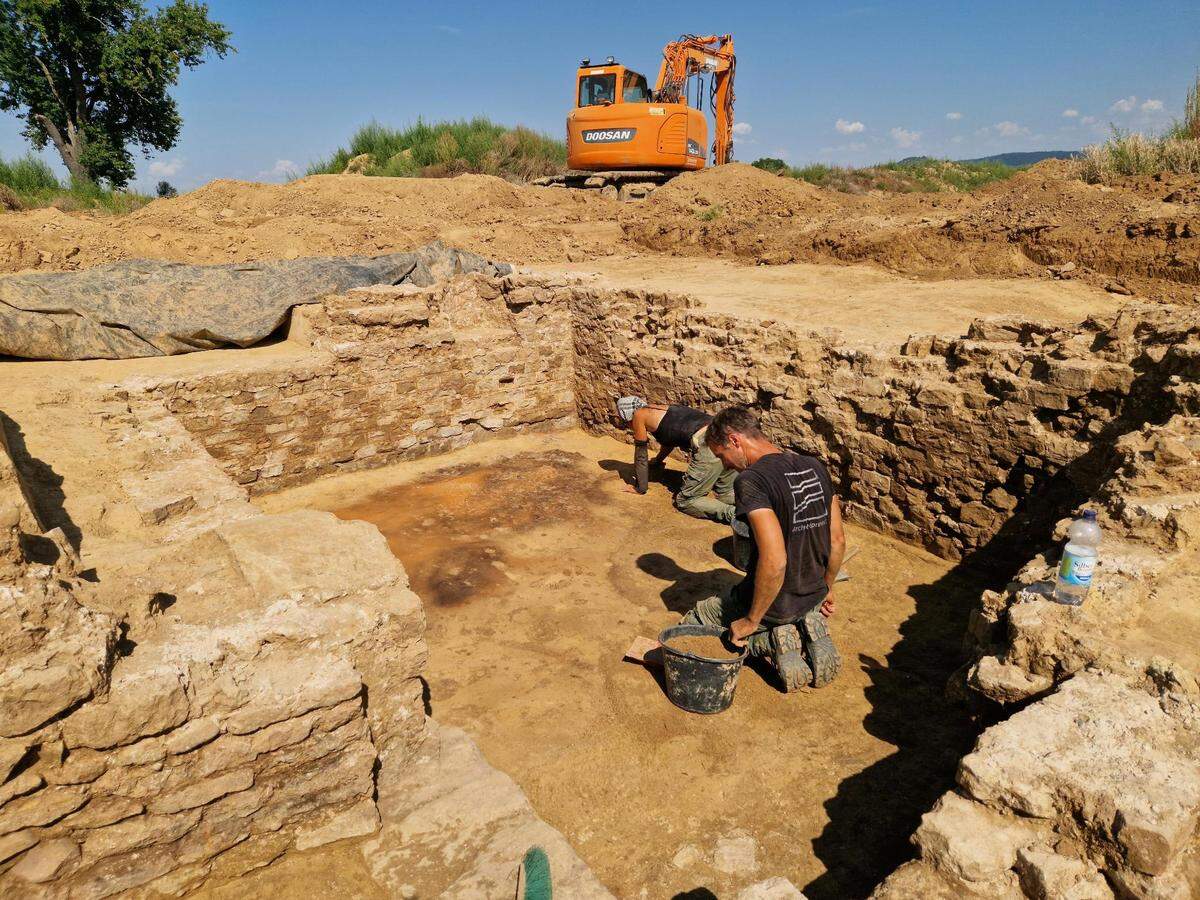
Archaeologists recognized the distinctive drainage ditches along both sides of the road, but several stone structures built directly on the road left them puzzled.
Excavations also uncovered the ruined buildings of a vicus, or roadside village which served as a rest stop, craftsmakers hub and small trading point, archaeologists said. Many of the structures were damaged due to later agricultural work. A photo shows what remains of one stone building.
One particular set of ruins caught the attention of archaeologists. There, they found fragments of wall paintings, a pair of coins and parts of a stone statue.
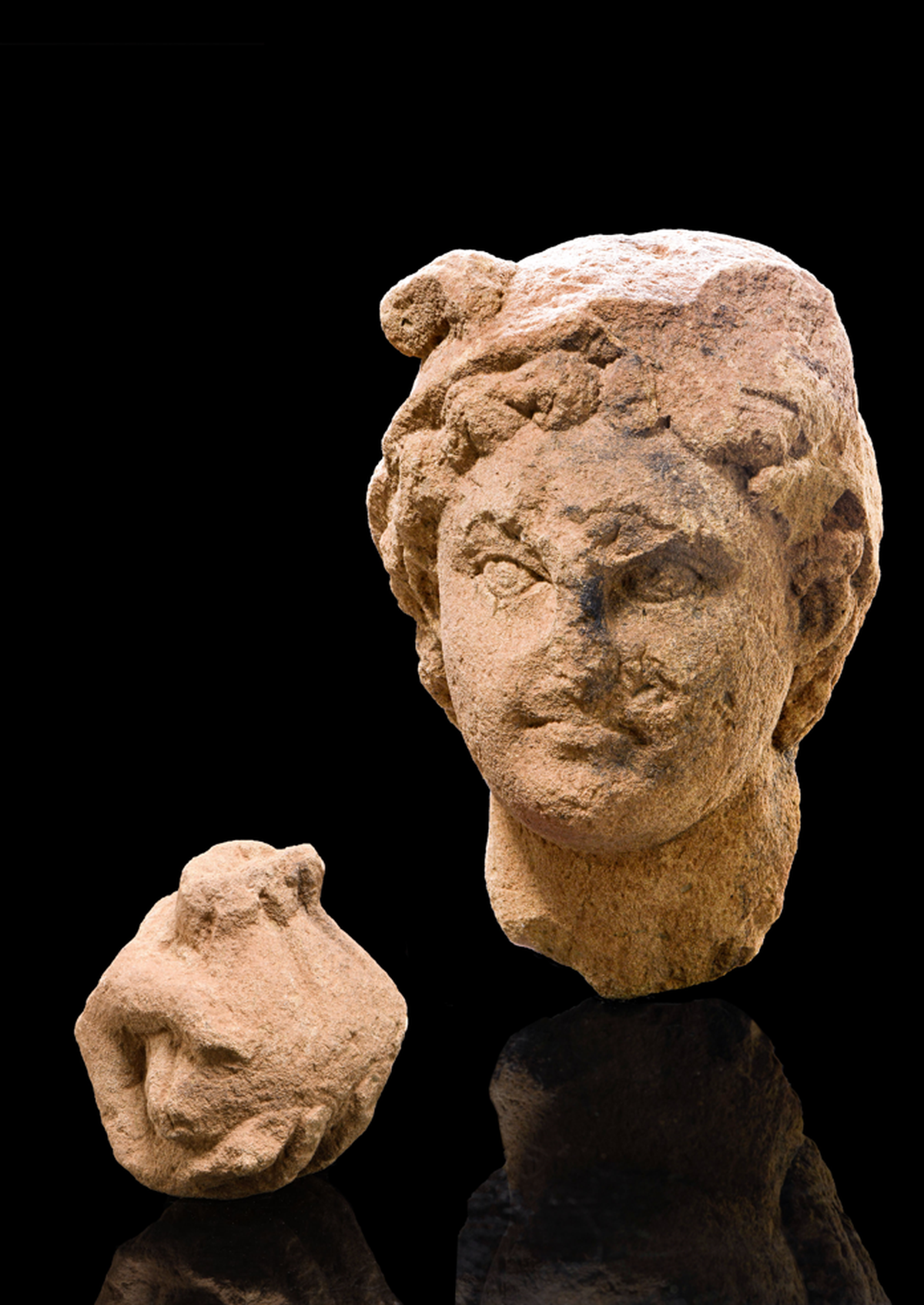
Archaeologists identified the statue as a once-life-size figure of the god Mercury, considered the protector of traders, merchants and thieves. The deity was recognized by its winged hood and the money pouch in its hand. A photo shows these statue fragments.
Based on the artifacts found at the building, archaeologists identified it as a temple dedicated to Mercury. Its location shows how important the deity was for both the Roman military and public.
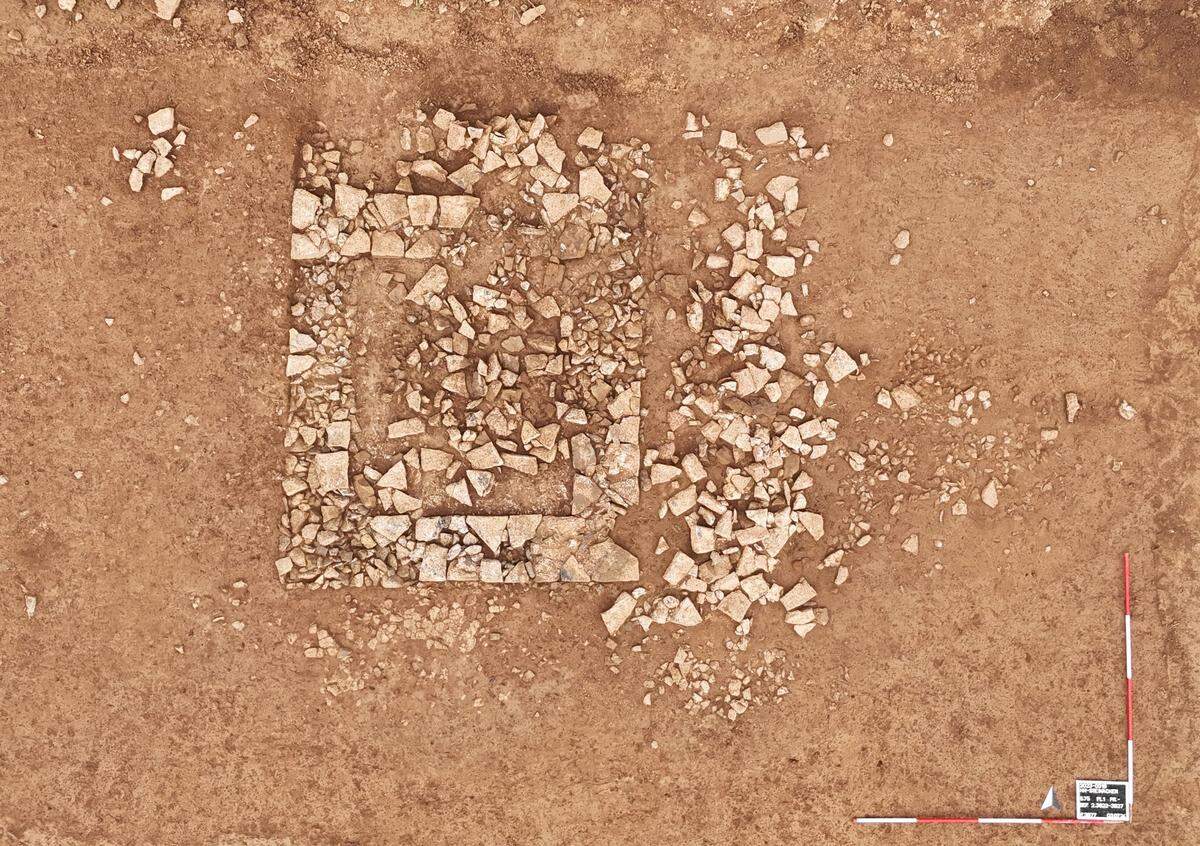
The forgotten village also had ovens, five deep wells used for supplying water and three burials. Archaeologists aren’t sure the exact age of the village but suspect it developed around 100 A.D. and was abandoned by 300 A.D.
Neth described the site as outstanding and the region’s first opportunity to study a long section of Roman road with related roadside buildings.
Excavations at the site in Neckargartach ended in September. Neckargartach is a town in southwestern Germany and a roughly 360-mile drive southwest from Berlin.
Google Translate was used to translate the news release from the State Office for Monument Preservation (LAD) at the Baden-Wurttemberg Regional Council.
This story was originally published January 7, 2025 at 3:13 PM with the headline "Search for ancient Roman estate leads to much larger discovery in Germany. Take a look."