Hundreds of 2,000-year-old holes baffle experts in Germany. What happened here?
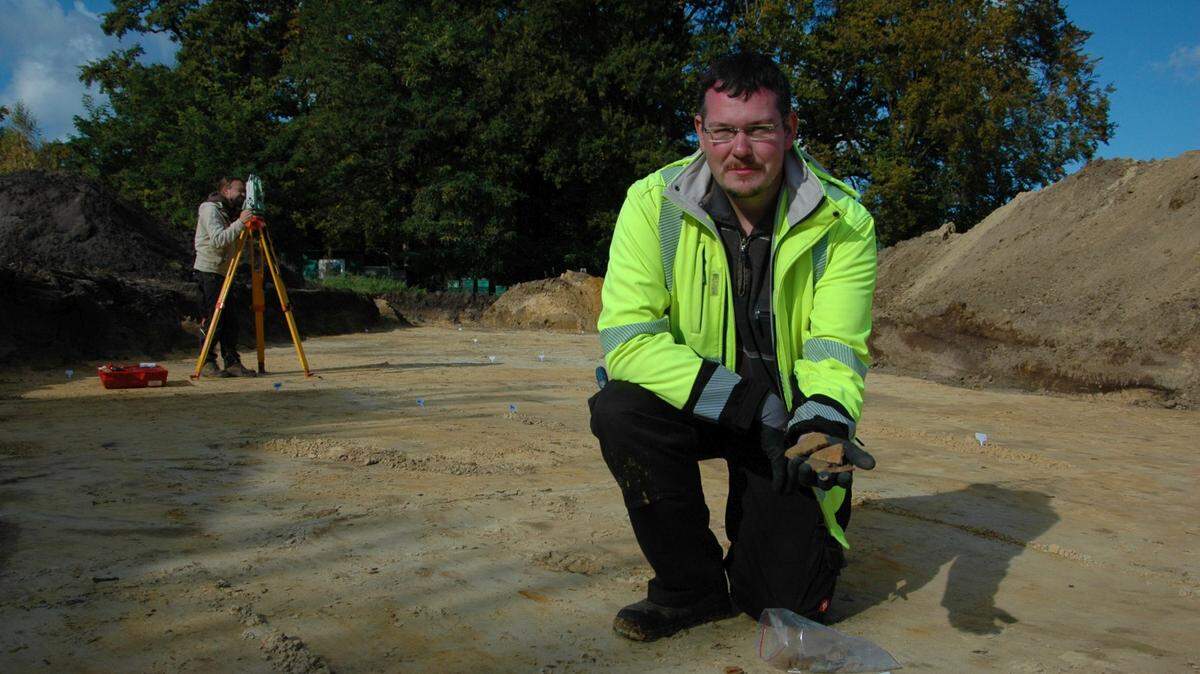
Digging into the pale dirt of northwestern Germany, archaeologists started noticing some 2,000-year-old holes. The pattern didn’t match anything they’d seen before and left them baffled.
Archaeologists surveyed a plot of land in Harsewinkel ahead of some construction. The area’s previous building projects had uncovered traces of a medieval settlement, so the team suspected there might be other historic finds, the Westphalia-Lippe Regional Association said in a Dec. 5 news release.
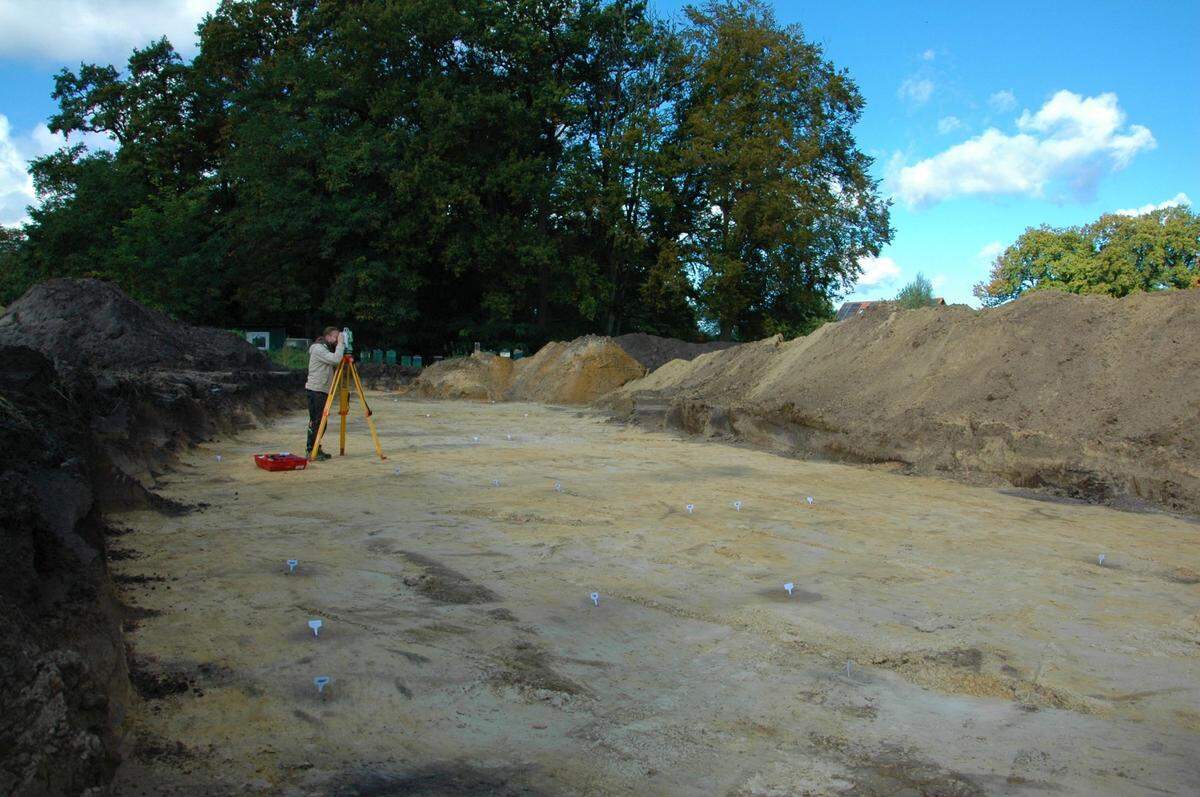
As they dug, archaeologists noticed some discolored spots of dirt, tell-tale traces of long-gone wooden posts, officials said. Such traces, known as post holes, are common archaeological finds and often the only indications of where ancient wooden structures once stood.
But at the Harsewinkel site, archaeologists found over 250 post holes with no discernible pattern. A photo shows some of the 2,000-year-old holes marked with white flags.
Sebastian Düvel, an expert with the association, said the site didn’t show any of the typical signs of being a settlement and was unlike anything he’d seen in the region.
The mystery deepened when archaeologists uncovered a single cremation grave, officials said. A photo shows the charcoal-filled gravesite.
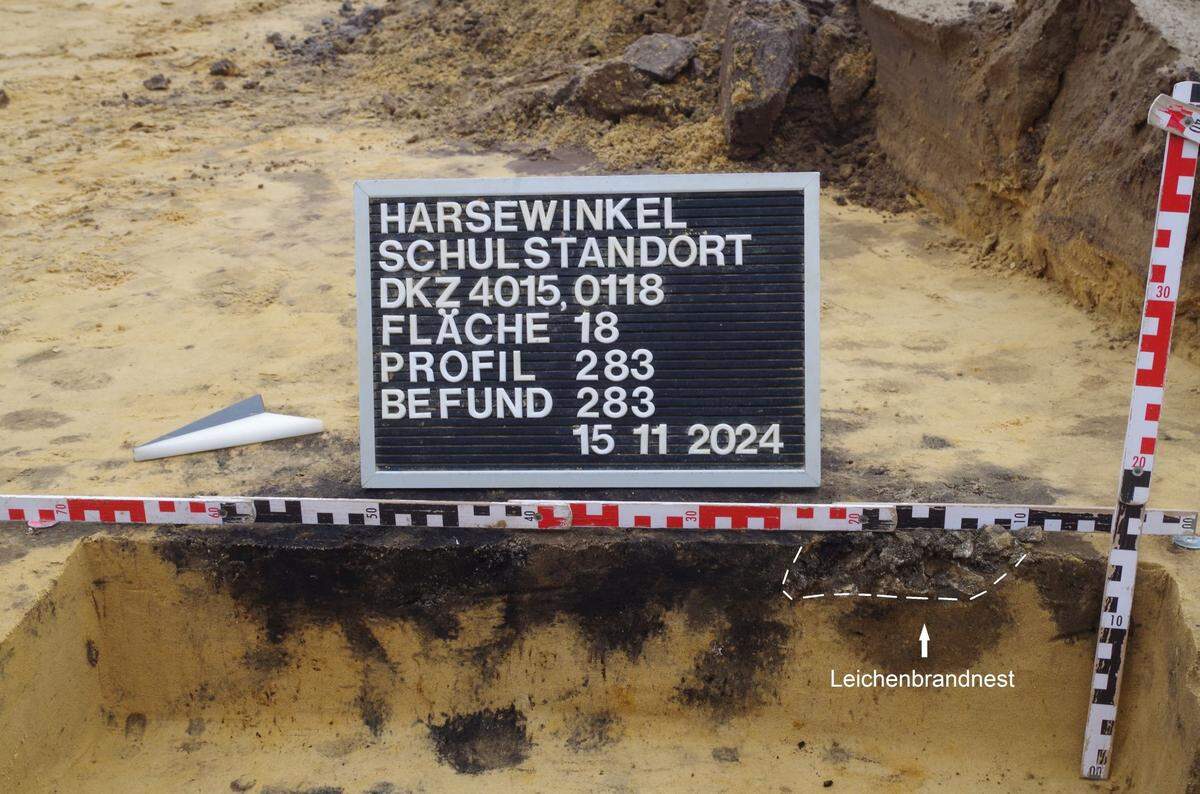
What happened here in the Iron Age? It may have been a space used for rituals, a burial ground or something else entirely; archaeologists don’t know yet.
Excavations at the Harsewinkel site are ongoing. Researchers hope to determine the site’s exact age by radiocarbon-dating some charcoal finds.
Harsewinkel is a town in northwestern Germany and a roughly 260-mile drive west from Berlin.
Google Translate was used to translate the news release from the Westphalia-Lippe Regional Association.
This story was originally published December 11, 2024 at 2:28 PM with the headline "Hundreds of 2,000-year-old holes baffle experts in Germany. What happened here?."