Students unearth massive 1,500-year-old Roman structure in Italy. See the ruins
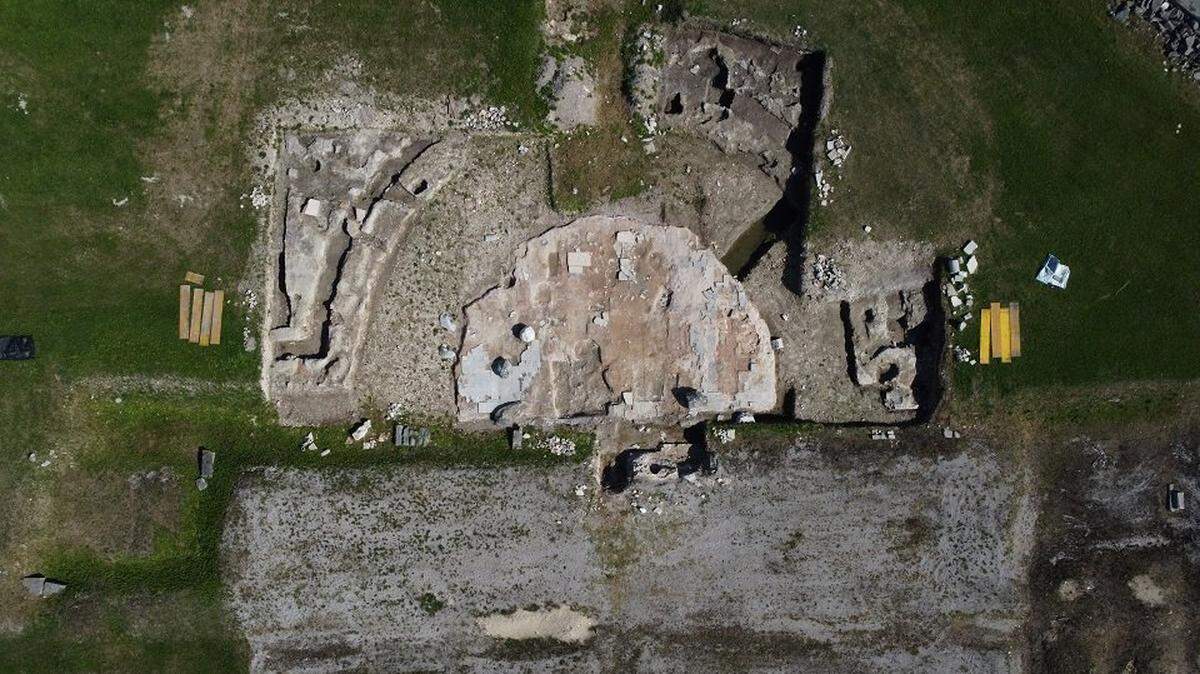
Digging into the stony soil of northeastern Italy, a team of archaeologists and students expected to find some ancient Roman ruins, but the massive structure that reemerged left them amazed.
Professional archaeologists returned to the Great Baths of Aquileia with a team of 35 student archaeologists to excavate for the 23rd year in a row, the University of Udine said in a Dec. 2 news release. The site once boasted a Roman thermal bath complex spanning about 108,000 square feet, roughly the size of two football fields.
This year, the team focused on excavating a section of the bathhouse near the cold water pools, or frigidarium, the most important part of the complex.
As the archaeologists dug, they unearthed the ruins of a massive semicircular room, referred to as an apse, the university said. Photos show the roughly 100-foot-wide ruins.
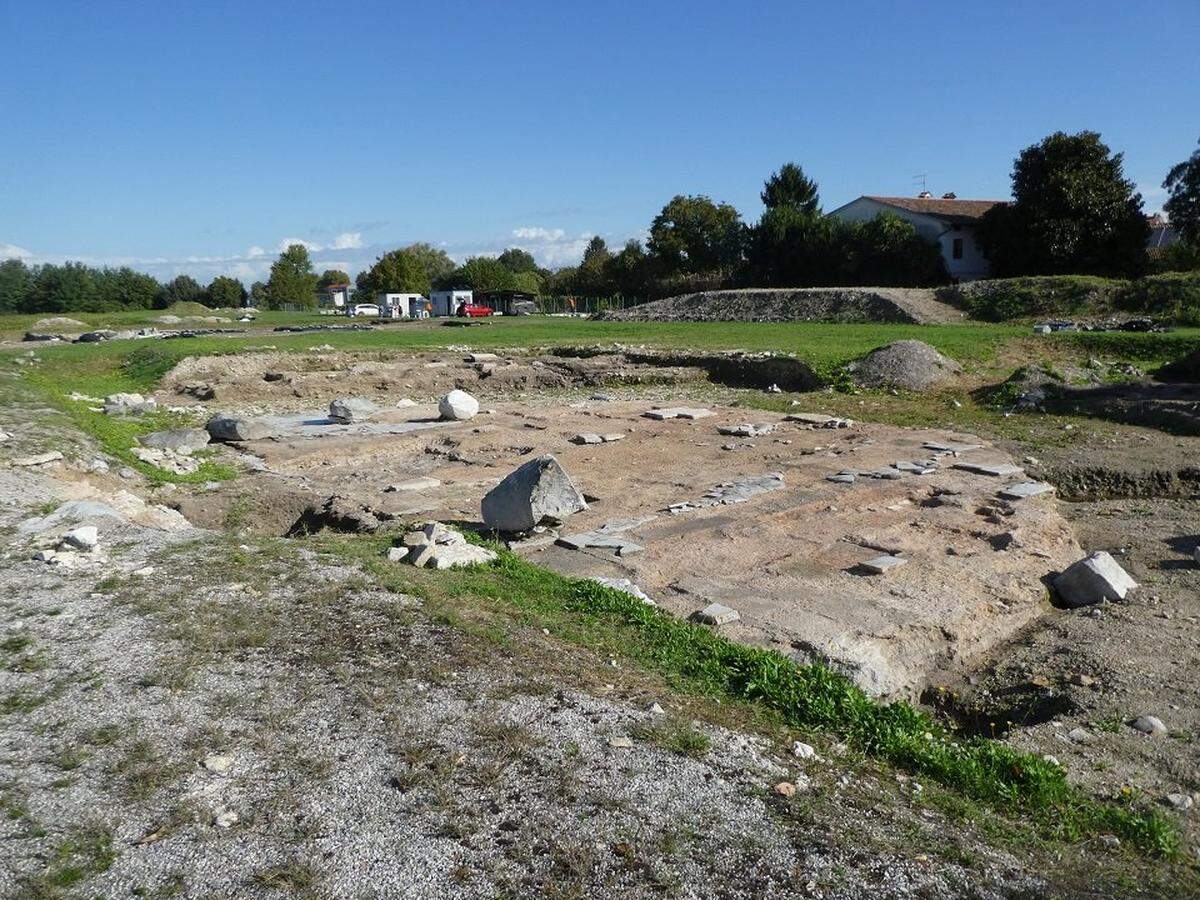
The 1,500-year-old apse originally opened onto the cold water pool hall, stood several stories tall and had life-size statues decorating it, archaeologists said. Its monumental facade faced the rest of the ancient Roman town.
Fragments of these statues — which ranged from gods to emperors to other key governing officials — were also unearthed. Photos show a few of the broken figures.
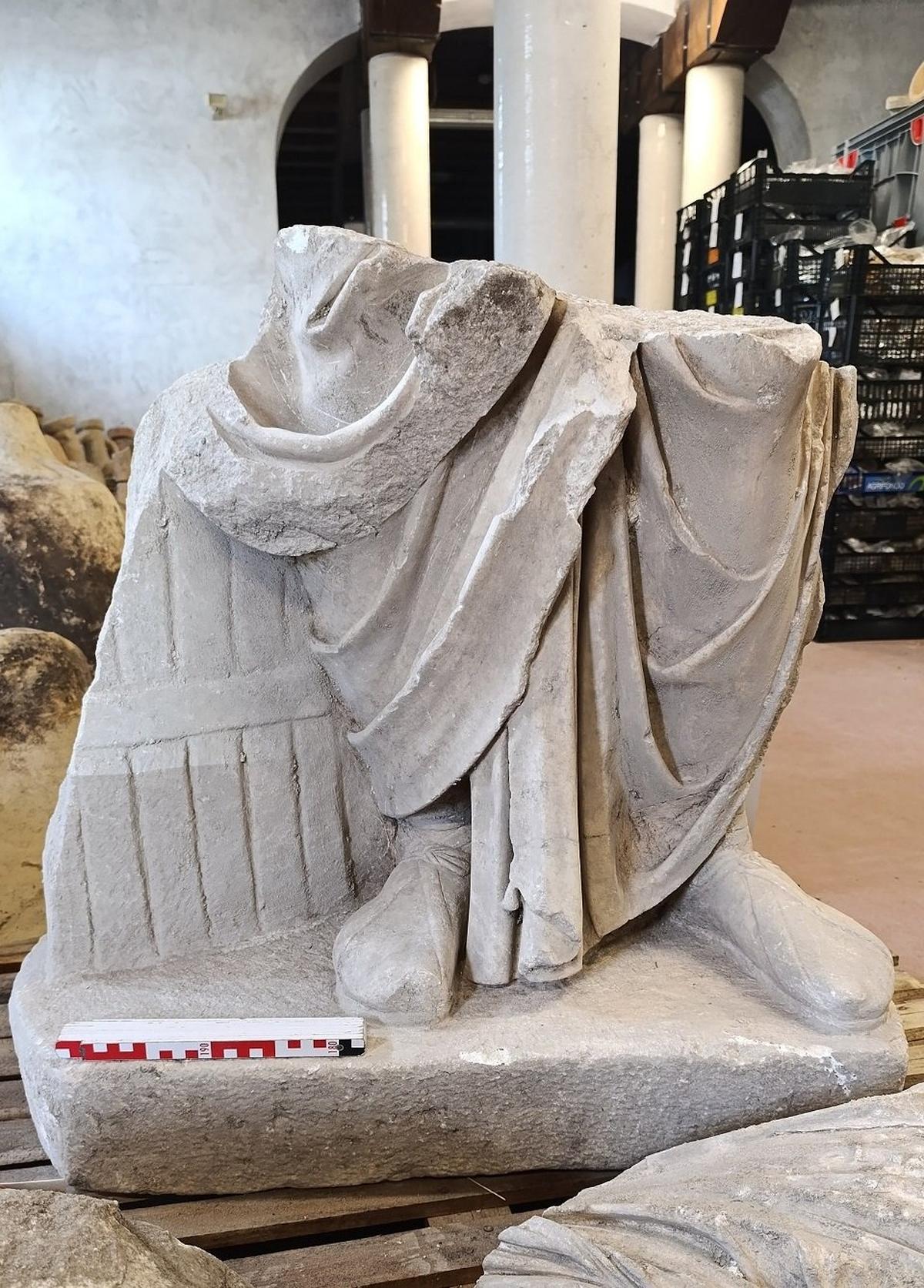
Archaeologists did not provide an exact age of the apse ruins but said the bath complex was built around 300 A.D. and abandoned around 500 A.D. Afterward, locals used the structure for residential purposes then salvaged its building materials for other projects.
The excavation’s director, Matteo Cadario, described the apse ruins as having extraordinary value and being exceptionally unique, evidence of the bath’s original splendor.
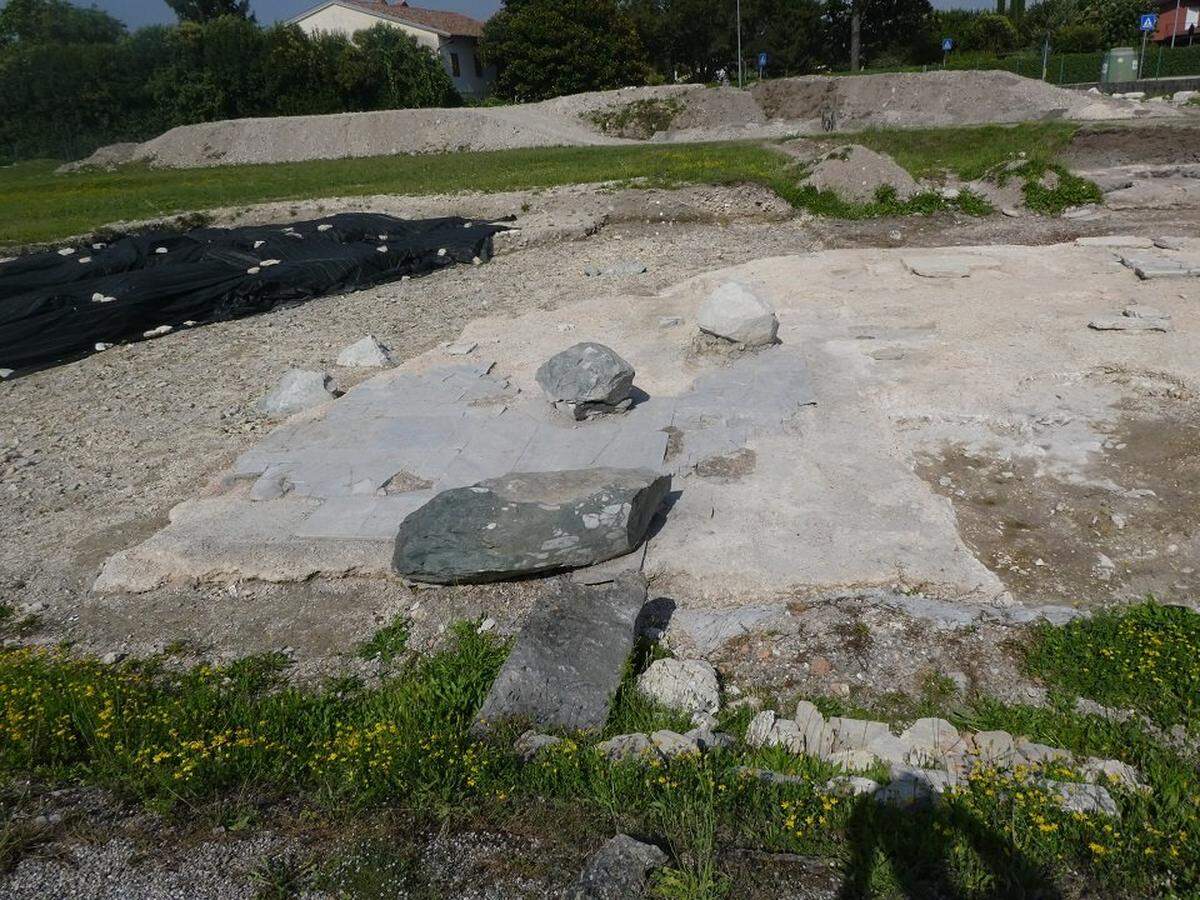
The Great Baths of Aquileia were much larger and grander than the surrounding ancient Roman city and built after one of Rome’s co-emperors chose the city as his administrative capital, the university said.
Ancient Roman bath houses typically included pools of three different temperatures: hot, warm and cold. Large imperial baths, like the one in Aquileia, also housed training rooms for athletes.
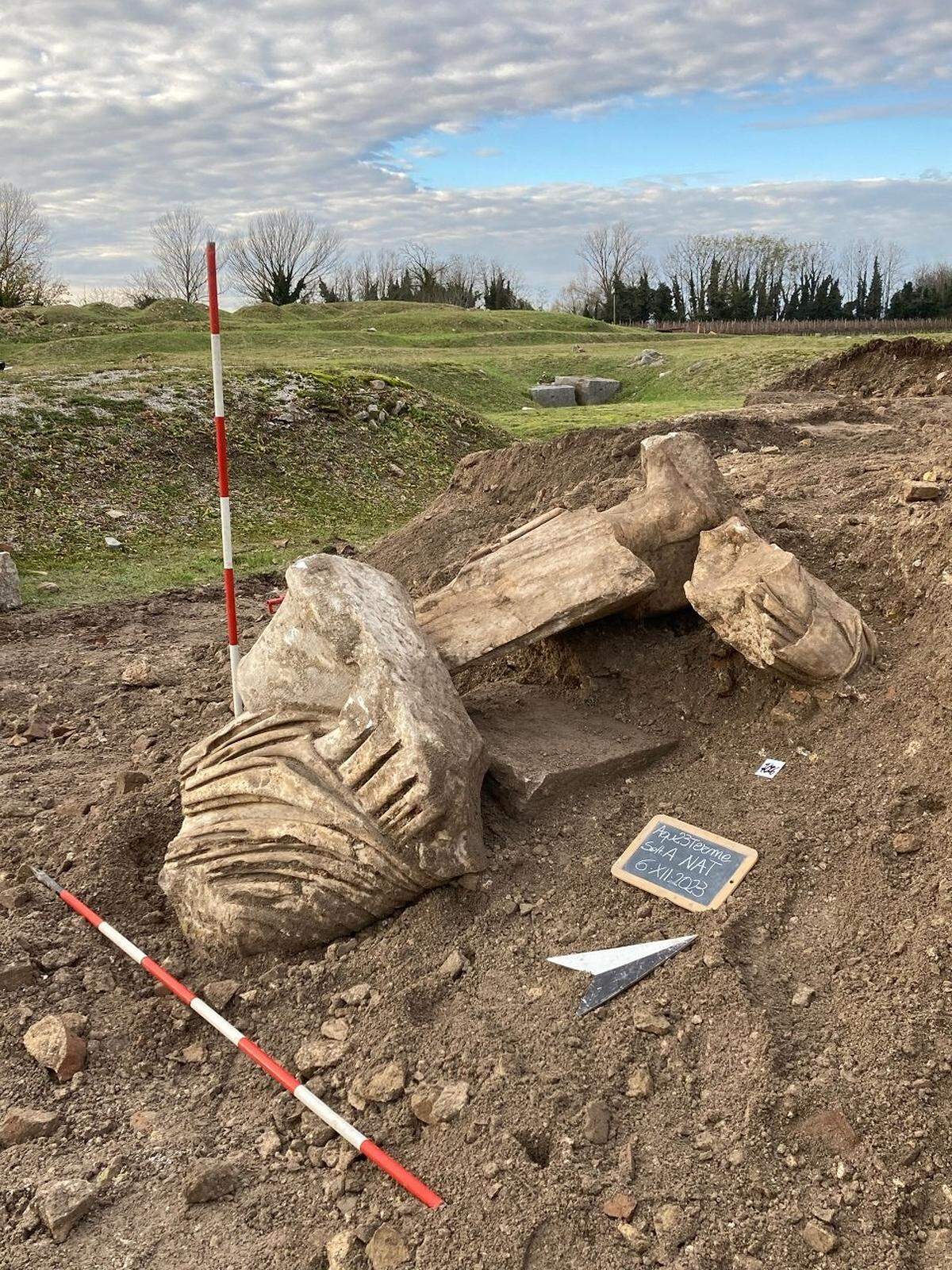
Excavations at the site in Aquileia will continue next year and focus on the warm pools, the university said.
Aquileia is a city in northeastern Italy, a roughly 400-mile drive northeast from Rome and near the border with Slovenia.
Google Translate was used to translate the release from the University of Udine.
This story was originally published December 10, 2024 at 8:34 AM with the headline "Students unearth massive 1,500-year-old Roman structure in Italy. See the ruins."