3,000-year-old glass beads — still with vibrant colors — found in Italy. Take a look
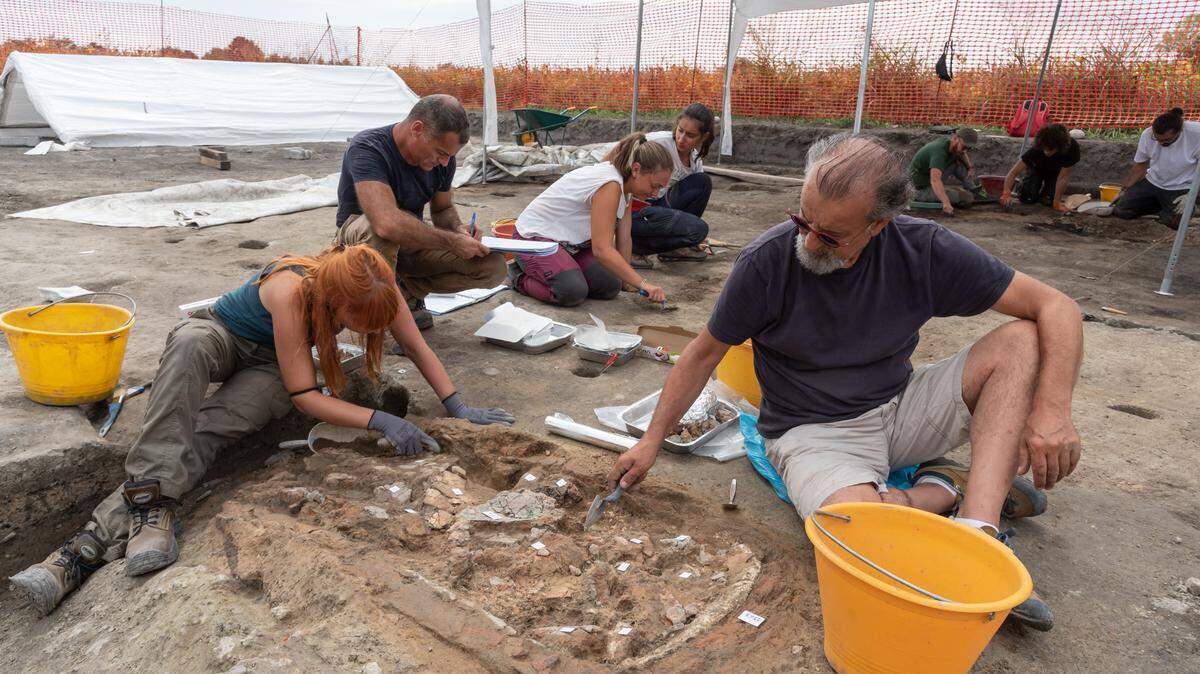
Brushing away the dirt covering a Bronze Age village in northern Italy, archaeologists unearthed thousands of ancient glass beads. The vibrant artifacts offered a glimpse into “Europe’s first glassmaking art.”
A team of archaeologists began excavating the 3,000-year-old village of Frattesina in 2022, Paolo Bellintani, one of the project’s co-directors, told McClatchy News via email Oct. 10. Their work focused on a section believed to be the site of ancient glass production.
To their surprise, the team uncovered a Bronze Age clay furnace surrounded by glassworking tools and glass artifacts. “No similar structures from such an ancient period are known in Europe,” Bellintani wrote.
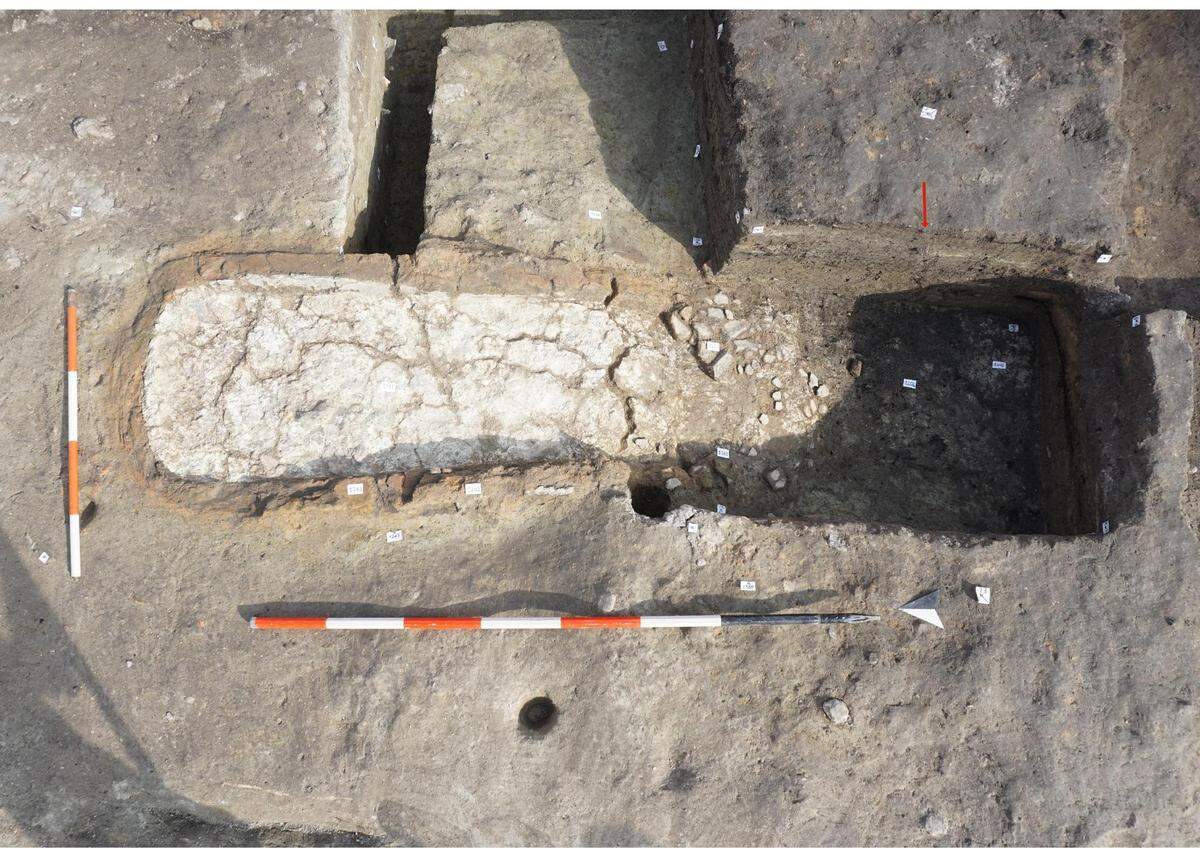
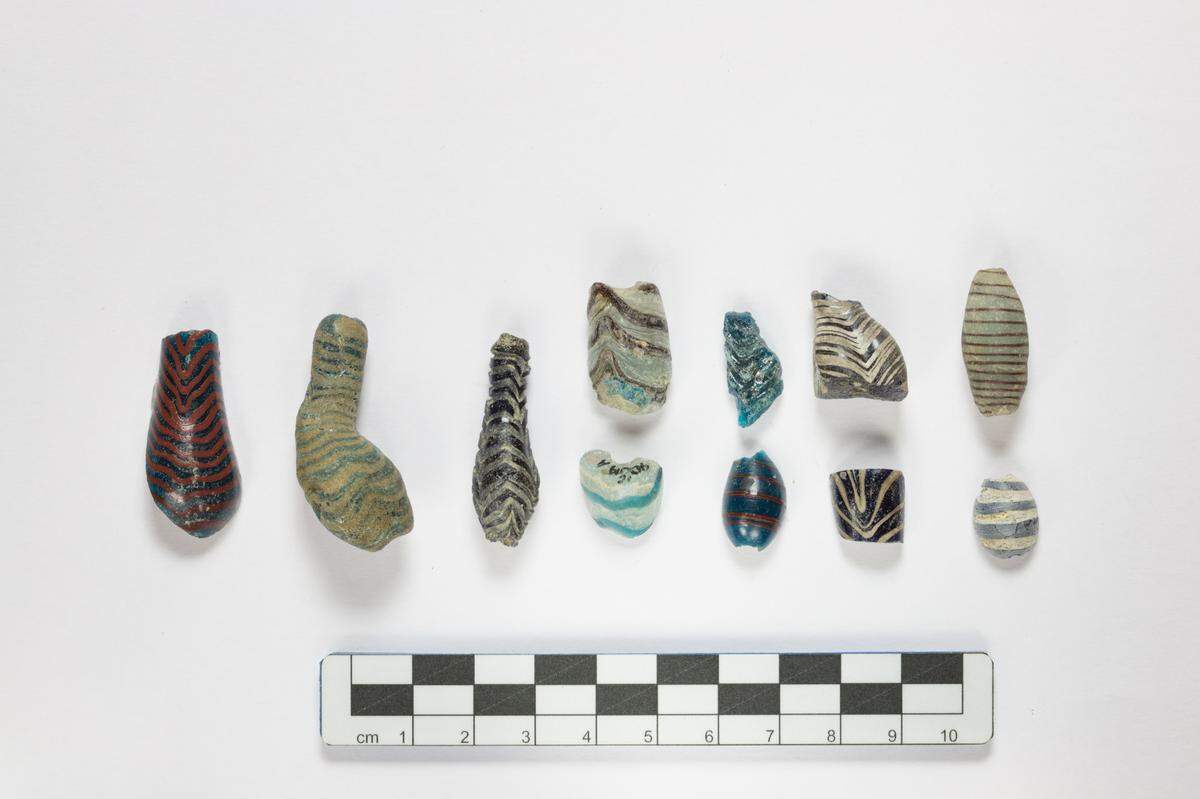
So far, archaeologists have found “thousands of multicolored glass beads … testifying to an extraordinary production activity,” Sapienza University of Rome, one of the organizations participating in the excavation, said in an Oct. 4 news release.
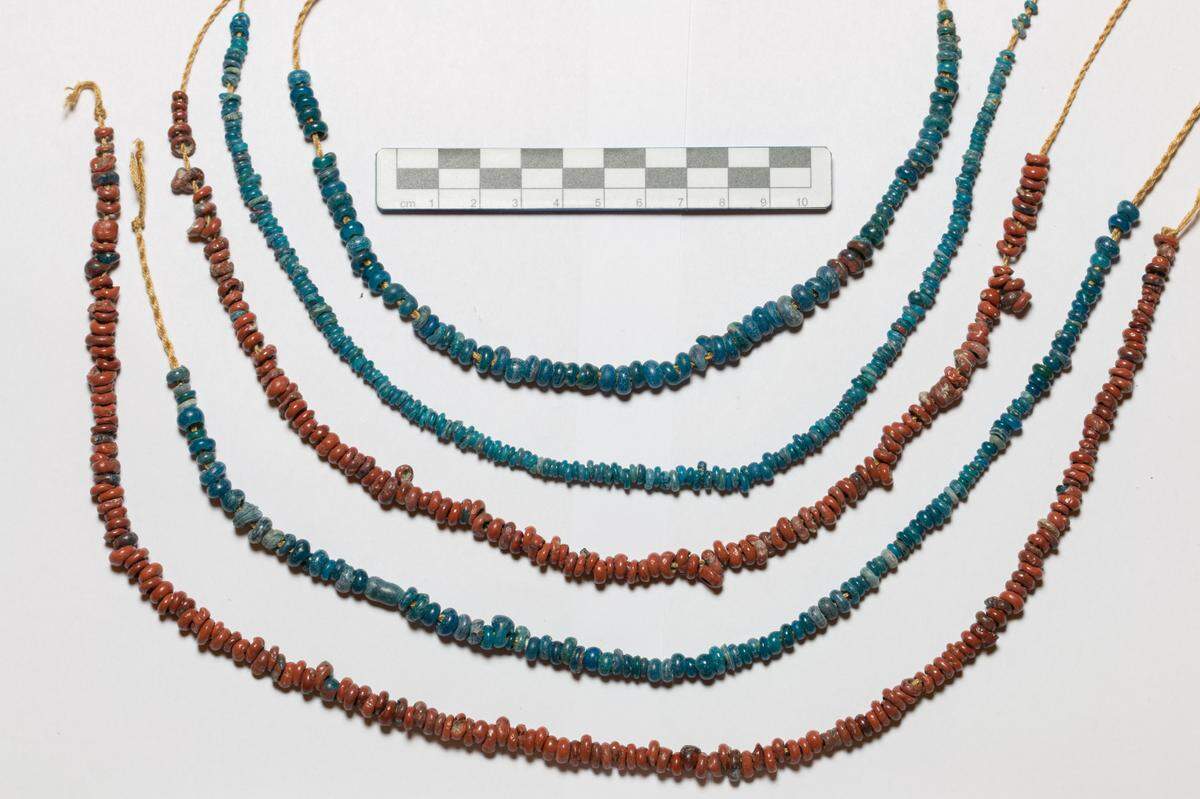
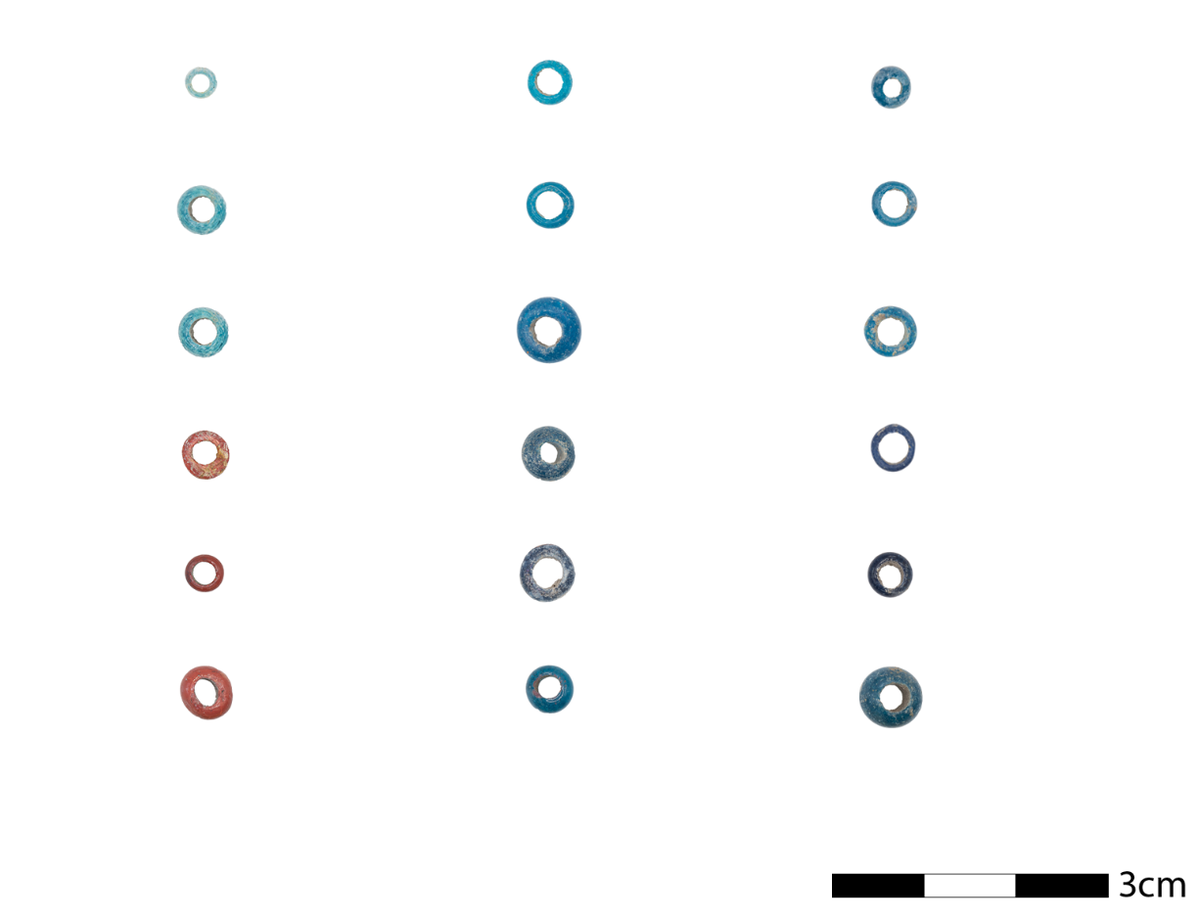
Photos show a few of these vibrant ancient beads. Their colors range from blue to red and white to black. Some beads have a swirl or eye-spotted design.
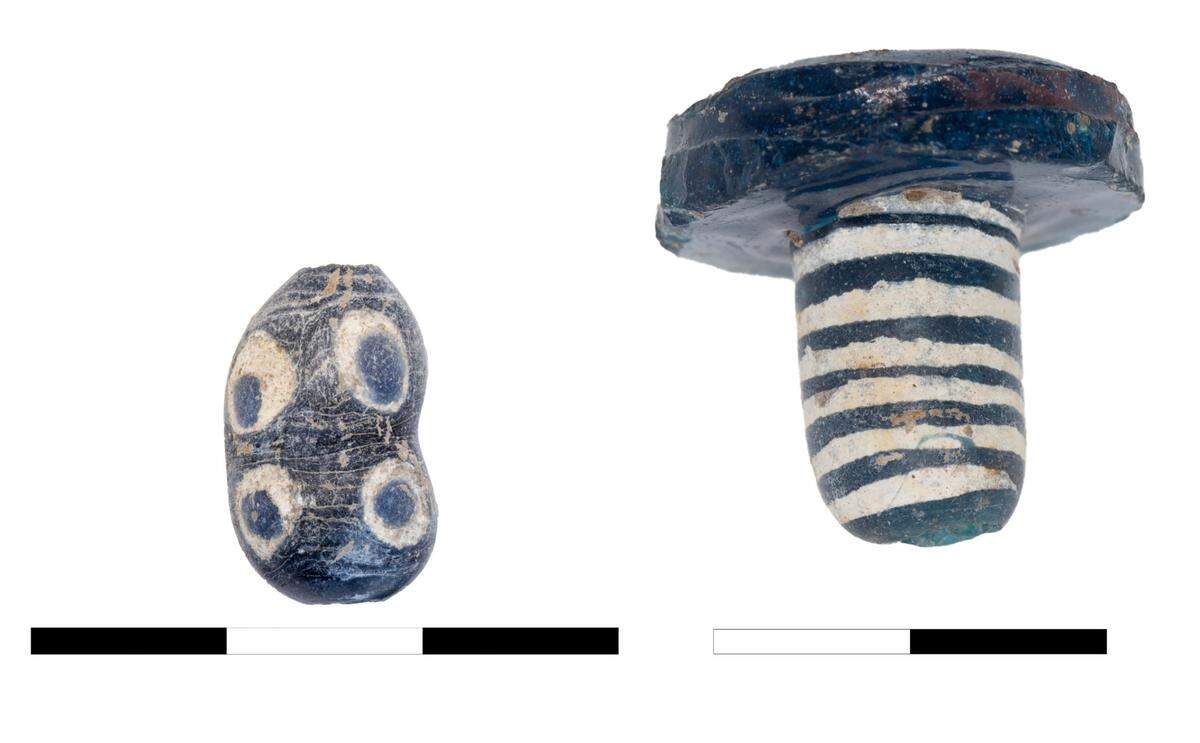
“Even today, the colors of the beads from Frattesina remain bright, as though they had just come out of the furnace, despite being over 3,000 years old,” Bellintani wrote.
The durability of the Frattesina glass artifacts likely stems from the village’s unique glassmaking recipe. The village artisans used “local raw materials, such as sands from the Po River,” to create a “mixed-alkali glass,” he wrote.
Additionally, Bronze Age Frattesina is the oldest evidence of glassmaking in Italy and the home of “Europe’s first glassmaking art,” Bellintani said. Previously, ancient communities did not make glass from scratch but imported finished glass artifacts or raw glass materials to rework.
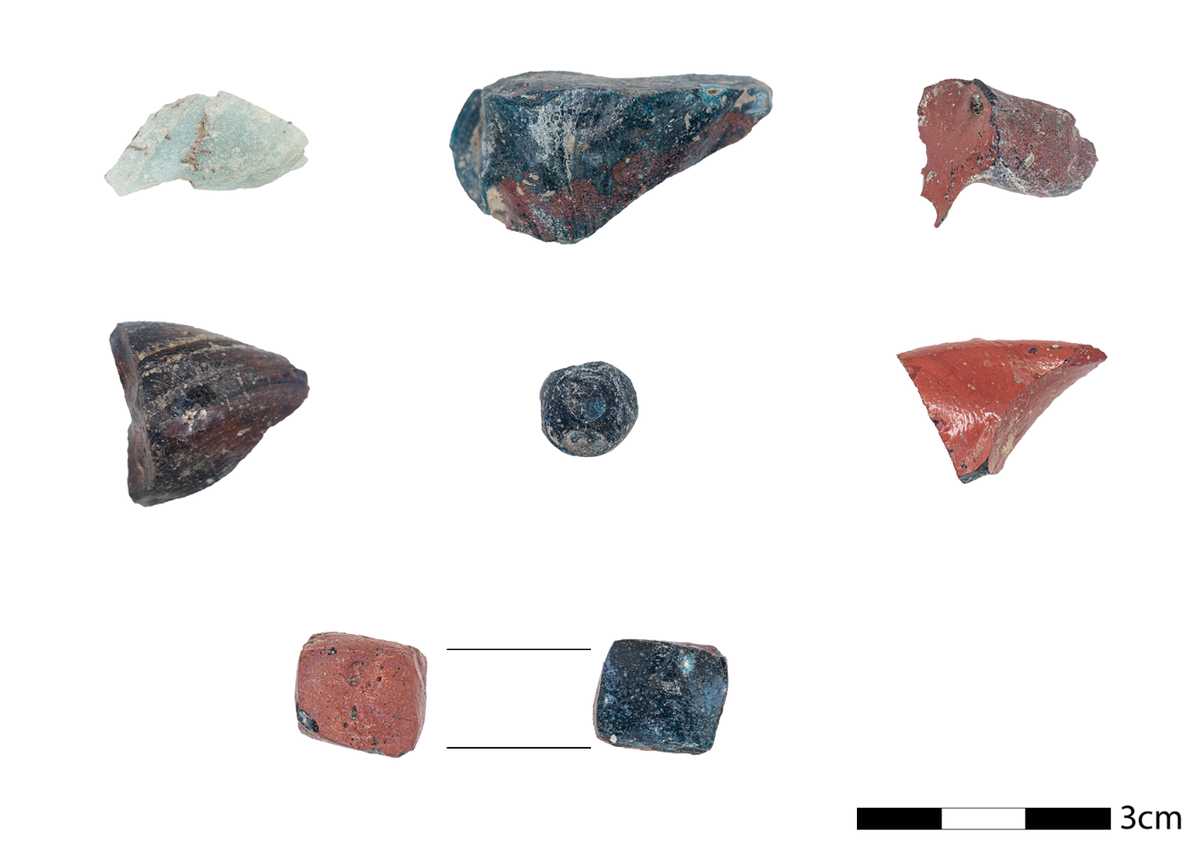
Excavations at Frattesina have uncovered glassmaking tools, partially finished glass ingots, waste materials and finished glass products.
Glassmaking wasn’t the only specialized production activity in Frattesina, Bellintani said. Excavations have also found traces of amber workshops, ivory crafting and metalworking with bronze, gold, tin, iron and lead.
Together, the finds suggest “this site was of primary importance for craft production and trade” in the Late Bronze Age, the university said.
Frattesina flourished between 1200 and 1000 B.C. and was built around a series of Venice-like canals, archaeologists said. Shifting economics, climate and social dynamics led to the village’s decline and eventual abandonment.
Excavations at Frattesina are ongoing, according to Facebook posts from the National Archaeological Museum of Fratta Polesine. The site was rediscovered in 1967 and partially excavated between 1974 and 1989.
Frattesina is near the town of Fratta Polesine, a roughly 60-mile drive southwest of Venice and roughly 300-mile drive north of Rome.
Facebook Translate was used to translate Facebook posts from the National Archaeological Museum of Fratta Polesine.
This story was originally published October 11, 2024 at 1:03 PM with the headline "3,000-year-old glass beads — still with vibrant colors — found in Italy. Take a look."