Coastal predator with ‘shovel-shaped’ head caught off Belize. It’s a new species

In the crystalline waters off the coast of Belize, anglers hauled in an aquatic predator with a distinctive “shovel-shaped” head. They didn’t know it right away, but they’d just caught a new species.
The anglers in Robinson Point and Riversdale Village caught a dozen hammerhead sharks between 2016 and 2019 and gave the animals to scientists, according to a study published Sept. 23 in the peer-reviewed journal Zootaxa.
Researchers suspected these animals were being misidentified as a known species of hammerhead shark. To investigate, they analyzed the body shape, skeleton and DNA of the sharks in Belize.
Slowly, the evidence began to mount. Researchers realized they’d discovered a new species: Sphyrna alleni, or the shovelbill shark.
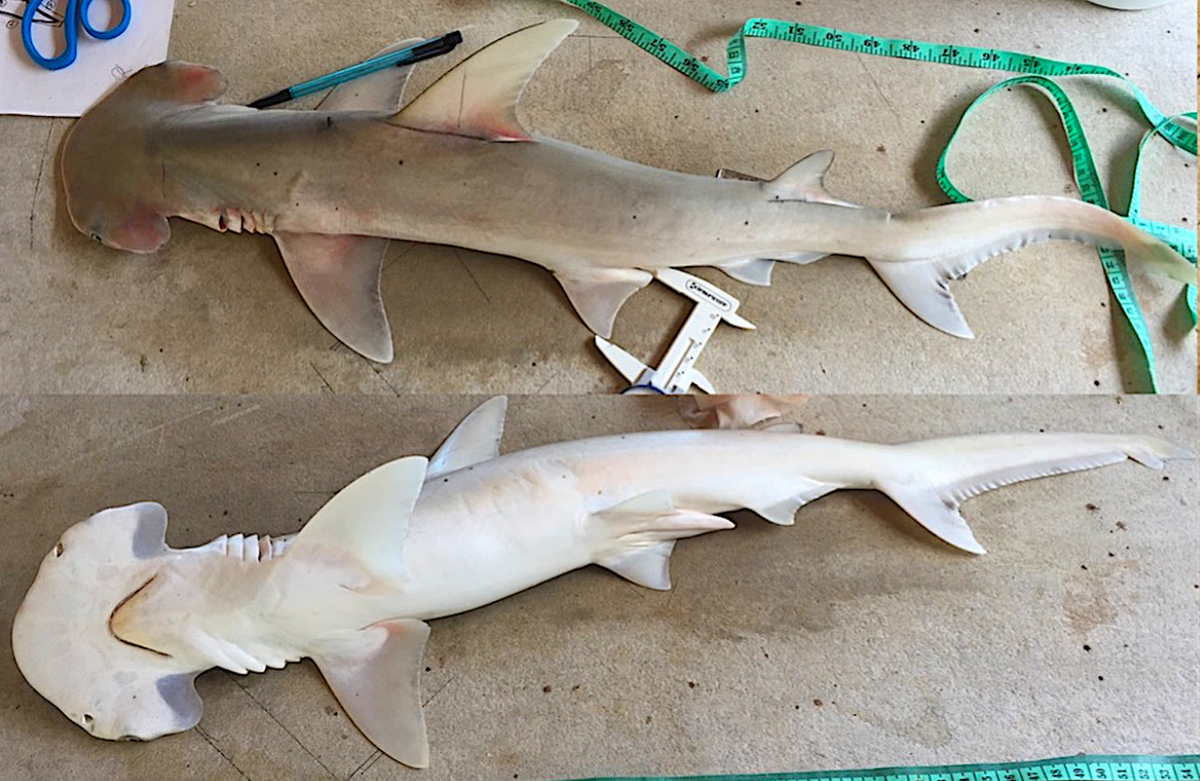
Shovelbill sharks are considered “small,” reaching about 3 feet 4 inches in length, the study said. They have “slender” bodies with “flat,” “shovel-shaped” heads. Their eyes are “small,” and their teeth are “sharpened.”
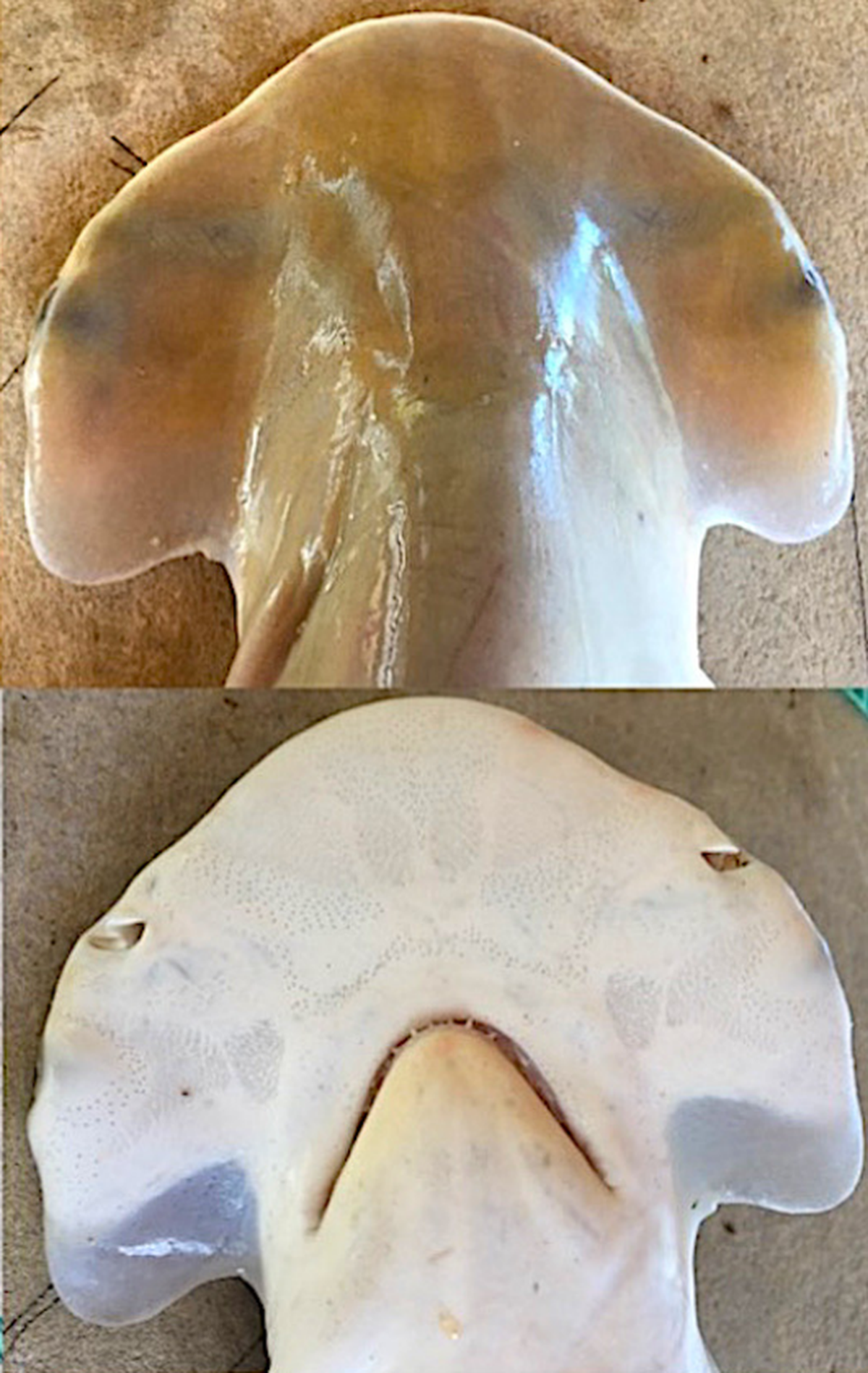
Photos show the new species and its spade-shaped head. Seen from above, the shark has a gray-brown coloring. Seen from below, it appears creamy white.
Shovelbill sharks are predators living in “coastal waters, estuaries, coral reefs, seagrass beds, and sand bottoms from Belize to Brazil,” researchers said. They are often caught by anglers and likely “highly threatened.”
“It is tragic that we have only just recognized that this species exists, and we are already running against the clock to prevent its extinction,” co-author Demian Chapman said in a Sept. 23 news release from Florida International University.
Lead co-author Cindy Gonzalez added that “it is imperative to study and protect small hammerhead shark species as they are unique to the American continent and have been extirpated, overfished, and misidentified in fisheries.”
Researchers said they named the new species “alleni” after Paul G. Allen, a co-founder of Microsoft who “generously supported shark research and conservation.” The Paul G. Allen Family Foundation was one of several organizations that funded the researchers’ field work in Belize.
The shovelbill shark’s common name refers to the shape of its head.
The new species was identified by its head shape, skeleton, teeth and DNA, the study said.
The research team included Cindy Gonzalez, Bautisse Postaire, William Driggers, Susana Caballero and Demian Chapman.
This story was originally published September 23, 2024 at 12:18 PM with the headline "Coastal predator with ‘shovel-shaped’ head caught off Belize. It’s a new species."