‘Bronze’ creature discovered by lagoon of Ecuador national park. See the new species
Millions of animals call the rainforests of South America home, but despite their prevalence, many are poorly understood or completely absent from the scientific record.
In Ecuador, a group of animals that have been collected but understudied are neotropical skinks from the Mabuya genus.
Hoping to better understand these lizards, researchers took a closer look at specimens in the Museo de Zoología in Quito, Ecuador — and discovered a new species.
Mabuya yasuniensis, or the Yasuní skink, was originally caught in Yasuní National Park in 2016, according to a study published Sept. 20 in the peer-reviewed journal Vertebrate Zoology.
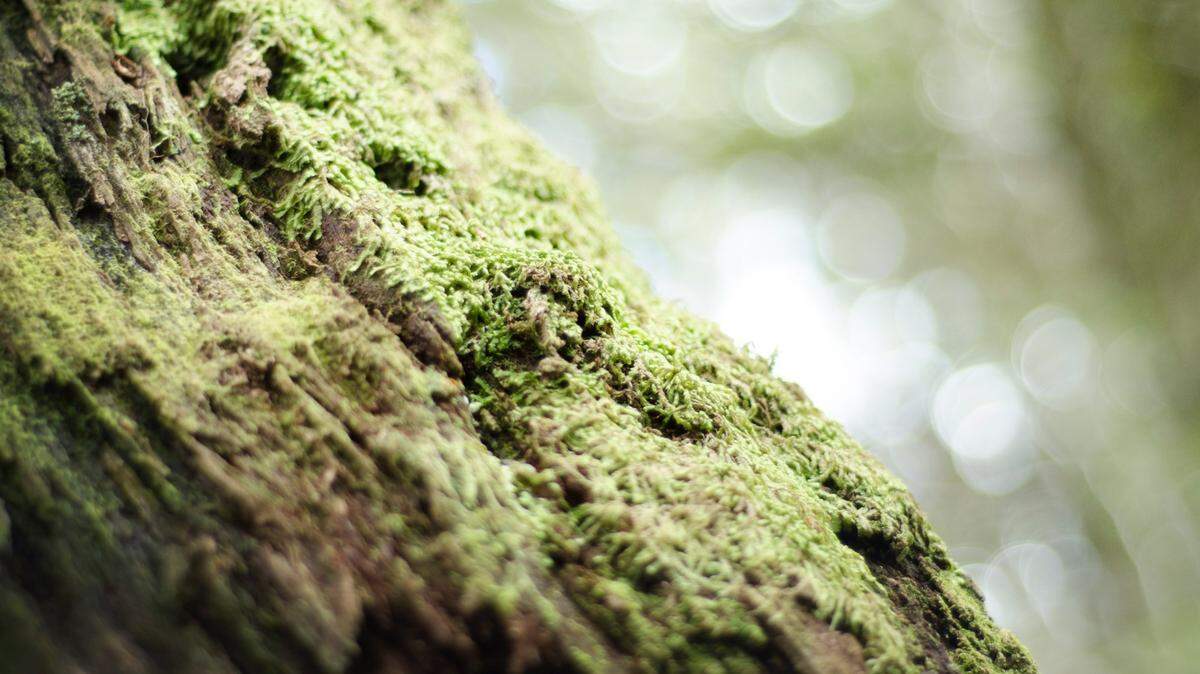
The new species was typically found on the ground, but the holotype, or primary specimen used to identify the species, was collected from moss a few feet “above water on a tree standing within a lagoon” near the Yasuní River, researchers said.
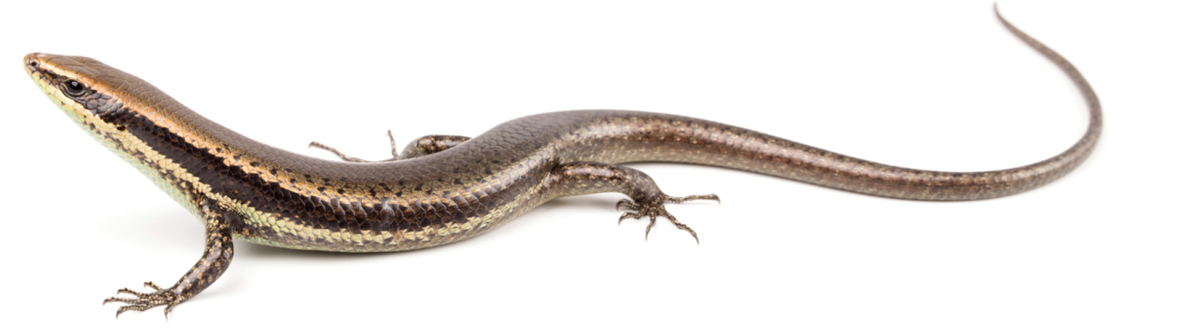
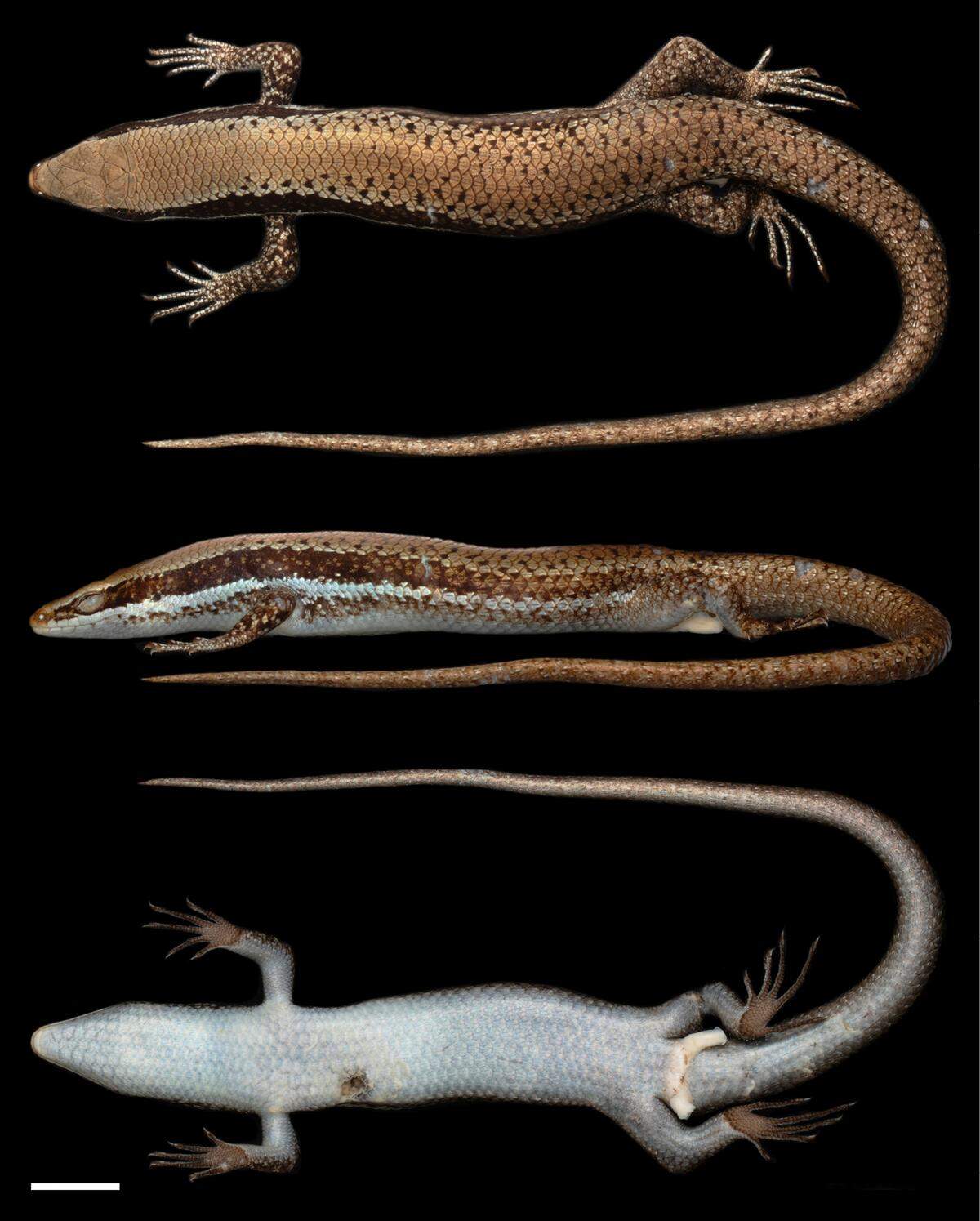
The skinks have a body length just below 3 inches long, but commonly referred to as a long-tailed skink, it has a tail longer than the rest of its body, measuring nearly 5 inches, according to the study.
On its back, the skink has an “olive-bronze” color, while the side of the head, belly and legs are “immaculate bluish-gray,” researchers said.
Darker brown scales dot the skink running down its back, and create a thicker stripe down the side of the animal, photos show.
The arrangement of scales, or lepidosis, and coloration set the species apart from other skinks from the same genus.
The species was named for the park it calls home, researchers said. With nearly 3,800 square acres of protected land, Yasuní National Park is the “largest protected area in continental Ecuador and one of the most biodiverse places on Earth.” In 1989, the park was declared a UNESCO Biosphere Reserve.
Skinks are solitary animals and can be found around the world in different environments, according to Britannica. While Mabuya skinks are ground-dwellers, some species burrow underground, others live in the desert and some live in trees.
Skinks primarily eat insects, but larger species have been known to eat fruit, Britannica says.
Yasuní National Park is in northeastern Ecuador on the western edge of the Amazon Rainforest.
The research team includes Omar Torres-Carvajal, Camila Sandoval and Diego A. Paucar.
This story was originally published September 20, 2024 at 4:31 PM with the headline "‘Bronze’ creature discovered by lagoon of Ecuador national park. See the new species."