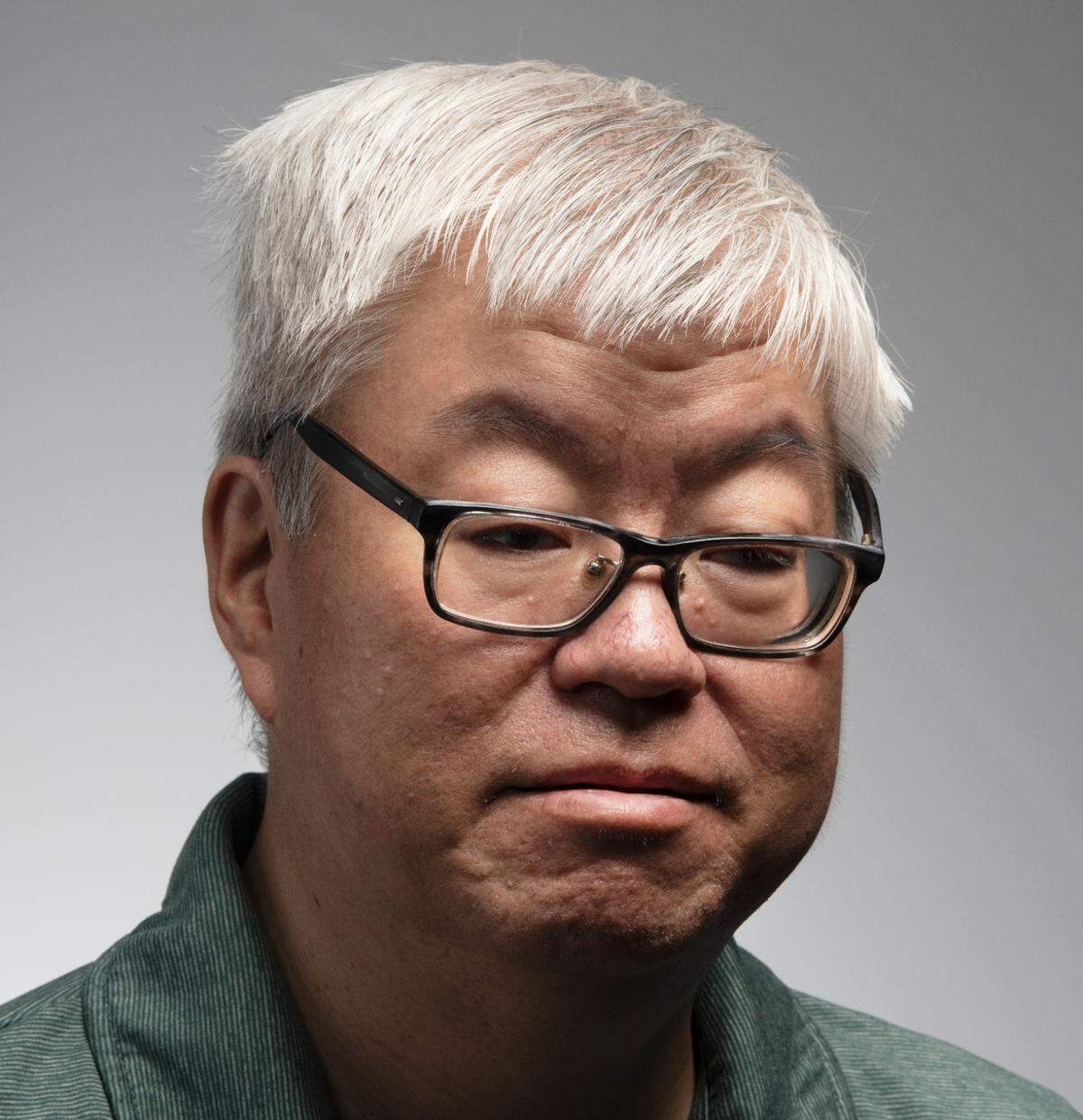
Robb Leandro, whose name is on NC’s historic lawsuit, says ‘it’s time’ to fund schools
READ MORE
The classroom waiting game
North Carolina’s rural school systems have sought funds from the Leandro lawsuit since 1994. On Nov. 10, Superior Court Judge David Lee ordered state officials to transfer $1.7 billion to fund the first two years of the plan. But three weeks later, a three-judge N.C. Court of Appeals panel ruled that Lee exceeded his authority. Will NC schools ever get Leandro funding? This is The N&O’s special report.
Expand All

Robb Leandro has gone from being a high school freshman to a 42-year-old father of three during his long wait for North Carolina to meet its constitutional obligation to provide students with a sound basic education.
Leandro was a freshman at Hoke County High School when he became the lead plaintiff in a lawsuit filed in May 1994 to try to force the state to increase funding for low-wealth school districts.
Now, more than 27 years later, Leandro says he’s frustrated at the lack of progress despite multiple court orders saying the state needs to do a better job of educating students.
“It’s no doubt that we’re talking about the grandchildren of my classmates that will soon be going to schools with very limited change,” Leandro said in an interview with The News & Observer. “It’s time. It’s definitely time.”
School leaders in five low-wealth school districts originally approached families to become plaintiffs in a lawsuit they planned to file against the state.
Leandro was asked to take part in the case because his family knew then-Hoke County Superintendent Bill Harrison from church. Leandro was the oldest student selected, so his name went first — forever connecting him to the historic court case.
“I figured it would go into court in a year or two and they would make a decision by my senior year and there would be more resources in our school now,” Leandro said. “That’s obviously not how it worked.”
Ambassador for helping rural schools
More than a quarter-century later, Leandro is now a lawyer living in Raleigh. He works at Parker Poe, the same law firm that has been representing the school districts suing the state.
Leandro hasn’t been officially involved in the lawsuit since he graduated from Hoke County High. But he serves as an ambassador for the case, speaking to groups about why more needs to be done to improve K-12 public education, especially for rural areas.
Leandro grew up in Raeford, 90 miles south of Raleigh. But Raeford was far different in the 1990s before the expansion of nearby Fort Bragg.
While Leandro was fortunate enough to live in what was considered an upper middle class family by Raeford’s standards, his classmates struggled with crime and poverty. This lack of resources extended to schools as well, something Leandro said he didn’t realize until he met students from other counties and other states.
“Every year is crucial, because students get more or less depending on where they live,” Leandro, then 18, said in a 1997 Charlotte Observer article. “As we move into the 21st century, it’s important to get our schools caught up.”
Even now, Leandro says, parents who live in places like Raleigh and debate about which magnet school to attend have far more educational choices than families in places like Halifax, Hoke or Robeson counties.
“If you drive around North Carolina and you pop through a small town that’s in a poor rural area, an economically disadvantaged area, you can see with your own two eyes the effects of loss of jobs and a bad education,“ Leandro said.
“People don’t feel like in these rural areas that they can stay. They have to move to Raleigh for jobs and to give their kids a good education.”
‘A piece of paper out there’
Leandro has kept his eye on the case as the state Supreme Court has ruled that the state Constitution guarantees every child “an opportunity to receive a sound basic education” and that the state was failing to meet that obligation.
“There’s a piece of paper out there right now that’s supposed to have meaning that says kids under the North Carolina Constitution are guaranteed the right, or the opportunity to the right, to a sound basic education,” Leandro said. “That has to mean something, right? If it doesn’t mean something, then none of it matters.”
The case has ratcheted up recently, with the State Board of Education adopting a comprehensive action plan for improving public schools.
On Nov. 10, Superior Court Judge David Lee issued an order for the state to transfer $1.7 billion from the treasury to fund the first two years of the action plan. But on Nov. 30, an appellate panel blocked the transfer of the funds. The decision has been appealed to the state Supreme Court.
‘We have a plan’
Republican legislative leaders have criticized both the action plan and Lee’s order. But Leandro, who calls himself a conservative, says no one has come up with an alternative plan for improving schools.
“We have a plan,” Leandro said. “Let’s rally behind it and pay for it. Let everybody get together and say we don’t need a judicial order. This is the plan that needs to be funded for the next three years.”
Leandro says the state’s students are paying the price for 27 years of inaction by both Democratic and Republican elected officials. The latest test results showed only 45% of students passed state exams.
“I don’t think anyone who is a policymaker or elected official in this state should be able to sleep at night when they look at the numbers and they say we’re doing OK,” Leandro said. “The numbers should be so unacceptable to us. They’re not numbers. They’re people.”
This story was originally published December 22, 2021 at 6:00 AM with the headline "Robb Leandro, whose name is on NC’s historic lawsuit, says ‘it’s time’ to fund schools."