A foodborne parasite has infected 135 people in this NC county. What we know
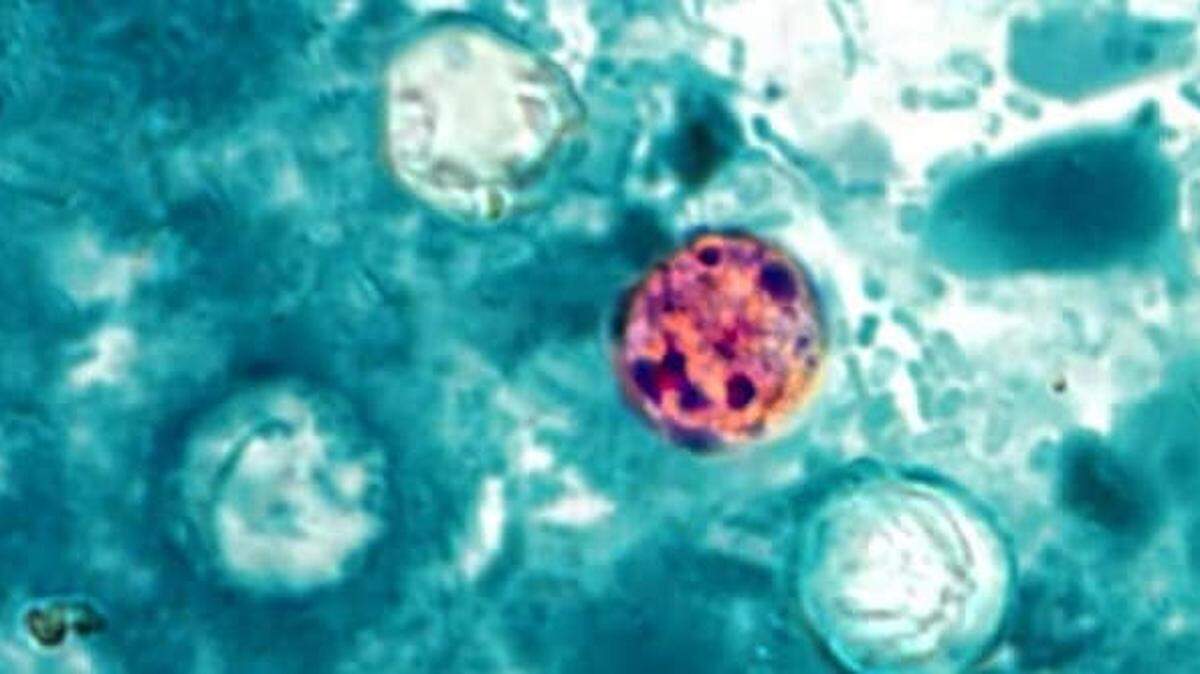
Cases of intestinal illnesses traced to a parasite are higher than normal in Wake County. Health officials haven’t yet identified the contaminated food.
As of Aug. 12, 135 cases of cyclosporiasis — an intestinal disease caused by the parasite cyclospora — have been recorded in the county this year with all of them since May, Rebecca Kaufman, the health director at Wake County Health & Human Services, told The News & Observer.
This number marks a sharp increase from cases in previous years. Wake County recorded 63 confirmed cyclosporiasis cases in 2023 compared to 14 in 2022, the county health department said. But cyclosporiasis cases have been trending up across North Carolina since 2015, according to the North Carolina Department of Health & Human Services.
While cases of cyclosporiasis are on the rise, other communicable diseases under surveillance by state health officials are much more common. For example, NCDHHS recorded nearly 2,300 cases of salmonellosis (the infection caused by salmonella) across the state in 2023.
Where is the parasite coming from?
“Typically, cyclospora comes into contact with herbs and vegetables during growing or transportation, and so we do tend to see cases more elevated in the summer — not as elevated as we have right now, but it is something that is seasonal,” Kaufman said.
The case increase, which health officials haven’t yet tied to a particular food, is not unique to Wake County, Kaufman said. Cases are higher across North Carolina and the U.S.
Of the 135 people infected this year, 22 have reported eating at three local restaurants. Not all 22 ate at all three restaurants, and the last time someone with cyclosporiasis ate at one of the restaurants was July 10, Wake County Health & Human Services told The N&O in an email.
Which Wake County restaurants are tied to the parasite?
County health officials are not naming the businesses. Inspectors have looked into the restaurants’ food handling and sanitation and did not find that food was mishandled.
“We did not find that the restaurant itself was the source of contamination, so it’s most likely something that was already on the food that they sourced before it ever got to the restaurant,” Kaufman said.
More than 110 people did not eat at those establishments, another indication that the restaurants are not the source, Kaufman said. Rather, health officials believe a contaminated vegetable or herb is causing the infections.
In the past, Wake County has identified facilities or businesses associated with outbreak investigations. For example, last year, the county named a Raleigh sushi restaurant in connection with a norovirus outbreak.
But as of publication, the county has declined to identify the restaurants tied to the cyclosporiasis cases, and locals have taken to social media to voice concerns about it.
“As we continue our investigation, if it is determined that any facility is a risk to the public, we will release the name of the establishment,” Wake County Health and Human Services said in a statement emailed to The N&O.
How the investigation process works
When a person is diagnosed with cyclosporiasis, Wake County Health and Human Services investigates, asking the infected person what they have eaten over the past 28 days. Sometimes, people have trouble remembering everything they’ve consumed for multiple weeks, but public health nurses try to find out as much as they can, Kaufman said.
As part of the investigation, inspectors ask restaurants about their suppliers and share that information with state and federal agencies.
“At this point, no one has been named as the source,” and no food has been recalled, Kaufman said.
Health officials have to be certain about what’s causing an outbreak before implementing any control measures, said Carl Williams, a state public health veterinarian for NCDHHS who oversees foodborne and vector-borne disease teams in the communicable disease branch.
“It’s very hard to identify with specificity what is the particular product that is causing this illness,” Williams told The N&O. “You can’t just say, well, it’s tomatoes. Tomatoes from what farm? From what distributor? From what state of origin or what country of origin?”
What’s cyclospora? What’s cyclosporiasis?
Cyclospora is a microscopic parasite that causes the intestinal illness cyclosporiasis.
While infected people may or may not experience symptoms, the parasite causes diarrhea with “frequent and sometimes explosive bowel movements,” according to the Centers for Disease Control and Prevention.
Other symptoms may include loss of appetite, weight loss, cramping, bloating, nausea, increased gas and fatigue. Less common symptoms are vomiting, body aches and headaches, low-grade fever and other flu-like symptoms.
It’s possible that someone who has been infected with cyclospora does not know it, because the symptoms of cyclosporiasis are similar to those of other gastrointestinal illnesses, Kaufman said.
She added that it can take two days to two weeks to become ill after eating a contaminated food.
Cyclosporiasis can be treated with antibiotics.
How does cyclosporiasis spread?
The disease spreads when people consume food or water contaminated with feces, according to the CDC.
Direct person-to-person transmission is not likely because it takes a week or two after the parasite leaves the body (via a bowel movement) for the parasite to become infectious.
It is possible to be infected with the parasite multiple times.
How to avoid getting sick from the parasite
The public should wash their hands often and wash vegetables and herbs before using them to prevent infection, Kaufman said.
The Food and Drug Administration outlines steps for properly washing produce:
- Wash hands for 20 seconds with warm water and soap before and after dealing with fresh produce.
- Cut away any damaged or bruised areas before preparing or eating food.
- Rinse produce with water before peeling or cutting it.
- While rinsing, gently rub the produce. You don’t need to use soap or a produce wash.
- Use a clean vegetable brush to scrub firm produce such as melons and cucumbers.
- Dry produce with a clean cloth or paper towel.
- Remove the exterior leaves of a head of lettuce or cabbage.
This story was originally published August 15, 2024 at 4:57 PM with the headline "A foodborne parasite has infected 135 people in this NC county. What we know."