Copperheads in Raleigh in January? Looks like it. Local snake expert explains why.
READ MORE
Copperheads and other Venomous Snakes in NC
Everything to know about copperhead snakes and other venomous snakes — how to identify them, how to avoid them, what to do if you (or your pet) are bitten, and more.
Expand All
We don’t usually expect to see copperheads in January, but it happens.
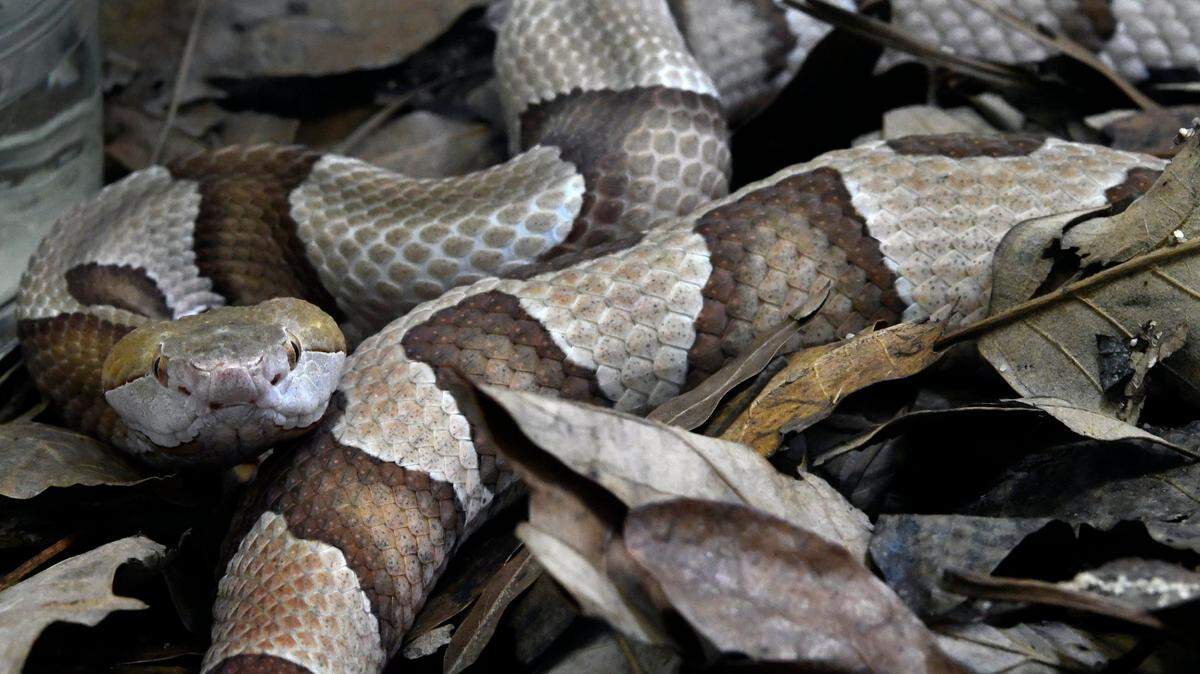
Some Raleigh residents spotted copperheads out and about over the weekend and posted photos on the NextDoor social media site. In the photos, the venomous snakes were soaking up winter sun amid piles of dark, crunchy leaves.
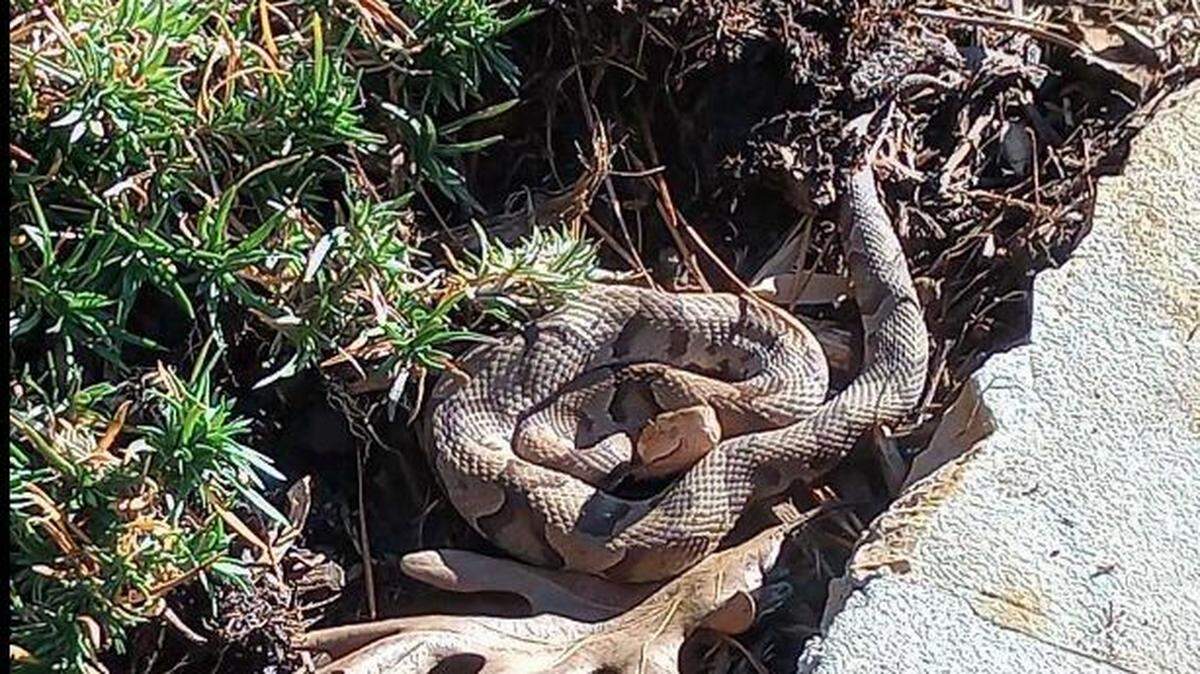
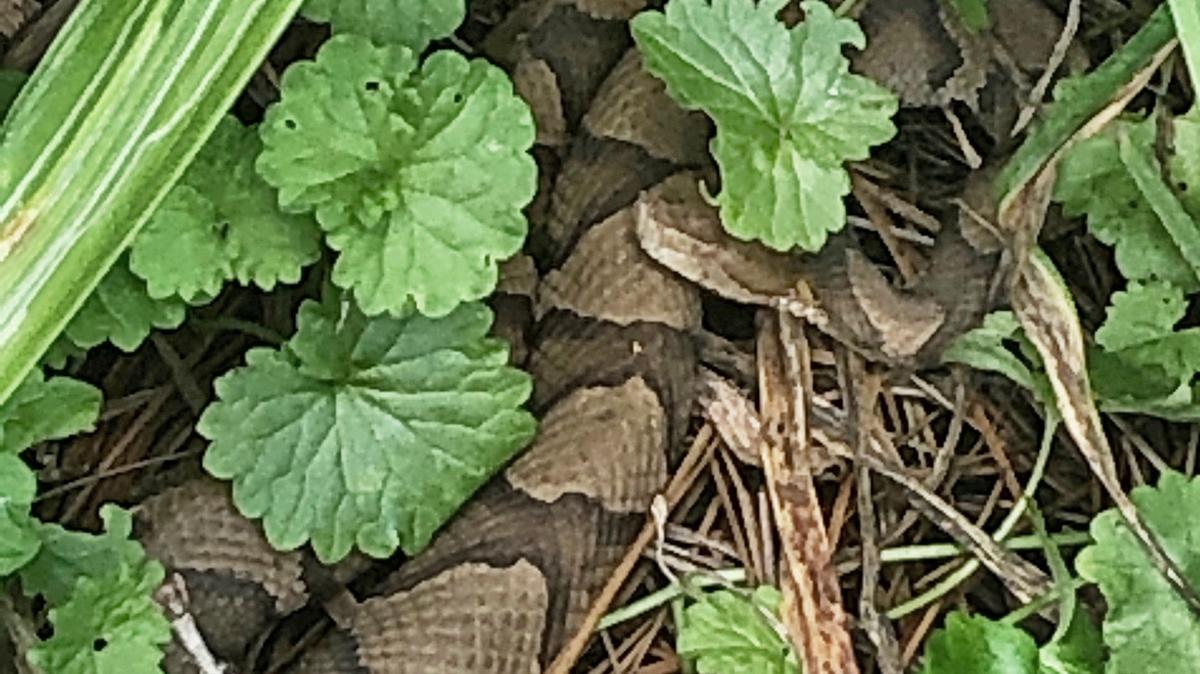
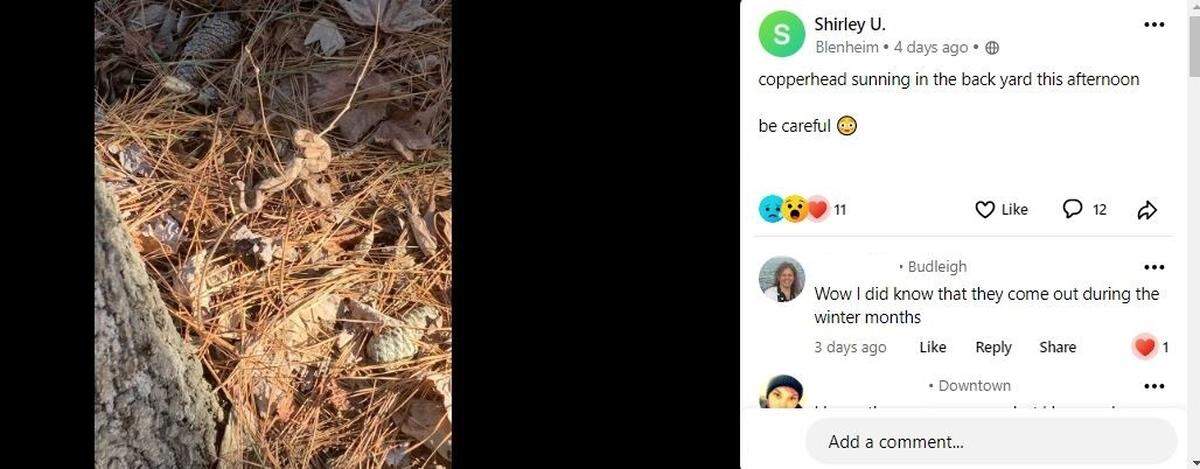
Nextdoor poster Shirley U., who lives in the Blue Ridge Road/Glen Eden Road area of Raleigh, posted a photo of a copperhead snake camouflaged in pine straw and leaves on the social media site on Jan. 6 with the caption: “Copperhead sunning in the back yard this afternoon. Be careful.”
She said she was surprised to see a copperhead in her yard this time of year.
“I was completely taken aback when I saw the snake — did a double take and realized it was a copperhead,” she told The News & Observer. “I was picking up sticks from the December winds and wasn’t really close enough to it to be threatened. Don’t know why I noticed it, even — perfectly still.”
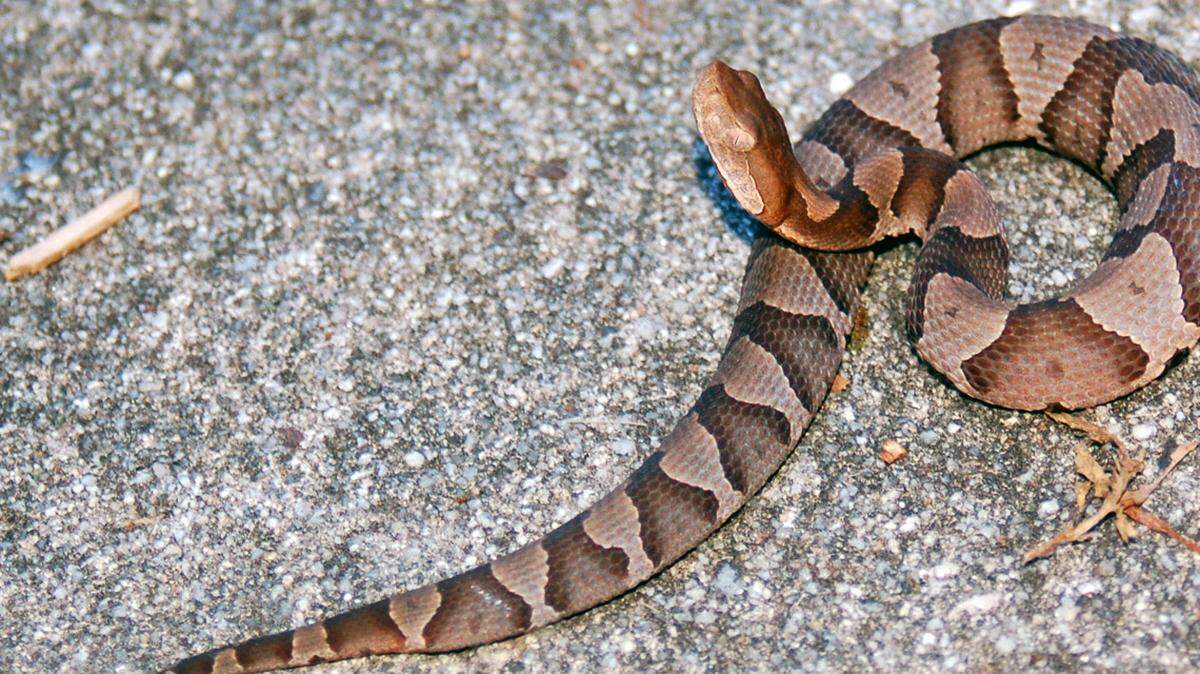
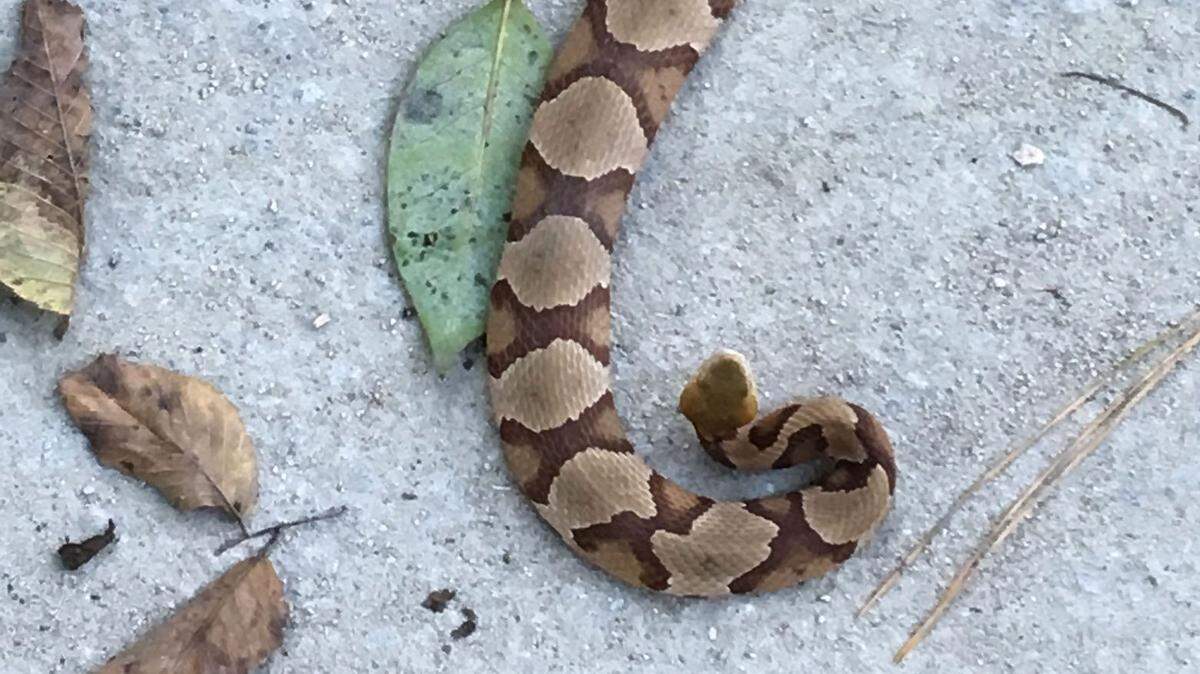
Dan Harrod, who lives in the Crabtree area of Raleigh, also posted a photo of a copperhead — not camouflaged at all — with the caption: “Copperhead sunning himself on our stonewall today.”
Those commenting on each post expressed surprise to see the snakes out this time of year.
So we checked with the NC Wildlife Resources Commission and this is what they told us about our local snakes’ winter routines:
Can we see copperheads in January or other winter months?
Clearly, the answer is yes.
“Copperheads and other snakes become active whenever temperatures rise above about 60˚ F,” said Falyn Owens, WRC’s extension biologist.
“During warm weather, regardless of the season, snake sightings aren’t unusual.”
When temperatures rise above that threshold, copperheads may be seen basking in sunlight or generally moving about.
Temperatures in Raleigh over the past week have been as high as 73˚ F, according to NWS Raleigh’s climate data. On Jan. 6, around the time when these copperheads were seen, the high was 59.
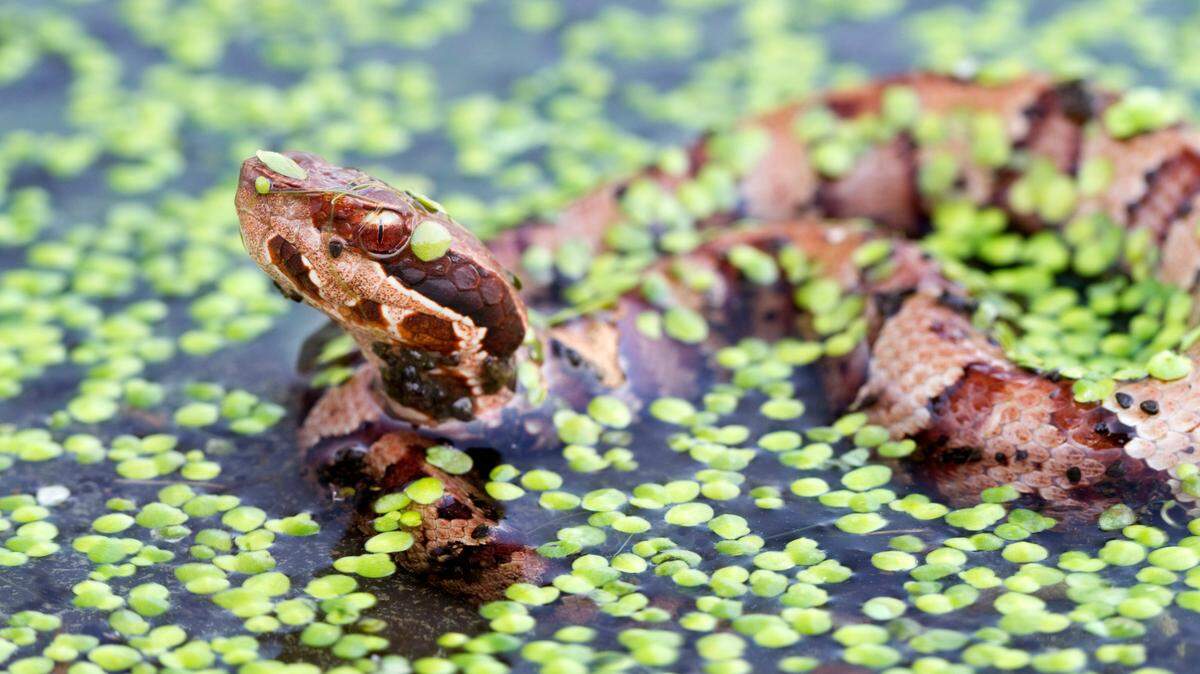
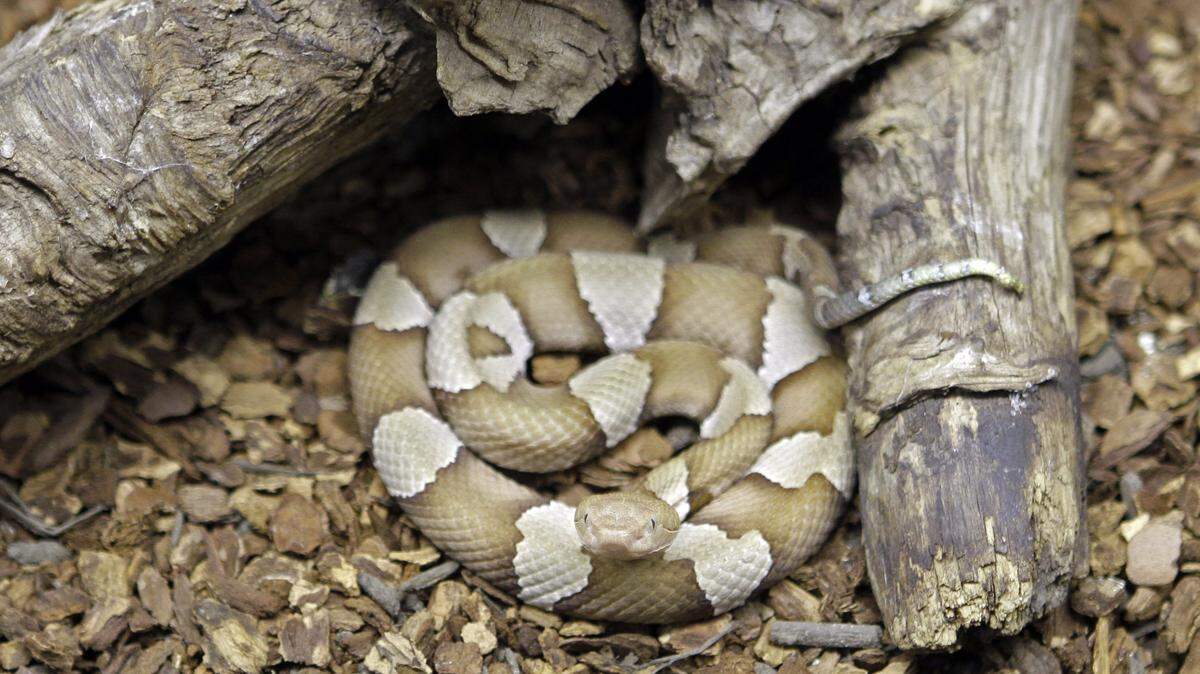
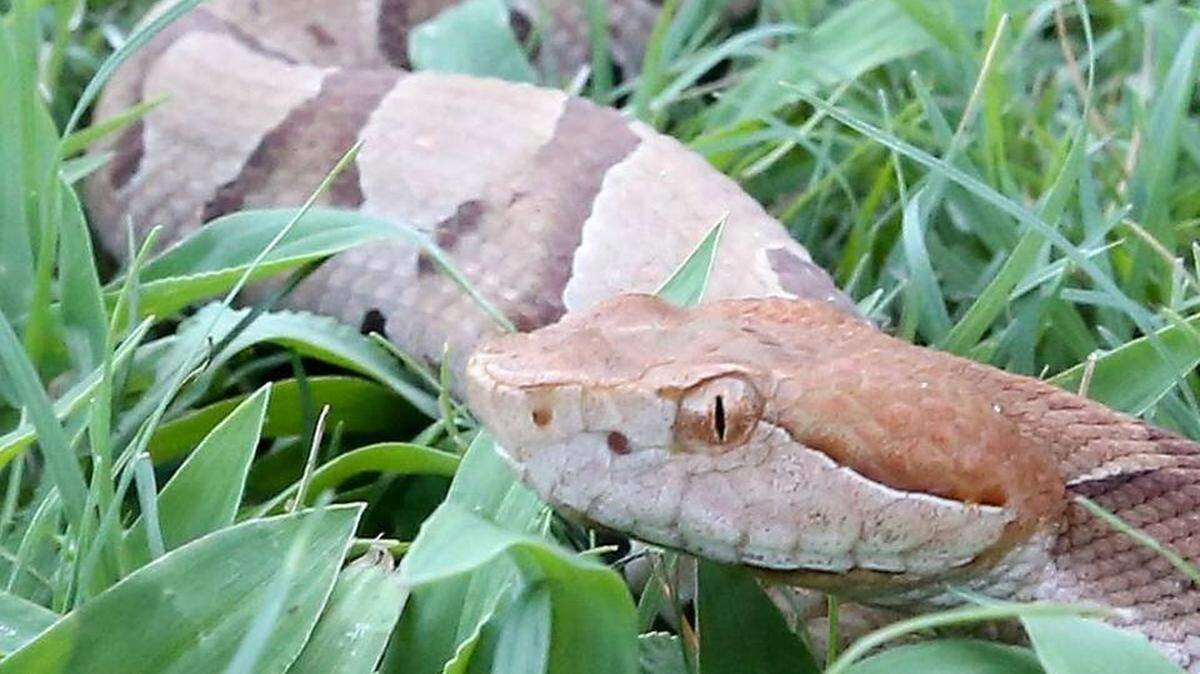
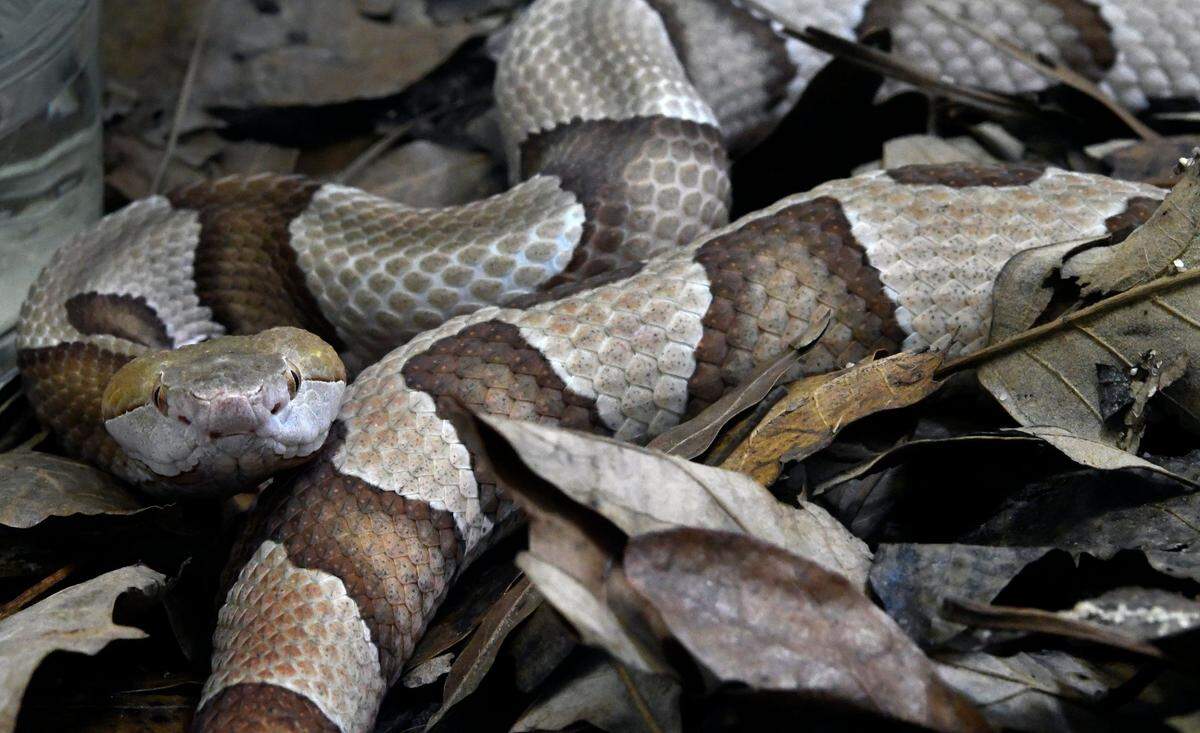
What do copperheads look like?
They have the following characteristics:
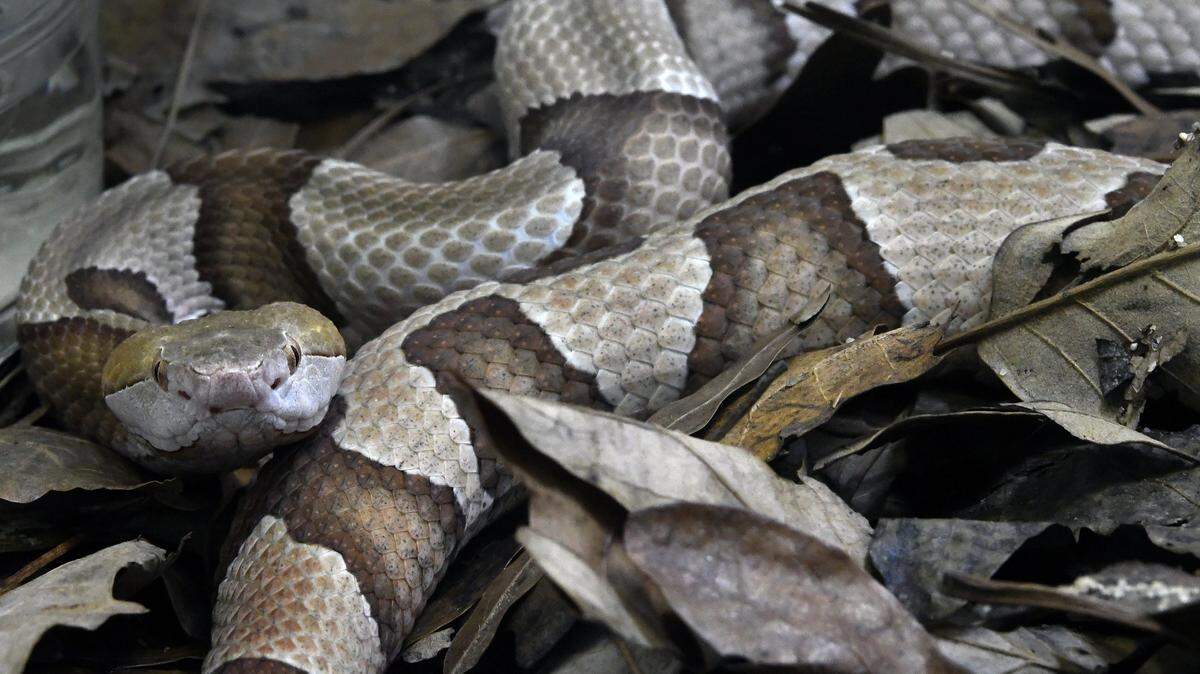
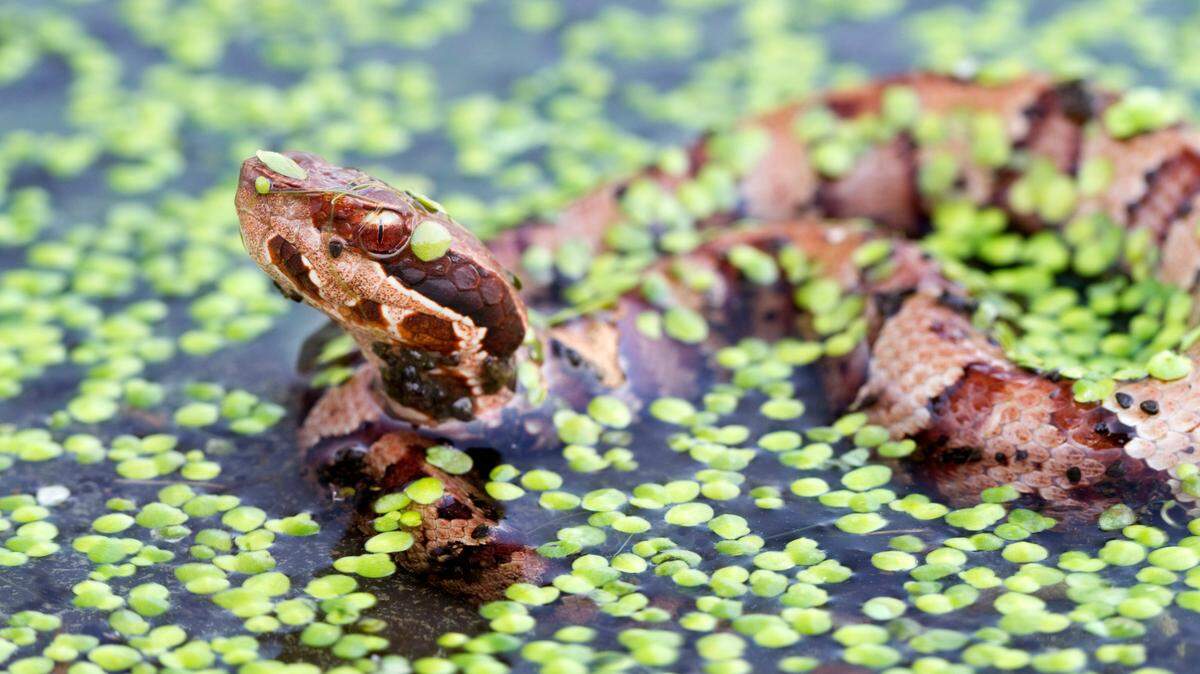
• Pattern: The hourglass-shaped patterns on their backs look like Hershey’s Kisses.
• Color: Copperheads are brownish-gray. Newborn or very young copperheads have the same color and pattern as adults, but they’ll have a bright yellow or greenish-tipped tail that quickly darkens.
• Length: Adult copperheads can grow to about three feet long.
For a detailed look at the copperhead snake, visit newsobserver.com/news or ncwildlife.org.
What other NC snakes are active during the winter?
If temperatures rise to about 60˚ F, which is common throughout North Carolina winters, you can see any of our 38 native snake species, Owens said.
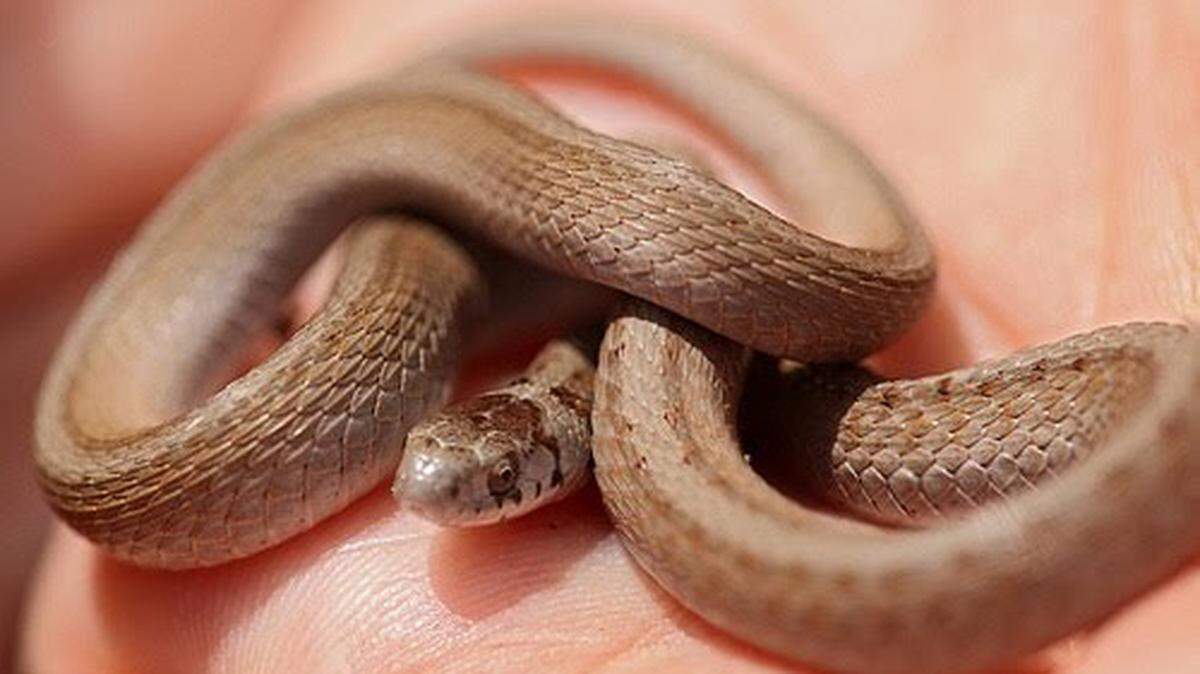
“In the Triangle the most common sightings are black rat snakes, Dekay’s brown snakes and garter snakes, all of which are non-venomous and harmless to people.”
Temperature is the most important factor in snake activity.
“During spurts of warm weather, snakes may be seen basking for warmth or moving about, but cooler weather can make them very sluggish,” she said.
“During cool weather, give snakes ample time to move away or leave them be.”
Where do copperhead snakes spend winter?
Snakes need to find warm shelter during cold weather, but they can’t dig, so they usually rely on underground burrows that other animals create, Owens said.
They might also find other natural crevices to get them out of the cold.
How to avoid a snake bite
Leave the snake alone.
“Whenever temperatures rise and copperhead sightings become more likely, always keep in mind that snakes only bite humans in self-defense, so the best way to avoid a bite is to leave snakes alone,” Owens said.
If you’ve been bitten by a copperhead or other venomous snake, follow NC Poison Control’s advice:
Sit down and stay calm.
Gently wash the area with warm, soapy water.
Remove any jewelry or tight clothing near the bite site.
Keep the bitten area still, if possible, and raise it to heart level.
Call NC Poison Control at 1-800-222-1222.
If a snakebite victim is having chest pain, difficulty breathing, face swelling, or has lost consciousness, call 911 immediately.
You should not:
Cut the bitten area to try to drain the venom. This can worsen the injury.
Ice the area. Icing causes additional tissue damage.
Make and apply a tourniquet or any tight bandage. It’s better for the venom to flow through the body than for it to stay in one area.
Suck or use a suction device to remove the venom.
Attempt to catch or kill the snake.
(Source: ncpoisoncontrol.org/types-of-poisons/venomous-creatures/snakes)
N&O staff writer Brooke Cain contributed to this report.
This story was originally published January 10, 2023 at 3:37 PM with the headline "Copperheads in Raleigh in January? Looks like it. Local snake expert explains why.."