Many copperhead snake bites require antivenom. Here’s how much that’ll cost you.
Two summers ago, a 17-year-old was bitten by a copperhead snake in Hillsborough. His hand started to swell immediately, and he had to be hospitalized overnight, The News & Observer reported at the time.
The family got the Duke Health bill a few weeks later for $225,000. The antivenom alone cost $200,000. Thankfully, with his father’s insurance, the family only had to pay $175.
Why is antivenom so expensive?
We talked to Duke Health and UNC Health to learn how much it costs at their hospitals.
How much does snake antivenom cost?
The N&O spoke with UNC Health and Duke Health for answers:
▪ At UNC Health: For a typical initial dose of four to six vials, the total charge for the antivenom treatment can range from $76,000 to $115,000, UNC Health’s pharmacy team said through local news director Alan Wolf.
Most insurance plans cover anti-venom treatment, and uninsured patients both receive a discount and may apply for financial aid.
▪ At Duke Health: The N&O reported in 2020 that a 12 vials of antivenom — double the typical initial dose, per UNC Health — cost $200,000. When asked for this report, Duke Health declined to provide costs as of 2022 for antivenom treatment.
However, with the introduction of a second option for antivenom, the price charged to hospitals has “gone down substantially, and this results in significantly lower bills to patients and insurers,” Duke Health officials said through news office director Sarah Avery.
“And as in the past, patients who do not have insurance are billed at a 70% discount off the lowered drug price, and much of the remaining balance is typically written off, depending on individual financial circumstances,” Duke Health said.
Blue Cross Blue Shield, the largest health provider in North Carolina, covers copperhead snake bite care and antivenom, the health insurance company said through communications advisor Laura Eberhard.
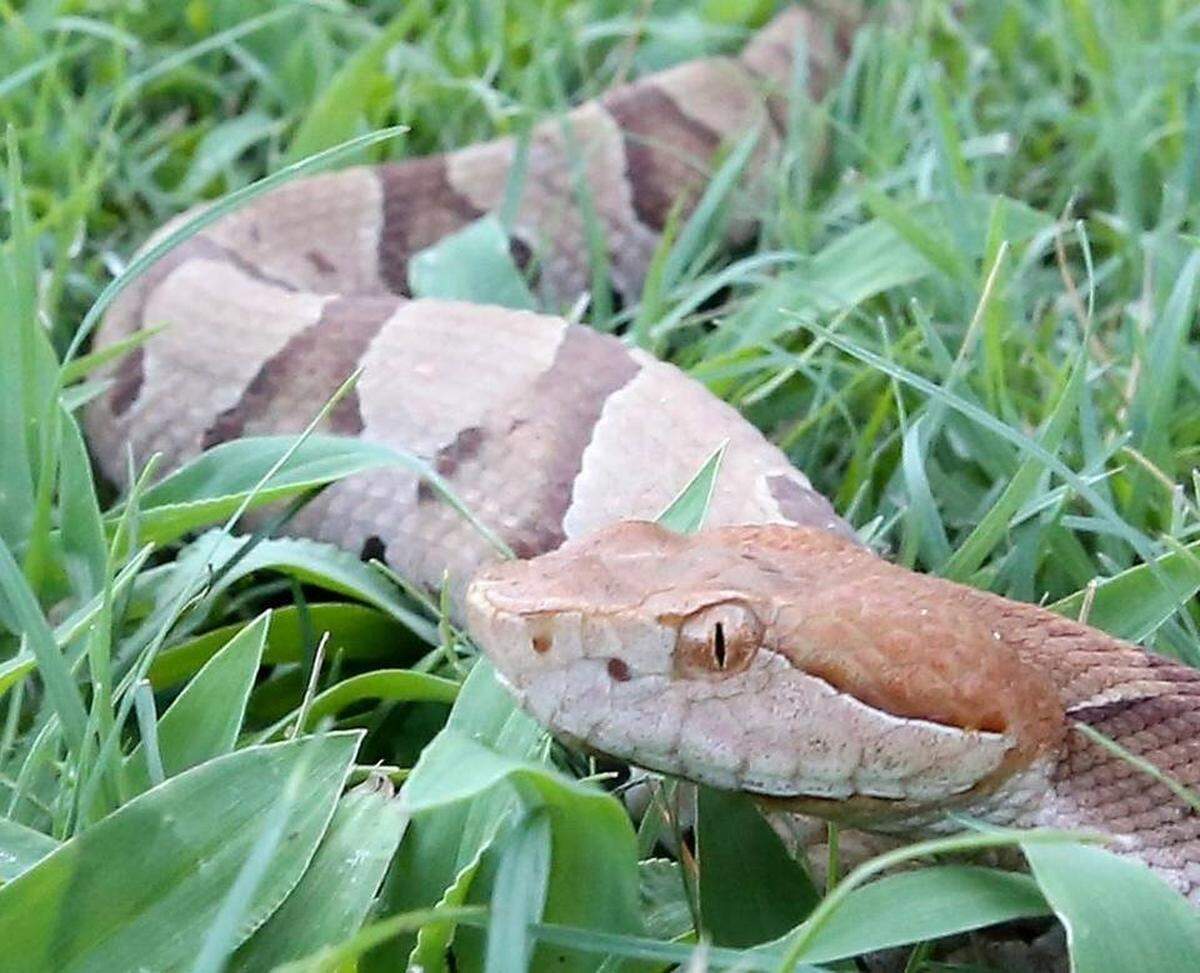
Why is snake antivenom so expensive?
There are several factors that contribute to the high prices of antivenom.
First, antivenom is complicated to make. The common antivenom used to treat rattlesnake bites, for example, is made by “injecting sheep with snake venom and then harvesting the antibodies produced by the animals’ immune systems,” The Washington Post reported in 2015.
But the cost of making antivenom only accounts for about one-tenth of one percent of the total cost for the treatment, according to research cited by The Washington Post from the VIPER Institute at the University of Arizona.
The rest of the sticker price for antivenom is made up by costs such as licensing fees legal costs, coming in at about 28% of the cost, and hospital markups — which are generally discounted by health insurers for patients with coverage — coming in at about 70% of the cost, according to the VIPER Institute’s research.
Additionally, since snakebites are relatively uncommon — though the CDC says about 8,000 people are bitten by venomous snakes each year — the antivenom market is relatively small, and there isn’t a huge demand or market for the product, NPR reported in 2019.
While the cost of treatment is still relatively high, the advent of two competing antivenoms available — CroFab and Anavip — has dropped the cost of the treatment to most facilities by more than 50%, Dr. Charles Gerardo, an emergency medical specialist with Duke Health, told The N&O.
This story was originally published June 8, 2022 at 2:44 PM with the headline "Many copperhead snake bites require antivenom. Here’s how much that’ll cost you.."