Charlie was surrendered by her owners. Now she’s training to be a search-and-rescue dog
READ MORE
Crowded out?
Animal intake rates are spiking across the Triangle. North Carolina has the third-highest rate of animal shelter euthanasia in the country. With many at risk of being put down, will rising numbers of unwanted animals reverse years of progress?
Expand All
Even at the shelter, Charlie never stopped moving.
Her previous owner, who surrendered the year-old sable German shepherd to the Orange County animal shelter in late March, said she was too high-energy.
Six weeks went by.
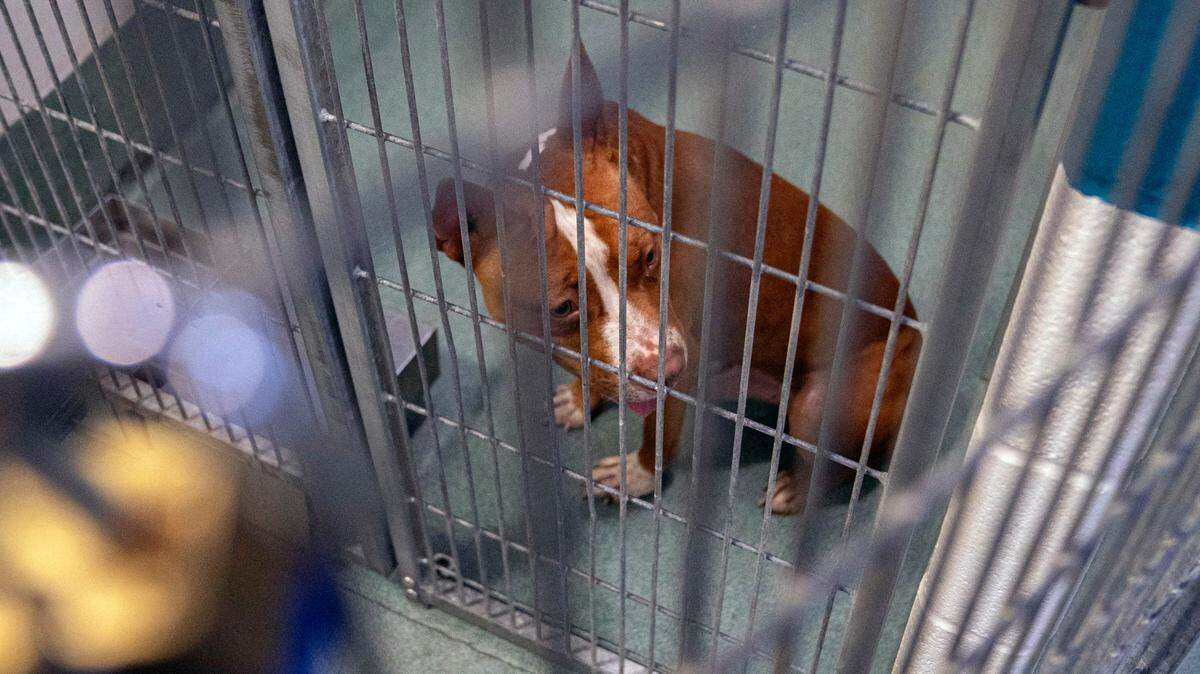
No one wanted Charlie, who kept barking and spinning around her kennel, reacting to everything.
Shelter staff began to wonder if she might have more success as a working dog.
“She was a little too much to go onto the adoption floor,” said Tenille Fox, a spokesperson for Orange County Animal Services. “She really needed a job.”
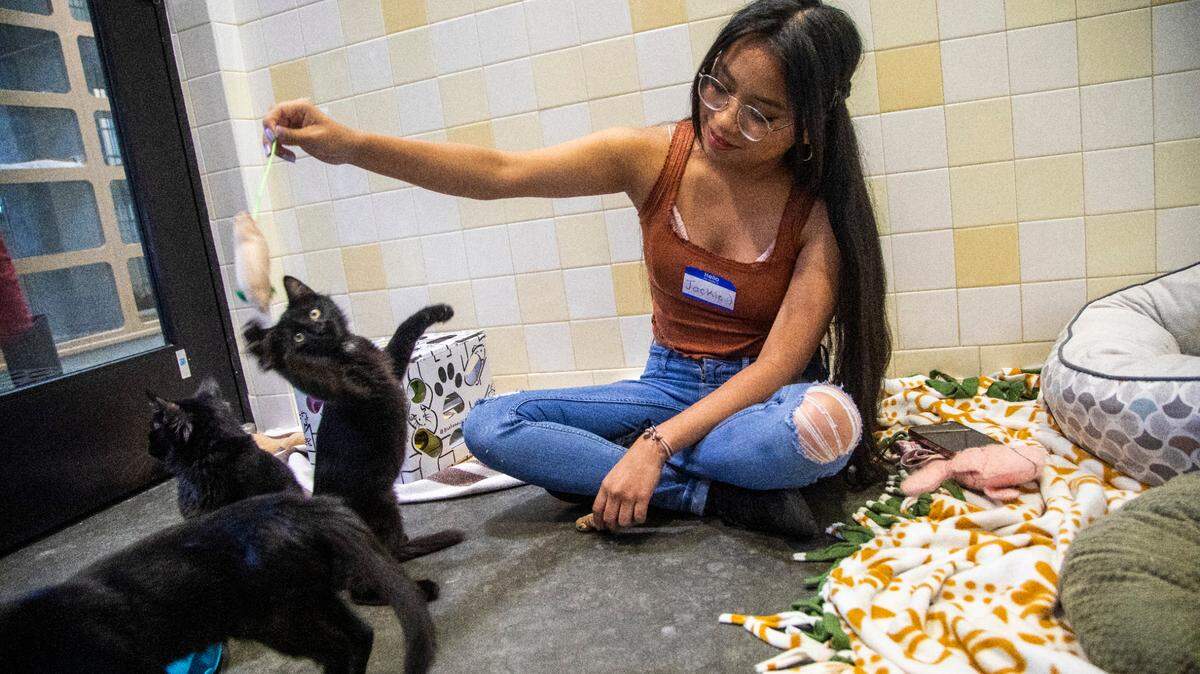
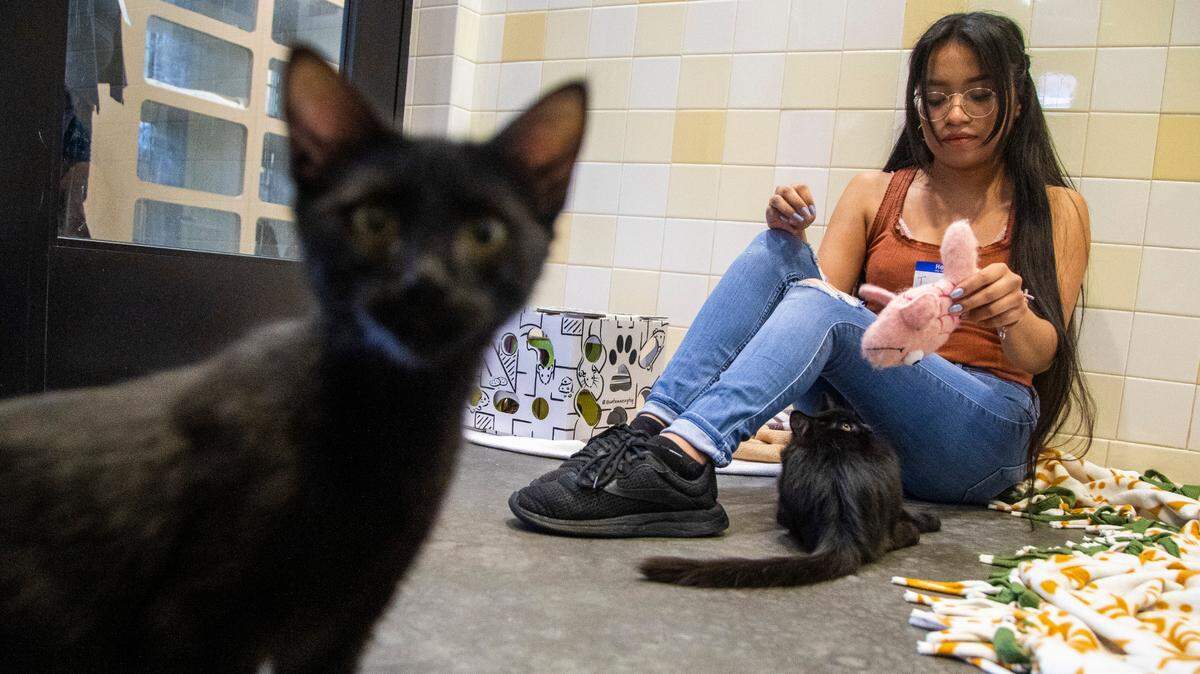
Orange County runs a working pets program to place animals that aren’t suited to adoption. This mostly involves sending semi-feral cats to barns or other workspaces, where they provide companionship and pest control.
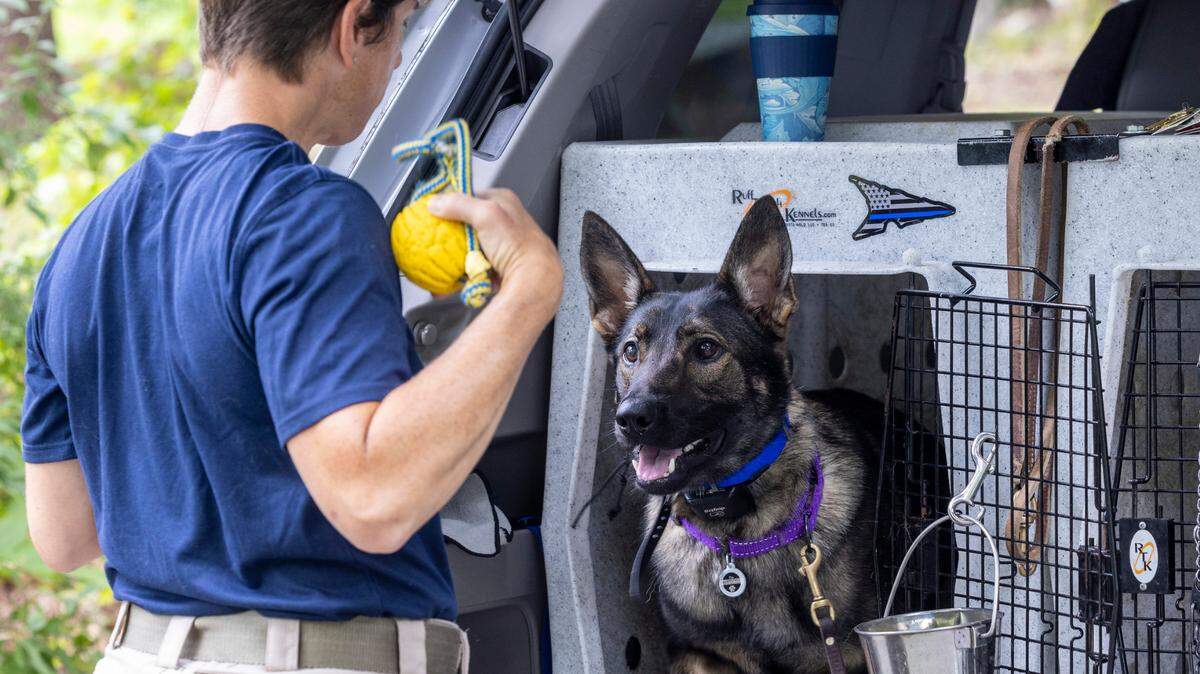
This time, the shelter relied on word of mouth. When a friend and former Federal Emergency Management Agency canine handler asked Lori McLamb to go see Charlie, she knew immediately — Charlie had “it.”
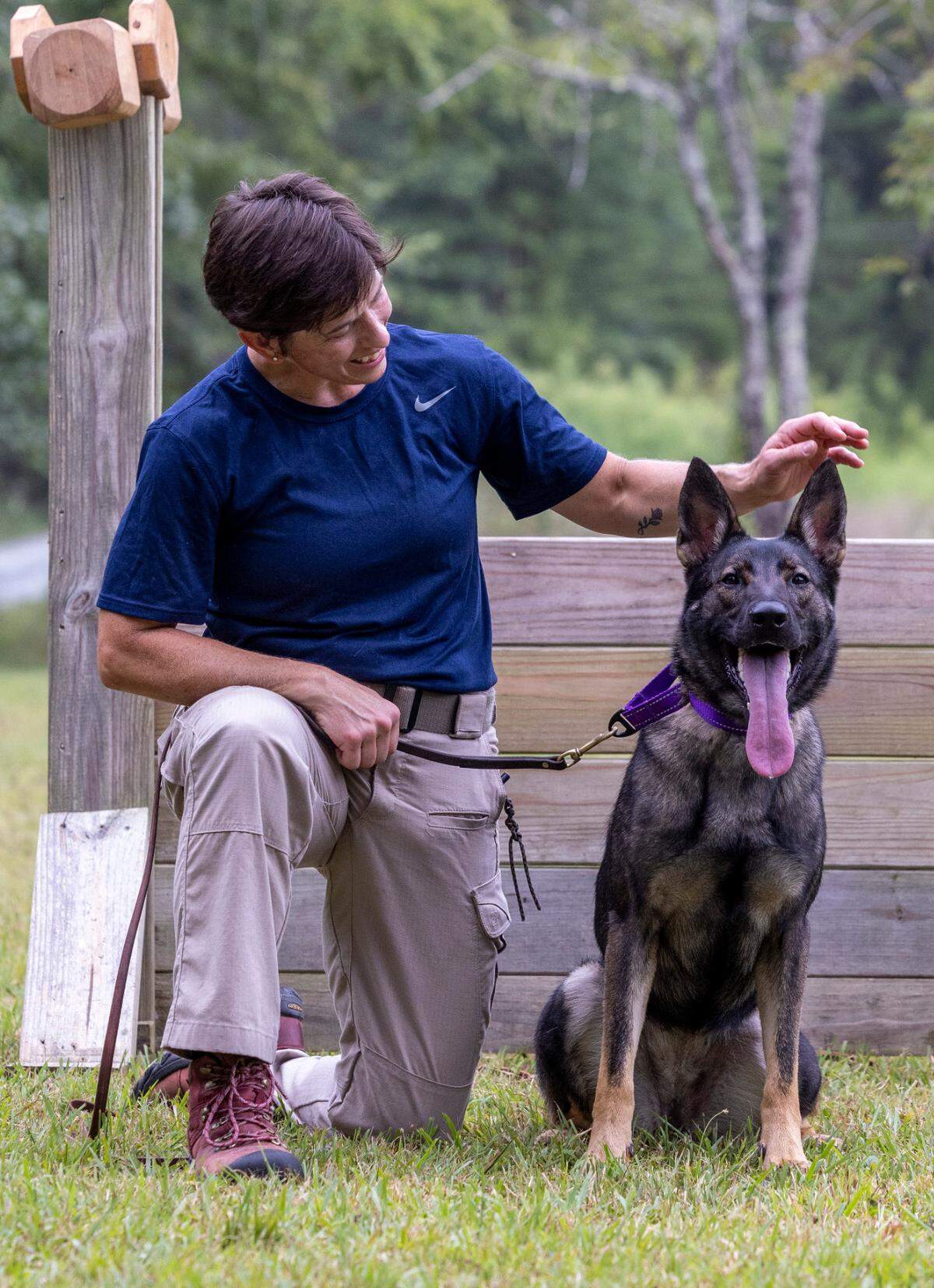
McLamb, formerly a Carrboro police officer and a FEMA handler, has trained seven working dogs in the last decade.
Some German shepherds and other working breeds have a “drive” to work and use their minds, McLamb said. Like Charlie, these dogs can become aggressive or behave strangely without tasks to perform.
“(Charlie) clearly had a lot of behavioral problems in her young life,” McLamb said.
But Charlie was alert and reactive, engaging with this total stranger who wanted to play fetch.
“When you find a dog that is in a shelter that can overcome the super stressful environment and still engage with you and still play, that’s a special dog,” McLamb said.
Assessing Charlie for work
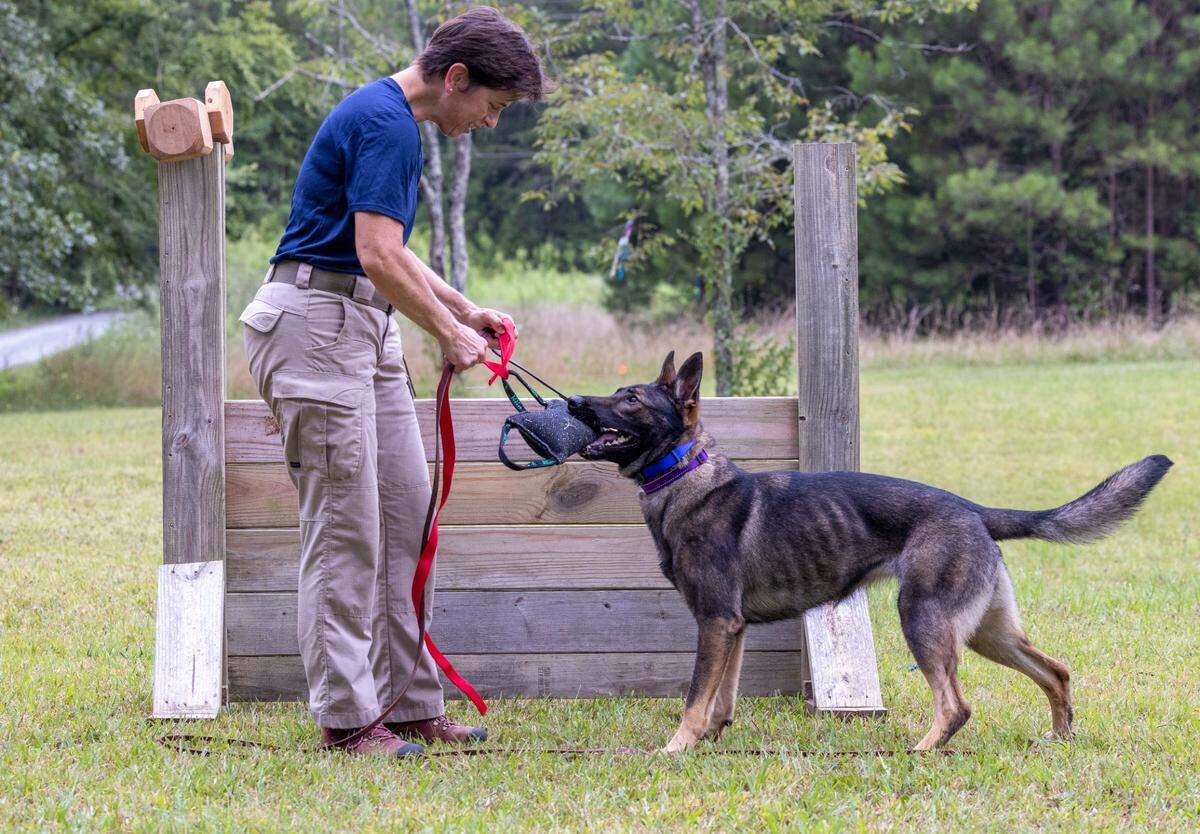
To assess Charlie for search and rescue work, McLamb put her in new surroundings: a fire station, a field of tall grass.
She wanted to see how the dog would react to loud noises, unstable ground and unusual visuals, all elements of disaster sites.
Charlie was able to explore, plus find and retrieve toys, without hesitation. This convinced McLamb to bring her to Virginia, where her former FEMA team had an opening for a dog.
“It gives you a very good snapshot of what the dog is capable of, but you still have a lot of training to do,” McLamb said.
Placing working dogs with a handler takes longer than coordinating a regular adoption, Fox said. Orange County Animal Services doesn’t always have the resources for this, especially when the shelter is low on space.
Pulling more working dogs out of shelters would also require local vets and trainers to donate time, McLamb said. There are a few national screening programs, including the National Disaster Search Dog Foundation. But in North Carolina, working dog rescue is organized mostly through word of mouth.
“The most important thing is to just get them out,” McLamb said.
FEMA’s Urban Search and Rescue team, where Charlie may be placed, searches for survivors and human remains in cities after natural disasters. Each US&R unit has 70 humans and four search-and-rescue dogs.
FEMA looks for dogs that can resist distractions and smell well. The organization often recruits German shepherds as well as retrievers and collies, and looks for dogs 10 to 18 months old. When bought from a breeder, these dogs can cost thousands of dollars, McLamb said.
After a month in Virginia, Charlie was a hit, but it became clear she needed more basic training.
McLamb volunteered to take her back in mid-July. The future working dog will spend three more months between McLamb’s house and friends’ training farms before being placed for work in search-and-rescue, or a similar field like law enforcement detection, Lamb said.
“She has quite a retinue of family and friends that are backing her in her journey,” McLamb said.
This story was originally published August 5, 2022 at 6:00 AM with the headline "Charlie was surrendered by her owners. Now she’s training to be a search-and-rescue dog."