Ticks pose a serious danger in North Carolina. What to know.
READ MORE
Flying and crawling pests in NC
More stories about creepy-crawly (or buzzing) pests and what to do about them.
Expand All
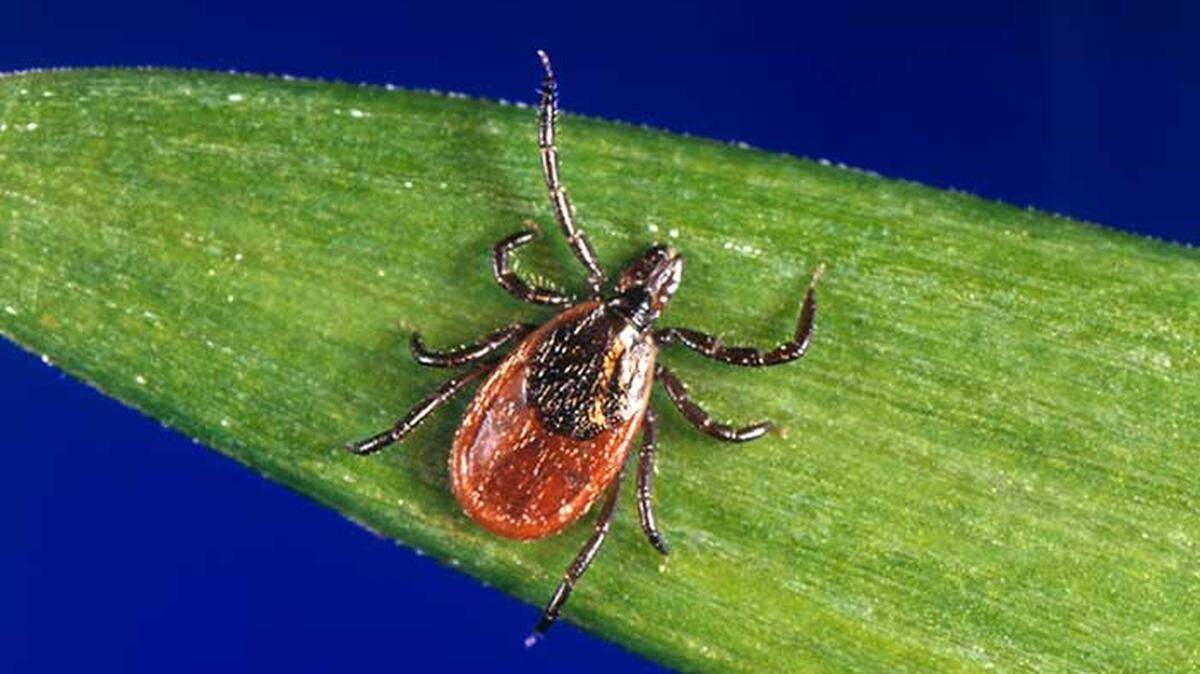
As we enter spring and start spending more time outdoors, many of us will also spend more time checking ourselves (and our pets) for ticks.
Ticks score bonus points on the fear chart for being bloodsuckers that can hide in the body’s many crevices, like behind ears or under armpits.
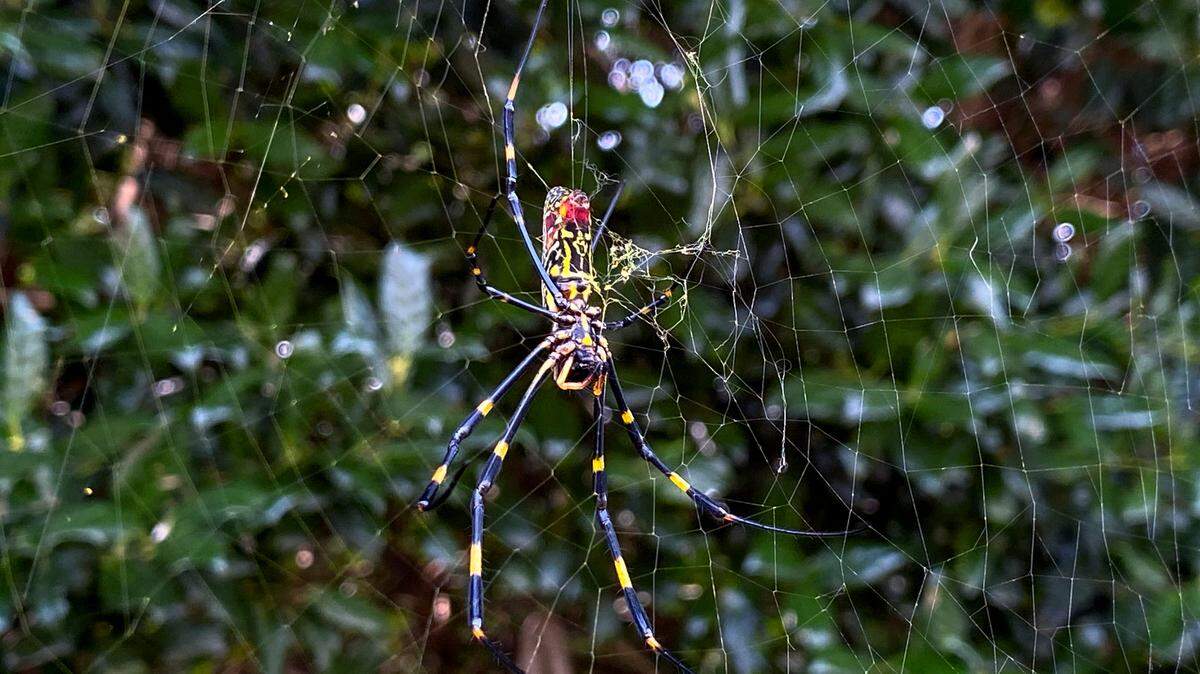
But unlike most spiders and other creepy-crawlies found in the woods, these eight-legged parasites pose real danger, even causing death in rare cases.
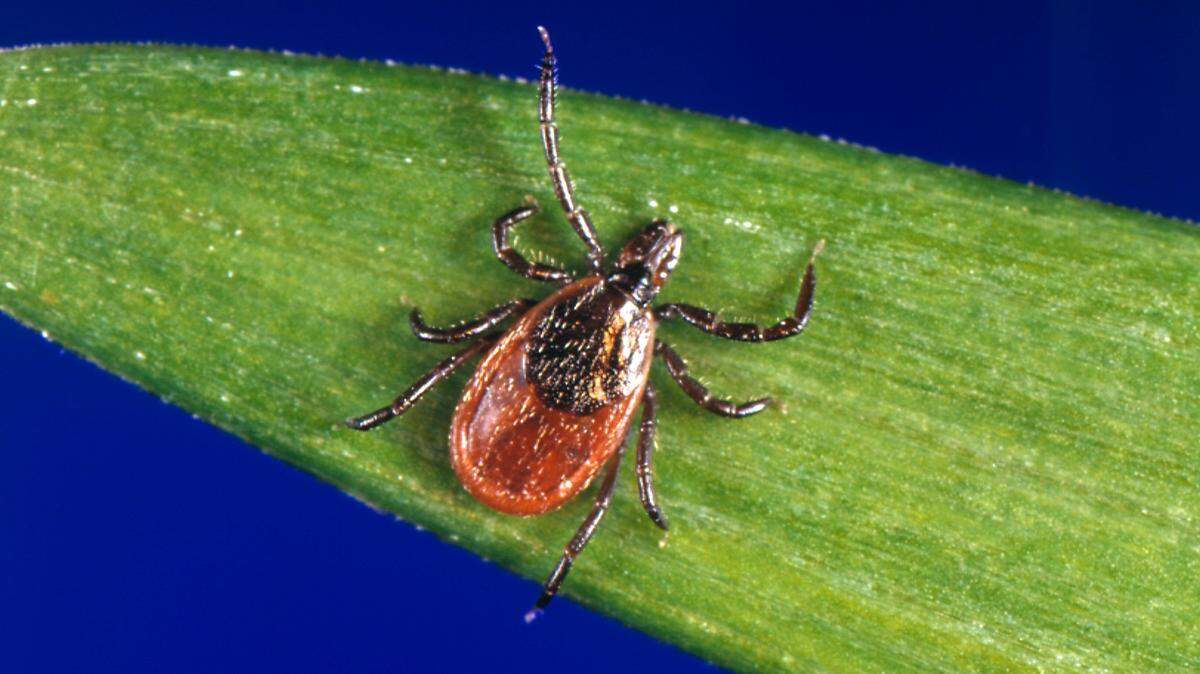
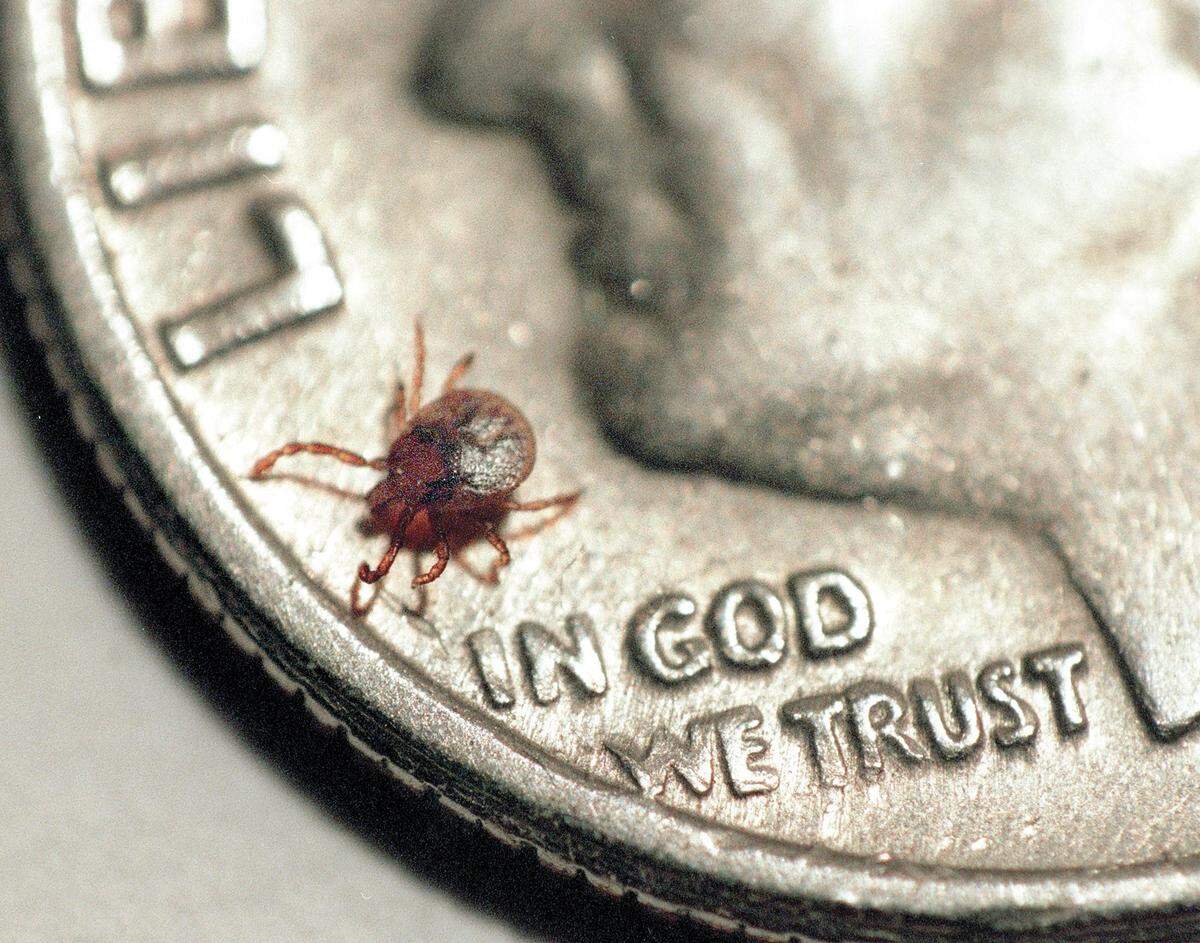
In North Carolina, according to NC State University, the most commonly found ticks are:
- The American Dog tick
- The Brown Dog tick
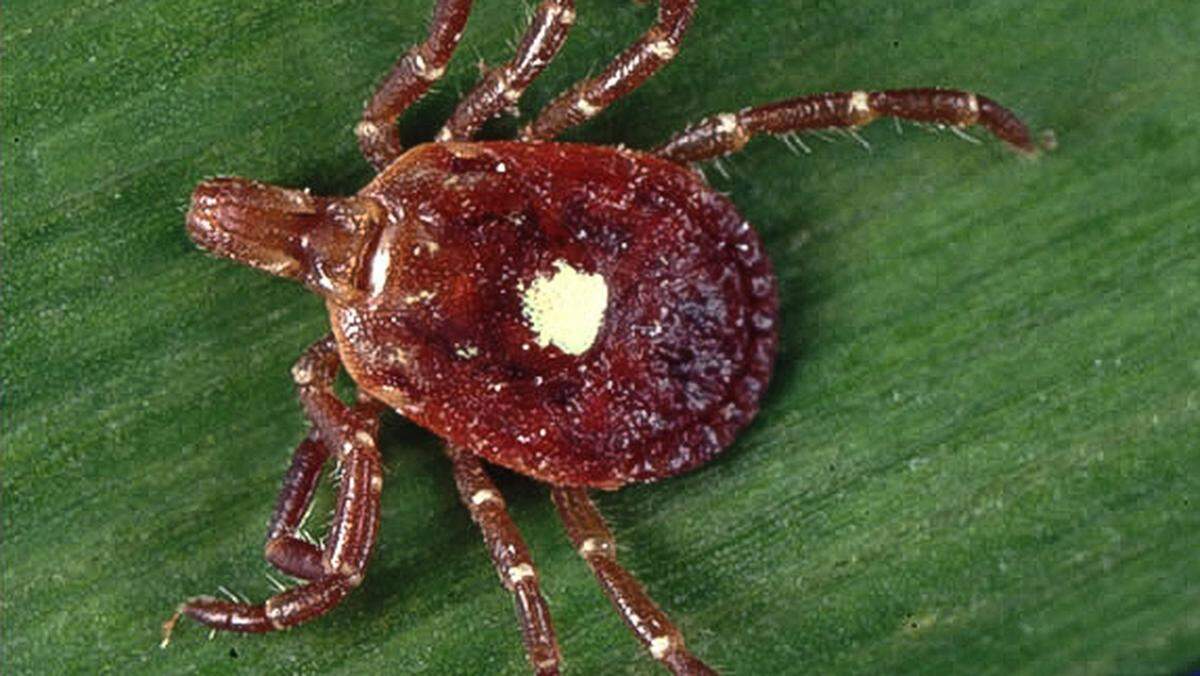
- The Lone Star tick
- The Black-legged tick (deer tick)
When it comes to this arachnid, knowledge is power. Knowing its habitat, performing tick checks and properly extracting the bloodsuckers is the best defense.
Here’s a tick primer.
Illnesses caused by NC ticks
▪ Diseases caused by the Rickettsia rickettsii bacteria group are called the Spotted Fever Group, or Spotted Fever Rickettsiosis (SFR). According to NCDHHS, SFR is the most common tick-borne illness reported in North Carolina.
▪ Rocky Mountain Spotted Fever is a potentially fatal illness caused by the Rickettsia rickettsii bacteria and transmitted to humans by the bite of an infected tick. Ticks that can carry the bacteria are the American dog tick (the most common carrier in NC), the brown dog tick, and the Rocky Mountain wood tick.
There’s another spotted fever-like illness caused by the bacteria Rickettsia parkeri. This illness is transmitted by the Gulf Coast tick, which is often confused with the American dog tick, because the two ticks look similar. The illness caused by this bacteria is less severe than RMSF and rarely fatal, says NCDHHS.
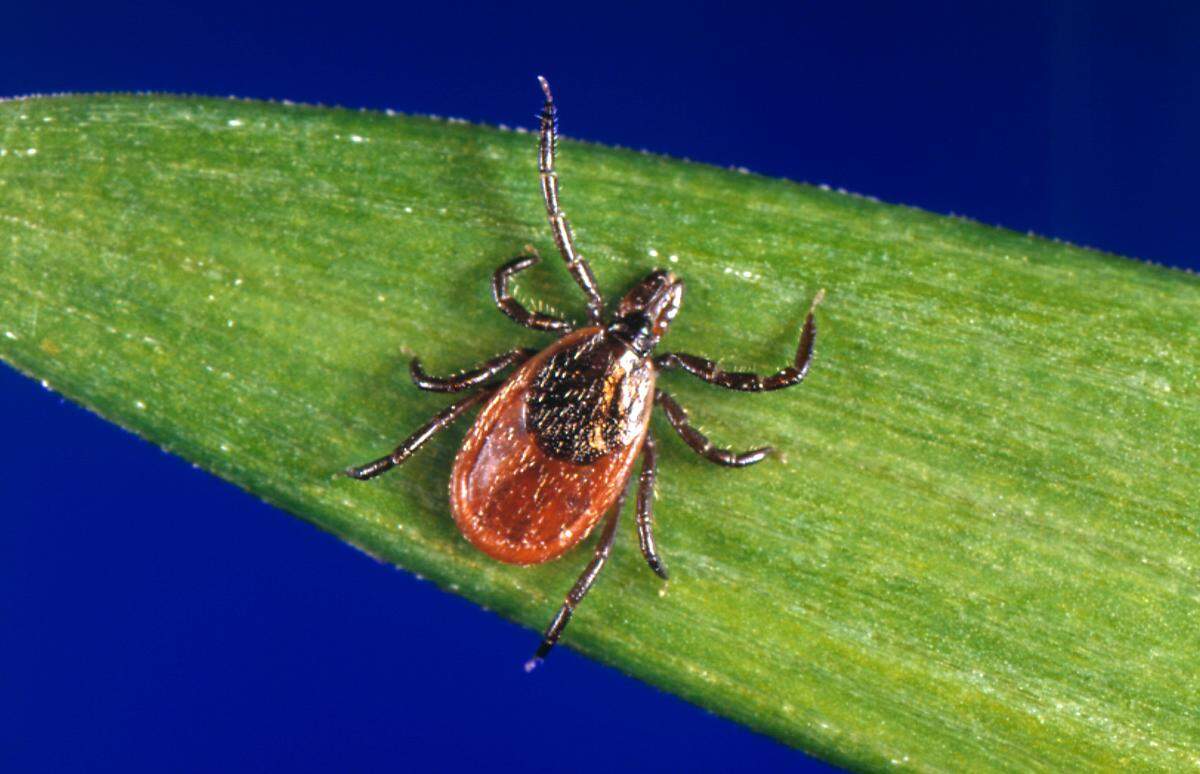
▪ Lyme disease is caused by the Borrelia burgdorferi bacterium and is transmitted to humans by the bite of an infected blacklegged tick (or deer tick), says NCDHHS. There have been documented cases in North Carolina.
Typical symptoms include fever, headache, fatigue, and a “bull’s eye”-shaped skin rash.
Most cases of Lyme disease can be treated successfully with a few weeks of antibiotics, says NCDHHS, but if left untreated, infection can spread to joints, heart and the nervous system.
▪ Ehrlichiosis is a general name to describe diseases caused by the bacteria known as Ehrlichia chaffeensis, which is usually spread to humans through the bites of infected ticks. This includes the Lone Star tick and the Black-legged tick, the CDC said.
Human granulocytic ehrlichiosis (HGE) represents an ehrlichial infection that humans can get, and it can be transmitted by the black-legged tick and the western black-legged tick, according to NC State Extension.
Symptoms of these diseases can include chills, nausea, headaches, fever, muscle aches and sometimes upset stomachs.
▪ STARI stands for “southern tick associated rash infection,” and you can get it from a Lone Star tick. STARI can present itself as a rash that looks similar to that of Lyme disease, but the disease is caused by a different organism, according to NC State Extension.
While this usually occurs on the coastal plain, it might also be found in the North Carolina Piedmont, NC State Extension said.
▪ The “alpha-gal allergy” has been tied to the Lone Star tick, NC State Extension said. With the “alpha-gal allergy,” a tick bite can result in developing an allergy to mammal meat, such as beef, lamb or pork. This can potentially be fatal, the CDC says.
Where are ticks found?
Ticks cover the entire Southeast, but the Piedmont’s most hostile variety is the Lone Star, a human-biter known for the white patch the female carries on her back, according to the Tick-Borne Infections Council of North Carolina, Inc.
Deer ticks thrive closer to the coast. But ticks travel along with dogs, birds and humans, so territory is tricky to define.
Infection can spring from a single bite, and many victims can’t recall being bitten.
Campers and hikers know to watch for ticks in the woods, but they also keep to tall grass and heavy brush, making gardeners and lawn-mowers a target. Ticks jump aboard animals, so just spending time with Rover increases the chance for contact.
For more information, visit tic-nc.org.
How to avoid tick bites
For most people, the advice of staying indoors, forgoing pets and wearing long pants year round isn’t practical.
Here’s the best prevention advice, from the Centers for Disease Control and Prevention:
▪ Use repellents, which should include an EPA registration number on the label to prove it has been tested.
▪ Steer clear of brushy, wooded areas with lots of leaves and high grass. That’s where ticks live. Walk in the center of trails.
▪ Perform a thorough tick check, especially these spots: under the arms, in and behind the ears, in hair, in the bellybutton, between the legs, around the waist and behind knees.
▪ Tumble-dry clothing for 10 minutes.
For more information, visit cdc.gov/ticks/avoid.
How to remove a tick, if bitten
The only way to remove a tick involves squeezing its head with a pair of tweezers, getting as close to the skin as possible. Pull the head slowly, flush the tick down the toilet, wash hands and disinfect the bite area.
“Avoid folklore remedies such as ‘painting’ the tick with nail polish or petroleum jelly, or using heat to make the tick detach from the skin. Your goal is to remove the tick as quickly as possible – not waiting for it to detach,” the CDC says.
Watch for symptoms over the next 30 days, including fevers, rashes, tiredness, headaches, nausea, vomiting and muscle aches.
For more information about ticks, visit cdc.gov/ticks.
This story was originally published March 16, 2022 at 2:59 PM with the headline "Ticks pose a serious danger in North Carolina. What to know.."