How high housing costs and soaring rents combine to hinder home ownership in NC
READ MORE
Rising home prices, rising rents
Soaring rents versus unaffordable housing costs — in the Triangle, it’s an increasingly urgent dilemma, especially for lower-income buyers. With the median home price in Wake County now around $350,000, here’s how rising prices affect the rental market, plus some solutions for the future. This is The News & Observer’s special report on housing costs.
Expand All
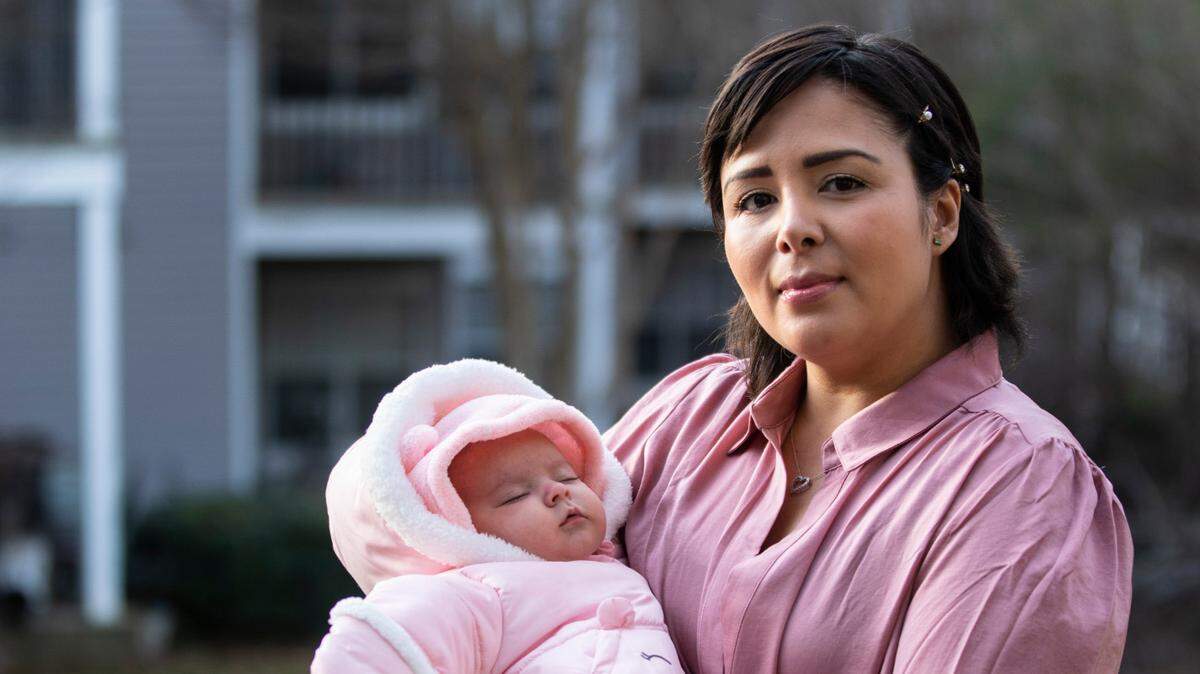
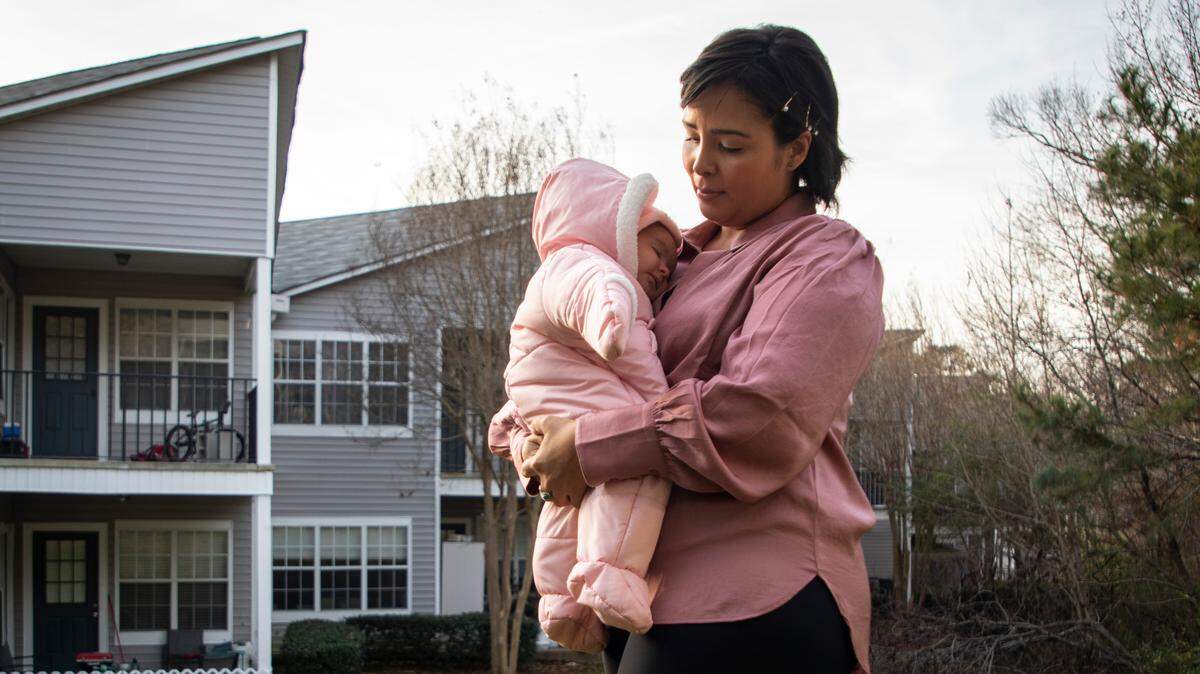
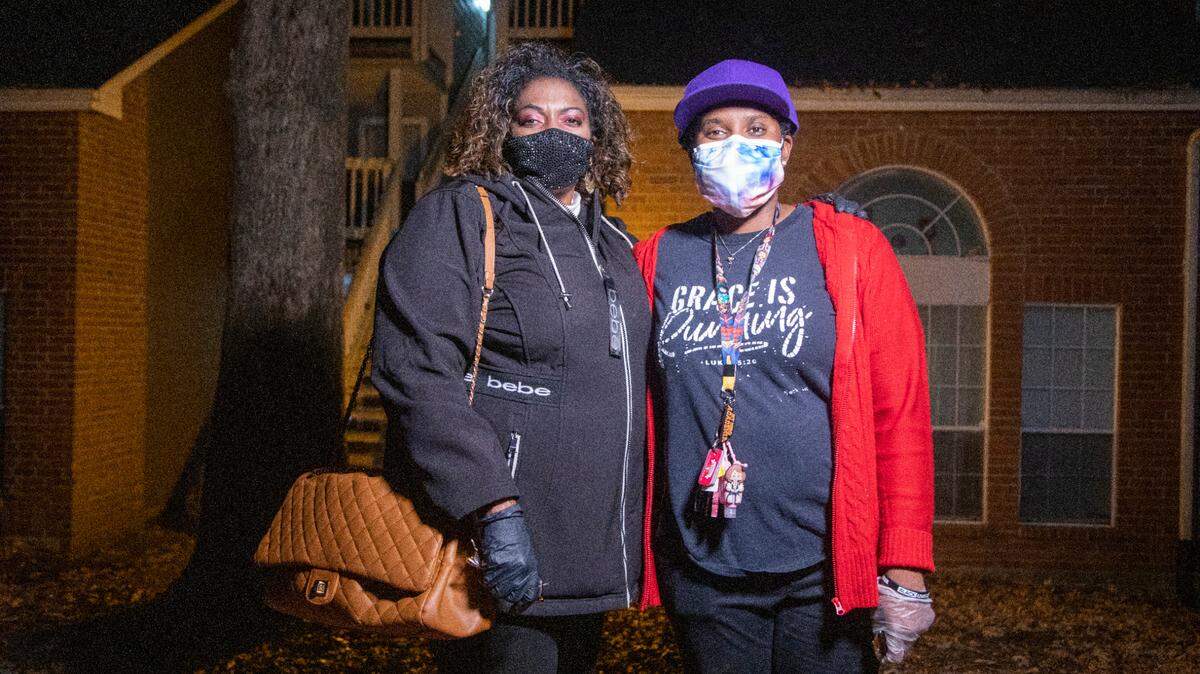
Erika White has a lot on her plate.
White, 35, is a single mother who stays at home to care for her newborn child. She relies on $2,500 in alimony a month to make ends meet. There is one thing above all others that causes her financial stress.
Her rent.
White pays $1,400 a month — over half her income — for her two-bedroom apartment in Cary.
“There isn’t really much of an option around here,” White said. “I’m paying quite high rent.”
She wants to buy a house, but that’s not really an option either.
“There isn’t anything going for less than $400,000,” she said.
White is far from alone. Rapidly rising prices have put many homes beyond the reach of low- and moderate-income families. That and rapidly growing population have increased the demand for apartments, driving up the region’s average rents.
And paying higher rent makes it harder to scrape together the capital to buy a home.
Roberto Quercia, a professor at UNC-Chapel Hill who studies low-income homeownership, said it can take a long time for low-income families to buy a home when rent stays high.
“They need to remain renters,” Quercia said, “paying even a higher amount of money for rent, that makes the likelihood of saving for the down payment to buy a new home less likely.”
Soaring rents versus unaffordable housing — in the Triangle, it’s an increasingly urgent dilemma.
Price increases started prior to pandemic
Dating back to before the pandemic, the sale price of a typical house in the Triangle has soared.
As of November, the median sales price in Wake, Durham, Orange and Johnston counties was $369,000, up 21% from a year ago, according to Triangle Multiple Listing Services.
Before the COVID-19 pandemic in November 2019, it was $279,900. A year before that it was $269,900.
Rents have mirrored those increases. As of the third quarter of 2021, the average monthly rent in the Triangle was just under $1,230, according to the commercial real estate firm Avison Young.
Before the pandemic, Q3 2019, the average was $1,087.
It was $933 in Q3 2016.
And demand is high as well. As of Q2 2021, the latest data available, nearly 96% of rental units in the Triangle are occupied. That contributes to rising rent.
The current prices and the shortage of options are also creating challenges for people who have two incomes and a solid housing budget.
Laney Light and her husband relocated to North Carolina from Atlanta for work this past summer and hoped to buy a home in the area. But even with a budget up to $450,000 and a household income of $120,000, the house hunting trip came up short.
“We put in offers on five different houses — and offered over asking price — and got outbid every single time,” Light, 38, said.
The Lights had to settle for an apartment in Apex but Light said the cost of houses affected their rental search as well.
“I feel lucky that we found a good place to rent,” she said. “We noticed when we were looking for places to rent that the issues with the housing market were definitely spilling over into the rental market. There were issues with not having very many places available. We would go and talk to people in the leasing offices, and they would say that people were just renting places as soon as they came on the market, sometimes sight unseen.”
The Lights are paying $1,700 in rent a month for a three-bedroom unit. Laney said it doesn’t meet their desires. She’s worried they’ll have to settle for a house that won’t either.
“I’m confident we’ll find something. I’m just not sure if it’ll be exactly what we’re looking for,” Light said.
Homeownership builds wealth
While rising home values take a toll on renters’ ability to buy, it does build wealth for current homeowners, equity that can be passed down to children or used to buy another house.
Samuel Gunter, executive director at the N.C. Housing Coalition, said this wealth-building tool has existed for decades.
“Home ownership is the primary way that low- and moderate-income families have developed wealth over last 75-plus years of U.S. history,” Gunter said.
He also said that, as a general rule, once someone secures a mortgage, their monthly payment is typically lower than their rent.
The issue for renters is building the capital to buy a home, which requires upfront cash for down payments, closing costs, and other expenses.
“It’s expensive to be poor in this country,” Gunter said. “To get less expensive things, high quality, it requires money upfront. It requires good credit. Those are the things that aren’t available when you are pinching pennies.”
There are programs that assist with a down payment, such as the City of Raleigh’s homebuyer assistance program or the N.C. Housing Finance Agency’s program for first-time homebuyers. But Gunter said these types of programs are limited.
“We see that down payment assistance programs are incredibly effective and helpful to getting folks into homeownership. There’s just not that many of them,” Gunter said.
The cost burden of rent
And along with rising rents, tenant households are more likely to be lower-income compared to homeowners.
For homeowners in Wake, the median household income is $104,586, according to the U.S. Census Bureau’s five-year American Community Survey from 2019. For renters, it’s less than half of that — $49,439. The same holds true across the Triangle counties.
In Durham County, the median income among homeowners is $89,230. For renters, it’s $39,780.
In Orange County, the median incomes are $103,057 for homeowners and $40,784 among renters. In Johnston County, the numbers are $70,925 and $34,136.
According to most experts, a home is considered affordable when 30% or less of household income goes to housing costs.
In Wake County, 17% of homeowners spend more than 30% of their income on housing. In Durham and Orange counties, it’s 19%. And in Johnston, it’s 20%, according to N.C. Housing Coalition’s latest county-level housing need report from 2021.
Renters have a much higher cost burden.
In Wake County, 42% of renters spend more than 30% of their income on housing. In Durham County, 46% do. In Orange, it’s 48% and in Johnston, 44%.
“That basic math problem,” Gunter said. “You’ve got two variables. How much does your housing cost? How much money do you make? And you can move either or both of those to change the affordability equation.”
This story was originally published January 5, 2022 at 6:00 AM with the headline "How high housing costs and soaring rents combine to hinder home ownership in NC."