Grocery chain with big NC presence overcharged, report finds. What we know
In the chaos of a grocery store run, shoppers may not realize that they have paid too much for an item on their list.
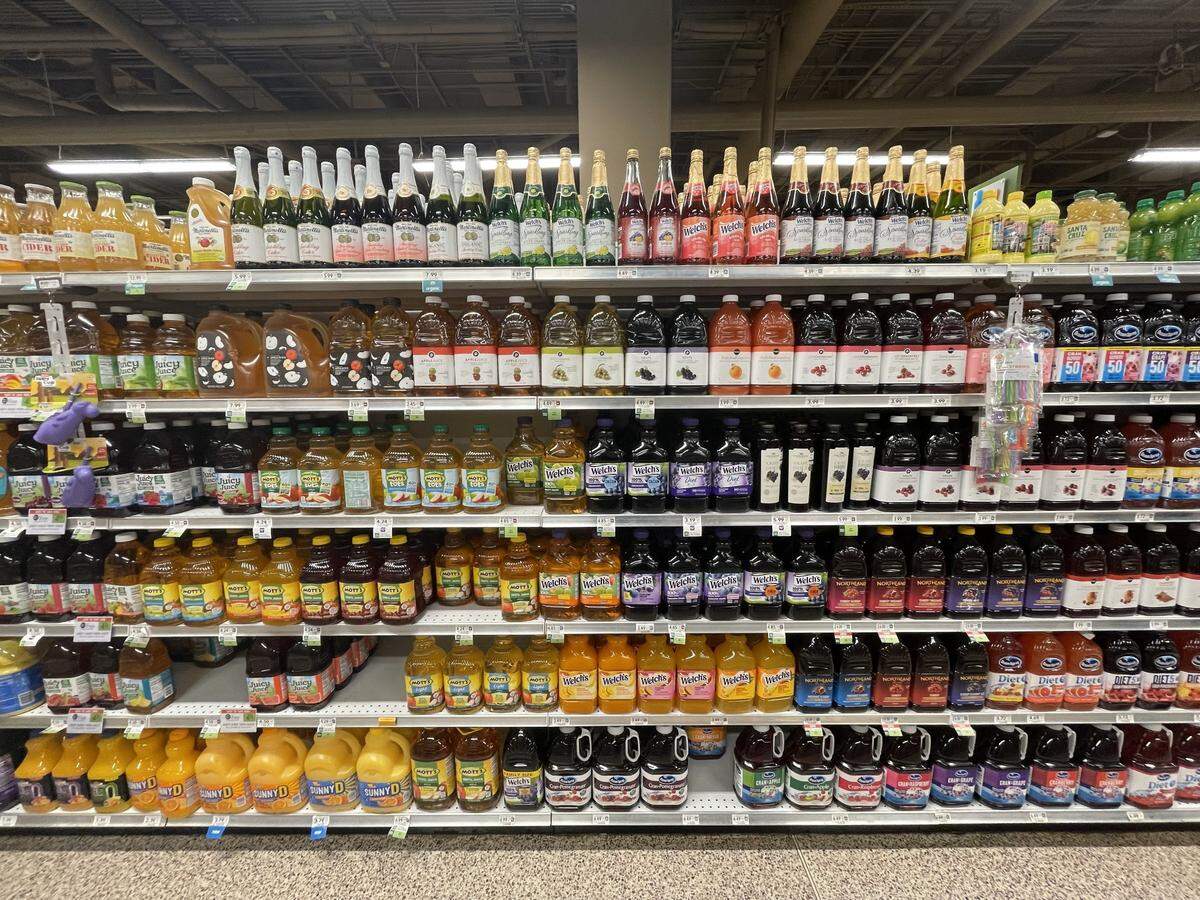
Sometimes stores have price-scanning errors, when the price advertised on shelves is not what a customer ends up paying at checkout.
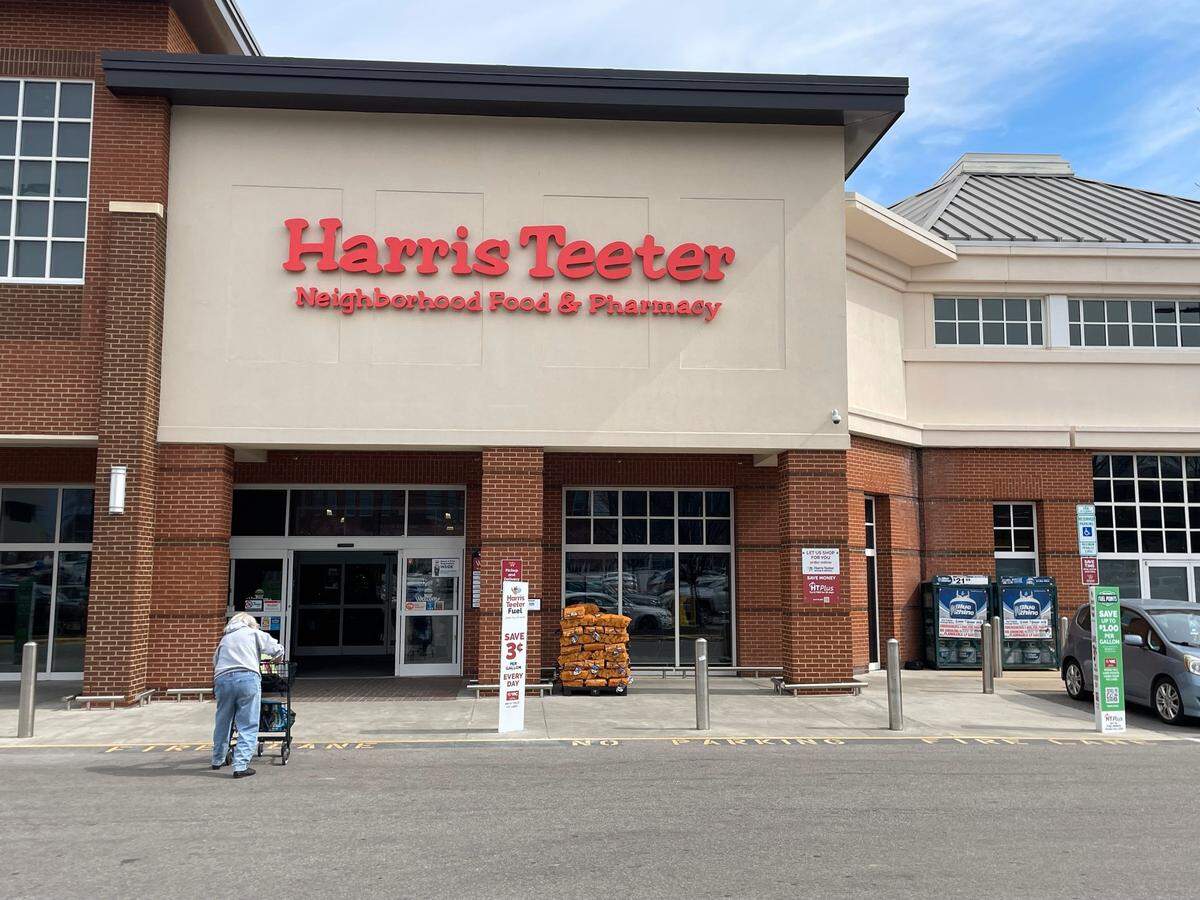
A recent investigation from Consumer Reports, The Guardian and the Food & Environment Reporting Network looked into price tag errors at Kroger and Kroger-owned stores, including Harris Teeter.
Shoppers visited 26 Kroger, Harris Teeter, Fred Meyer, Fry’s and Ralphs locations in 14 states and the District of Columbia in March, April and May. In their on-the-ground research, shoppers found expired price labels that led to overcharges on more than 150 grocery items.
“The Consumer Reports allegations boil down to misinformation, reviewing a handful of discrete issues from billions of daily transactions,” a Kroger spokesperson said in a statement emailed to The News & Observer. “It in no way reflects the seriousness with which we take our transparent and affordable pricing.”
Kroger also said that it reviews millions of items weekly to make sure its shelf prices are accurate.
Consumer Reports did not specifically say in its report that any of the 26 stores visited were in North Carolina. However, a shopper who visited a Harris Teeter in Virginia was charged $3.49 at the register for a package of Mission tortillas with a shelf price of $2.99. The price label on the shelf expired more than two weeks before the purchase date.
Harris Teeter is one of the top grocery stores in the Triangle and in the Charlotte area by market share, The N&O previously reported.
NC agency checks for price-scanning errors
Inspectors at the N.C. Department of Agriculture & Consumer Services’ Standards Division conduct periodic, unannounced inspections of price-scanner systems in businesses including grocery, convenience and other retail stores to check for accuracy between the advertised prices and the prices that ring up at the register.
If inspectors find that a store has more than a 2% error rate on overcharges, inspectors discuss the findings with a store manager and come back for a more intensive follow-up inspection. If the store fails a follow-up inspection, penalties are assessed, and a store is subject to additional inspections every 60 days until it meets the 2% or less error rate.
For example, in the last quarter of 2024, an Advance Auto Parts in Raleigh paid more than $1,000 in fines after failing two inspections earlier in the year. The store later passed an inspection in May 2024, The News & Observer previously reported.
But the Standards Division has levied much heavier fines for repeat offenders. A Family Dollar in Union County paid $15,000 in the fourth quarter of 2024 for three failed inspections, and the location previously paid fines in 2023 and early 2024 for failed inspections.
According to news releases from the Standards Division, Harris Teeter was not fined for any price-scanning errors in 2024 or 2023.
What to do if you’re overcharged at an NC store
If you find a scanner error, you can file a complaint by calling the N.C. Department of Agriculture & Consumer Services’ Standards Division at 984-236-4750.
Customers should also check their receipts and notify store managers if they find an error, Agriculture Commissioner Steve Troxler said in a news release.
Kroger said its “Make It Right” policy “ensures associates can create a customer experience and addresses any situation when we unintentionally fall short of a customer’s expectations.” On its website, Kroger says customers may also request price adjustments by calling 1-800-KROGERS (1-800-576-4377) or by using the online chat at kroger.com.
At Publix, if a customer finds that the scanned price of an item exceeds the advertised or shelf price, the grocer will give the customer one of that item free, and will charge the lower price for the remaining items, media relations manager Jared Glover told The N&O in an email.
For example, if a customer buying a gallon of milk finds that the price at the register is higher than the price marked on the shelf label, the customer will get that gallon of milk free. If the same situation happens but the customer is buying two gallons of milk, one gallon will be free, and the customer will pay the lower price — the shelf price — for the other gallon.
Food Lion has a similar policy: If the price of an item charged or displayed at checkout is higher than the item’s price on the shelf tag or sign, the customer receives one of the item free, and any additional of the same item will be charged the price on the shelf tag or sign. If returning to the store after a purchase has been completed, make sure you bring your receipt for a refund. In that case, customers will receive items for the price displayed on the shelf tag or sign.
This story was originally published May 21, 2025 at 11:10 AM with the headline "Grocery chain with big NC presence overcharged, report finds. What we know."