This Triangle store was fined for price-scanning errors & overcharging customers
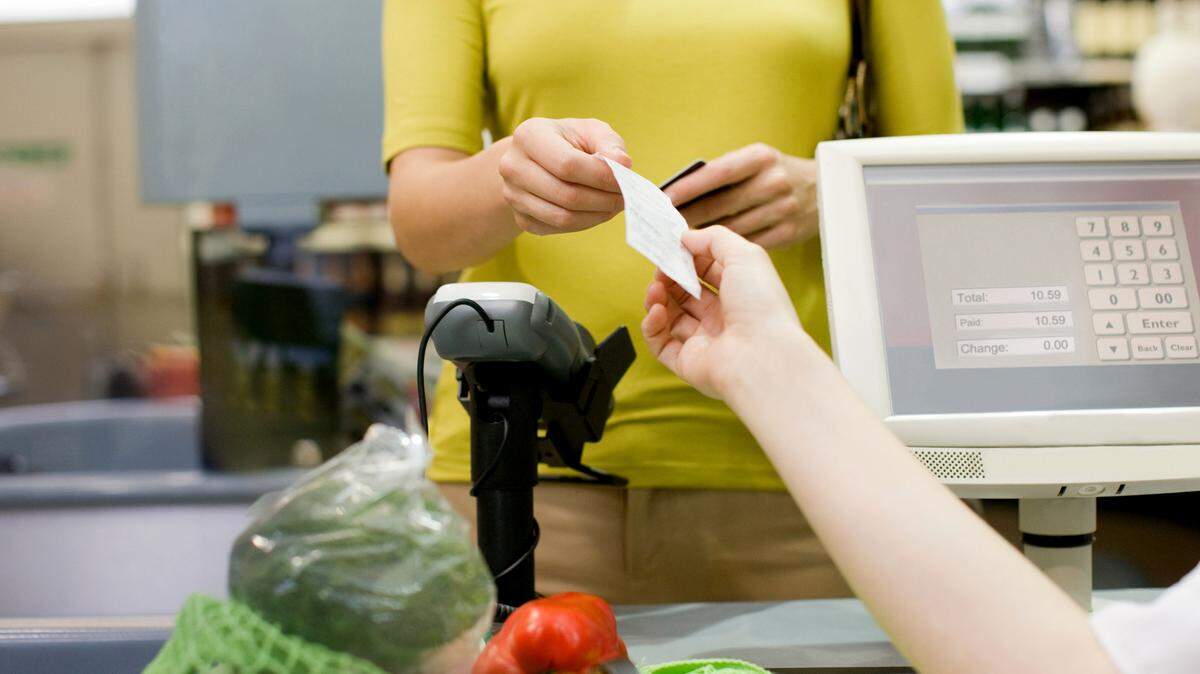
A Raleigh auto parts store was fined after state inspectors found, on two occasions, that charges recorded at the register were higher than advertised prices.
Advance Auto Parts at 7201 Glenwood Ave. paid $1,005 late last year after it failed two inspections by the N.C. Department of Agriculture and Consumer Services’ Standards Division in January and March 2024.
“Our inspectors continue to find errors among price scanners at stores in the state, and consumers should be mindful,” agriculture commissioner Steve Troxler said in a news release. “Take time to check your receipts and notify store managers if you find an error.”
Advance Auto Parts fined for price-scanning errors
- In January 2024, an inspector found a 30% error rate for 15 overcharges in a 50-item lot at the Glenwood Avenue store.
- An inspector found an 8.33% error rate for 25 overcharges on a 300-item lot during a follow-up inspection in March.
- The store passed inspection in May.
Another Advance Auto Parts location, in Laurinburg in Scotland County, was also fined for price-scanning errors last year.
Which other NC stores were fined for price-scanning errors during Q4 2024?
Fourteen stores in 12 counties were fined in the last quarter of 2024.
The lowest fine ($420) was paid by Advance Auto Parts in Scotland County. The highest fine ($15,000) paid was by a Family Dollar in Indian Trail in Union County.
How do the inspections and fines work?
Of the more than 40 inspectors at the North Carolina Department of Agriculture and Consumer Services’ Standards Division, about 20 of them conduct price-scanning checks at retail stores across the state, Chad Parker, the manager for NCDA&CS’ Measurement Division, previously told The News & Observer.
Grocery stores, auto parts stores, dollar stores, convenience stores and other retailers are among the businesses that inspectors visit.
They try to inspect every grocery store location at least once each year, but many inspections are complaint-driven. Parker said the inspectors work to inspect a site within 24 hours of a customer submitting a complaint. (Complaints about scanner errors may be reported to the Standards Division at 984-236-4750.)
How inspections work:
- Inspectors make unannounced visits to stores to check whether the prices advertised are the prices that customers pay at the register.
- If the inspectors find that a store has more than a 2% error rate, they discuss the issue with the store manager and return later to do a more intensive follow up.
- If a store fails the follow-up inspection, the store is fined.
- Stores must pay the fines and undergo an inspection every 60 days until inspectors find an error rate of 2% or less.
- If a store fails a reinspection, additional penalties may be issued.
This story was originally published February 10, 2025 at 10:56 AM with the headline "This Triangle store was fined for price-scanning errors & overcharging customers."