How will Trump’s tariffs impact buyers in NC? Here’s what could get more expensive
President Donald Trump’s tariffs on Canada, Mexico and China could put a dent in your wallet.
A tariff is a tax applied by governments on imported goods, according to the International Trade Administration.
According to Trump’s executive orders, the primary reason for the tariffs against Mexico, Canada and China is to stop the flow of fentanyl and curb immigration into the U.S.
Under Trump’s executive orders, most imports from Canada and Mexico will face a 25% tariff, while goods from Chinese and Canadian energy resources will be subject to a 10% tariff.
The 10% tariff on Chinese goods took effect on Tuesday, Feb. 4, while Trump postponed those on Canada and Mexico for at least 30 days after both countries agreed to enhance cooperation with the U.S. on border security.

How will tariffs affect NC residents?
While the tax is levied on the importer, it’s often the consumers who end up paying for the tax, said Robert Handfield, a distinguished professor of supply chain management at North Carolina State University.
“Essentially, it doesn’t come out of the company’s margins,” Handfield told The News & Observer in a phone interview. “They just simply tack it on to their price, and add the tariff onto their price, so the consumer ends up paying for that tariff.”
Even if a company can find alternative sources for goods, including domestic sources, or absorb costs in some other way, costs are still generally passed onto consumers, Handfield said.
For example, when the U.S. placed tariffs on China in 2018, U.S. consumers ended up paying more for those items, Andrew Greenland, an assistant professor of economics at N.C. State, told The N&O.
When the tariffs expired, prices for the taxed items fell, according to Felix Tintelnot, an economics professor at Duke University.
“In practice, for the foreign country to actually end up eating the costs of these tariffs, they can’t have other options,” Greenland said. “They can’t have anybody else to sell to.”
If the tariffs stay in place for a long time, it could lead to a “negative trifecta,” said Mike Walden, a distinguished professor and extension economist with NC State: higher prices, higher unemployment and slower economic growth.
Which goods may become more expensive for NC residents?
Since North Carolina buys around $7 billion in products from China annually, the prices of goods like cell phones, computers, toys and lithium batteries will likely increase, Walden said.
Tariffs on Mexico could lead to more costly fruits and vegetables, Walden said, also pointing out that automobile prices could increase since the country has emerged as a leading vehicle manufacturer.
“There’s a very tight integration between the United States, Canada and Mexico for automotive,” Handfield said. “Automotive parts go back and forth between all three borders because they’re very tightly integrated, so tariffs would really cause the automotive manufactured parts to go up, particularly for smaller cars — a lot of those are produced in Mexico.”
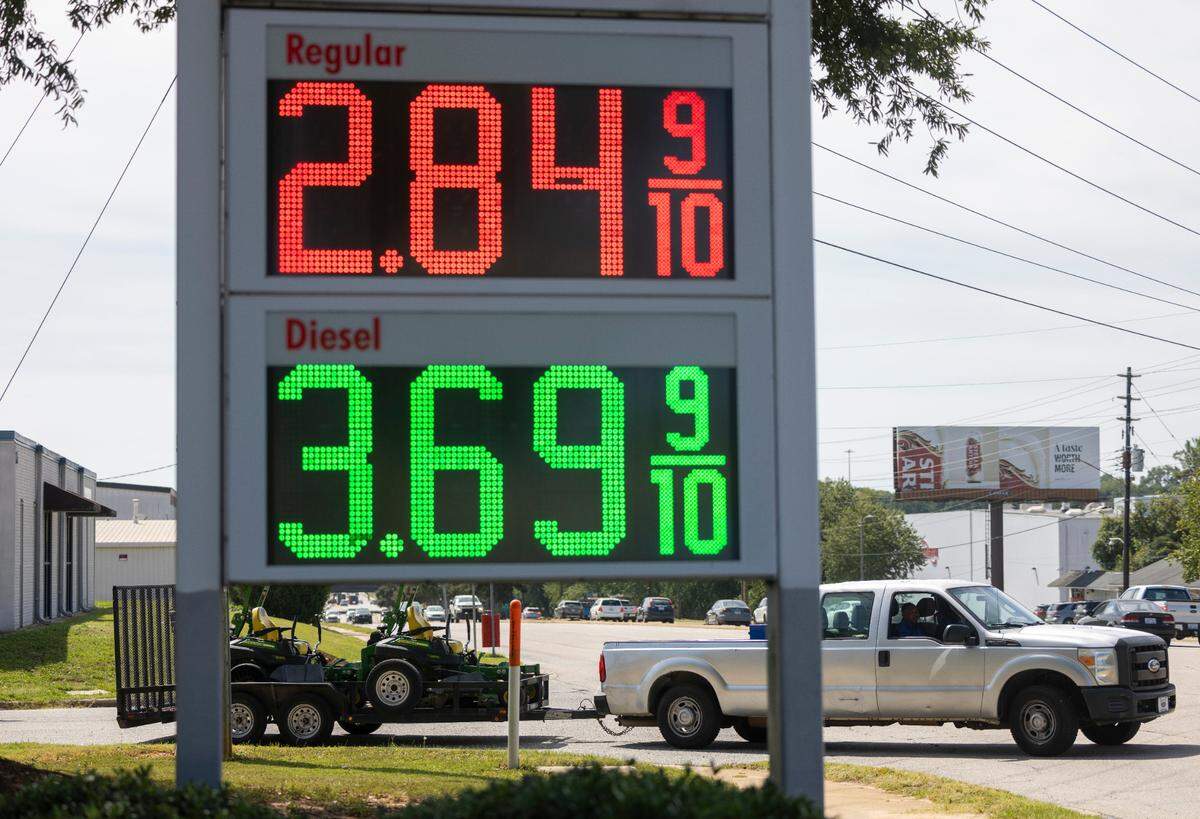
President Trump imposing tariffs on Canada could result in higher lumber and gas prices for North Carolina residents, Walden and Handfield said.
“We buy a heck of a lot of oil from Canada. It’s called heavy oil, and our refineries are geared to deal with that heavy oil,” Walden said. “That’s not something you can switch on and off easily.”
How much will prices increase for NC residents?
Price increases from tariffs depend on the product and how much cost the manufacturer passes onto the consumer, John Connaughton, an economics professor at UNC Charlotte, told The Charlotte Observer.
While you might see a slightly higher bill after pumping gas or getting your weekly groceries, Connaughton said, you would see a more noticeable price hike for larger purchases you wouldn’t buy every day, like appliances and cell phones.
“If consumers can switch [sellers] easily, then they can make the seller eat some of the cost of the tariff. But if sellers can switch easily to different buyers, they can make consumers take it,” Greenland said. “And it’s really those two things at play that tell you, for any one of these goods, how much these prices are going to go up.”
Prices for certain grocery items have already been increasing. The cost of eggs and dairy products, for instance, have been on the rise as bird flu spreads.
When could NC residents see price increases?
Opinions about when consumers may see price increases are varied.
Walden said price hikes could occur “very quickly,” likely within a week from when the tariffs went into effect. But Greenland said that prices could rise sooner, because anticipatory responses to tariffs have been documented.
Handfield pointed out that some companies have stocked up on inventory as a buffer against anticipated increased prices.
This story was originally published February 5, 2025 at 4:33 PM with the headline "How will Trump’s tariffs impact buyers in NC? Here’s what could get more expensive."