Are eggs & poultry products safe to eat amid spread of bird flu? Plus, impact on prices
The humble egg, one of nature’s perfect foods, a self-packaged, relatively inexpensive source of protein that can serve as a lowly hangover remedy or help a souffle rise to heavenly heights, is also a great teacher.
It’s helping Americans understand how a free-market economy works: When demand is high and supply is low, prices rise.
Since 2022, egg prices, along with those for chicken and turkey, have increased mostly as a result of avian flu outbreaks in U.S. flocks.
Economists say egg prices in particular are expected to rise even higher in 2025. Here’s why.
What is avian flu?
Avian or bird flu is a respiratory disease that spreads between birds and can be contracted by cattle and other animals, including humans.
Wild birds such as ducks and seagulls may show no signs of illness but can spread the virus, the U.S. Department of Agriculture says.
The current outbreak, which started in February 2022, is an illness called Highly Pathogenic Avian Influenza A, or H5N1. This is not the first outbreak of H5N1 virus the United States has seen, but it’s the most severe.
As of Monday, Jan. 27, the Centers for Disease Control and Prevention says more than 136 million commercial and backyard birds have been affected, and the disease has been found in every U.S. state.
So far, outbreaks have been confirmed in 11 counties in North Carolina, including Wake, Durham and Johnston.
The virus has been a major concern for North Carolina, which ranked first in the nation in poultry and egg cash receipts in 2023 and is the second-largest turkey producing state, according to the N.C. Department of Agriculture and Consumer Services.
How does avian flu spread?
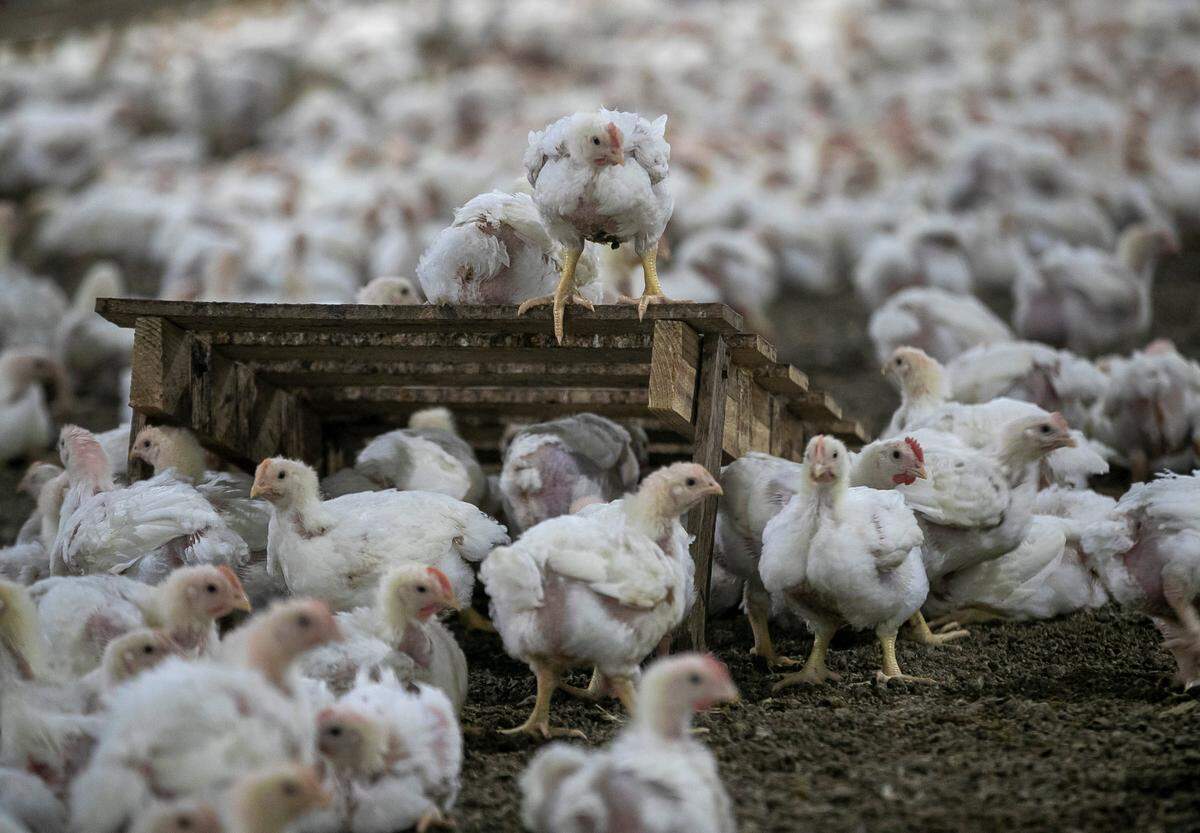
The virus can spread from one animal to another through direct contact or contact with an infected animal’s body fluids, respiratory droplets or feces.
Are eggs and poultry safe to eat?
Cooking eggs, poultry and other meat to appropriate temperatures prevents kills bacteria and viruses, including H5N1, the CDC says. Pasteurization kills the virus in milk.
When cooking, use a food thermometer to ensure safe temperatures, the CDC says.
How does avian flu affect animals?
The virus infects the respiratory and gastrointestinal tracts of birds. It can spread quickly through a flock, killing large numbers of birds.
There have been some infections of people, usually those with close or prolonged, unprotected contact with sick or dead poultry or other infected animals. In humans, the virus can cause mild upper-respiratory symptoms and conjunctivitis, or more severe illness such as pneumonia and organ failure that can lead to death.
As of Jan. 27, the CDC says there have been 67 confirmed human cases of avian flu since the outbreak started in 2022, and one death. The fatality was a person in Louisiana who was over 65 who was reported to have had underlying health conditions and likely was exposed through a combination of a non-commercial backyard flock and wild birds.
So far, N.C. has had no reported cases of human infection of H5N1 in the current outbreak.
How does H5N1 increase the price of eggs and poultry?
If the virus is detected in a flock, the entire flock must be euthanized and the farm disinfected. That can take thousands of birds out of the supply chain at once.
The USDA and the states have been working with poultry producers to reduce birds’ exposure to the virus and limit its spread.
In poultry production, about two weeks before the birds are sent from farms to processing plants, samples are taken from the birds and tested at the state laboratory to make sure they are not infected, Robert Ford, the executive director of the North Carolina Poultry Federation, told The News & Observer over the phone.
“We don’t want to send any sick birds to the processing plant, so we’ve got really a good system of guarding against it getting out into the public,” Ford said.
Weather events, such as winter storms, can affect the supply chain, too. If roads are snowy or icy, trucks carrying poultry feed or live birds may be delayed, Ford said. But through an executive order, the governor can temporarily waive the maximum number of hours for drivers transporting certain goods deemed essential, including feed, poultry and livestock.
“It’s pretty hard to slow us down,” Ford said.
How much have prices gone up?
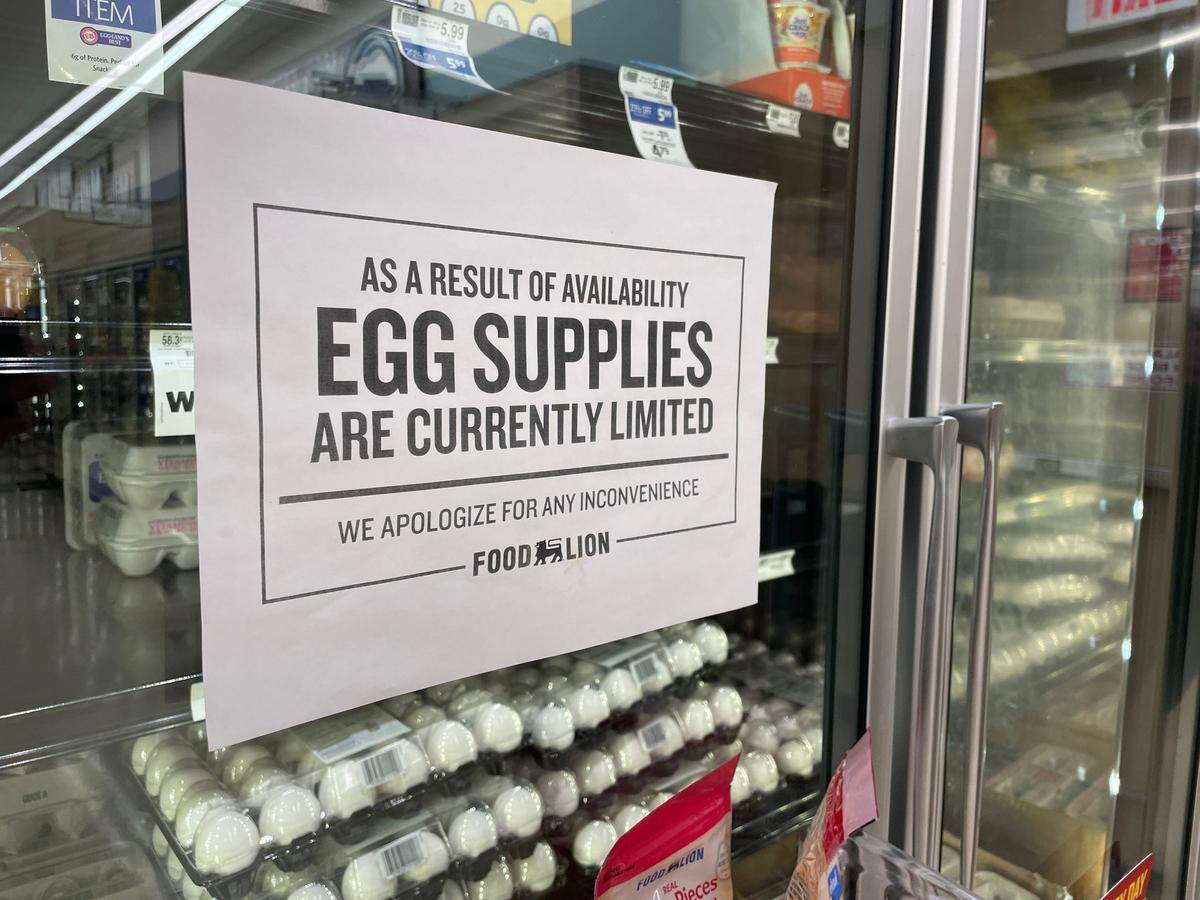
According to agweb.com, the average cost of a dozen Grade A large eggs was $4.15 in the U.S. in December 2024, up from $3.65 in November 2024 and $2.15 in January 2014.
As of Monday, Jan. 27, these grocery store websites showed the following prices for that same carton of eggs:
▪ Walmart: $4.17
▪ Lowes Foods: $4.59
▪ Wegmans: $4.69
▪ Harris Teeter: $4.89
▪ Food Lion: $4.99
The USDA predicts that egg prices will increase a total of 45.2% in 2025.
The government says H5N1 isn’t the only reason for rising prices on eggs, poultry and other products. It cites other factors including the war in Ukraine, which has compounded other economy-wide inflationary pressures such as high energy costs.
Will chicken prices also increase?
While chicken and poultry prices have increased at times when the virus spiked, the virus hasn’t had as noticeable an effect on the meat portion of the industry as on the egg-laying side.
One reason is that when a flock of egg-layers has to be destroyed, it can create a temporary shortage of eggs. Each hen lays about an egg per day, and it takes about 20 weeks for a new flock of hens to reach egg-laying stage.
This story was originally published January 28, 2025 at 7:00 AM with the headline "Are eggs & poultry products safe to eat amid spread of bird flu? Plus, impact on prices."