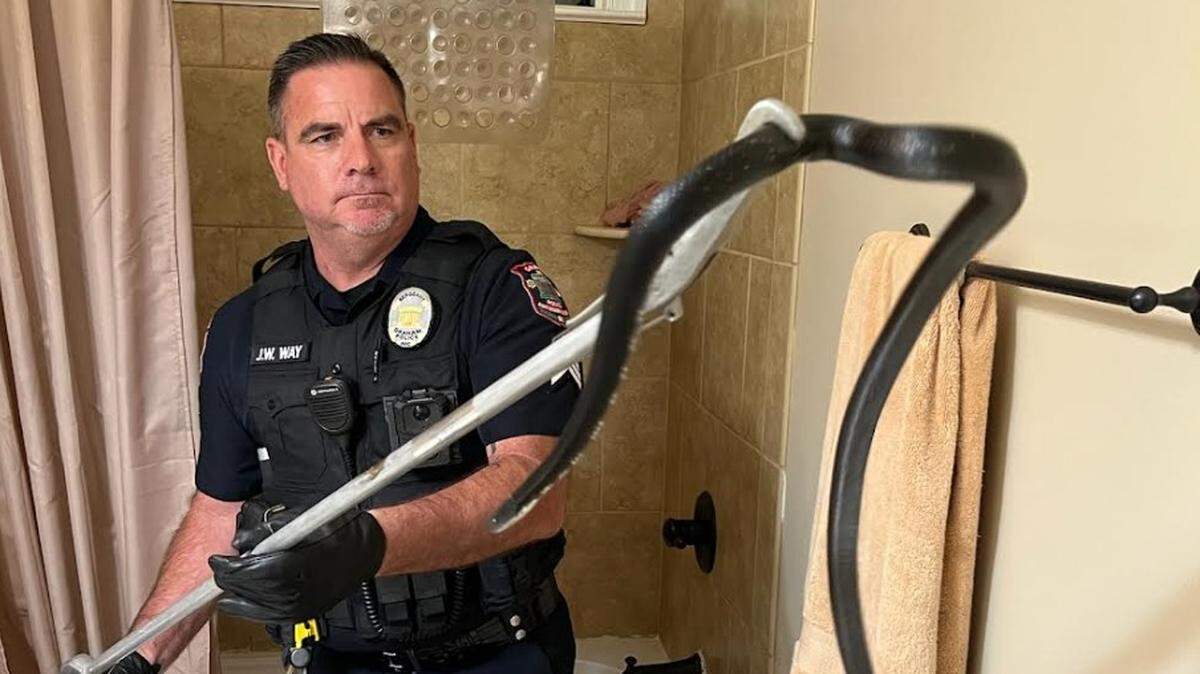
Where do copperhead snakes go when the weather turns cool in NC? We asked the experts
READ MORE
Copperheads and other Venomous Snakes in NC
Everything to know about copperhead snakes and other venomous snakes — how to identify them, how to avoid them, what to do if you (or your pet) are bitten, and more.
Expand All
Fall’s chill is gently rolling in, and some of us are recovering our scarves and coats from storage.
As the jackets come out, are the snakes staying in?
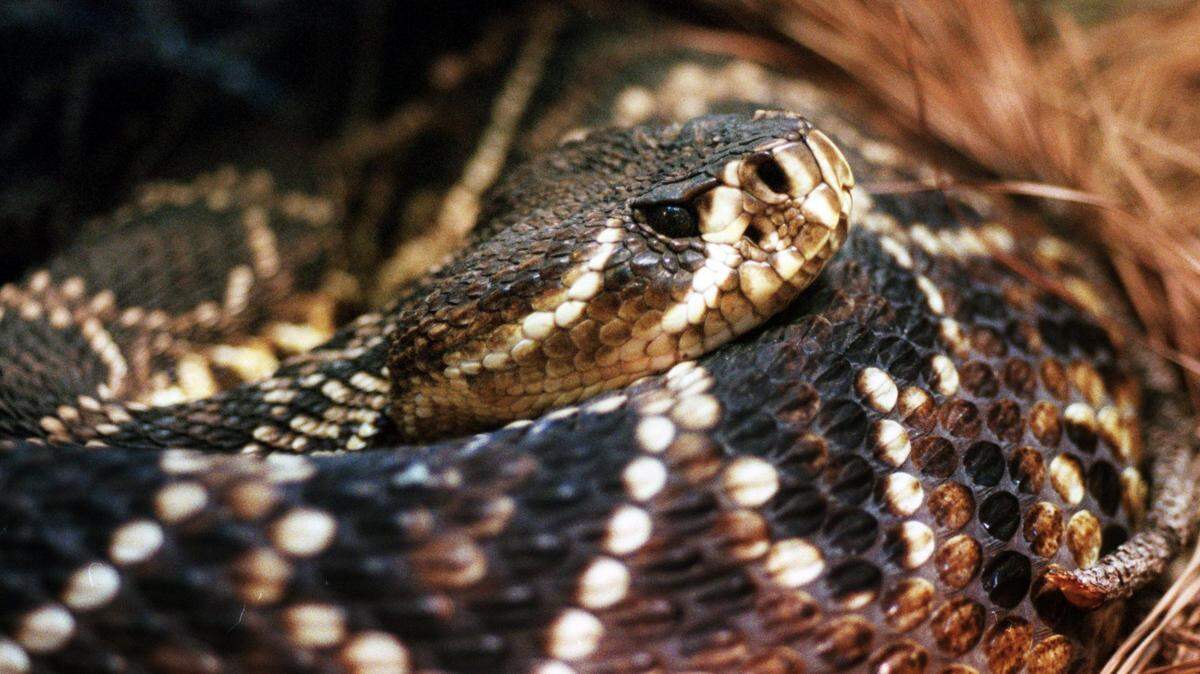
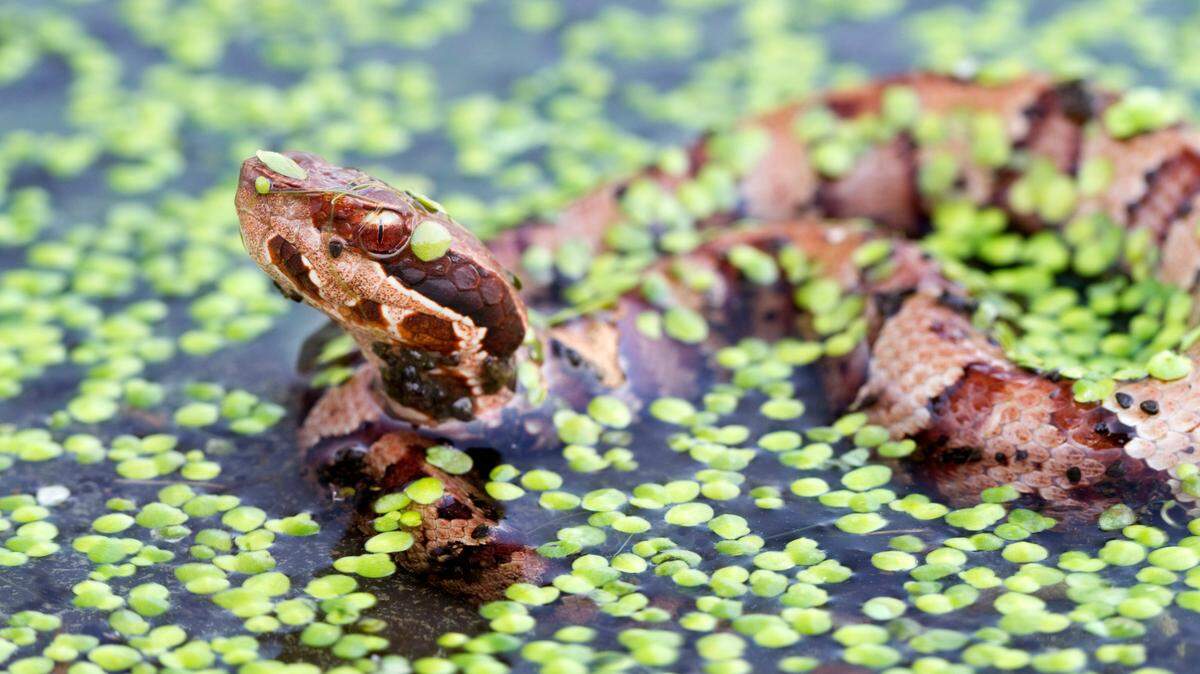
We’re especially interested in learning about copperheads, the only venomous snake you’re likely to encounter in the Triangle and central North Carolina. (Rattlesnakes can be found to the east and west of us, and Cotton Mouths to the southeast.)
As always, there’s no need to panic if you see one. The short version of copperhead best practices include, according to local snake experts:
Keep a sharp eye open for snakes while outside.
Watch where you step (especially when wearing sandals or flip-flops).
Wear gloves when reaching into weeds, bushes or pine straw.
Keep a much closer watch on nosy dogs who might poke their snouts into spots where copperheads like to rest.
If you see one, leave it alone.
For this story, we spoke with Jeff Hall, snake expert and wildlife biologist with the NC Wildlife Resources Commission, to learn what the snakes in our region do — and if the practices above still hold true — as temperatures start to drop.
Here’s what to know about copperheads and other local snakescool-weather season.
Where do snakes, copperheads go as it gets cold?
Snakes across North Carolina hibernate individually in holes in the ground, Hall said.
Very few species can make their own holes, so they often find stump holes and rodent burrows to spend much of the cool season.
Do snakes use the same hibernation spot each year?
Usually, yes.
“Snakes know their landscapes very well and will remember from year to year which sites they’ve used for hibernation purposes,” Hall said.
“They may switch sites across years but often return to the same hole in the ground year after year.”
At which temperature do snakes hibernate?
▪ In the 60s °F: Snakes will begin moving toward hibernation sites.
▪ In the 50s °F and below: Snakes consistently stay in their places in the ground.
Some snake species are more tolerant of cooler temperatures (though only slightly), so there may be a few exceptions to the norm.
Can you see snakes in NC in the winter?
Yes.
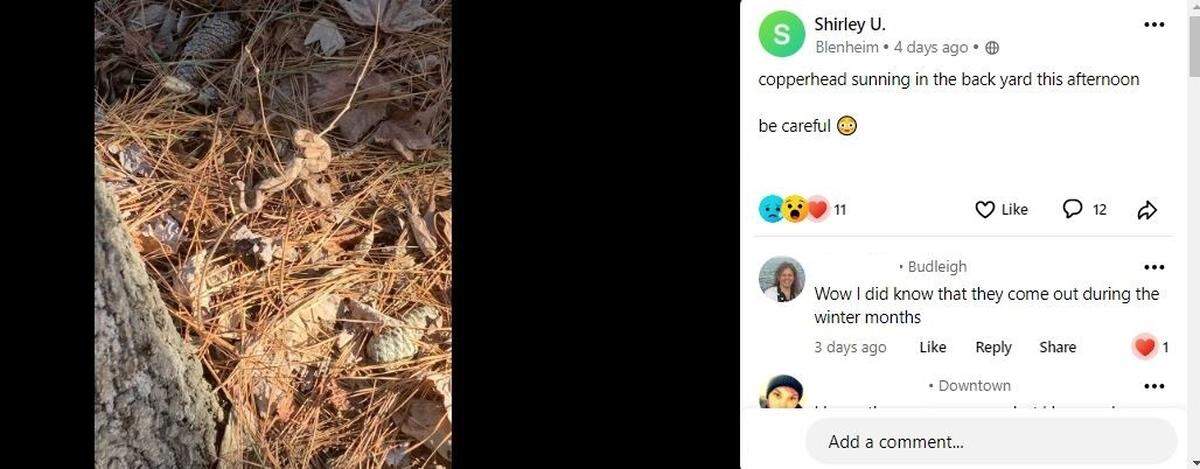
Even in the fall and winter, snakes will periodically come out in the daytime when temperatures are higher. You could even see them at dawn or dusk on especially warm days, Hall said.
Last year, Raleigh residents found copperheads sunning themselves in January.
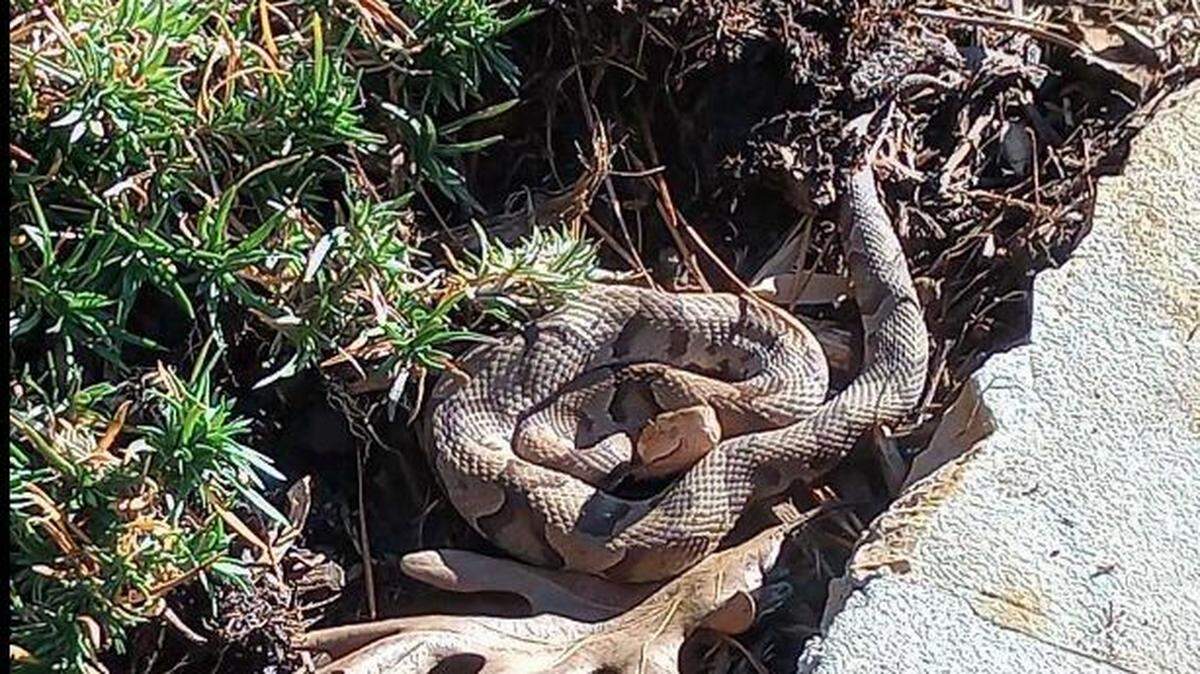
Some snakes like to bask at or near their hibernation sites.
Do snakes’ behavior change when it’s cold?
Yes. That’s because snakes are ectothermic, meaning they are influenced by the temperatures around them.
“On a warm day, they are warm. On a cool day, they are cool,” Hall said.
If snakes are caught out of their hibernation spots on a cold day, they will be sluggish and legthargic. You could encounter a coiled snake that doesn’t move when approached, and that’s because it isn’t warm enough to expend energy to retreat.
“Sometimes people misinterpret this behavior as ‘aggressive’ but if the temperatures are low, the snake simply cannot move away easily,” Hall said.
Can you get bitten by a snake, copperhead when it’s cold outside?
Yes, there is still a chance you can get bitten, though it’s incredibly small.
This is more likely on warmer days within the winter months, as it’s common to have copperheads and other snakes out in the sun on days in the 60s and 70s °F.
“Of course, there’s a fairly small chance of getting bitten by a snake in the spring and summer, so the chances in winter are super low,” Hall said.
Copperhead snake bites are rarely fatal to humans, but they can be painful and expensive to treat.
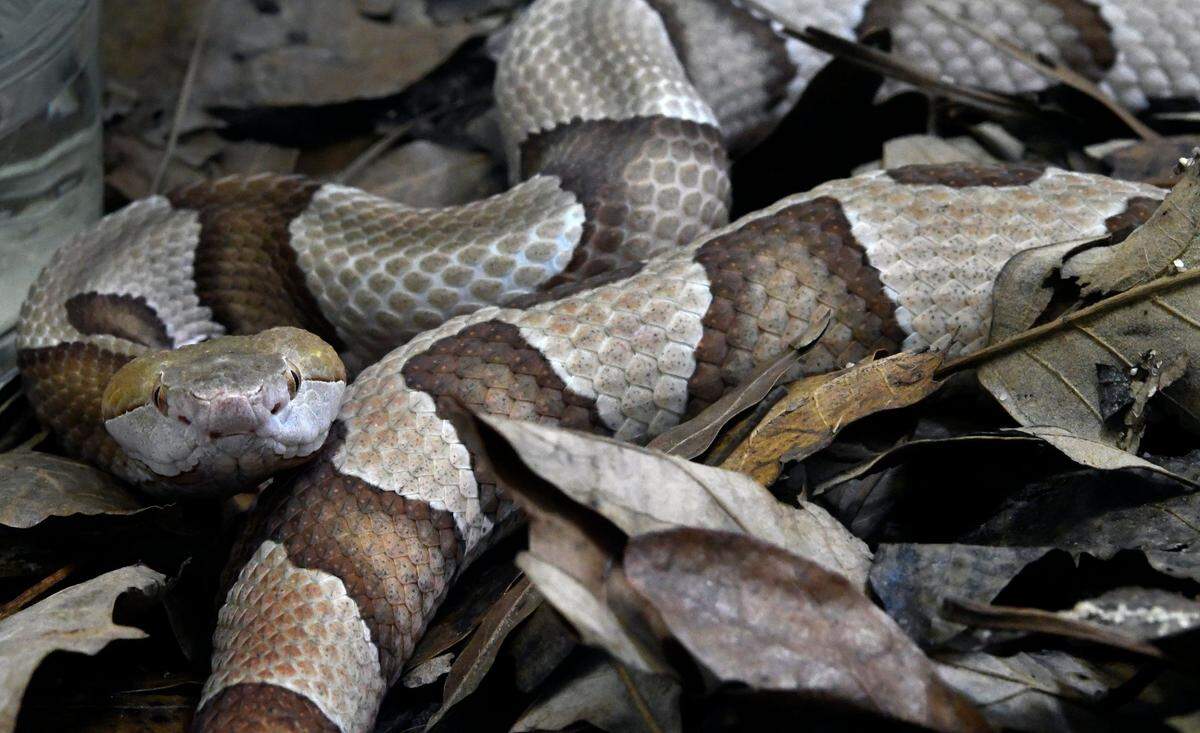
What do copperheads look like?
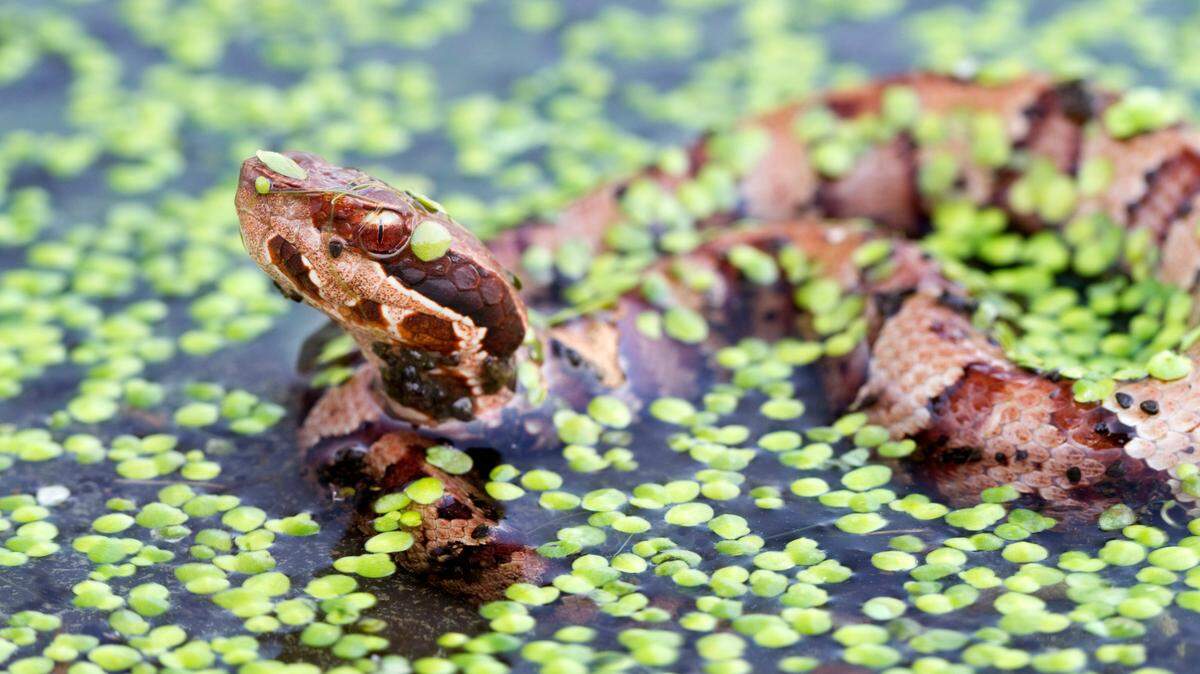
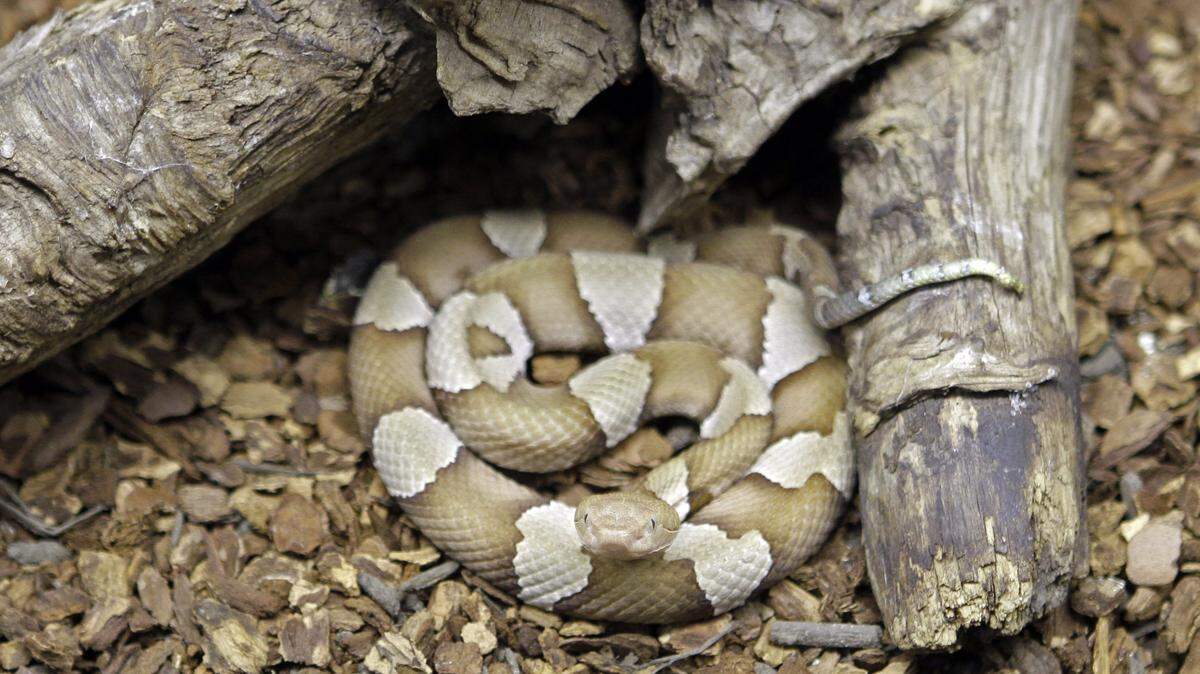
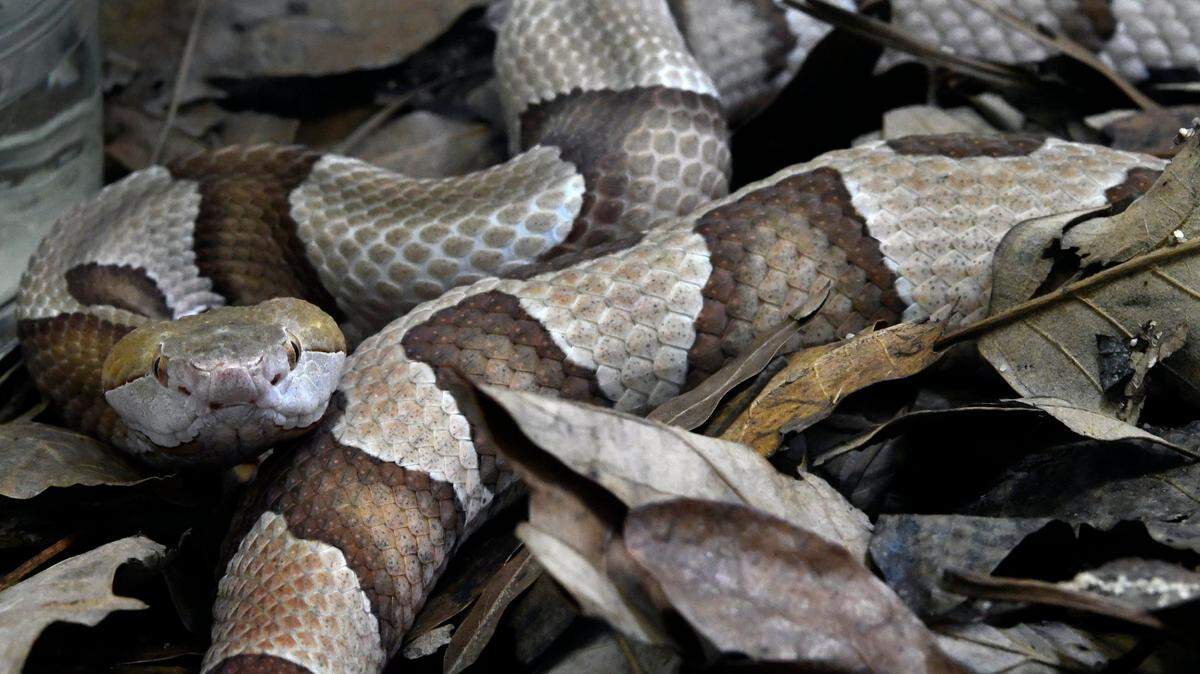
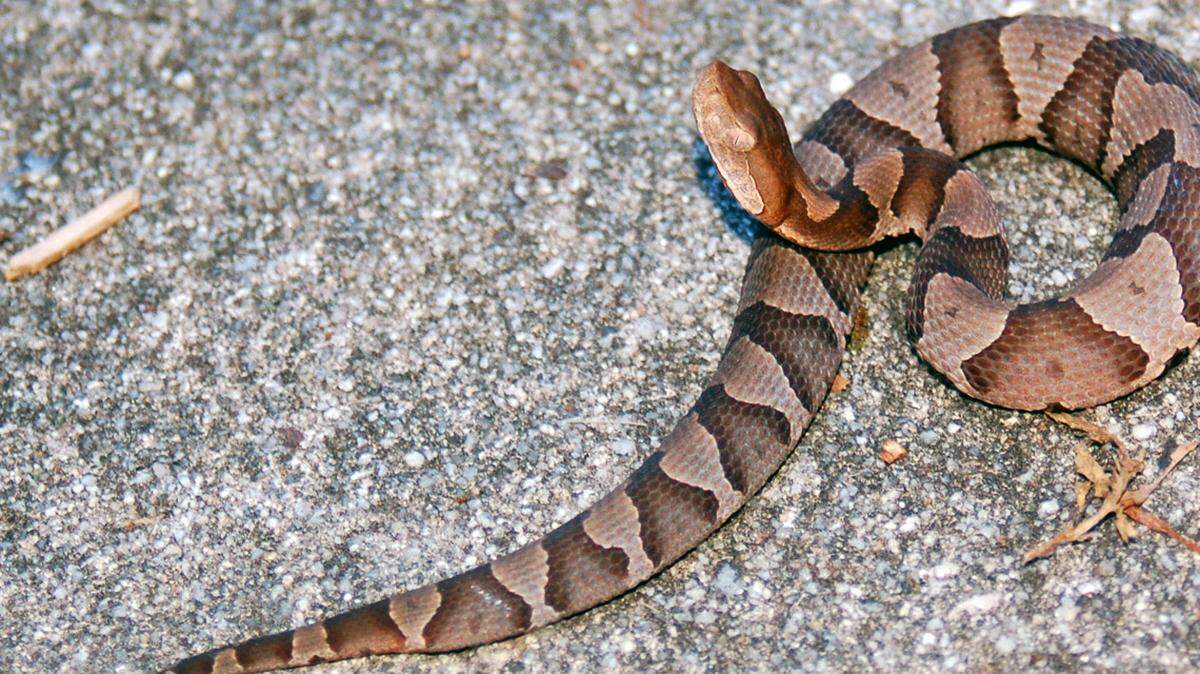
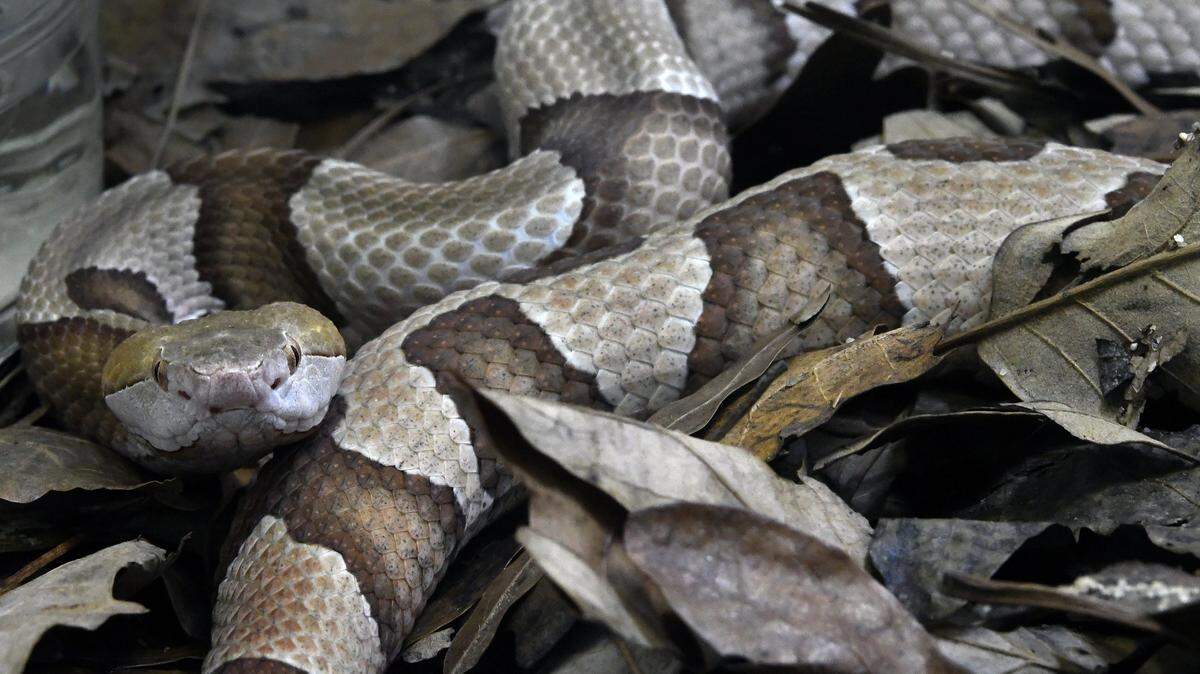
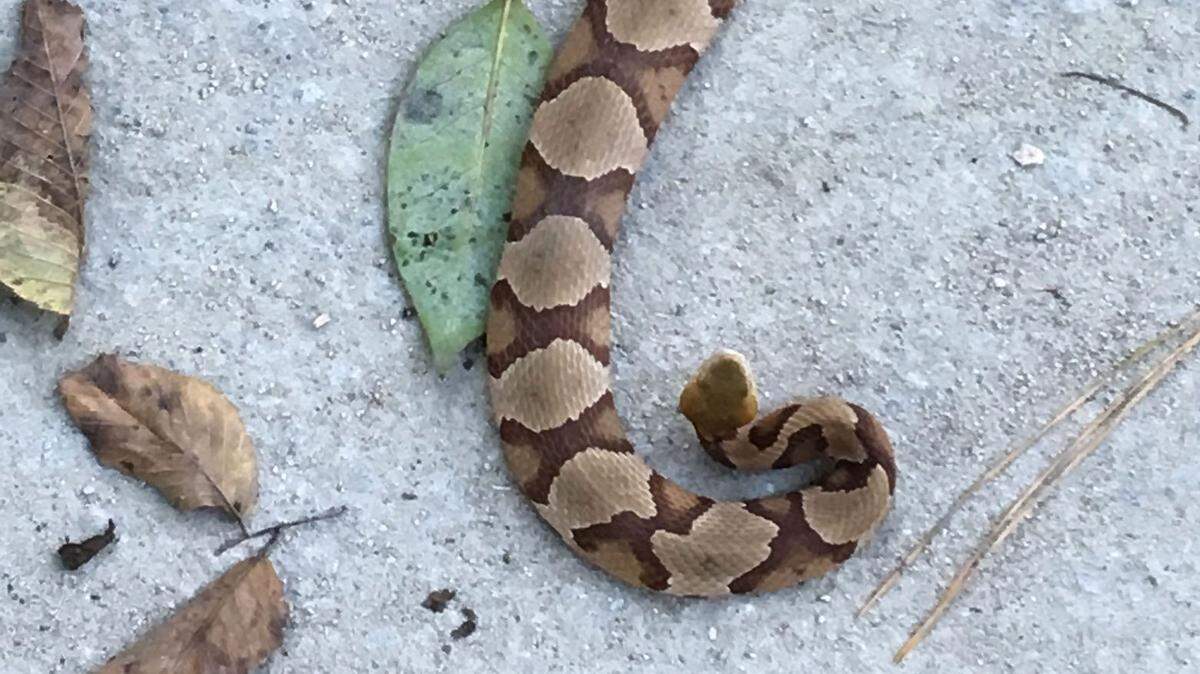
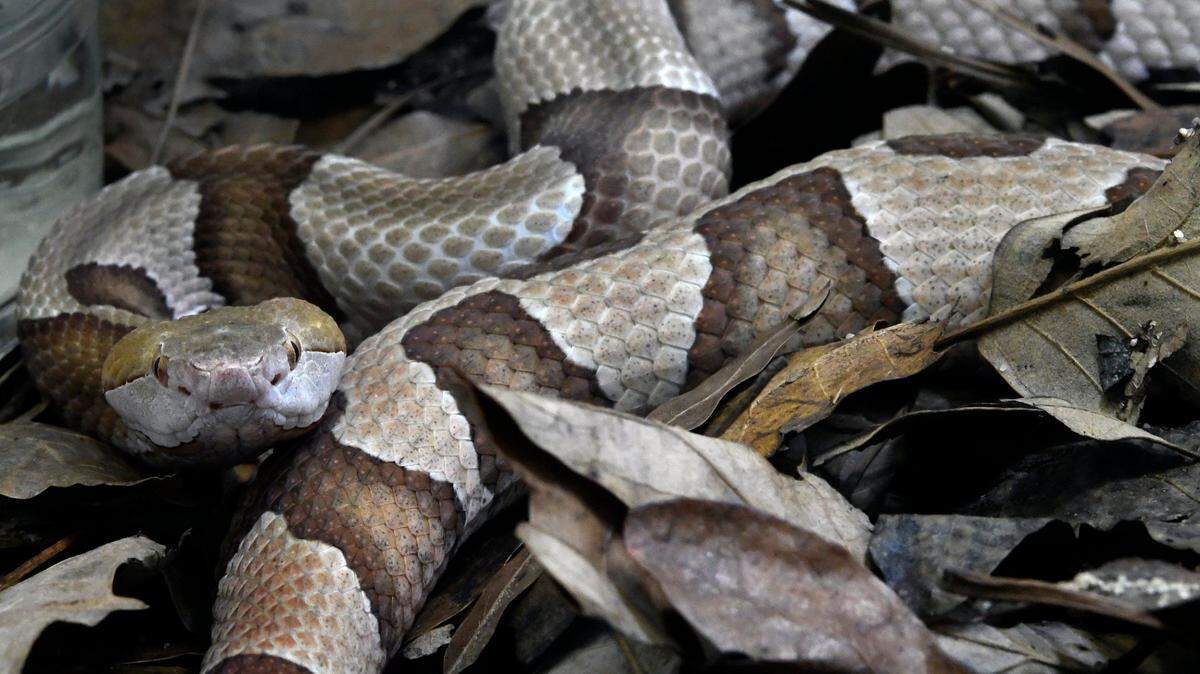
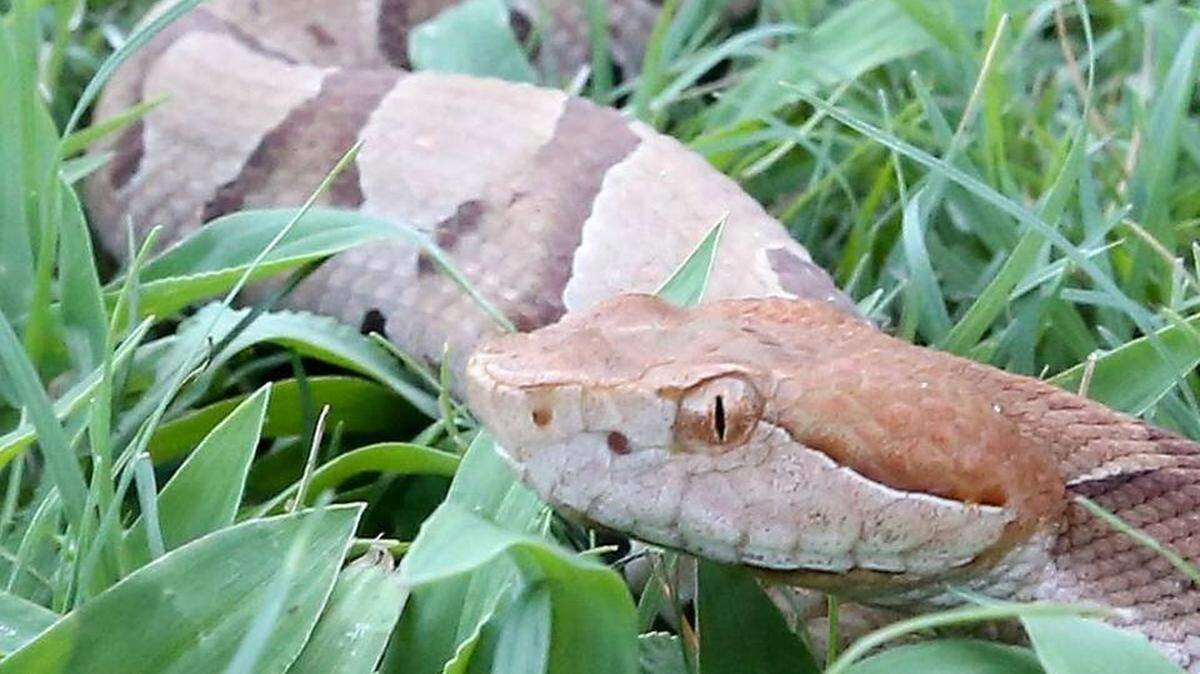
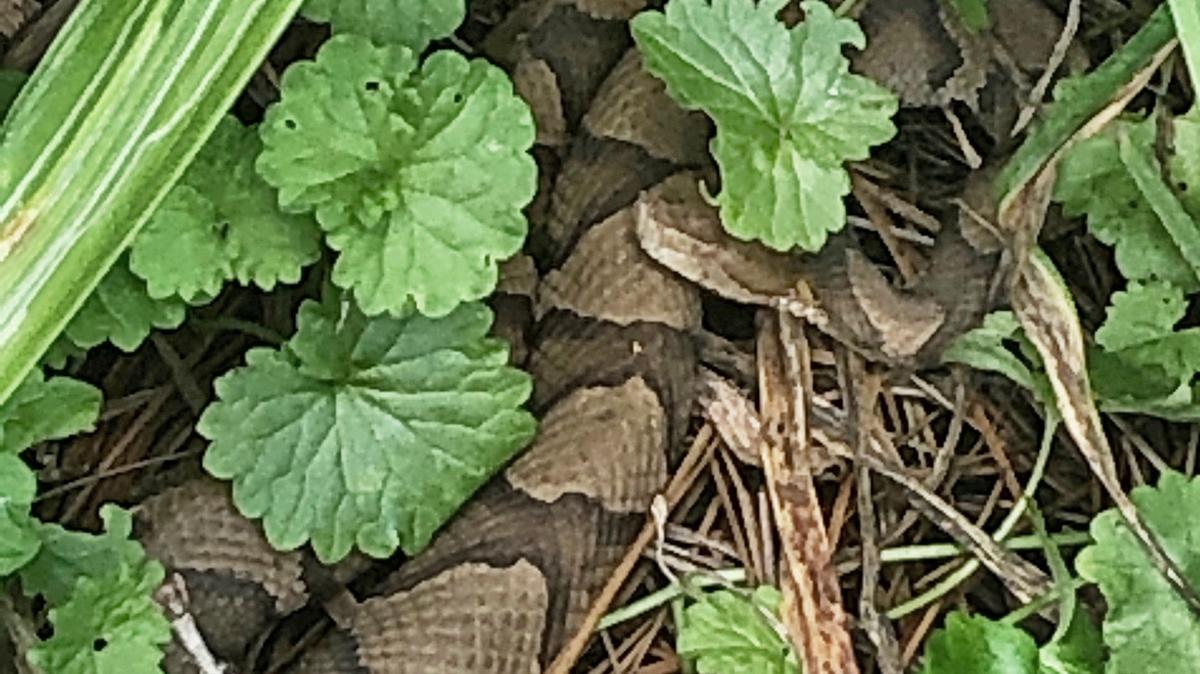
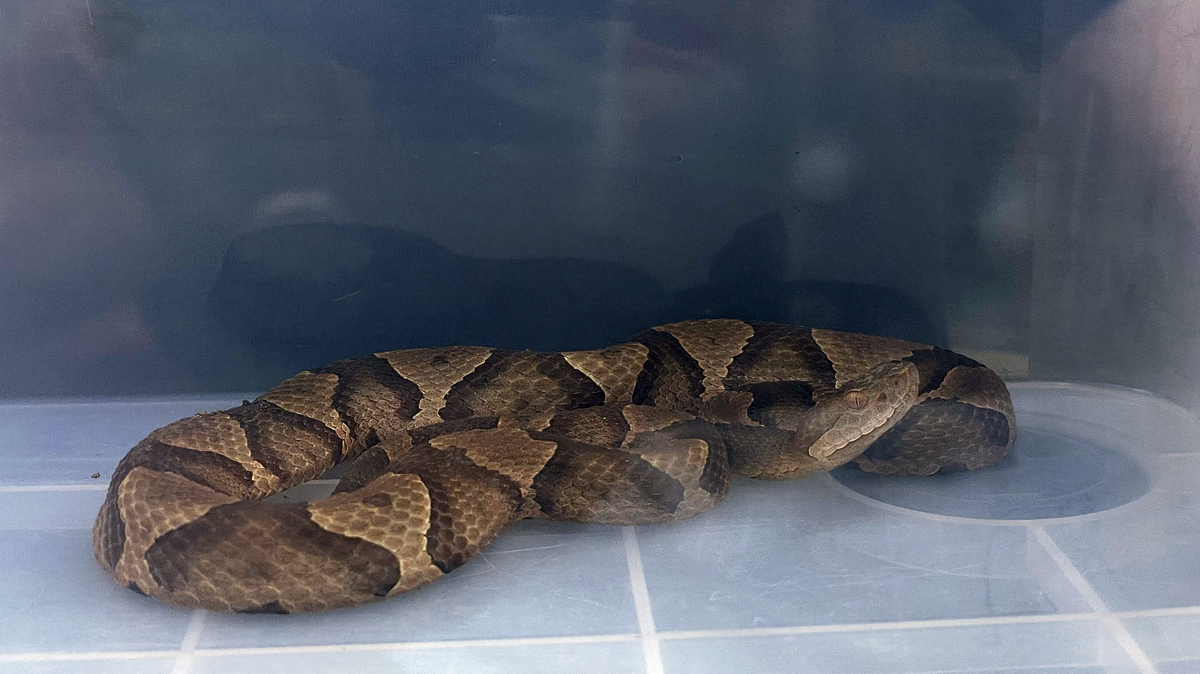
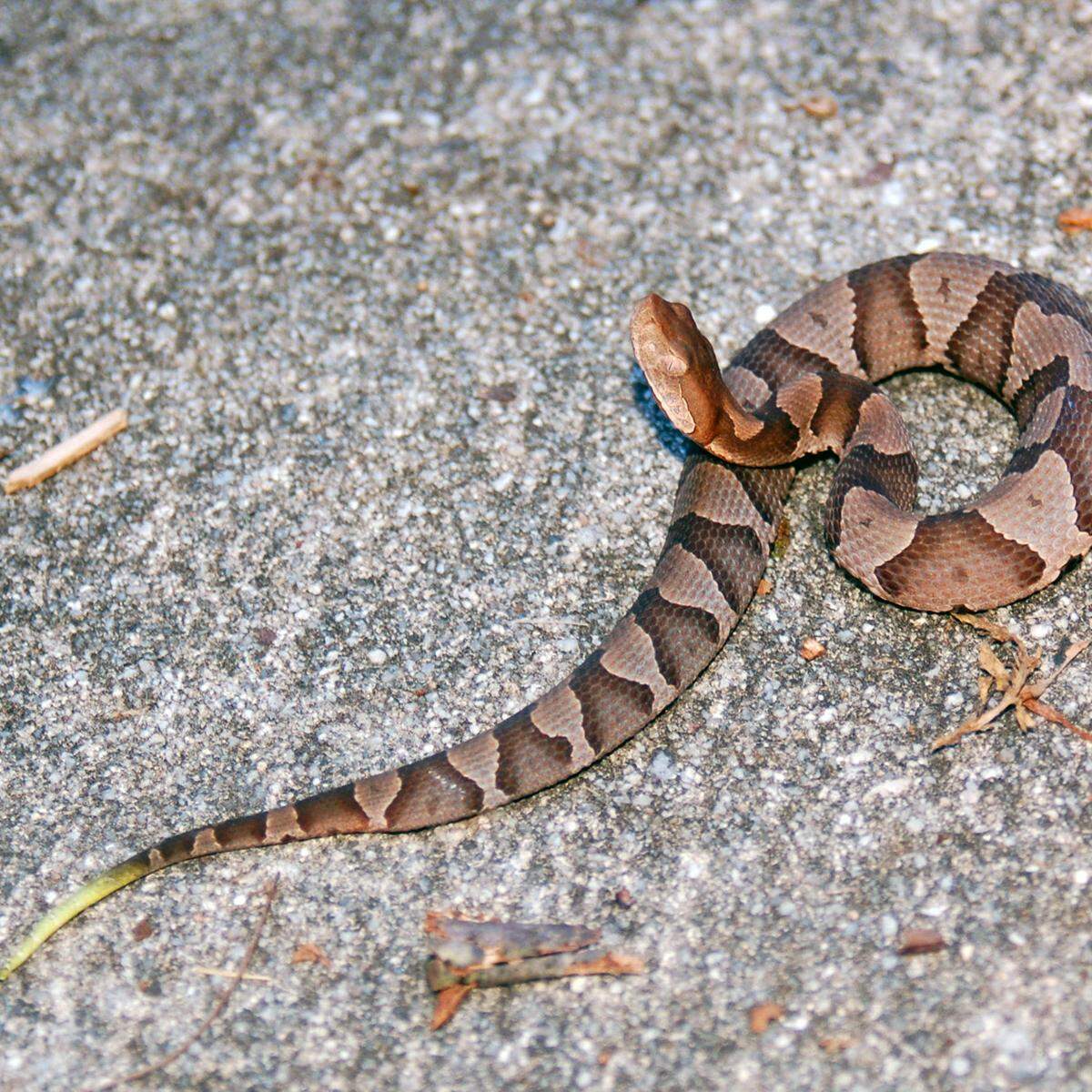
Copperhead snakes are brownish-gray in color with an hourglass-shaped pattern on their backs, which resembles a Hershey’s Kiss.
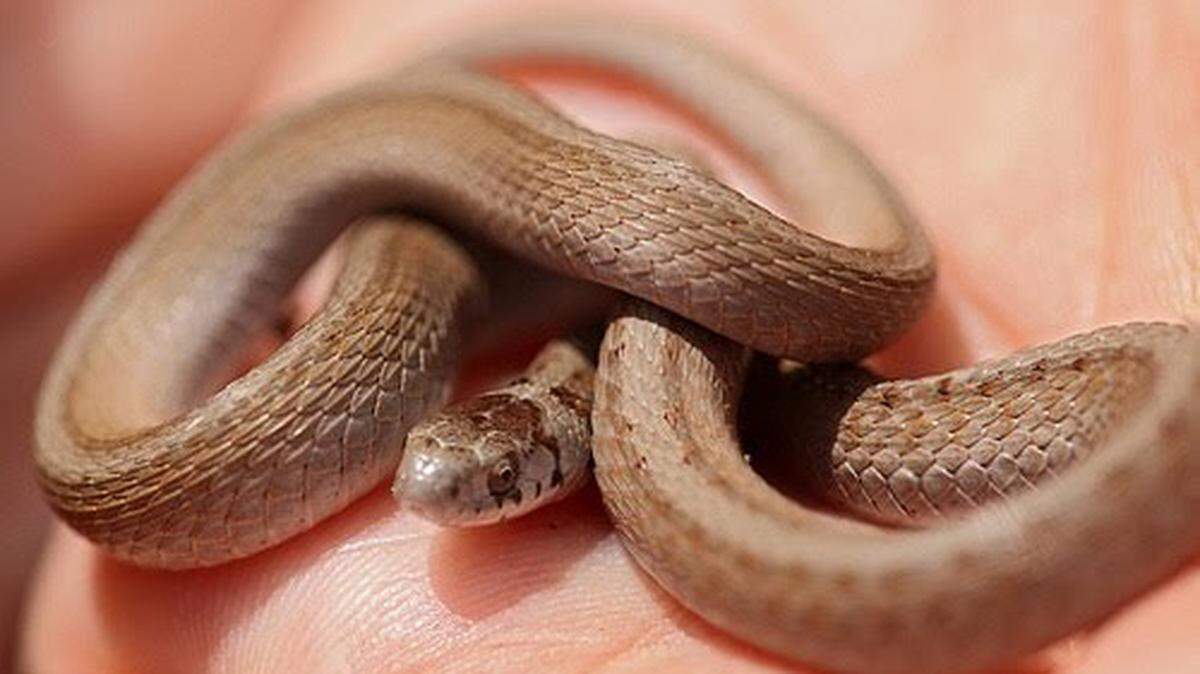
Newly born or very young copperheads will resemble their parents — except they’ll have a bright yellow or greenish-tipped tail that darkens pretty quickly. Adult copperheads grow to about 3 feet long.
Do copperheads give birth in the fall?
Baby copperheads are mostly born in late August or early September.
A few may be born as early as mid-August or as late as early October, Jeff Beane, herpetology collection manager at the N.C. Museum of Natural Science in Raleigh, told The News & Observer in a previous report on copperhead snakes.
What to do if you’re bitten by a copperhead (or other snake)
If you’ve been bitten by a copperhead or other venomous snake, follow NC Poison Control’s advice:
Sit down and stay calm.
Gently wash the area with warm, soapy water.
Remove any jewelry or tight clothing near the bite site.
Keep the bitten area still, if possible, and raise it to heart level.
Call NC Poison Control at 1-800-222-1222.
If a snakebite victim is having chest pain, difficulty breathing, face swelling, or has lost consciousness, call 911 immediately.
You should not:
Cut the bitten area to try to drain the venom. This can worsen the injury.
Ice the area. Icing causes additional tissue damage.
Make and apply a tourniquet or any tight bandage. It’s better for the venom to flow through the body than for it to stay in one area.
Suck or use a suction device to remove the venom.
Attempt to catch or kill the snake.
This story was originally published October 11, 2023 at 12:42 PM with the headline "Where do copperhead snakes go when the weather turns cool in NC? We asked the experts."